
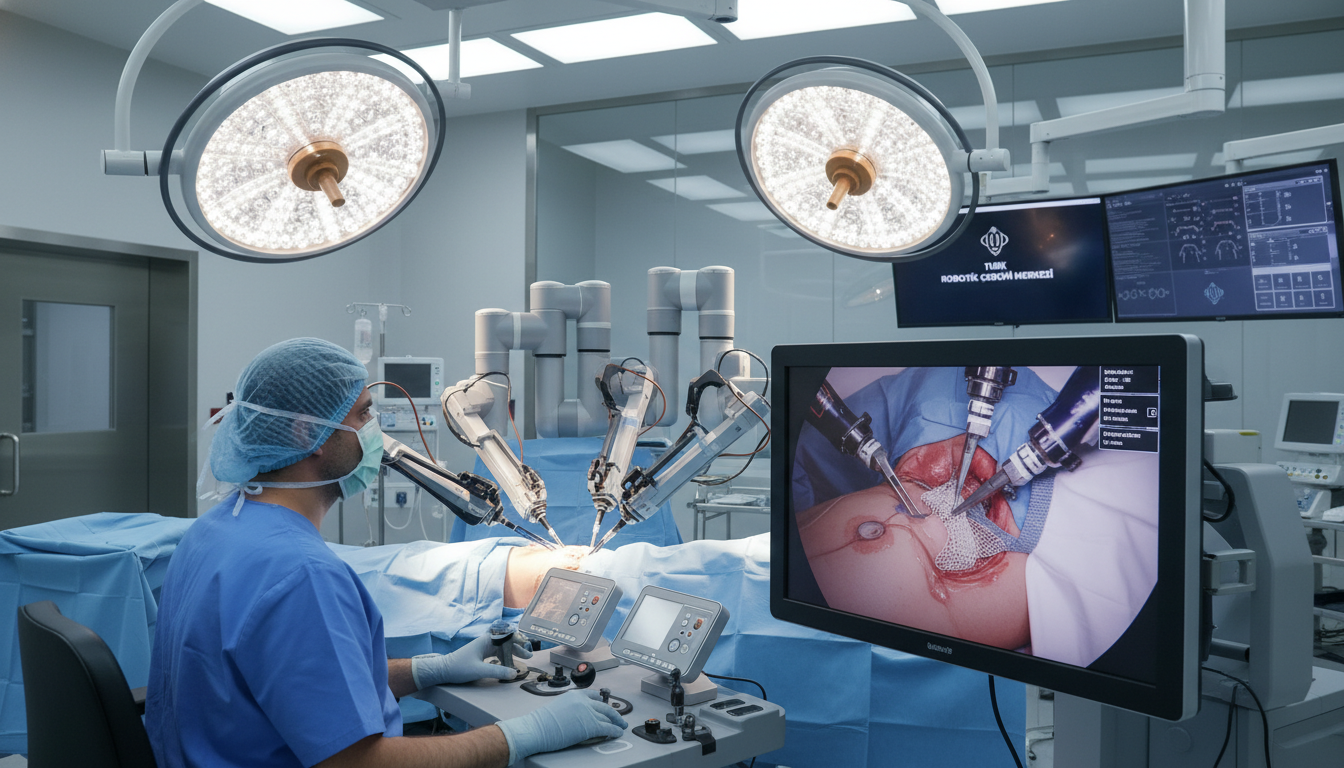
Turkey is now a top choice for people looking for the best medical care. Many travel there to find advanced clinical facilities and skilled doctors.
Robotic Hernia Surgery is a popular choice. It offers precision and efficiency, unlike traditional methods. Patients get to enjoy modern technology and focus on getting better.
More people are choosing Turkey for their medical needs. They trust the local doctors and enjoy the professional setting. This surgery is a key part of modern medical travel.
Key Takeaways
- Turkey is a leading hub for high-quality medical procedures and patient care.
- International patients frequently choose the country for its advanced technological infrastructure.
- The specific medical intervention mentioned provides superior precision for complex cases.
- Medical travellers benefit from a combination of expert consultants and modern hospital facilities.
- The trend highlights a global shift towards seeking efficient and reliable healthcare solutions abroad.
The Rise of Medical Tourism for Hernia Repair
More people are now looking outside their countries for top-notch medical care. This is because they can’t get the care they need at home or it’s too expensive. Hernia repair surgery is a big part of this trend in medical tourism.
Turkey is becoming a top choice for those needing complex surgeries. It has modern hospitals and a skilled team. This makes patients feel safe and supported during their treatment.
Patients pick Turkey for its mix of clinical precision and care for the patient. By getting hernia repair surgery abroad, they avoid long waits and get the latest technology. Here’s why more people trust Turkish medical facilities.
| Feature | Turkish Healthcare Standard | Patient Benefit |
|---|---|---|
| Technology | Advanced Robotic Systems | Enhanced Surgical Precision |
| Accreditation | JCI International Standards | Proven Safety Protocols |
| Accessibility | Streamlined Patient Pathways | Reduced Waiting Times |
Traveling for medical care is backed by international quality standards. As more success stories come out, Turkey’s healthcare reputation grows. Getting hernia repair surgery in a place that values both innovation and comfort gives patients peace of mind.
Understanding Robotic Hernia Surgery
Modern medical technology has changed how surgeons fix complex abdominal problems. They now use advanced tools for minimally invasive surgery. This change is a big step forward for patient care and better surgical results.
How the Da Vinci Surgical System Works
The Da Vinci system is like an extension of the surgeon’s hands. It turns their movements into precise actions. The surgeon sits at a console, watching a high-definition 3D image of the area they’re working on.
The instruments used have more movement than a human wrist. This lets them do delicate work in small spaces. This minimally invasive surgery keeps the surgeon in full control during the whole procedure.
Differences Between Traditional and Robotic Approaches
Traditional open surgery needs a big cut to get to the hernia. This can make healing take longer. Robotic surgery, on the other hand, uses small cuts, causing less damage to the area.
Patients usually find recovery easier with robotic help. Here’s a table showing the main differences between these two methods:
| Feature | Traditional Open Surgery | Robotic-Assisted Surgery |
|---|---|---|
| Incision Size | Large (5-10 cm) | Small (1-2 cm) |
| Visualisation | Direct view | 3D High-Definition |
| Precision | Manual | Enhanced Robotic |
| Recovery Time | Extended | Rapid |
Choosing the right surgery is key to your health journey. Minimally invasive surgery means less pain and a quicker return to normal life. This new standard is changing what we expect from hernia treatment.
Why Turkey is a Global Leader in Surgical Robotics
Turkey has become a leader in surgical robotics thanks to its focus on technology. The country has made high-tech medical solutions common. This has made Turkey a top choice for advanced hernia treatment that works well and is easy to get.
Investment in Advanced Healthcare Infrastructure
The Turkish government and private sector have invested a lot in hospitals. They have bought the latest Da Vinci surgical systems. This lets surgeons do complex surgeries with great precision.
Choosing the right hospital is key. You can find advice in this guide to choosing the right clinic. It helps make sure your care is top-notch. Here are the key things to look for:
- State-of-the-art robotic consoles for better surgeon control.
- Integrated digital imaging suites for real-time anatomy mapping.
- Dedicated recovery wings for patient comfort after surgery.
Accreditation and International Standards in Turkish Hospitals
Safety is a big deal in Turkey’s medical tourism. Many hospitals have Joint Commission International (JCI) accreditation. This shows they meet high global standards for safety and quality.
“The standard of care in Turkish hospitals often exceeds international expectations, driven by a culture of continuous improvement and strict adherence to global safety protocols.”
This focus on quality means patients get advanced hernia treatment in a safe place. Turkey’s commitment to excellence in surgical robotics gives patients confidence when they travel for their health.
Benefits of Choosing Robotic-Assisted Hernia Repair
Modern surgery has changed a lot. Now, patients can get robotic-assisted hernia repair. This new method is better for both the doctor and the patient. It uses advanced tech to get better results than old ways.
Enhanced Precision and Visualisation
This tech gives the doctor a clear, 3D view. It’s better than old methods. The magnified imagery helps spot tiny details. This makes sure the mesh is placed just right.
The robotic tools can move more than a human wrist. This enhanced dexterity lets surgeons do tricky stitches in tight spots. It’s key to the benefits of robotic hernia repair.
Reduced Post-Operative Pain and Faster Recovery
The small cuts mean less damage to the belly. Patients often feel less pain right after. This makes it easier to get back to normal life.
People need less pain meds and can work and exercise sooner. It’s all about making care better for the patient. It’s about time and health.
Minimising Scarring and Complication Risks
The small cuts mean less visible scars. The robotic system also lowers risks of problems like infections. This meticulous approach keeps the belly wall strong.
| Feature | Traditional Surgery | Robotic-Assisted Surgery |
|---|---|---|
| Incision Size | Large/Open | Minimal/Keyhole |
| Visualisation | Standard 2D | High-Definition 3D |
| Recovery Time | Extended | Rapid |
| Precision | Manual | High-Dexterity Robotic |
Types of Hernias Treated with Robotic Techniques
Robotic surgery has changed how doctors fix hernias. They use 3D images and special tools to be very precise. This means patients have more options for fixing their hernias.
Inguinal Hernia Repair
Inguinal hernias happen when tissue bulges through a weak spot in the groin. It’s a common problem worldwide. Robotic surgery makes fixing it better by allowing for a strong and lasting repair.
Ventral and Incisional Hernia Management
Ventral hernias occur through the belly wall, and incisional ones at old scars. Fixing these needs care to avoid harming other tissues. Robotic surgery helps place mesh perfectly, which is key for patient comfort.
Complex Abdominal Wall Reconstruction
For big, recurring, or complex hernias, old methods might not work. Robotic surgery is great for these cases. It lets surgeons work in tight spaces, making it a top choice for fixing the belly wall.
Choosing the right surgery for a hernia depends on the patient’s needs. Robotic systems help surgeons give treatments that work better. These advances are making medicine safer and more effective.
The Patient Journey: From Consultation to Recovery
Your journey to health in Turkey is designed to be smooth and clear from the start. It offers comfort and clarity from the first contact. International patients can feel supported and confident through their robotic-assisted hernia repair journey.
Initial Virtual Consultations and Medical Assessment
The journey starts with a detailed virtual consultation. Here, you’ll talk to your surgical team about your health history and symptoms. This online meeting helps surgeons check if you’re right for a hernia operation with robotic assistance.
You’ll be asked to share any diagnostic images, like CT scans or ultrasounds. This info helps the team create a personalised treatment plan for you. They’ll make sure all your questions are answered before you travel.
Arrival and Pre-Operative Preparation in Turkey
When you arrive in Turkey, a patient coordinator will welcome you. They’ll help you settle into the clinic. The pre-surgery phase includes health checks to make sure you’re ready for surgery.
- Comprehensive blood tests and cardiac evaluations.
- A final physical examination by your lead surgeon.
- Detailed discussions regarding the anaesthesia process.
- A walkthrough of the surgical facility to familiarise you with the environment.
Post-Operative Care and Monitoring
After your hernia operation with robotic assistance, you’ll go to a recovery suite. The nursing staff will keep a close eye on you to ensure your comfort and safety. This period is key for a good recovery.
The surgical team will visit you often to check on your progress and manage any pain. Before you leave, you’ll get clear instructions on wound care and what activities to avoid. This careful approach to robotic-assisted hernia repair means you’ll feel ready and confident for your recovery at home.
Selecting the Right Surgeon and Clinic
Your choice of surgeon and facility is key to a successful procedure. When looking at hernia surgery options, focus on safety and top-notch care. Make sure your medical team is well-qualified to ensure the best treatment for you.
Evaluating Surgeon Credentials and Experience
Start by checking the surgeon’s qualifications and board certifications. Look for those with extensive training in robotic-assisted surgery. It’s also important to ask about their experience with your specific hernia type.
A surgeon’s success is often shown by their case volume. High-volume surgeons are usually more skilled with complex hernia surgery options. Ask about their complication rates and experience with the robotic systems used.
Assessing Hospital Technology and Patient Reviews
Hospitals in Turkey often have the latest Da Vinci surgical systems. Make sure the hospital has the latest technology for precise surgery. International accreditation, like from the Joint Commission International (JCI), shows high safety standards.
Reading patient reviews can give you insight into post-operative care and communication. When comparing hernia surgery options, use these criteria to make an informed choice for your health.
| Evaluation Criteria | Importance Level | What to Look For |
|---|---|---|
| Surgeon Certification | Critical | Board-certified specialists |
| Robotic Experience | High | Documented case volume |
| Hospital Accreditation | Critical | JCI or equivalent standards |
| Technology Status | High | Latest Da Vinci models |
| Patient Feedback | Moderate | Consistent positive outcomes |
By carefully reviewing these factors, you can confidently choose your hernia surgery options. Focus on these professional standards for a successful outcome and a smoother recovery.
Cost Analysis of Robotic Hernia Surgery in Turkey
It’s important to know the cost of medical treatments abroad. Many people find that Robotic Hernia Surgery in Turkey is both affordable and of high quality.
Comparing Costs with the United States
In the United States, the cost of complex surgeries is often very high. This is due to high administrative costs and facility fees. Turkish clinics, on the other hand, offer highly competitive pricing without sacrificing quality or technology.
Choosing Turkey for Robotic Hernia Surgery can save you 40% to 60% on your bill. This doesn’t mean you’re getting less care. It’s just that Turkey has lower operational costs and a more favourable economy.
What is Typically Included in Surgical Packages
Turkish hospitals make planning easier by providing all-inclusive packages. These packages aim to offer complete transparency, so you won’t face unexpected costs during your recovery.
A typical package for Robotic Hernia Surgery includes:
- Surgeon fees and the expertise of the multidisciplinary medical team.
- Hospitalisation costs, including the use of advanced robotic platforms.
- Pre-operative diagnostic tests and necessary imaging.
- Post-operative medications and initial follow-up consultations.
Choosing these packages lets you focus on your health and recuperation. It makes the process of getting Robotic Hernia Surgery in Turkey both affordable and hassle-free.
Safety Protocols and Quality Assurance
Top Turkish hospitals focus on patient safety with strict quality checks. Patients getting surgical robotics treatments find a place that meets international standards. These places are clean and safe for everyone.
Sterilisation and Infection Control Measures
Keeping things clean is key for any surgery. Turkish hospitals follow global health rules, like the Policlinico Universitario A. Gemelli. They make sure every tool is cleaned properly.
They use the latest tech to keep air and surfaces clean. Following these rules helps avoid problems after surgery. Important parts of these systems include:
- Regular checks to make sure everything is clean.
- Using HEPA filters in operating rooms.
- Deep cleaning of all robotic tools and surgical equipment.
Multidisciplinary Team Approaches
Using a team of experts is at the heart of patient-centred care. This way, the robotic hernia repair benefits are better because of everyone’s input. Patients get the best care from a group of skilled people.
This team has surgeons, anaesthesiologists, and nurses working together. They plan everything carefully to avoid problems. This collaborative strategy makes sure patients are safe at all times.
So, the mix of surgical robotics and a team of experts makes recovery reliable. Patients know they’re in good hands with professionals who aim for the best.
Navigating Logistics for International Patients
Planning your trip for a hernia operation with robotic assistance has several steps. By sorting these out early, you can focus on your health and recovery. Knowing the medical tourism benefits and advantages shows why planning is key.
Visa Requirements and Travel Arrangements
Most international patients find entering Turkey easy. You might need an e-visa, depending on your nationality. Always check the latest rules well before your surgery.
For a smooth flight, consider these tips:
- Opt for direct flights to avoid extra strain.
- Arrive at least 48 hours before your hernia operation with robotic assistance.
- Make sure your travel insurance covers medical procedures abroad.
Accommodation and Concierge Services for Medical Tourists
Top clinics in Turkey offer great concierge services. They help with everything from airport transfers to hotel bookings. They make sure your stay is comfortable while you prepare for your hernia operation with robotic assistance.
Many hospitals work with quality hotels close to the clinic. These hotels are perfect for patients recovering from surgery. Professional concierge support includes:
- Private transport from the airport, hotel, and clinic.
- Help with local language during appointments.
- Advice on local amenities and post-operative care.
Using these services takes away the stress of being in a new country alone. It lets you focus on a good recovery after your hernia operation with robotic assistance.
Potential Risks and Considerations
Even with the most advanced hernia treatment, it’s key to understand the surgery’s risks. Robotic-assisted methods are precise, but every surgery has its own risks. It’s important to think about these before you decide to have surgery.
Understanding Surgical Limitations
Surgery isn’t a fix for every problem. Robotic systems help surgeons, but many things can affect the outcome. These include the quality of the tissue, past surgeries, and your health.
Any surgery in the belly can lead to infection, bleeding, or reactions to anaesthesia. These are rare in good hospitals, but they’re things to think about if you’re planning surgery.
Managing Expectations for Recovery Timelines
Recovery time varies a lot. It depends on how complex the surgery was and your health. Robotic surgery might mean you can get back to normal faster, but full healing takes time.
Don’t expect to bounce back right away. Stick to your surgeon’s advice after surgery. This is the best way to avoid problems and ensure you heal well.
| Consideration | Risk Level | Management Strategy |
|---|---|---|
| Anaesthesia Reaction | Low | Pre-operative screening |
| Surgical Site Infection | Low | Sterile protocols |
| Hernia Recurrence | Moderate | Post-op activity limits |
| Recovery Duration | Variable | Follow-up monitoring |
Post-Surgery Rehabilitation and Long-Term Care
Your journey to wellness doesn’t end when you leave the surgical centre in Turkey. The weeks after surgery are crucial for your long-term health. Following a structured recovery plan is key to getting the most from modern robotic surgery.
Follow-up Care and Communication with Surgeons
Keeping in touch with your medical team is vital for a smooth recovery. Most clinics offer virtual follow-up consultations to check on your healing at home. Don’t hesitate to ask about your incision sites or if you’re feeling okay.
Telling your local doctor about your surgery is also a good idea. Share your discharge summary with them. This way, they can offer better support during routine check-ups. Regular monitoring helps catch any small problems early, ensuring the best results.
Returning Home and Resuming Daily Activities
Going back to your usual routine should be done slowly. Robotic surgery may mean quicker recovery times, but your body needs time to heal. Avoid heavy lifting or hard exercise for the time your surgeon advises.
Pay attention to how your body feels and start doing more as you get better. Walking is highly encouraged early on to keep blood flowing and prevent stiffness. By following these steps, you help your repair stay strong and support a successful, long-term recovery.
Conclusion
Choosing robotic hernia repair in Turkey means you’re going for top-notch medical care and the latest in surgery. You get to use the Da Vinci Surgical System, known for its amazing precision. This mix of skilled doctors and cutting-edge tech helps you heal well.
Getting the best results depends on your research and planning. Look into the surgeon’s skills and the hospital’s standards. This way, you can feel sure and calm about your surgery.
Medical tourism can change your life if you’re tired of living with a hernia. You should have a life without its limits. Contact your medical team now to start your path to better health and happiness.
FAQ
Q: Why is Turkey considered a leading destination for Robotic Hernia Surgery?
A: Turkey is a top choice for robotic hernia surgery. It has invested heavily in healthcare and has world-class facilities like Acıbadem Healthcare Group. The country offers advanced hernia treatments at good prices, attracting many international patients.
Q: What are the primary robotic hernia repair benefits compared to traditional open surgery?
A: Robotic hernia repair offers many benefits. It’s more precise, uses 3D visuals, and allows for better control. This means smaller cuts, less pain, and a quicker recovery compared to traditional surgery.
Q: How does the Da Vinci Surgical System assist in a hernia operation with robotic assistance?
A: The Da Vinci System is a high-tech tool for surgeons. It lets them control robotic arms during surgery. This helps in precise repairs, which is key for successful hernia surgery.
Q: Which types of hernias can be effectively treated using robotic surgical techniques?
A: Robotic surgery can treat many hernias, including inguinal and umbilical ones. It’s also great for complex cases that are hard to fix with standard laparoscopy.
Q: How do the costs of hernia surgery options in Turkey compare to those in the United States?
A: Hernia surgery in Turkey is much cheaper than in the US or UK. Despite the high quality of care, Turkey’s lower costs make it more affordable. Patients get all-inclusive packages that cover everything from surgery to medication.
Q: What safety protocols are in place for international patients undergoing advanced hernia treatment?
A: Turkish hospitals follow strict international standards. They are accredited by Joint Commission International (JCI). Safety is a top priority, with clean environments and careful planning for each surgery.
Q: Can I consult with a surgeon before travelling to Turkey for my procedure?
A: Yes, many clinics offer virtual consultations. This lets patients discuss their case and choose the best surgery option before they arrive in Turkey.
Q: What does the recovery process involve after robotic-assisted hernia repair?
A: Recovery from robotic surgery is quick. Patients can walk soon after surgery and often return to work in a week. Surgeons provide detailed care plans and check in after the patient goes home.
Q: Are there any specific risks associated with robotic surgical techniques for hernias?
A: Like any surgery, there are risks such as anaesthesia reactions or numbness. But robotic surgery aims to reduce these risks. It’s important for patients to talk to their surgeon about their health to ensure they’re a good candidate.
Q: How are travel and accommodation managed for medical tourists in Turkey?
A: Hospitals in Turkey offer help with travel and accommodation. They handle visas, airport transfers, and booking places to stay. This makes the trip easier for patients and their families.
Related guides

Healthcare Content Compliance Guide for Growth
A high-performing treatment page can generate international patient inquiries within hours. It can also create material risk if…

Turkey Hospitals vs Local Hospitals Compared
A lower procedure quote can get a patient’s attention. It should not make the decision on its own.…

Patient Experience That Drives Trust and Growth
A patient who has already uploaded medical records, compared providers, and arranged time away from work is not…