
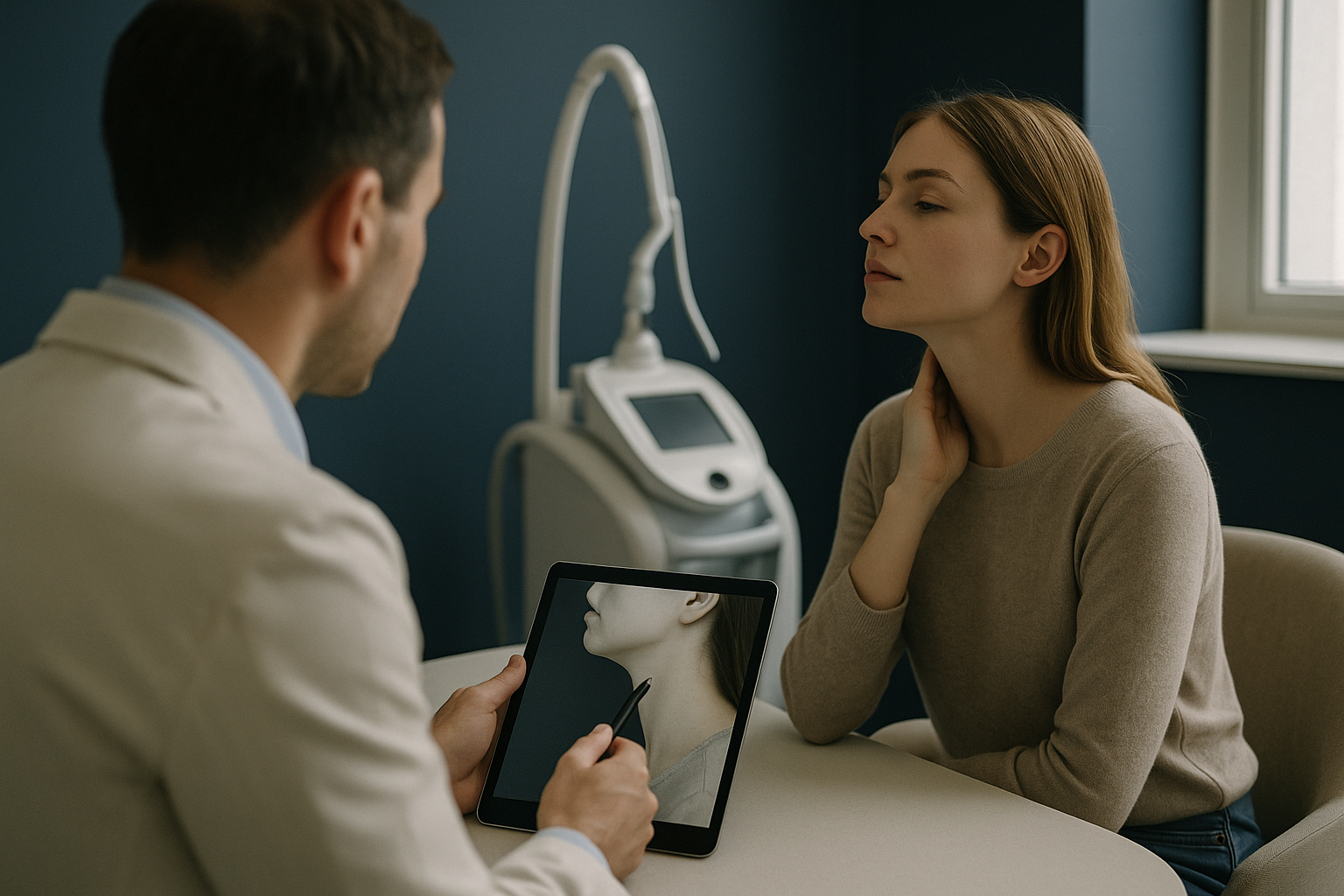
Addressing a sagging neck involves understanding both surgical and non-surgical treatment options. This guide explores these options, costs, timelines, and safety considerations for international patients seeking treatment abroad.
What Causes a Sagging Neck?
A sagging neck can result from various factors, including age-related skin laxity, genetics, and lifestyle choices. Over time, the skin loses collagen and elasticity, leading to drooping and wrinkles. Collagen, a vital protein in the skin, decreases with age, reducing skin firmness and causing sagging. This natural process is often accelerated by external factors such as UV radiation from sun exposure, which damages skin cells and further depletes collagen levels.
Genetics also play a significant role in how the neck ages. Some individuals are genetically predisposed to experience skin laxity earlier in life. This predisposition can be seen in families where early signs of aging, such as sagging necks, are common. Additionally, lifestyle factors like smoking and poor diet can exacerbate the breakdown of collagen, contributing to earlier sagging.
Weight fluctuations can also significantly impact the neck’s appearance. When a person gains weight, the skin stretches to accommodate the additional fat. If the individual subsequently loses weight, the skin may not return to its former tautness if its elasticity has diminished, resulting in sagging. Therefore, maintaining a stable weight and protecting the skin from sun damage are crucial preventative measures. Understanding these diverse causes can aid individuals in selecting the most appropriate treatment for their unique circumstances.
How Can Neck Lift Surgery Help?
Neck lift surgery, or platysmaplasty, is a common procedure to address a sagging neck. It involves the removal of excess skin and tightening of the underlying muscles, resulting in a more youthful contour. This procedure is typically recommended for individuals with significant sagging that non-surgical methods cannot adequately address. Surgeons may also perform liposuction in conjunction with a neck lift to remove excess fat, further enhancing the results.
The surgery typically requires local or general anaesthesia and lasts several hours, depending on the complexity of the case. The procedure begins with incisions made behind the ears and possibly under the chin, allowing the surgeon to access and tighten the platysma muscle. Once the muscle is adjusted, excess skin is trimmed and the incisions are sutured. Patients are usually advised to stay overnight in a medical facility for observation.
Post-surgery, patients may experience swelling and bruising, which usually subside within a few weeks. It’s crucial for patients to follow their surgeon’s post-operative care instructions meticulously to ensure optimal healing and results. The results of a neck lift are long-lasting, often providing a rejuvenated appearance for up to a decade. This procedure is particularly effective for those with significant sagging, offering a dramatic improvement that non-surgical options may not achieve. However, as with any surgery, there are risks involved, such as infection, scarring, and adverse reactions to anesthesia, which should be discussed thoroughly with a healthcare provider before proceeding.
What Non-Surgical Treatments Are Available?
For those seeking non-surgical options, there are several treatments available. These include laser therapy, radiofrequency treatments, and injectable fillers. Non-surgical treatments are increasingly popular due to their minimal downtime and less invasive nature compared to traditional surgery. Laser therapies, such as fractional CO2 lasers, work by resurfacing the skin and stimulating collagen production, which helps tighten the skin over time.
Radiofrequency treatments use energy to heat the deeper layers of the skin, promoting collagen production and tightening the skin. Examples of these treatments include Thermage and Ultherapy. These sessions are typically quick, often lasting less than an hour, and are performed in a doctor’s office. Patients may experience mild redness or swelling, but these effects are temporary and usually resolve within a few days.
Injectable fillers, such as hyaluronic acid-based products, can also provide temporary improvement by adding volume and reducing the appearance of wrinkles. These fillers can subtly lift the skin and are particularly useful for addressing mild sagging. Non-surgical treatments are ideal for individuals with mild to moderate sagging. While they are less invasive, they may not provide the dramatic results of surgery. Typically, several sessions are required to achieve desired results, and maintenance treatments are necessary to uphold the effects. Patients should discuss with their practitioner the number of sessions likely needed and the expected duration of results to make an informed decision.
What Are the Costs Associated with Treatment?
The cost of treating a sagging neck varies widely depending on the chosen method and location. Surgical options like a neck lift can range from $5,000 to $15,000, depending on the complexity, surgeon’s expertise, and geographical location. It’s important for patients to consider not only the initial cost but also potential additional expenses such as anesthesia fees, facility charges, and post-operative care.
Non-surgical treatments generally cost less per session but may require multiple visits, potentially increasing the overall expenditure. For instance, laser or radiofrequency treatments can range from $500 to $3,000 per session. Given that multiple sessions are often necessary, the total cost can quickly add up, sometimes approaching the lower end of surgical costs.
Prospective patients should consider both the initial costs and any follow-up treatments required. Additionally, factors such as the practitioner’s experience and the technology used can influence pricing. Patients should seek detailed quotes and understand the full scope of potential expenses before committing to any treatment plan. It’s also beneficial to inquire about payment plans or financing options that some clinics may offer to make treatment more accessible.
How Long Is the Recovery Timeline?
The recovery timeline for a sagging neck treatment depends on the method used. Neck lift surgery typically requires a recovery period of two to four weeks, during which patients should avoid strenuous activities and follow post-operative care instructions carefully. This period allows for initial swelling and bruising to subside, and for the incisions to heal properly.
During recovery, patients may be instructed to wear a special supportive garment to reduce swelling and support the neck as it heals. Regular follow-up visits with the surgeon are crucial to monitor progress and address any concerns. Most patients feel comfortable returning to work and social activities within a month, though complete healing and final results can take several months.
Non-surgical treatments, on the other hand, involve minimal downtime. Patients can usually resume normal activities immediately after a session, although some redness or swelling may occur temporarily. These side effects typically resolve within a few hours to a couple of days. The gradual improvement seen with non-surgical methods means that results are not immediate, requiring patience and persistence over multiple sessions. It’s important for patients to discuss realistic timelines with their provider to set appropriate expectations for recovery and outcome.
What Should Patients Consider for Safety and Accreditation?
When seeking treatment for a sagging neck abroad, safety and accreditation should be top priorities. Patients should verify the credentials of the medical professionals and ensure the facility is accredited by recognised international bodies such as the Joint Commission International (JCI) or the International Society for Quality in Health Care (ISQua). These accreditations are indicators of a facility’s commitment to maintaining high standards of care and safety.
Consultations with qualified healthcare providers can help patients understand the risks and benefits associated with each treatment option. It’s crucial to choose a facility that adheres to high standards of patient care and safety. Patients should also inquire about the facility’s infection control protocols and the qualifications of the medical team involved in their care.
Additionally, researching the healthcare regulations of the destination country can provide further assurance of quality treatment. Prospective patients are encouraged to seek second opinions and conduct thorough research to make informed decisions. Accessing patient reviews and testimonials can also provide insights into the experiences of others and help gauge the quality of care provided. It’s advisable to prepare a checklist of questions and concerns to address during consultations to ensure all aspects of safety and care are thoroughly covered.
Conclusion: Making an Informed Decision
Addressing a sagging neck involves careful consideration of treatment options, costs, and safety. Whether opting for surgical or non-surgical methods, international patients should prioritise accredited facilities and experienced professionals to ensure optimal results. It’s essential to weigh the benefits and limitations of each treatment option, considering factors such as cost, recovery time, and potential risks.
By understanding the causes, treatment possibilities, and recovery expectations, patients can make informed decisions that align with their aesthetic goals and financial considerations. A thorough consultation with a qualified professional can help clarify the best approach based on the individual’s needs and circumstances. Ultimately, taking the time to research and choose the right treatment path can lead to satisfying and long-lasting results.
Patients should also consider the long-term maintenance of their results and any lifestyle changes that may help sustain the improvements gained through treatment. Adequate sun protection, a healthy diet, and regular exercise can all contribute to prolonging the youthful appearance of the neck. By making informed choices and committing to a comprehensive care plan, individuals can achieve their desired outcomes effectively.
Proven result
80 to 240 dental patients a month from France
High-volume dental clinic, Istanbul
Frequently asked questions
What is the primary cause of a sagging neck?
A sagging neck is primarily caused by age-related skin laxity, genetics, and lifestyle factors such as sun exposure and weight fluctuations.
How effective is neck lift surgery for a sagging neck?
Neck lift surgery is highly effective for significant sagging, offering long-lasting results by removing excess skin and tightening underlying muscles.
Are non-surgical treatments for a sagging neck effective?
Non-surgical treatments like laser therapy and fillers are effective for mild to moderate sagging, offering gradual improvements without invasive procedures.
What factors influence the cost of sagging neck treatments?
The cost varies based on the treatment type, location, and provider expertise. Surgical options are generally more expensive than non-surgical treatments.
What should international patients consider when seeking treatment?
Patients should verify facility accreditation, professional credentials, and local healthcare regulations to ensure safe and high-quality treatment.
Related guides

Digital Marketing for Clinics That Drives Demand
A clinic can have exceptional physicians, advanced technology, and competitive pricing, yet still lose prospective patients before the…

How Overseas Surgery Insurance Really Works
A lower treatment quote can quickly lose its advantage if an unexpected complication extends your stay, requires emergency…

Analyzing the Medical Tourism Market: Current Trends
Quick answerThe medical tourism market is growing due to factors like cost-effective treatments, advanced medical technologies, and international…