
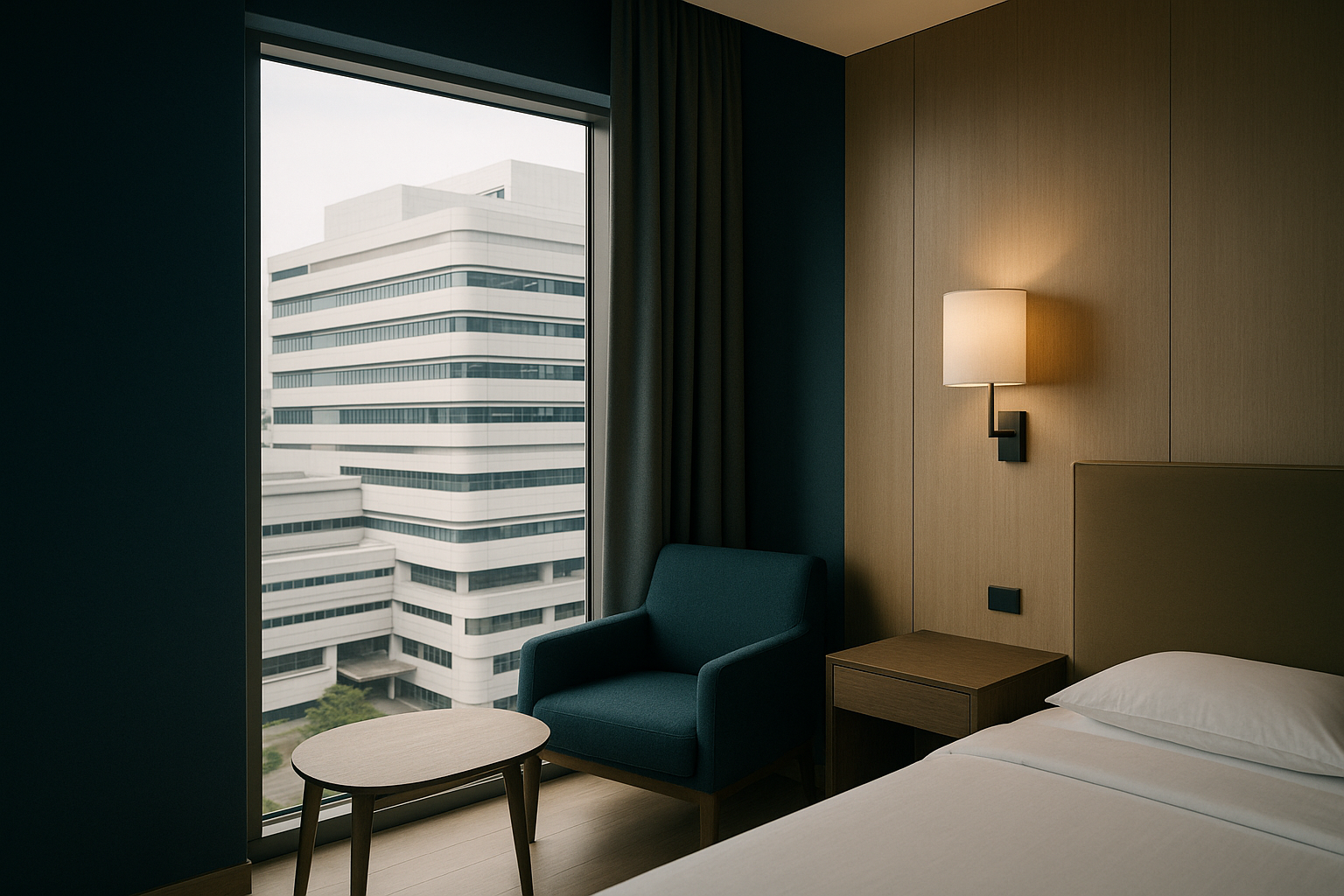
As medical tourism continues to grow, understanding the costs associated with it becomes crucial for prospective international patients. In 2026, Singapore is expected to remain a leading destination for medical tourism, known for its high-quality healthcare services and robust infrastructure. A significant part of planning a medical trip involves understanding the accommodation costs, which can vary widely depending on the type of service and location in Singapore.
What are the projected accommodation costs for medical tourists in Singapore in 2026?
In 2026, Singapore’s accommodation costs for medical tourists are anticipated to range from SGD 150 to SGD 500 per night. These rates are influenced by factors such as location, type of accommodation, and the amenities provided. Patients can choose from a variety of options including hotels, serviced apartments, and specialised medical accommodation facilities near hospitals. The diversity in accommodation types ensures that there are suitable options for different budgets and patient needs, making Singapore a versatile destination for medical tourism.
Luxury hotels in central areas, like the iconic Marina Bay, can command higher prices, often exceeding SGD 500 per night for premium services and amenities such as spa treatments, private transport services, and personalized dietary plans. These accommodations cater to those seeking a high level of comfort and convenience, often preferred by patients undergoing complex procedures who require a luxurious and restful environment. For instance, a patient recovering from a major surgery might benefit from the ease of access to 24-hour room service and wellness facilities offered by such establishments.
In contrast, budget-friendly options, such as hostels or basic hotel rooms, may offer rates closer to SGD 150 per night. These accommodations typically provide basic amenities and are suitable for those undergoing minor procedures or those on a tighter budget. It’s important for patients to consider their needs and preferences when selecting accommodation. For instance, a patient staying for a longer recovery period might prioritize access to kitchen facilities or proximity to healthcare providers over luxury amenities. Furthermore, proximity to public transport can also play a significant role in reducing overall costs, particularly for patients who need to travel frequently for follow-up appointments or additional treatments.
How do accommodation types affect costs for medical tourists?
The type of accommodation significantly impacts costs for medical tourists in Singapore. Options range from high-end hotels to more economical hostels and serviced apartments. Luxury hotels provide extensive amenities and services, which are ideal for those who prioritize comfort and convenience during their recovery. These accommodations often include on-site healthcare facilities, which can be a significant advantage for those needing regular medical attention or post-operative care. The presence of in-house medical staff or partnerships with nearby clinics can offer peace of mind for patients who may require immediate medical assistance.
Serviced apartments offer a middle ground, providing kitchen facilities and more space, which can be beneficial for longer stays. These typically cost between SGD 200 and SGD 350 per night. Serviced apartments are particularly popular among families or patients accompanied by caregivers, as they offer the flexibility of self-catering and the comfort of home-like settings. This option can significantly reduce meal costs and provide a comfortable environment for extended recovery periods. For example, a family accompanying a patient can benefit from the ability to prepare meals at their convenience, thereby saving on dining expenses.
Basic accommodations, such as budget hotels or hostels, can cost less but provide fewer conveniences. While these options might lack luxury amenities, they often provide essential services such as Wi-Fi and basic room service, making them a viable option for patients who prioritize cost savings. Choosing the right type of accommodation should be based on the patient’s medical needs, length of stay, and personal comfort preferences. For example, those needing frequent hospital visits might prioritize proximity over luxury. Additionally, patients should consider the availability of community services and support groups, which can be beneficial for emotional and practical support during recovery.
What role does location play in determining accommodation costs?
Location is a key determinant of accommodation costs in Singapore. Central locations, such as Orchard Road and Marina Bay, are more expensive due to their proximity to major hospitals and attractions. These areas can charge a premium due to their convenience and accessibility. Patients who opt to stay in these central locations can benefit from reduced travel time to medical facilities, which is crucial for those with limited mobility or who require frequent hospital visits. The ease of access to Singapore’s renowned shopping districts and cultural attractions can also provide a therapeutic environment for patients and their families.
In contrast, accommodations located in suburban areas like Jurong or Tampines might be more affordable, offering a quieter environment conducive to recovery. These areas offer more spacious accommodations at lower prices, which can be appealing for those staying longer or accompanied by family members. Furthermore, suburban accommodations may provide a more serene environment, reducing stress and aiding in recovery. The presence of parks and recreational areas in suburban districts can also offer opportunities for gentle exercise and relaxation.
Patients should weigh the benefits of staying closer to their treatment facilities against the potential cost savings of staying further afield. For instance, while staying in a suburban area might save money on accommodation, the additional costs and time spent on transportation should be considered. Patients should also evaluate the availability of nearby amenities, such as pharmacies, grocery stores, and dining options, to ensure their needs are met during their stay. The strategic planning of daily schedules, incorporating travel time and convenience, can further optimize the overall experience and comfort during their medical trip.
How can medical tourists budget for accommodation costs in Singapore?
Budgeting for accommodation is a crucial step in planning a medical trip to Singapore. Patients should start by researching various accommodation types and their associated costs. Booking in advance can often secure better rates, and looking for packages that include meals or transportation can provide additional savings. Patients should also consider the length of their stay and potential discounts for long-term bookings. Implementing a detailed budget plan that considers all potential costs, including unexpected expenses, can help manage financial resources effectively.
- Consider off-peak travel dates to take advantage of lower prices.
- Utilise online booking platforms to compare prices and read reviews.
- Inquire about long-stay discounts if planning an extended visit.
- Investigate options for shared accommodations or group bookings for additional savings.
- Explore loyalty programs or membership discounts that might apply to frequent travelers.
By carefully planning and budgeting, patients can find accommodations that suit both their needs and financial constraints. It’s advisable to set a clear budget for accommodation early in the planning process and to allocate a contingency fund for unexpected expenses. Additionally, consulting with a medical tourism facilitator can provide insights into reliable accommodation options and potential discounts. These facilitators often have extensive knowledge of the local market and can assist in securing the best deals while ensuring that accommodations meet the patient’s specific requirements.
Why is understanding accreditation important when choosing accommodations?
Accreditation plays a vital role in ensuring the quality and safety of healthcare and related services. In Singapore, many accommodations near medical facilities are part of accredited networks, which adhere to high standards of hygiene and service. Accreditation by recognized bodies ensures that the accommodation meets specific standards in areas like cleanliness, safety, and service, which are crucial for patients who need to ensure a hygienic environment during their recovery. The assurance of quality standards provided by accreditation can significantly enhance the patient’s overall experience and recovery process.
Patients should inquire about the accreditation status of their chosen accommodations. Accredited facilities often provide peace of mind through their commitment to maintaining quality and safety, which is particularly important for those recovering from medical procedures. Accreditation can also be an indicator of the facility’s ability to handle emergencies and provide additional support services, such as access to emergency medical care or transportation to nearby hospitals. This level of preparedness and support can be crucial for patients who might face unforeseen medical complications.
When choosing accommodations, it’s advisable to check for certifications from local health authorities or international organizations that specialize in healthcare accreditation. This can be done through direct inquiry with the accommodation provider or by consulting online resources and reviews. Knowing that their accommodation adheres to stringent standards can help patients focus on recovery rather than worrying about external factors. Additionally, understanding the scope of services and support offered by accredited facilities can aid in making more informed decisions regarding accommodation selection.
What additional factors should be considered when planning a medical trip to Singapore?
Aside from accommodation costs, patients should consider other logistical aspects of their medical trip to Singapore. These include travel insurance, transportation within the city, and potential additional medical costs. Comprehensive planning can help mitigate unforeseen expenses and ensure a smooth experience. A thorough understanding of the healthcare system and available resources can also enhance the overall effectiveness of the medical trip.
Having comprehensive travel insurance that covers medical procedures can provide financial protection. This insurance should cover not only the medical procedures but also any potential complications that may arise, including additional recovery time in Singapore. Patients should review their insurance policies to understand what is covered and consider purchasing supplementary insurance if necessary. Ensuring adequate insurance coverage can alleviate financial stress and provide peace of mind during the medical journey.
Understanding the city’s public transportation system or arranging private transfers can aid in smooth navigation. Singapore’s efficient public transport system, including MRT and bus services, offers affordable and convenient travel options, while private car services can provide personalized and comfortable travel, especially for patients with mobility issues. Additionally, patients should budget for potential follow-up visits or unexpected medical expenses, as these can significantly impact the overall cost of the trip. Planning for these logistical elements can facilitate a more comfortable and efficient experience during the medical stay.
By considering these factors in advance, medical tourists can ensure a well-planned and stress-free trip, allowing them to focus on their recovery and treatment outcomes. Consulting with a medical tourism agency might also provide additional insights and support, helping patients navigate the complexities of traveling for healthcare. These agencies often offer comprehensive services that include visa assistance, healthcare coordination, and post-treatment support, ensuring a seamless and supportive experience throughout the patient’s journey.
Conclusion
Planning for medical tourism in Singapore involves careful consideration of accommodation costs and other logistical factors. By understanding the expected costs and making informed decisions, prospective patients can ensure a comfortable and successful healthcare journey. Singapore’s commitment to quality and safety continues to make it a top choice for medical tourists worldwide. The strategic planning and selection of appropriate accommodations, coupled with adequate logistical arrangements, can significantly enhance the overall experience and success of the medical trip.
Proven result
23× monthly patients from the UK market in six years
Multi-specialty medical travel company (hair, plastic & bariatric surgery)
Frequently asked questions
What types of accommodation are available for medical tourists in Singapore?
Medical tourists can choose from luxury hotels, serviced apartments, and budget-friendly hotels or hostels, each offering varying levels of comfort and amenities.
How can I save on accommodation costs during my medical trip to Singapore?
Booking in advance, travelling during off-peak times, and looking for package deals that include meals or transportation can help reduce costs.
Are accommodations near hospitals in Singapore more expensive?
Yes, accommodations closer to central hospitals tend to be more expensive due to their convenience and accessibility.
Do accommodations in Singapore offer medical support services?
Some accommodations near medical facilities offer support services such as transport to hospitals and in-room medical care, especially in serviced or specialised apartments.
Related guides

Where is the World’s Best IVF Clinic Located?
Quick answerThe best IVF clinic in the world is often debated, with top contenders in the US and…

Understanding MTA’s Role in Medical Tourism
Quick answerMTA plays a pivotal role in medical tourism by facilitating patient choices through surveys, ensuring safety standards,…

Top Destinations for Medical Tourism: A Patient’s Guide
Quick answerMedical tourism countries offer high-quality healthcare at competitive prices. Key destinations include India, Thailand, and Costa Rica,…