

The concept of traveling doctors is gaining momentum, with more patients opting for medical treatment abroad. This trend is driven by the availability of advanced healthcare services at competitive costs.
Why Are Traveling Doctors in Demand?
The demand for traveling doctors has surged due to the globalization of healthcare, which has made medical knowledge and expertise more accessible across borders. Patients are increasingly seeking specialized treatments that might not be readily available or affordable in their home countries. For instance, a patient requiring a rare orthopedic surgery might find more experienced surgeons and better technology in another country, making the option of traveling doctors highly appealing. In addition, patients with chronic conditions such as certain types of cancer or autoimmune diseases may find that innovative treatments are only available in specific international centers that have the necessary infrastructure and expertise.
Furthermore, as healthcare systems become more interconnected, patients benefit from a wider pool of experts. This means that instead of being limited to the specialists within their local healthcare system, patients can now choose from a global roster of top-tier professionals, ensuring they receive the best possible care. This is especially crucial for complex cases where a second or third opinion might significantly alter treatment outcomes. For example, a patient diagnosed with a rare neurological disorder might seek out a traveling neurologist who specializes in cutting-edge treatments, thus increasing their chances of a positive prognosis.
Moreover, the rise in medical tourism is a testament to the trust patients place in international healthcare providers. These experts often hail from countries renowned for their medical advancements, such as Germany for orthopedic procedures or South Korea for plastic surgery, offering peace of mind to those seeking treatment abroad. Patients are reassured by the high standards of care and the successful treatment histories of these traveling doctors. Additionally, the cultural competence and multilingual abilities of these doctors can significantly enhance the patient experience, providing comfort and reducing anxiety through clear communication.
Cost-effective care is another significant factor. Patients often find that the total expenses, including travel, are lower than the treatment costs in their home country. For example, a heart bypass surgery that might cost upwards of $100,000 in the United States can be performed for as little as $15,000 in countries like India or Thailand. This economic advantage is a strong motivator for choosing traveling doctors, especially for uninsured or underinsured patients. Furthermore, some countries offer medical packages that include postoperative care and rehabilitation, adding further appeal to the overall cost savings.
What Are the Benefits of Medical Tourism?
Medical tourism offers several benefits, including access to state-of-the-art medical facilities that boast the latest technology and equipment. Many hospitals abroad are equipped with advanced diagnostic tools and surgical devices that are not yet available in all domestic hospitals. This access ensures that patients receive cutting-edge treatments that are both efficient and effective. For instance, proton therapy, a precise form of radiation treatment for cancer patients, is more readily available in countries like Japan and Germany, offering patients an alternative to traditional radiation therapy.
Patients can choose from a variety of treatments ranging from elective surgeries, such as cosmetic procedures, to critical interventions, like cardiac surgeries or cancer treatments. The ability to select from a broad spectrum of medical services allows patients to tailor their healthcare journey according to their specific needs and preferences. For instance, a patient might travel to a renowned clinic in Brazil for a unique form of cancer treatment not offered elsewhere. This flexibility is particularly beneficial for patients with rare conditions who may not have many treatment options available domestically.
Another advantage of medical tourism is the shorter wait times. In many countries, patients face long waiting periods for procedures, sometimes extending to several months. Medical tourism allows them to bypass these delays and receive timely care, which can be crucial for conditions where time is of the essence. For example, a patient in Canada might wait up to a year for a knee replacement, whereas traveling to a country like India could reduce the wait to a few weeks. This expedited treatment process not only alleviates physical discomfort but also reduces the psychological stress associated with prolonged health issues.
Additionally, medical tourists often enjoy a holistic healthcare experience, combining treatment with recuperation in a serene environment, which can aid in faster recovery. Countries like Costa Rica offer medical tourists the chance to recover in tranquil settings that promote healing, such as lush rainforests or pristine beaches. This integration of healing and leisure can lead to improved outcomes and a more positive healthcare journey. Furthermore, many medical tourism destinations offer wellness programs that include activities like yoga, meditation, and nutritional counseling to support comprehensive healing.
How to Plan for Treatment Abroad
Planning for treatment abroad requires careful research and preparation to ensure a smooth and successful healthcare journey. Firstly, patients should identify the right destination and medical provider by conducting thorough research. This includes reviewing the qualifications and experience of the traveling doctors, as well as the accreditation status of the hospital or clinic they are considering. It’s advisable to check for certifications from international medical boards and reviews from previous patients to gauge the quality of care. Additionally, evaluating the facility’s track record with the specific procedure of interest can provide insights into expected outcomes.
Another crucial step is understanding the legal aspects of receiving treatment in another country. This includes reviewing visa requirements, as some countries might require medical visas for treatment purposes, and understanding any potential language barriers. Patients should arrange for translation services if needed, to ensure clear communication with healthcare providers, which is vital for informed consent and understanding treatment plans. Some medical tourism agencies provide language support as part of their services, which can be invaluable for non-native speakers.
Patients should also have a clear understanding of the total costs involved, including travel, accommodation, and post-operative care. This involves creating a detailed budget that accounts for all potential expenses, from airfare and lodging to daily living costs and any follow-up care that might be necessary. It’s important to include a contingency fund for unexpected expenses, such as additional medical needs or extended stays due to recovery complications. Comparing costs across several providers and destinations can also help in identifying the most cost-effective option.
Finally, arranging for post-treatment follow-up is essential. Patients should plan for how they will receive care once they return home, including coordinating with their local healthcare provider to ensure a seamless transition in their ongoing medical care. This might involve transferring medical records or arranging for telemedicine consultations with the doctors who provided the initial treatment abroad. Establishing a clear communication plan with both local and international providers can help in managing any potential complications or questions during the recovery phase.
Understanding the Costs Involved
The cost of treatment abroad can vary significantly based on the chosen destination and the type of procedure. However, patients often find that they can receive high-quality care at a fraction of the cost compared to their home country. For example, dental procedures in Mexico can cost up to 70% less than in the United States, making it a popular destination for Americans seeking affordable dental work. These savings often include not just the treatment itself but also associated costs like anesthesia and hospital fees, which can be a significant portion of the total bill.
- Procedure costs: These are often lower due to the economic differences between countries. For instance, a hip replacement might cost $40,000 in the U.S., but only $10,000 in a country like India, including the cost of surgery, hospital stay, and rehabilitation. Patients should also consider the package deals some hospitals offer, which can bundle various services at a reduced rate, making it even more economical.
- Travel expenses: These include flights, visas, and insurance. It’s important to shop around for the best deals on flights and consider the cost of travel insurance, which is crucial for covering unexpected medical issues abroad. Some countries provide incentives for medical travelers, such as discounted rates on airfare or accommodations, which can further reduce overall costs.
- Accommodation: Costs can vary depending on the length of stay and the chosen accommodation type. Patients might opt for hospital accommodations, serviced apartments, or hotels, each offering different levels of comfort and pricing. Some medical facilities offer package deals that include accommodation, which can be a cost-effective option. Staying in a facility-provided accommodation can also offer the benefit of quick access to medical care if needed.
Patients should carefully budget for these expenses and consider any additional costs that might arise during their stay, such as daily living expenses or excursions if they choose to combine their medical trip with leisure activities. It’s also wise to plan for potential currency fluctuations, which can impact overall costs. Using a prepaid travel card or exchanging currency in advance can help mitigate some of these financial uncertainties.
Are Traveling Doctors Safe?
Safety is a paramount concern for patients considering treatment abroad, and ensuring the choice of the right healthcare providers is crucial. It’s essential to choose accredited facilities and experienced doctors, as accreditation from international bodies ensures that the healthcare provider meets specific quality standards. Bodies like the Joint Commission International (JCI) provide accreditation to hospitals that adhere to rigorous international healthcare standards. This accreditation is often an assurance of quality, as it indicates that the facility has met stringent criteria in areas such as patient care, hygiene, and safety protocols.
Patients should also look for certifications from recognized medical boards that demonstrate the doctor’s expertise and commitment to maintaining high standards of care. These certifications indicate that the doctor has undergone extensive training and continues to engage in professional development to stay abreast of the latest medical advancements. Furthermore, many traveling doctors participate in international medical forums and conferences, showcasing their dedication to continuous learning and improvement.
Seeking testimonials and reviews from previous patients can provide invaluable insights into the safety and quality of the care provided by traveling doctors. Online patient forums and reviews on medical tourism websites can offer firsthand accounts of the experiences of others, helping prospective patients make informed decisions. Additionally, contacting the hospital or clinic directly to ask specific questions about their safety protocols can further reassure patients about their choice. Inquiring about infection control measures, post-operative care, and emergency response procedures can be particularly telling of a facility’s commitment to patient safety.
Finally, understanding the post-operative care and follow-up procedures offered by the chosen facility is crucial. Patients should ensure that there is a clear plan for managing any potential complications and that they have access to support services during their recovery period, both abroad and after returning home. This might include arranging for follow-up consultations via telemedicine or establishing a direct line of communication with the healthcare team abroad to address any concerns that arise post-treatment.
Why More People Are Traveling Abroad for Plastic Surgery
The popularity of traveling abroad for plastic surgery is on the rise, driven by a combination of factors that make it an attractive option for many patients. One of the key motivations is the opportunity to combine cosmetic procedures with a relaxing getaway, offering both physical and mental rejuvenation. This appeals to patients who wish to recover in privacy away from their usual environment and enjoy a holiday atmosphere during their recuperation period. The idea of a vacation that doubles as a medical trip is particularly appealing in destinations like Thailand and Brazil, where recovery can take place in luxurious resorts.
Cost is a significant factor driving this trend, as plastic surgery procedures can be prohibitively expensive in some countries. For instance, a facelift in the United States might cost $12,000, whereas the same procedure might be available in Turkey for $3,000. These cost savings make it feasible for patients to undergo multiple procedures during a single trip, thereby maximizing their aesthetic transformation. Additionally, the competitive pricing in these countries often includes comprehensive care packages that cover pre-surgery consultations, post-surgery follow-ups, and accommodation, further enhancing the value proposition.
Furthermore, the expertise of doctors in countries known for specific cosmetic procedures attracts patients from around the globe. For example, South Korea is recognized for its advanced techniques in facial surgeries, while Brazil is renowned for its body contouring procedures. Patients are drawn to these destinations to benefit from the specialist skills and high success rates of the local surgeons, ensuring they receive the best possible results. These surgeons often have international training and are at the forefront of cosmetic innovation, offering techniques and procedures not yet widely available elsewhere.
Ultimately, the decision to seek treatment abroad should be well-informed, with careful consideration of all factors involved. Patients should thoroughly research potential surgeons and facilities, evaluate the risks and benefits, and plan their trip meticulously to ensure a positive and safe outcome. Engaging with reputable medical tourism agencies can also help streamline the process, providing guidance and support throughout the journey. These agencies often have established relationships with top medical providers and can assist with everything from travel arrangements to post-surgery care coordination.
Conclusion
The rise of traveling doctors offers patients an opportunity for high-quality, cost-effective medical care. By understanding the benefits, costs, and safety considerations, patients can make informed decisions about their healthcare journeys. With the right planning and research, medical tourism can offer a viable alternative for patients seeking access to specialized treatments and expert care not available in their home countries. Ultimately, this trend not only broadens the horizons for patients but also fosters a global exchange of medical expertise, leading to advancements in healthcare worldwide.
Proven result
8× US patient volume since 2024
Plastic & aesthetic surgery clinic
Frequently asked questions
What motivates patients to seek treatment from traveling doctors?
Patients are often motivated by cost savings, access to specialized procedures, and shorter wait times.
Is medical tourism safe for international patients?
Yes, provided that patients choose accredited facilities and experienced doctors, medical tourism can be safe and effective.
How should patients budget for treatment abroad?
Patients should consider all expenses, including procedure costs, travel, accommodation, and post-operative care, to avoid unexpected costs.
What are the legal requirements for receiving treatment abroad?
Legal requirements vary by country, but typically include obtaining a visa and understanding local healthcare laws.
Why is plastic surgery abroad becoming increasingly popular?
Plastic surgery abroad is popular due to cost savings, expert care, and the opportunity to combine surgery with a relaxing holiday.
Related guides

Healthcare Content Compliance Guide for Growth
A high-performing treatment page can generate international patient inquiries within hours. It can also create material risk if…
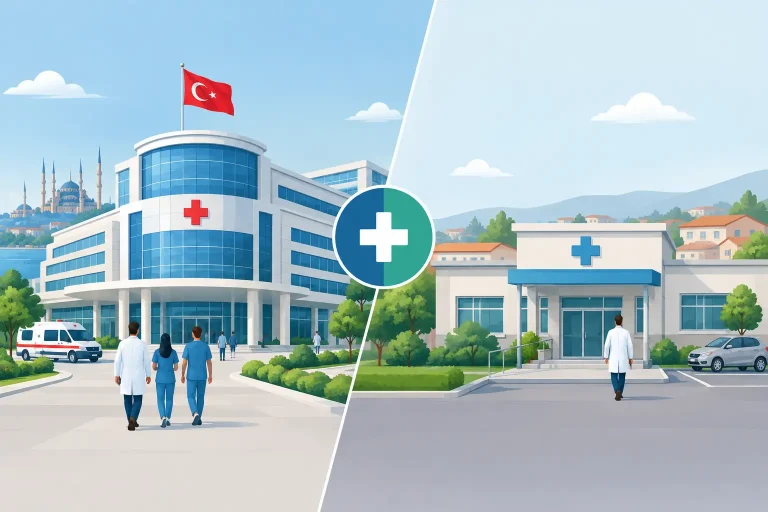
Turkey Hospitals vs Local Hospitals Compared
A lower procedure quote can get a patient’s attention. It should not make the decision on its own.…

Patient Experience That Drives Trust and Growth
A patient who has already uploaded medical records, compared providers, and arranged time away from work is not…