
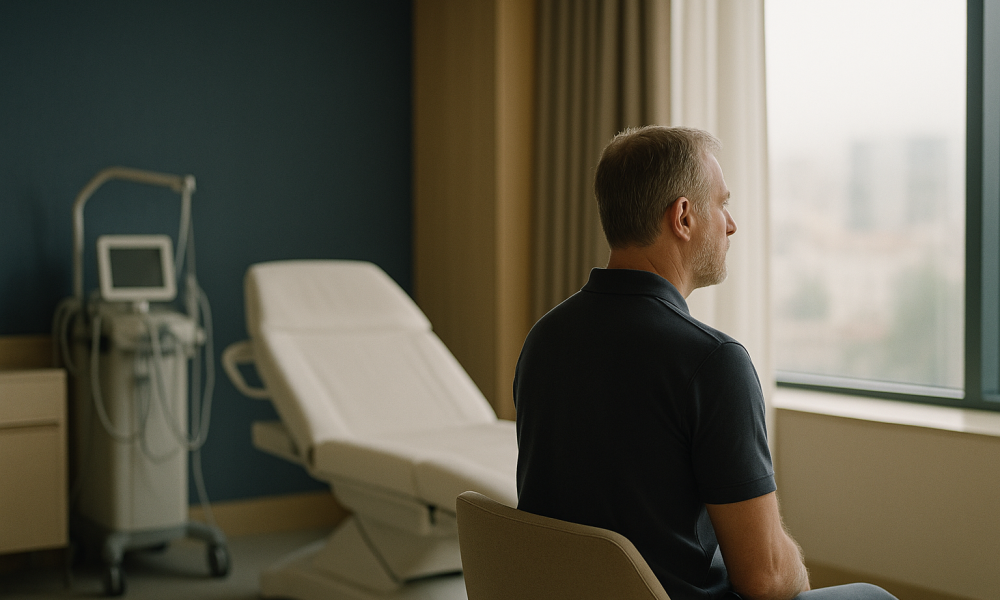
What 360 Liposuction is and who it is for
360 Liposuction, also known as circumferential liposuction or lipo 360, is a comprehensive fat removal procedure designed to sculpt and contour the body. Unlike traditional liposuction, which targets specific areas, 360 Liposuction addresses the entire midsection, including the abdomen, flanks, back, and sometimes the thighs. This approach ensures a balanced and harmonious look by treating the body as a whole.
The procedure typically involves the use of a tumescent solution, which is injected into the targeted areas to numb the site, reduce bleeding, and make fat removal easier. A cannula, a thin tube, is then inserted through small incisions to suction out the unwanted fat. Depending on the amount of fat to be removed and the areas treated, 360 Liposuction can take anywhere from three to five hours.
360 Liposuction is often sought after by individuals looking to achieve a more defined waistline and smoother body contours. It is particularly beneficial for individuals who have achieved significant weight loss but are left with stubborn pockets of fat that do not respond to diet and exercise. The procedure is also popular among those looking to enhance their body shape postpartum.
In Turkey, 360 Liposuction is performed by highly skilled surgeons using advanced techniques and technology. The country is known for its well-equipped medical facilities and cost-effective healthcare solutions, making it an attractive destination for international patients. While the typical cost range for this procedure in Turkey is between £2,500 and £4,000, this is indicative and can vary based on the complexity of the surgery and the specific clinic or hospital.
Are you a good candidate?
Determining if you are a good candidate for 360 Liposuction involves understanding both the medical and personal criteria that contribute to successful outcomes. This procedure is not a weight-loss solution but rather a body contouring method intended for individuals who are close to their ideal weight but struggle with localized fat deposits.
Here is a checklist to help you assess your candidacy for 360 Liposuction:
- Stable weight: You should be at or near your ideal weight, with a stable weight for at least six months.
- Good skin elasticity: Skin should be firm and elastic enough to adapt to new body contours post-surgery.
- Overall good health: Candidates should be in good general health, with no underlying conditions that could complicate surgery or recovery.
- Nonsmoker: Smoking can impede healing and increase the risk of complications, so non-smokers are preferred.
- Realistic expectations: Understanding the limitations of the procedure and having realistic goals about the outcomes is crucial.
- Commitment to a healthy lifestyle: Maintaining a healthy diet and regular exercise routine post-surgery is essential for long-lasting results.
- Consultation readiness: Willingness to engage in a detailed consultation with a qualified surgeon to discuss goals, options, and potential risks.
360 Liposuction is generally suitable for those who meet these criteria, but it is essential to have a thorough consultation with a board-certified plastic surgeon. During this consultation, the surgeon will evaluate your medical history, discuss your goals, and help you understand the potential risks and benefits of the procedure. This personalised approach ensures that you make an informed decision about whether 360 Liposuction is right for you.
The procedure, step by step
Undergoing 360 liposuction in Turkey involves a series of carefully orchestrated steps, ensuring patient safety and optimal results. The procedure is typically performed under general anaesthesia and can last between 2 to 5 hours, depending on the areas being treated and the amount of fat being removed.
- Initial Consultation: The process begins with a thorough consultation, either virtually or in person. During this session, the surgeon evaluates the patient’s medical history, discusses goals, and explains the procedure, including potential risks and realistic outcomes. A personalised treatment plan is developed.
- Pre-operative Assessment: On the day of surgery, a pre-operative assessment is conducted. This includes physical examinations, blood tests, and possibly imaging studies. The patient’s vital signs are checked, and the surgical plan is finalised.
- Marking the Treatment Areas: The surgeon marks the specific areas on the patient’s body where fat removal is planned. These markings are crucial as they guide the surgeon during the procedure, ensuring symmetry and achieving the desired contour.
- Anaesthesia: General anaesthesia is administered by an anaesthetist, ensuring the patient is comfortable and pain-free throughout the procedure. In some cases, local anaesthesia with sedation may be used, depending on the patient’s health and the extent of the surgery.
- Incision and Tumescent Solution Injection: Small incisions, typically 3-5 mm in size, are made in discreet locations around the treatment areas. A tumescent solution, which contains a mixture of saline, lidocaine, and epinephrine, is injected to numb the area, reduce bleeding, and facilitate fat removal.
- Fat Removal: Using a cannula, the surgeon gently breaks up and suctions out the excess fat. The cannula is moved back and forth in a controlled manner to ensure even fat removal and a smooth contour. The 360-degree approach targets the abdomen, flanks, back, and sometimes the thighs, providing a balanced look.
- Incision Closure: Once the desired amount of fat is removed, the incisions are either left open to drain or closed with sutures. Small bandages or compression garments are applied to minimise swelling and support the new body contours during recovery.
- Post-operative Care: After surgery, the patient is monitored in a recovery area until the effects of anaesthesia wear off. Pain management medications and antibiotics are typically prescribed to prevent infection and manage discomfort.
The procedure is complex and requires a skilled surgeon to achieve optimal results while minimising risks. Patients should ensure their chosen clinic meets international standards and that the surgical team is experienced in 360 liposuction.
Recovery timeline
Recovery from 360 liposuction varies among individuals, but understanding the typical timeline can help set realistic expectations. The following table outlines the general recovery stages and care instructions from day 1 to full recovery.
| Period | What to expect | Care notes |
|---|---|---|
| Day 1-3 | Swelling, bruising, and discomfort are common. Patients may feel groggy from anaesthesia. | Rest is crucial. Use prescribed pain relief and antibiotics. Keep incisions clean and dry. Wear compression garments as instructed. |
| Week 1 | Initial swelling begins to subside. Mobility improves but should remain limited. | Avoid strenuous activities. Short walks are encouraged to promote circulation. Continue wearing compression garments. |
| Week 2-3 | Bruising fades, and swelling decreases further. Some patients may return to work if the job is not physically demanding. | Follow-up appointments are essential for monitoring progress. Gradually increase activity levels as advised by the surgeon. |
| Month 1 | Significant reduction in swelling. The body begins to adapt to its new contours. | Continue wearing compression garments. Engage in light exercises, avoiding any high-impact activities. |
| Month 2-3 | Most swelling should have resolved. Final results start to become more apparent. | Patients can return to normal activities, but should still avoid heavy lifting or intense workouts. |
| Month 6 | Complete healing is typically achieved, with full results visible. | Maintain a healthy lifestyle to preserve results. Regular check-ups are recommended to ensure ongoing health. |
Every patient’s recovery experience is unique, and timelines can vary. Close communication with the healthcare provider is vital for addressing concerns and ensuring a smooth recovery process.
What it costs: Turkey vs the UK, Europe and North America
When considering 360 liposuction, cost is a significant factor for many prospective patients. Turkey has emerged as a popular destination for this procedure, offering competitive pricing compared to the UK, Europe, and North America. However, it is essential to understand what these costs typically include and how they compare across different regions.
Below is a table comparing indicative price ranges for 360 liposuction in Turkey, the UK, Europe, and North America. These figures are intended as a general guide and actual prices can vary based on factors such as the complexity of the procedure, the specific clinic, and the qualifications of the surgeon.
| Region | Indicative Price Range (GBP) | Typical Inclusions |
|---|---|---|
| Turkey | £3,000 – £4,500 |
|
| UK | £6,000 – £9,000 |
|
| Europe | £5,500 – £8,000 |
|
| North America | £7,000 – £10,000 |
|
It is clear from the table that Turkey offers a more cost-effective option for 360 liposuction, often including additional services such as accommodation and airport transfers, which are not typically covered in Western countries. This can make Turkey an attractive option for those seeking comprehensive care at a lower cost.
Risks and how accredited providers manage them
Undergoing any surgical procedure, including 360 liposuction, involves certain risks. It is crucial for prospective patients to be aware of these risks and understand how accredited providers in Turkey manage them to ensure patient safety.
Common risks associated with 360 liposuction include infections, bleeding, asymmetry, changes in skin sensation, and contour irregularities. More serious, albeit rare, complications can include fat embolism, deep vein thrombosis, and issues related to anaesthesia. Accredited providers in Turkey employ several strategies to mitigate these risks and enhance patient safety.
Firstly, accredited clinics in Turkey adhere to stringent sanitation protocols to minimise the risk of infection. This includes sterilisation of surgical instruments and maintaining a sterile environment in operating rooms. These clinics often follow international standards, further reducing the likelihood of post-operative infections.
Pre-operative assessments are a critical component of risk management. Patients undergo thorough evaluations to determine their suitability for surgery. This includes a detailed medical history review, physical examinations, and necessary laboratory tests. Such assessments help in identifying potential risk factors and tailoring the surgical approach to each patient’s unique needs.
Accredited providers also prioritise the use of advanced technology and techniques. Many clinics invest in state-of-the-art equipment, which allows for more precise fat removal and improved outcomes. Surgeons are often highly trained and experienced in performing 360 liposuction, reducing the likelihood of complications related to surgical technique.
Post-operative care is another area where accredited providers excel. Patients receive comprehensive aftercare instructions and follow-up appointments to monitor their recovery. This continuous care helps in the early detection and management of any complications that may arise, ensuring a smoother recovery process.
Furthermore, many clinics offer 24/7 patient support lines, enabling patients to contact healthcare professionals with any concerns or questions during their recovery period. This level of support can be reassuring for international patients who may be far from home.
Lastly, before choosing a clinic, it is advisable for patients to verify the accreditation and credentials of the provider. Many reputable clinics in Turkey are accredited by international bodies such as the Joint Commission International (JCI), which ensures compliance with global healthcare standards. Patients should look for these accreditations as a mark of quality and safety.
In conclusion, while 360 liposuction carries inherent risks, accredited providers in Turkey implement comprehensive measures to manage these effectively. By selecting a reputable clinic, patients can significantly mitigate risks and enhance the likelihood of a successful outcome.
How to choose the right provider
Choosing the right provider for your 360 liposuction in Turkey is a critical step in ensuring a positive experience and satisfactory results. An essential starting point is verifying the accreditation of the clinic or hospital. Look for facilities that are accredited by international organisations such as the Joint Commission International (JCI) or the European Foundation for Quality Management (EFQM). These accreditations indicate that the facility adheres to rigorous international healthcare standards.
The experience and qualifications of the surgeon are equally important. Ensure that the surgeon is board-certified in plastic surgery and has specific experience in performing 360 liposuction. It’s advisable to request before-and-after photos of previous patients and, if possible, speak to former patients. A surgeon with a minimum of 5 to 10 years of experience in the procedure can be a good benchmark. Additionally, consider the surgeon’s affiliations with national and international professional bodies, such as the International Society of Aesthetic Plastic Surgery (ISAPS).
Aftercare is another crucial factor. Comprehensive aftercare services should include post-operative consultations, follow-up visits, and emergency contacts. The clinic should provide clear guidelines on recovery, including managing pain, recognising potential complications, and resuming daily activities. The availability of a translator or multilingual staff can also enhance your comfort and understanding during the recovery process.
Be vigilant for red flags when choosing a provider. Avoid clinics that offer significantly lower prices than the typical range of £2,500 to £5,000, as this may indicate compromised quality. Be cautious of providers that promise guaranteed outcomes, as no medical procedure can offer absolute certainty. Additionally, if a clinic pressures you into making a quick decision or is unwilling to answer your questions in detail, consider it a warning sign.
In summary, thorough research and careful consideration of accreditation, surgeon experience, comprehensive aftercare, and awareness of red flags are vital in choosing the right provider for your 360 liposuction in Turkey.
Planning your trip
Planning your trip for 360 liposuction in Turkey involves several logistical considerations to ensure a smooth experience. Start by establishing a timeline well in advance of your planned procedure date. Ideally, initiate contact with your chosen clinic at least three to six months prior to your desired surgery date. This allows ample time for consultations, arranging travel, and obtaining necessary documents.
Ensure your passport is valid for at least six months beyond your planned stay. Depending on your nationality, you may need a visa to enter Turkey, which can often be obtained electronically. Check with your clinic regarding any specific medical documents required, such as recent medical history or laboratory tests.
The typical length of stay in Turkey for 360 liposuction can range from one to two weeks. This duration includes pre-operative consultations, the day of surgery, and initial recovery. Plan to arrive at least two days before the procedure for consultations and any necessary pre-operative tests. Post-surgery, you will typically need to stay in Turkey for a few days to a week for follow-up appointments and to ensure there are no immediate complications.
Consider the type of accommodation that will best suit your needs during recovery. Some patients prefer staying in a hotel, while others opt for specialised recovery homes that offer medical support. Discuss with your clinic if they have partnerships with local accommodations that can provide a comfortable post-operative environment.
After returning home, arrange for follow-up care with a local healthcare provider familiar with post-liposuction care. Ensure you have all necessary medical records and a clear understanding of post-operative instructions to facilitate your recovery. It’s advisable to have a support network at home as well, in case you need assistance with daily activities during the initial recovery phase.
Overall, careful planning of your trip, from documentation to accommodation and follow-up care, is essential for a successful 360 liposuction experience in Turkey.
Frequently Asked Questions
What is the typical cost of 360 liposuction in Turkey?
The cost of 360 liposuction in Turkey typically ranges from £2,500 to £5,000. This range can vary based on factors such as the clinic's location, the surgeon's experience, and the specific needs of the patient. It's important to ensure that the quoted price includes all relevant fees, such as anaesthesia, facility costs, and post-operative care, to avoid unexpected expenses.
How do I know if a clinic is accredited?
To verify if a clinic is accredited, look for accreditations from recognised international organisations such as the Joint Commission International (JCI) or the European Foundation for Quality Management (EFQM). These accreditations signify that the clinic meets high international standards in healthcare. You can usually find this information on the clinic's website or by directly contacting them for verification.
What should I expect during the recovery period?
Recovery from 360 liposuction varies by individual but generally involves swelling, bruising, and mild discomfort for the first few weeks. Most patients can return to light activities within 7 to 10 days, but it's advisable to avoid strenuous activities for at least 4 to 6 weeks. Follow your surgeon’s specific post-operative instructions for optimal recovery and attend all scheduled follow-up appointments.
Is 360 liposuction safe?
360 liposuction is generally safe when performed by a qualified and experienced surgeon in a reputable facility. As with any surgical procedure, there are risks involved, such as infection, bleeding, or adverse reactions to anaesthesia. Ensure your provider discusses all potential risks and complications with you before the procedure, and follow all pre- and post-operative care instructions carefully.
How can I verify a surgeon's experience?
To verify a surgeon's experience, check if they are board-certified in plastic surgery and have extensive experience specifically in 360 liposuction. Request before-and-after photos of past patients and testimonials. You can also ask if they are affiliated with professional bodies like the International Society of Aesthetic Plastic Surgery (ISAPS), which can further indicate their credibility.
What are the red flags when choosing a provider?
Red flags include clinics offering prices significantly below the typical range, promises of guaranteed outcomes, and pressure to make quick decisions. Additionally, a lack of transparency about the surgeon’s qualifications, reluctance to answer questions, or absence of comprehensive aftercare services are warning signs. Always conduct thorough research before making a decision.
How long do I need to stay in Turkey for the procedure?
For 360 liposuction, you should plan to stay in Turkey for approximately one to two weeks. This includes time for pre-operative consultations, the procedure itself, and initial recovery. Arriving a few days before your surgery allows for necessary consultations and tests, while staying afterward ensures you can attend follow-up appointments and manage any immediate recovery needs.
What documents do I need for the procedure?
You will need a valid passport with at least six months remaining, and depending on your nationality, possibly a visa. Consult with your clinic about any required medical documents, such as recent health records or test results. Having comprehensive travel insurance that covers medical procedures is also advisable.
Can I travel alone for the surgery?
While it is possible to travel alone for 360 liposuction, it is often recommended to bring a companion. Having someone with you can provide emotional support, assist with post-operative care, and help manage logistics. If you travel alone, ensure your accommodation offers adequate support services, especially during the initial recovery period.
What should I pack for my trip?
Pack comfortable clothing that is easy to put on and take off, as you may have limited mobility post-surgery. Include any prescribed medications, personal hygiene items, and compression garments if advised by your surgeon. Don't forget important documents such as your passport, visa, and medical records. A travel pillow and entertainment items like books or electronic devices can also be helpful during recovery.
Will I need follow-up care once I return home?
Yes, follow-up care is an essential part of the recovery process after 360 liposuction. Arrange for a local healthcare provider familiar with post-liposuction care to monitor your recovery. Ensure you have all your medical records and a clear understanding of the recovery guidelines provided by your Turkish surgeon to facilitate smooth follow-up care at home.
How soon can I return to work after the surgery?
Most patients can return to light work duties within 7 to 10 days post-surgery, depending on their personal recovery and job requirements. However, if your job involves physical labour, you may need to take additional time off. Consult with your surgeon to get personalised advice based on your specific situation and recovery progress.