
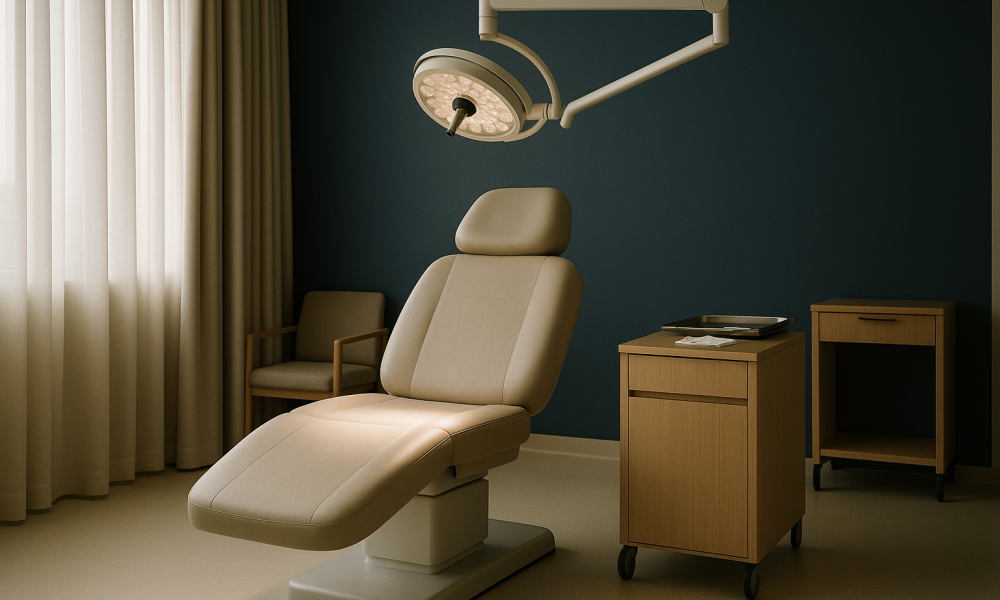
What Beard Transplant is and who it is for
A beard transplant is a cosmetic procedure designed to address patchy or thin facial hair by transplanting hair follicles from a donor area, typically the back of the scalp, to the beard area. This procedure is popular among men who desire a fuller, more defined beard but struggle with natural hair growth due to genetics, hormonal factors, or previous trauma to the facial area.
The procedure involves two main techniques: Follicular Unit Extraction (FUE) and Follicular Unit Transplantation (FUT). FUE is the more commonly used method, where individual hair follicles are extracted and implanted into the desired area. This technique is minimally invasive and leaves tiny, barely noticeable scars. FUT, on the other hand, involves removing a strip of skin with hair follicles, which is then dissected into individual units for transplantation. While FUT may offer a higher yield of grafts in a single session, it can result in a linear scar at the donor site.
Men opt for beard transplants for various reasons, including enhancing facial aesthetics, boosting self-confidence, and achieving a specific style or look. It is particularly appealing to those who experience patchiness in their facial hair, which can be due to genetics or conditions such as alopecia areata. Additionally, some individuals choose this procedure to cover scars from acne or facial injuries that disrupt hair growth.
Turkey has become a leading destination for beard transplants due to its combination of skilled practitioners and cost-effective pricing. The country’s clinics are known for their adherence to international standards, making it a preferred choice for many international patients. Typical costs range from £1,500 to £3,500, which is significantly lower than in the UK, Europe, or North America, where prices can be two to three times higher.
Overall, beard transplants provide a permanent solution for those seeking to enhance their facial hair. The transplanted hair behaves like natural beard hair, growing and requiring regular grooming. Patients considering this procedure should research thoroughly and consult with qualified professionals to understand the potential risks and benefits.
Are you a good candidate?
Determining if you are a good candidate for a beard transplant involves evaluating several factors. The ideal candidate typically has a stable medical history, realistic expectations, and sufficient donor hair. Below is a checklist to help you assess your suitability:
- Adequate Donor Hair: You should have enough healthy hair follicles at the donor site, usually the back of the scalp, to achieve your desired beard density.
- Stable Health Condition: Candidates should be in good health, with no underlying conditions that could impair healing or increase the risk of complications.
- Realistic Expectations: Understanding that results can vary and that it may take several months to see the full outcome is crucial for satisfaction.
- Non-Smokers Preferred: Smoking can affect blood circulation and impair healing, so non-smokers or those willing to quit temporarily are ideal candidates.
- Minimum Age Requirement: Candidates should generally be over 20 years old, as facial hair patterns may still be developing in younger individuals.
- Commitment to Aftercare: Following post-operative care instructions is essential for optimal results and minimizing the risk of complications.
If you meet these criteria, you may be a suitable candidate for a beard transplant. However, a thorough consultation with a qualified specialist is necessary to assess your specific needs and potential outcomes. During the consultation, the surgeon will evaluate your facial structure, discuss your goals, and create a tailored treatment plan. This plan will include the number of grafts required and the expected timeline for recovery and results.
It’s important to note that while a beard transplant can significantly improve facial hair density and appearance, it does not guarantee perfection. Each individual’s hair growth patterns and healing responses are unique, making personalised consultation and planning essential components of the process.
The procedure, step by step
Undergoing a beard transplant in Turkey involves a series of carefully planned steps to ensure the best possible results. The procedure begins with a consultation phase and ends with the post-operative care that is crucial for optimal healing and growth.
- Initial Consultation: This is the first step where you will meet with a qualified surgeon to discuss your goals and expectations. The surgeon will assess your facial hair pattern, skin type, and the donor area—usually the back of your scalp. This meeting often includes a detailed medical history review to ensure you are a suitable candidate.
- Pre-operative Preparations: Before the procedure, you may be advised to avoid certain medications, particularly blood thinners, for a week. You should also refrain from smoking and alcohol consumption as these can affect healing. The doctor will provide specific instructions tailored to your health profile.
- Design and Planning: On the day of the surgery, the surgeon will draw the outline of your new beard. This design phase is crucial as it dictates the natural appearance of the beard. The design is customised to fit your facial structure and aesthetic desires.
- Harvesting the Grafts: The most common technique used is Follicular Unit Extraction (FUE). In this step, individual hair follicles are extracted from the donor area using a micro-punch tool. This part of the procedure is performed under local anaesthesia to minimise discomfort.
- Preparing the Grafts: Once harvested, the hair follicles are sorted and prepared for transplantation. This involves checking the quality and viability of each follicle to ensure successful growth post-transplant.
- Implantation: The surgeon will make tiny incisions in the beard area where the grafts will be placed. Each follicle is then carefully implanted into these incisions at the correct angle and density to mimic natural hair growth. This step can take several hours depending on the number of grafts required, typically ranging from 2,000 to 5,000.
- Post-operative Care and Instructions: After implantation, the medical team will provide detailed instructions on how to care for your new beard. This includes advice on washing, avoiding strenuous activities, and medications to reduce swelling and prevent infection.
Recovery timeline
Recovering from a beard transplant is a gradual process that requires careful attention to post-operative care. Here’s a detailed timeline to help you understand what to expect and how to take care of your new beard.
| Period | What to expect | Care notes |
|---|---|---|
| Day 1-3 | Swelling and redness are common in the transplanted area. You may experience some discomfort and tightness. | Apply cold compresses to reduce swelling. Keep your head elevated while sleeping. Avoid touching the grafts. |
| Day 4-7 | Scabs begin to form around the grafts. Mild itching may occur as part of the healing process. | Do not pick at the scabs. Gently clean the area with a mild, non-alcoholic cleanser as advised by your surgeon. |
| Week 2-3 | The scabs will start to fall off, and you may notice some shedding of the transplanted hairs, which is normal. | Continue to follow your surgeon’s washing instructions. Avoid direct sun exposure and strenuous activities. |
| Month 1-3 | New hair growth may begin, though it will be thin and fine initially. The full extent of shedding will have occurred. | Maintain a healthy diet to support hair growth. Avoid shaving the transplanted area until advised by your surgeon. |
| Month 4-6 | Noticeable improvement in hair density and thickness. The beard will start to look fuller and more natural. | Regularly moisturise the skin. Monitor for any unusual signs and consult your surgeon if needed. |
| Month 7-12 | Full results are typically visible, with the beard reaching its natural thickness and growth pattern. | Continue with regular skincare and follow up with your surgeon for an evaluation of the results. |
5. What it costs: Turkey vs the UK, Europe and North America
When considering a beard transplant, the cost is often a significant factor for prospective patients. Turkey has established itself as a leading destination for this procedure, offering competitive prices compared to the UK, Europe, and North America. It is important to note that the figures provided here are indicative and can vary based on the clinic, the surgeon’s experience, and the complexity of the procedure.
In Turkey, the typical cost for a beard transplant ranges from £1,500 to £3,500. This price often includes not only the surgical procedure itself but also additional elements such as pre-operative consultations, post-operative care, and sometimes even accommodation and airport transfers. The inclusive nature of these packages makes Turkey an attractive option for international patients.
In contrast, the cost of a beard transplant in the UK can range from £4,000 to £8,000. This price generally covers the surgery and a few follow-up appointments, but additional services such as accommodation or extensive post-operative care might incur extra charges.
In other parts of Europe, the price for a beard transplant typically falls between £3,500 and £7,000. The inclusivity of packages can vary significantly, with some clinics offering comprehensive care similar to Turkish providers, while others offer a more a la carte approach.
North America, particularly the United States, often has the highest costs, with prices ranging from £5,000 to £12,000. The price typically includes surgical fees and some follow-up care, but additional costs such as anaesthesia, facility fees, and aftercare services may not be included.
| Region | Indicative Price Range | Typical Inclusions |
|---|---|---|
| Turkey | £1,500 – £3,500 | Procedure, consultations, post-op care, accommodation, transfers |
| UK | £4,000 – £8,000 | Procedure, basic follow-ups |
| Europe | £3,500 – £7,000 | Varies; often more limited than Turkey |
| North America | £5,000 – £12,000 | Procedure, limited follow-ups, potential extra costs |
When evaluating these costs, prospective patients should consider not only the price but also the inclusivity and quality of care. Turkish clinics often provide a more holistic package, which can enhance the overall experience and recovery process.
6. Risks and how accredited providers manage them
Undergoing a beard transplant, like any surgical procedure, involves certain risks. However, accredited providers in Turkey take extensive measures to minimise these risks and ensure patient safety. Here, we explore the potential risks and the strategies employed by reputable clinics to manage them effectively.
One of the primary risks associated with beard transplants is infection. To mitigate this, accredited clinics adhere to stringent hygiene protocols. These include sterilising surgical instruments, maintaining a sterile operating environment, and utilising advanced sterilisation techniques. Patients are also provided with comprehensive aftercare instructions to prevent post-operative infections.
Another potential risk is scarring, which can occur if the procedure is not performed correctly. Experienced surgeons in Turkey use advanced techniques to minimise scarring, such as Follicular Unit Extraction (FUE), which involves extracting individual hair follicles and implanting them in the beard area. This method reduces the likelihood of visible scars and promotes a more natural appearance.
Swelling and redness are common after the procedure, but these side effects are typically temporary. Accredited clinics offer post-operative care plans that include anti-inflammatory medications and cold compresses to alleviate these symptoms. Patients are also advised on lifestyle adjustments to support healing, such as avoiding direct sun exposure and refraining from smoking.
There is also a risk of unsatisfactory results, which can stem from unrealistic expectations or improper technique. Reputable Turkish clinics address this by conducting thorough pre-operative consultations where patient expectations are discussed in detail. Surgeons provide realistic projections of outcomes based on individual hair characteristics and density, ensuring that patients have a clear understanding of what to expect.
Accredited providers in Turkey are often certified by international healthcare accreditation bodies such as the Joint Commission International (JCI). This certification ensures that clinics meet global standards for patient safety and quality of care. Additionally, many clinics offer guarantees for their procedures, offering revision surgeries at reduced or no additional cost if the initial results do not meet agreed-upon expectations.
In conclusion, while there are inherent risks in beard transplants, choosing an accredited provider in Turkey can significantly mitigate these risks. By adhering to international standards and employing experienced surgeons, Turkish clinics offer a safe and effective environment for patients seeking beard transplants.
How to choose the right provider
Choosing the right provider for a beard transplant in Turkey involves careful consideration of several factors that ensure quality and safety. Accreditation is a crucial aspect; look for clinics that are accredited by international bodies such as the Joint Commission International (JCI) or the International Organization for Standardization (ISO). These accreditations confirm that the clinic adheres to global standards in healthcare.
The experience of the surgeon is another pivotal factor. Ideally, the surgeon should have a minimum of five years of experience in performing hair restoration procedures, particularly in beard transplants. You can request to see before-and-after photographs of previous patients and even ask for testimonials or reviews from past clients. This provides insight into the surgeon’s expertise and the clinic’s track record.
Aftercare is an essential part of the beard transplant process. A reputable clinic will offer a comprehensive aftercare plan that includes follow-up consultations, both in-person and virtual, to monitor your progress. Make sure to inquire about the availability of post-operative support and any additional costs that may be associated with it.
Be aware of red flags when selecting a provider. Avoid clinics that make unrealistic promises, such as guaranteed results or extremely low prices that seem too good to be true. Additionally, be cautious of providers who are not transparent about the qualifications of their medical staff or the specifics of the procedure.
In summary, selecting the right provider involves verifying accreditation, evaluating the surgeon’s experience, ensuring robust aftercare, and being vigilant about potential red flags. By taking these steps, you can significantly increase the likelihood of a successful and satisfying beard transplant experience in Turkey.
Planning your trip
Planning your trip for a beard transplant in Turkey involves several logistical considerations to ensure a smooth experience. First, establish a timeline before your travel. It is advisable to start planning at least three months in advance. This timeframe allows you to research clinics, consult with multiple providers, and arrange necessary travel documents.
Ensure that your passport is valid for at least six months beyond your intended stay. Depending on your nationality, you may need a visa to enter Turkey. British, European, and North American citizens can often apply for an e-visa online, which is typically processed within 48 hours.
The length of stay in Turkey for a beard transplant can vary, but plan for at least 5 to 7 days. This duration includes pre-operative consultations, the day of the procedure, and an initial recovery period. Some patients may choose to stay longer to enjoy the cultural and historical sites of Turkey or to allow for additional post-operative appointments if necessary.
Consider your accommodation options carefully. Many clinics offer packages that include hotel stays, airport transfers, and sometimes even guided tours. It can be convenient to select a package that covers these elements, but ensure that it aligns with your personal and financial preferences.
Regarding follow-up care at home, coordinate with both your provider in Turkey and your local healthcare professionals. Arrange for a virtual follow-up consultation with your Turkish provider to discuss progress and address any concerns. Additionally, inform your local GP about the procedure and any medications you may need post-surgery.
In conclusion, thorough planning is essential for a successful beard transplant trip to Turkey. By preparing your travel documents, planning your stay, and coordinating follow-up care, you can ensure a seamless and stress-free experience.
Frequently Asked Questions
What is the typical cost range for a beard transplant in Turkey?
The typical cost for a beard transplant in Turkey ranges from £1,500 to £3,500. This range is indicative and can vary based on the clinic's reputation, the surgeon's experience, and the complexity of the transplant. Some clinics offer package deals that include accommodation and transportation, which can affect the overall cost.
How do I verify the accreditation of a clinic in Turkey?
To verify a clinic's accreditation in Turkey, check for certifications from international bodies such as the Joint Commission International (JCI) or the International Organization for Standardization (ISO). You can usually find this information on the clinic's website or by directly contacting the clinic for documentation. Accreditation ensures adherence to global healthcare standards.
What should I expect during the recovery period?
During the recovery period, expect some swelling and redness around the transplanted area, which typically subsides within a week. It's important to follow post-operative care instructions provided by your surgeon, such as avoiding strenuous activities and keeping the area clean. Full results can take several months to become visible as the transplanted hair grows in.
Is a beard transplant procedure painful?
A beard transplant procedure is generally not painful as local anaesthesia is used to numb the area. Patients might experience some discomfort during the procedure and mild soreness afterwards. Pain relief medication is usually prescribed to manage any post-operative discomfort effectively.
How long does the beard transplant procedure take?
The beard transplant procedure typically takes between 4 to 8 hours, depending on the number of grafts needed and the complexity of the case. The surgeon will provide a more accurate timeframe during your initial consultation, taking into account your specific requirements.
Can I travel alone for my beard transplant in Turkey?
Yes, you can travel alone for your beard transplant in Turkey. However, it is advisable to have a companion if possible, especially for post-operative support. Many clinics offer assistance services that include airport transfers and help with accommodation, making solo travel more manageable.
How soon after the procedure can I return to work?
Most patients can return to work within a week after the procedure, provided their job doesn't involve strenuous physical activity. If your work is physically demanding, you might need to take additional time off. Discuss your specific situation with your surgeon to get tailored advice.
Are there risks associated with beard transplants?
As with any surgical procedure, beard transplants carry some risks, including infection, scarring, or unsatisfactory results. Choosing a qualified and experienced surgeon significantly reduces these risks. Ensure that you discuss potential complications with your surgeon during the consultation.
How should I prepare for my beard transplant consultation?
Prepare for your beard transplant consultation by researching the procedure, listing any questions or concerns, and gathering your medical history. Be ready to discuss your expectations and desired outcomes with the surgeon. This preparation ensures a comprehensive and productive consultation.
What documents do I need to travel to Turkey for the procedure?
To travel to Turkey for a beard transplant, you will need a valid passport with at least six months remaining before expiration. Depending on your nationality, you may also require a visa, which can be obtained online as an e-visa for many countries, including the UK, EU, and North America.
Do I need follow-up appointments after returning home?
Yes, follow-up appointments are crucial after returning home to monitor your recovery and address any concerns. These can often be conducted virtually with your Turkish provider. Additionally, inform your local healthcare provider about your procedure for any necessary medications or further check-ups.
What are the signs of a successful beard transplant?
Signs of a successful beard transplant include the absence of complications such as infection, proper healing of the donor and recipient sites, and the gradual growth of transplanted hair over several months. Full results can take up to a year to manifest as the hair follicles establish and grow.