
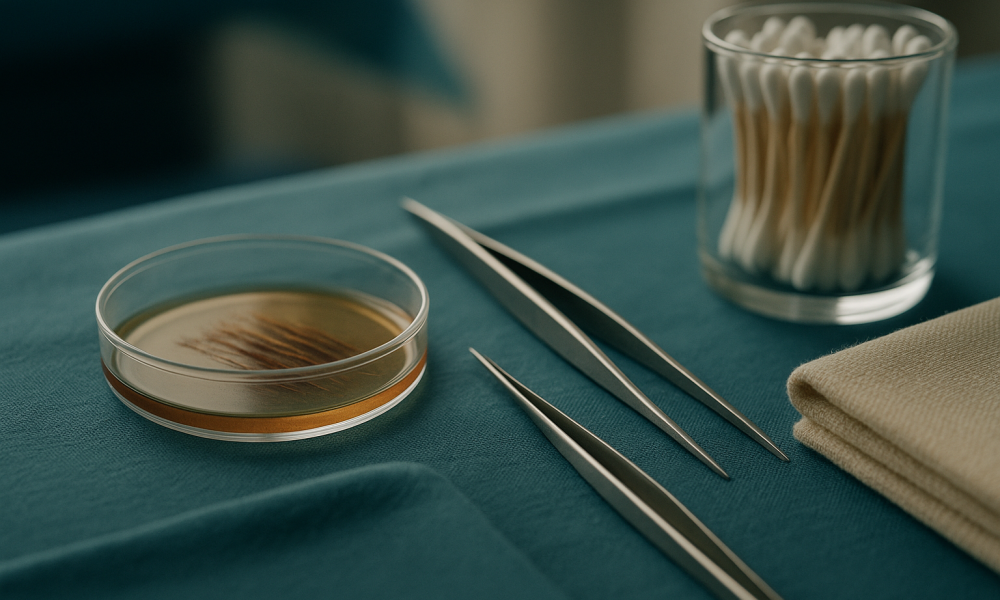
What Body Hair Transplant is and who it is for
Body hair transplant is a specialised procedure designed to restore hair in areas where it may be thinning or absent, using hair from other parts of the body. This method is particularly beneficial for individuals who have insufficient scalp donor hair available for traditional hair transplantation. In Turkey, a popular destination for medical tourism, body hair transplants are performed by skilled professionals using the latest techniques and equipment.
The procedure involves harvesting hair follicles from donor areas such as the chest, back, or beard, and transplanting them to the recipient site, which could be the scalp, eyebrows, or other areas requiring hair restoration. This technique is often used as an alternative or supplementary method to traditional hair transplant procedures, especially in cases of advanced hair loss where scalp donor hair is inadequate.
The choice of donor site is crucial and depends on the texture and quality of the hair required for the recipient area. For instance, beard hair is often preferred for its robustness and similarity to scalp hair, making it ideal for scalp transplants. The procedure typically lasts between 4 to 8 hours, depending on the number of grafts required, and is performed under local anaesthesia, ensuring minimal discomfort for the patient.
Turkey is renowned for its advanced healthcare facilities and experienced surgeons who perform body hair transplants with a high degree of precision and care. The cost of the procedure in Turkey is generally more affordable compared to the UK, with indicative prices ranging from £1,500 to £3,500, depending on the complexity and extent of the transplant.
Body hair transplant can be an effective solution for those looking to enhance their appearance and regain confidence. However, it is essential to have realistic expectations and understand that results can vary based on individual factors such as hair type, skin condition, and overall health.
Are you a good candidate?
Determining if you are a suitable candidate for a body hair transplant involves several considerations. This procedure is not universally appropriate for everyone, and a thorough assessment by a qualified specialist is essential. Here are some key criteria to consider:
- Insufficient Scalp Donor Hair: Ideal candidates often lack adequate scalp donor hair but have viable body hair that can be used for transplantation.
- Good General Health: Candidates should be in good health, without any medical conditions that could complicate the procedure or recovery.
- Realistic Expectations: Understanding the limitations and potential outcomes of the procedure is crucial. Candidates should have realistic expectations regarding the density and appearance of the transplanted hair.
- Suitable Hair Characteristics: The texture, colour, and growth pattern of body hair should be compatible with the desired recipient site to ensure a natural look.
- Commitment to Aftercare: Post-procedure care is vital for the success of the transplant. Candidates must be willing to follow aftercare instructions diligently.
- Non-Smoker or Willing to Quit: Smoking can impair healing and adversely affect the results. Non-smokers or those willing to quit temporarily are preferred.
Before proceeding, a consultation with a specialist is necessary to evaluate your specific situation. This assessment usually involves a detailed examination of your hair and scalp, medical history, and a discussion of your goals and concerns. The specialist will also explain the potential risks and benefits, ensuring you make an informed decision.
Ultimately, the success of a body hair transplant depends on various factors, including the surgeon’s expertise, the quality of the donor hair, and the patient’s adherence to post-operative care. By carefully considering these aspects, you can determine if this procedure is the right choice for you.
The procedure, step by step
Undergoing a body hair transplant in Turkey involves a series of well-coordinated steps designed to ensure the best possible outcome while prioritising patient safety and comfort. Here is a detailed look at the procedure:
- Initial Consultation: The process begins with a thorough consultation, either in person or via a video call. During this session, the surgeon will evaluate your scalp and body hair density, discuss your goals, and determine if you are a suitable candidate for the procedure. This is also when you will discuss potential donor areas, which might include the chest, beard, or arms.
- Pre-Operative Assessment: Before the surgery, you will undergo a comprehensive medical evaluation. This includes blood tests to ensure you are in good health and a review of your medical history. You will also receive instructions on how to prepare for the surgery, such as avoiding certain medications and alcohol.
- Marking the Donor and Recipient Areas: On the day of the surgery, the surgeon will carefully mark the donor and recipient areas. Precision is key, as these markings guide the extraction and implantation process, ensuring that the hair grows in a natural direction.
- Administering Anaesthesia: Local anaesthesia is applied to both the donor and recipient sites to minimise discomfort during the procedure. This allows you to remain awake and relaxed throughout the surgery.
- Extraction of Hair Follicles: The extraction process involves using a specialised tool to remove individual hair follicles from the donor site. Follicular Unit Extraction (FUE) is the most commonly used technique, which ensures minimal scarring and a quicker recovery.
- Preparation of Grafts: Once extracted, the hair follicles are carefully examined and sorted according to their quality and size. This step is critical to ensure that only healthy follicles are implanted, maximising the success of the transplant.
- Implantation of Hair Follicles: The surgeon creates tiny incisions in the recipient area, into which the hair follicles are meticulously implanted. This step requires precision and artistry to ensure that the hair grows in a natural pattern.
- Post-Operative Care Instructions: After the procedure, you will receive detailed instructions on how to care for your scalp and donor area. This includes guidelines on washing, sleeping positions, and activities to avoid during the initial recovery phase.
The entire procedure can take anywhere from 4 to 8 hours, depending on the number of grafts required. Patients are usually discharged on the same day, with a follow-up appointment scheduled to monitor the healing process.
Recovery timeline
Understanding the recovery timeline is crucial for managing expectations and ensuring optimal results after a body hair transplant. Here is a detailed overview of what to expect from day one through to full recovery:
| Period | What to expect | Care notes |
|---|---|---|
| Day 1 | Immediately following the procedure, mild swelling and redness in both donor and recipient areas are common. Some patients may experience discomfort. | Rest and avoid touching the treated areas. Use prescribed pain relief if necessary. Keep your head elevated when resting. |
| Days 2-3 | Swelling may increase slightly but should not be severe. Scabs may begin to form around the implanted follicles. | Continue following the post-operative care instructions. Do not pick at scabs as this can affect graft survival. |
| Week 1 | Swelling should subside, and scabs will start to fall off naturally. Itching may occur as the scalp heals. | Gently wash your hair as per the clinic’s instructions. Avoid scratching the scalp. |
| Weeks 2-3 | Most scabs will have fallen off, and the initial transplanted hairs may begin to shed, which is a normal part of the hair growth cycle. | Continue with gentle hair washing. Avoid heavy physical activities that may cause sweating. |
| Month 1 | Shedding of transplanted hairs is common. The scalp may appear similar to its pre-surgery state. | Stay patient as this is part of the natural process. Follow up with your surgeon if advised. |
| Months 2-3 | New hair growth may start to become noticeable. The texture and thickness will gradually improve. | Continue with a healthy hair care routine. Attend any scheduled follow-up appointments. |
| Months 4-6 | Significant hair growth is usually visible, with increased density and coverage. | Maintain a balanced diet to support hair health. You can gradually resume normal activities. |
| Full Recovery (12 months) | The full results of the transplant are typically visible, with mature hair growth and natural appearance. | Continue with regular hair care and any recommended follow-up visits to your healthcare provider. |
Each patient’s recovery may vary slightly, but adhering to the care instructions provided by your healthcare team will help ensure the best possible outcome.
5. What it costs: Turkey vs the United Kingdom
When considering a body hair transplant, cost is a significant factor for many patients. Turkey has emerged as a leading destination for medical tourism, particularly for hair transplant procedures, due to its competitive pricing and high-quality care. However, understanding the cost differences between Turkey and the United Kingdom requires a closer look at what each offers.
In Turkey, the cost of a body hair transplant typically ranges from £1,500 to £3,500. This range is indicative and can vary based on several factors, such as the clinic’s location, the surgeon’s experience, and the complexity of the procedure. In contrast, the same procedure in the United Kingdom is generally more expensive, with prices ranging from £4,000 to £8,000. Again, these figures are indicative and can vary depending on similar factors as in Turkey.
| Country | Indicative Price Range | Typical Inclusions |
|---|---|---|
| Turkey | £1,500 – £3,500 | Consultation, procedure, anaesthesia, post-operative care, accommodation, and sometimes airport transfers |
| United Kingdom | £4,000 – £8,000 | Consultation, procedure, anaesthesia, and post-operative care |
In Turkey, many clinics offer comprehensive packages that include not only the procedure itself but also additional services. These often cover pre-operative consultations, anaesthesia, post-operative care, and sometimes even accommodation and airport transfers. Such packages are designed to provide a seamless experience for international patients, minimising the stress of travelling abroad for medical care.
In the United Kingdom, while the cost of the procedure itself might be higher, packages typically include the procedure, anaesthesia, and post-operative care, but usually exclude accommodation and travel-related expenses. This means that patients may need to arrange and budget for these additional costs separately.
It’s important to note that the lower cost in Turkey does not equate to lower quality. The country is home to numerous accredited medical facilities that adhere to international standards, and many surgeons are internationally trained and experienced.
6. Risks and how accredited providers manage them
Like any surgical procedure, a body hair transplant carries certain risks. Being informed about these risks and understanding how accredited providers in Turkey manage them can help prospective patients make well-informed decisions.
Common risks associated with body hair transplants include infection, scarring, and unsatisfactory cosmetic results. Infections are relatively rare but can occur if proper sterilisation protocols are not followed. Accredited clinics in Turkey mitigate this risk by adhering to stringent hygiene standards and using sterile equipment. They also provide post-operative care instructions to help patients minimise the risk of infection at home.
Scarring is another potential risk, particularly when hair is extracted from body areas other than the scalp. While some degree of scarring is inevitable, experienced surgeons employ advanced techniques to minimise its visibility. Techniques such as Follicular Unit Extraction (FUE) are favoured for their minimally invasive nature, resulting in less noticeable scars.
Unsatisfactory cosmetic outcomes, such as unnatural hair growth patterns or density, can occur if the procedure is not performed by skilled professionals. To address this, reputable clinics ensure that only qualified and experienced surgeons perform the transplants. They also involve patients in the planning process, discussing realistic expectations and desired outcomes.
Accredited providers in Turkey are committed to maintaining high standards of patient care and safety. They often hold international accreditations, such as those from the Joint Commission International (JCI), which require adherence to rigorous quality and safety protocols. These clinics also ensure that their medical staff undergo continuous training to stay abreast of the latest techniques and developments in hair transplantation.
Furthermore, these clinics provide comprehensive pre-operative consultations to assess the patient’s suitability for the procedure and discuss any potential risks in detail. This helps in tailoring the procedure to the individual’s specific needs and in setting realistic expectations.
Post-operative care is another critical area where accredited providers excel. They offer detailed aftercare instructions and follow-up appointments to monitor the healing process. This proactive approach helps in the early detection and management of any complications that may arise, ensuring the best possible outcome for the patient.
While the risks associated with body hair transplants are generally low, choosing an accredited provider in Turkey can significantly enhance the safety and success of the procedure. Patients are encouraged to thoroughly research clinics, verify their accreditations, and consult with multiple providers before making a decision.
How to choose the right provider
Choosing the right provider for your body hair transplant in Turkey is a crucial step in ensuring a successful outcome. One of the first things to consider is the accreditation of the clinic. Look for clinics that are accredited by internationally recognised organisations, such as the Joint Commission International (JCI) or the European Board of Plastic Surgery (EBOPRAS). These accreditations indicate adherence to high standards of medical care and patient safety.
Next, evaluate the experience and qualifications of the surgeon. A well-qualified surgeon will have specific training in hair restoration and a substantial track record of performing body hair transplants. Look for surgeons who have completed their education and training at reputable institutions and who are members of professional organisations like the International Society of Hair Restoration Surgery (ISHRS). Experience is critical; surgeons who have performed hundreds of procedures are likely to have refined their techniques to achieve optimal results.
Aftercare is another essential component to consider. Quality clinics will offer comprehensive aftercare packages that include follow-up appointments, advice on post-operative care, and access to support services should any complications arise. Ensure that the clinic provides a clear plan for aftercare and that they are available for consultations after you return to the UK.
Be aware of red flags when selecting a provider. Avoid clinics that make unrealistic promises or guarantees about outcomes, as these are often too good to be true. Be cautious of providers that offer significantly lower prices than the average range of £2,000 to £4,500, as this may indicate compromised quality or hidden costs. Additionally, steer clear of clinics that pressure you to make quick decisions or require large deposits without a thorough consultation.
Finally, seek out patient reviews and testimonials. While no provider will have a perfect record, consistently positive feedback from former patients can provide reassurance of the clinic’s reliability and effectiveness. Consider joining forums or social media groups where you can ask questions and learn from the experiences of others who have undergone similar procedures in Turkey.
Planning your trip
Proper planning is essential for a smooth and successful trip to Turkey for a body hair transplant. Begin by establishing a timeline for your travel. It is advisable to schedule your procedure at least three to six months in advance to allow ample time for preparations and consultations. This timeframe also provides flexibility in securing affordable travel arrangements.
Ensure that you have all necessary documents in order. British citizens can enter Turkey with a valid passport; however, it is recommended to have at least six months’ validity from your planned date of return. Additionally, check if you need to apply for an e-visa, which can be obtained online prior to travel.
Consider the length of your stay in Turkey. While the procedure itself may only take a day, it is wise to plan for a stay of at least 5 to 7 days. This allows time for pre-surgery consultations, the procedure, and initial recovery, as well as any follow-up appointments to ensure there are no immediate complications.
Coordinate with the clinic regarding transportation and accommodation. Many clinics offer packages that include airport transfers and hotel arrangements, easing the logistical burden. If these are not included, research nearby accommodations that are comfortable and convenient to the clinic.
Prepare for follow-up care once you return home. Discuss with your Turkish provider how follow-up will be handled from the UK. They may offer virtual consultations or work with local practitioners to ensure continuity of care. It’s also crucial to have a clear understanding of the recovery timeline and any restrictions you may need to adhere to upon returning home.
Lastly, consider travel insurance that covers medical procedures. This can provide peace of mind and financial protection in the unlikely event of complications or the need for additional treatment.
Frequently Asked Questions
What is the typical cost of a body hair transplant in Turkey?
The cost of a body hair transplant in Turkey typically ranges from £2,000 to £4,500. This price can vary depending on the clinic, the extent of the transplant, and additional services included in the package. It's important to confirm what is included in the quoted price to avoid unexpected expenses.
How do I verify a clinic's accreditation?
You can verify a clinic's accreditation by checking their certificates and looking for affiliations with organisations such as the Joint Commission International (JCI) or the European Board of Plastic Surgery (EBOPRAS). Additionally, many clinics display their accreditation status on their websites, which you can cross-check with the accrediting body's official site.
Is it safe to have a body hair transplant in Turkey?
Turkey is known for its high standards in medical care, particularly in cosmetic surgery. However, safety depends on the clinic and surgeon you choose. Ensure the clinic is accredited, and the surgeon is experienced. Reading patient reviews and checking professional memberships can also help ensure safety.
What should I look for in a surgeon's qualifications?
A qualified surgeon should have specialised training in hair restoration and be a member of professional organisations like the International Society of Hair Restoration Surgery (ISHRS). You should also look for their educational background, years of experience, and patient testimonials to gauge their competence.
How long should I plan to stay in Turkey for the procedure?
For a body hair transplant, plan to stay in Turkey for at least 5 to 7 days. This duration covers pre-surgery consultations, the procedure itself, initial recovery, and any follow-up appointments required immediately after the surgery.
What aftercare services should a good clinic offer?
A reputable clinic should offer comprehensive aftercare services, including follow-up appointments, access to medical advice, and support for any complications. They should provide a clear plan for aftercare, including instructions for care after returning home.
Are there any red flags when choosing a clinic?
Red flags include clinics offering unrealistic promises, significantly lower prices than average, or pressuring you to make quick decisions. Lack of accreditation, insufficient surgeon information, and negative patient reviews are also warning signs.
Do I need a visa to travel to Turkey for medical treatment?
British citizens may need an e-visa to enter Turkey, which can be easily obtained online before travel. Ensure your passport is valid for at least six months from your planned date of return to avoid any issues.
Will there be any language barriers during my treatment?
Many clinics in Turkey offer services in English, and experienced providers often have English-speaking staff to assist international patients. However, it's always wise to confirm this before choosing a clinic to ensure clear communication.
How can I arrange follow-up care once I'm back in the UK?
Discuss follow-up care with your Turkish provider before leaving. They may offer virtual consultations or coordinate with local practitioners in the UK. Ensure you have a clear understanding of the recovery process and any necessary follow-up appointments.
What should I expect during the recovery process?
Recovery from a body hair transplant involves some initial redness and swelling at the donor and recipient sites, which typically subside within a week. You should avoid strenuous activities for a few weeks and follow your surgeon's care instructions closely for optimal healing.
Is travel insurance necessary for my trip?
While not mandatory, travel insurance that covers medical procedures is highly recommended. It provides financial protection and peace of mind in case of complications or unforeseen circumstances related to your treatment.