
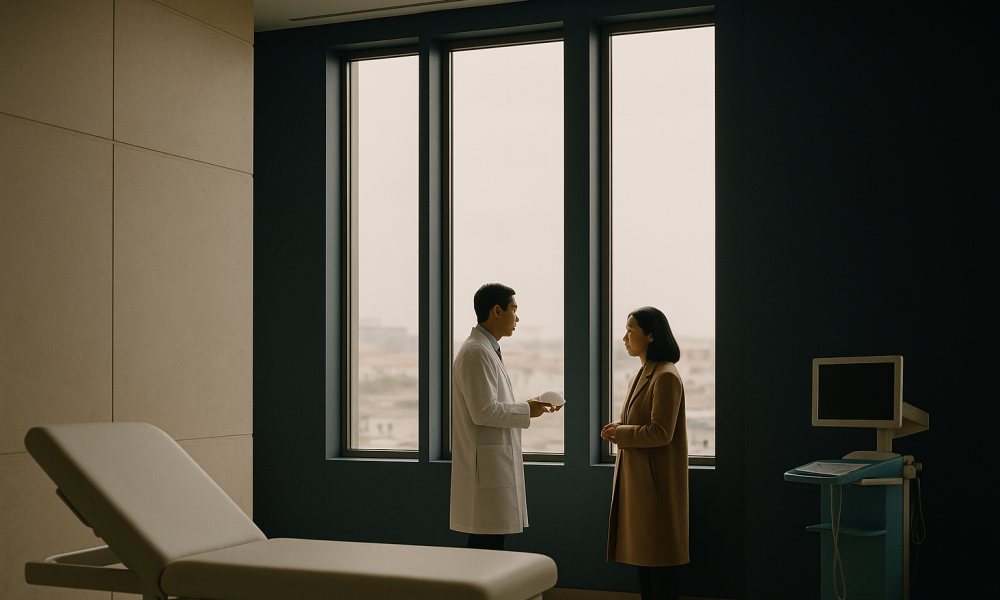
What Breast Augmentation is and who it is for
Breast augmentation, also known as augmentation mammoplasty, is a cosmetic surgical procedure that aims to enhance the size and shape of a woman’s breasts. This is typically achieved through the insertion of implants, which can be filled with either saline or silicone gel, into the breast tissue or under the chest muscle. In Turkey, this procedure is performed by board-certified plastic surgeons who use advanced techniques to ensure natural-looking results.
The primary goal of breast augmentation is to improve the aesthetic appearance of the breasts, which can significantly boost self-esteem and body image. Women may choose to undergo this procedure for various reasons, including restoring breast volume lost after weight reduction or pregnancy, achieving better symmetry when breasts are moderately disproportionate, or simply enhancing breast size for personal reasons.
In Turkey, breast augmentation is a popular procedure due to the country’s reputation for high-quality medical services combined with competitive pricing. The typical cost for breast augmentation in Turkey ranges from £2,500 to £4,500, which is considerably lower than in Australia, where prices can be substantially higher. However, it’s essential to note that these figures are indicative and can vary based on the surgeon’s experience, the type of implant used, and the specifics of the surgery.
Patients considering breast augmentation should be aware that the procedure involves certain risks and requires a commitment to follow-up care. Potential complications include infection, changes in nipple or breast sensation, implant leakage or rupture, and the formation of scar tissue around the implant (capsular contracture). Therefore, candidates should thoroughly research and consult with qualified professionals to understand the potential outcomes and ensure their expectations align with what can realistically be achieved.
Are you a good candidate?
Determining whether you are a good candidate for breast augmentation involves several considerations, both physical and psychological. Ideal candidates are individuals who are in good general health and have realistic expectations about the outcomes of the surgery. While breast augmentation can significantly enhance your appearance and confidence, it is crucial to approach the decision with a clear understanding of the potential risks and benefits.
To assess your candidacy for breast augmentation, consider the following checklist:
- Are you physically healthy and at a stable weight?
- Do you have fully developed breasts?
- Are you unhappy with the size or shape of your breasts?
- Do you have asymmetrical breasts or have you lost breast volume due to weight loss or pregnancy?
- Are you a non-smoker, or willing to quit smoking prior to and during recovery?
- Do you have realistic expectations and understand the limitations of the procedure?
- Are you prepared for the recovery process and potential need for future surgeries?
It’s important to engage in open and honest communication with your surgeon during the consultation process. Discuss your goals, any concerns you may have, and the options available to achieve your desired outcome. Your surgeon will evaluate your anatomy, skin quality, and overall health to recommend the most suitable type of implant and surgical approach.
Moreover, psychological readiness is an essential factor. Candidates should be doing this for themselves rather than to meet someone else’s expectations. Ensuring emotional stability and having a supportive environment can positively impact your recovery and satisfaction with the results.
Ultimately, the decision to undergo breast augmentation is highly personal, and taking the time to thoroughly research, ask questions, and consider your motivations will help ensure that you make the best choice for your individual circumstances.
The procedure, step by step
Breast augmentation is a surgical procedure designed to enhance the size and shape of a woman’s breasts, typically using implants. In Turkey, the procedure is performed by highly skilled plastic surgeons in state-of-the-art facilities. Here is a detailed step-by-step guide of what to expect during the surgery:
- Initial Consultation: Prior to the surgery, you will have a detailed consultation with your surgeon. This session will cover your medical history, your desired outcomes, and a discussion of implant options. You will also be informed about the risks and benefits of the procedure.
- Preoperative Preparations: On the day of the surgery, you will undergo preoperative assessments, including blood tests and a physical examination, to ensure you are fit for surgery. You will be advised to fast for at least 6 hours before the operation.
- Anaesthesia: Breast augmentation is typically performed under general anaesthesia, which means you will be asleep and pain-free during the procedure. Your anaesthetist will discuss the anaesthesia process with you beforehand.
- Incision: The surgeon will make an incision in one of the following areas: around the areola, under the breast fold, or in the armpit. The choice of incision depends on the type of implant, the degree of enlargement, and your body type.
- Implant Placement: The surgeon will create a pocket either directly behind the breast tissue or underneath the chest muscle. This placement will be determined based on your individual anatomy and the desired outcome.
- Insertion of the Implant: The chosen implants, which can be saline or silicone, are then inserted into the pocket. The surgeon will carefully position them to achieve the most natural appearance.
- Closing the Incisions: Once the implants are in place, the surgeon will close the incisions with sutures, skin adhesive, or surgical tape. They will ensure minimal scarring and optimal healing.
- Postoperative Care: After the surgery, you will be taken to a recovery room where your vital signs will be monitored closely. You will receive pain management and be given specific instructions for home care, including how to manage the surgical site and medications to take.
This procedure typically lasts between 1 to 2 hours, and most patients are allowed to go home the same day, provided there are no complications.
Recovery timeline
The recovery period following breast augmentation surgery is a crucial time that requires careful attention and care to ensure optimal results. Here is a detailed recovery timeline to help you understand what to expect and how to manage your recovery effectively:
| Period | What to expect | Care notes |
|---|---|---|
| Day 1 | Post-surgery discomfort, swelling, and bruising are common. You may feel groggy from anaesthesia. | Rest is essential. Take prescribed pain relief as directed. Wear a supportive surgical bra. |
| Days 2-3 | Swelling and soreness persist. You may notice tightness in the chest area. | Continue with pain management. Avoid strenuous activity. Begin gentle arm movements as advised. |
| Week 1 | Swelling starts to decrease. Some patients return to light activities. | Attend follow-up appointment with your surgeon. Keep incisions clean and dry. Avoid lifting heavy objects. |
| Weeks 2-3 | Bruising fades. You may feel more comfortable moving around. | Gradually increase activity levels. Continue to wear a supportive bra. Follow up with your surgeon if needed. |
| Weeks 4-6 | Most swelling subsides. Implants begin to settle into position. | You can resume most normal activities but still avoid intense exercise. Monitor for any unusual symptoms. |
| Week 6 onwards | Full recovery is approaching. Scars begin to mature and fade. | Regular exercise can typically be resumed. Continue scar care as advised by your surgeon. |
It’s important to follow your surgeon’s personalised recovery plan closely, as individual experiences may vary. Most patients feel fully recovered and return to all activities by the end of 8 weeks. Regular follow-up appointments are crucial to monitor healing and ensure optimal outcomes.
What it costs: Turkey vs Australia
When considering breast augmentation, cost is a significant factor for many patients. Turkey has emerged as a popular destination for those seeking high-quality care at more affordable prices. It’s important to note that the figures provided here are indicative and can vary based on numerous factors, including the specific clinic, the surgeon’s expertise, and the type of implants chosen.
In Australia, the typical cost for breast augmentation can range from AUD 10,000 to AUD 15,000. This generally includes the surgeon’s fee, anaesthetist’s fee, hospital costs, and follow-up appointments. However, these costs can increase if additional procedures are required or if complications arise.
In contrast, Turkey offers breast augmentation procedures at a more competitive price, typically ranging from AUD 4,000 to AUD 7,500. These prices often include more comprehensive packages that go beyond just the surgery itself. Here is a comparative table to illustrate the typical costs and inclusions:
| Country | Indicative Price Range (AUD) | Typical Inclusions |
|---|---|---|
| Australia | 10,000 – 15,000 |
|
| Turkey | 4,000 – 7,500 |
|
Many clinics in Turkey offer packages that include airport transfers, hotel accommodation, and even a personal assistant to help with logistics during your stay. This can significantly reduce the stress of travelling abroad for surgery and can contribute to a more pleasant overall experience.
While the lower cost in Turkey may be appealing, it is crucial to ensure that you are choosing an accredited and reputable provider. The savings should never come at the expense of safety or quality. Therefore, thorough research and due diligence are essential when selecting a clinic and surgeon.
Risks and how accredited providers manage them
Every surgical procedure carries inherent risks, and breast augmentation is no exception. Understanding these risks and the measures taken by accredited providers in Turkey to mitigate them is vital for prospective patients. Common risks associated with breast augmentation include infection, bleeding, scarring, implant leakage or rupture, and changes in breast or nipple sensation.
Accredited clinics in Turkey follow stringent protocols to minimise these risks. Infection prevention is a top priority, with clinics adhering to international standards for sterilisation and hygiene. Surgeons typically prescribe antibiotics post-operatively to further reduce the risk of infection.
Bleeding is another risk that is managed through careful surgical techniques and post-operative care. Patients are usually advised to avoid certain medications like aspirin that can increase bleeding risk, and to follow specific guidelines on activity levels post-surgery to ensure proper healing.
Scarring is a common concern, and while some scarring is inevitable, experienced surgeons employ techniques to minimise visible scarring. Incisions are typically made in discreet locations, such as under the breast or around the areola, to reduce their visibility. Patients are also provided with post-operative care instructions to aid in scar healing and reduction.
Implant leakage or rupture, though rare, is a risk that is addressed through the use of high-quality, FDA-approved implants. Accredited clinics in Turkey source implants from reputable manufacturers, ensuring they meet stringent safety standards. In the event of a rupture, clinics have protocols in place to manage the situation promptly and effectively.
Changes in breast or nipple sensation can occur, often temporarily, as a result of nerve adjustments during surgery. Surgeons in accredited clinics provide detailed information about potential changes in sensation and offer guidance on what to expect during recovery.
Accredited providers in Turkey are committed to patient safety and satisfaction, often going above and beyond to ensure a positive outcome. This includes comprehensive pre-operative consultations to discuss risks, personalised post-operative care plans, and access to 24/7 support during the recovery period. Patients are encouraged to communicate any concerns or complications immediately, allowing for prompt intervention if necessary.
Ultimately, while the risks associated with breast augmentation cannot be entirely eliminated, choosing an accredited provider in Turkey can significantly mitigate them, providing peace of mind and confidence in the care received.
How to choose the right provider
Choosing the right provider for breast augmentation in Turkey involves several critical factors that ensure both safety and satisfaction. The first step is to verify accreditation. Look for clinics accredited by international bodies such as the Joint Commission International (JCI) or the European Society of Plastic, Reconstructive and Aesthetic Surgery (ESPRAS). These accreditations reflect adherence to global standards in healthcare.
Surgeon experience is equally crucial. Research the surgeon’s background, including their education, years of practice, and specific experience in breast augmentation. A surgeon with at least 5-10 years of experience and a portfolio of successful surgeries can often provide a higher level of assurance. Request before-and-after photos of previous patients to gauge their expertise.
Another vital aspect is the aftercare services offered by the clinic. Quality aftercare can significantly impact recovery and satisfaction. Ensure the clinic provides comprehensive post-operative support, including follow-up appointments and emergency contacts. Some clinics offer remote consultations for follow-up, which can be beneficial for international patients.
Be aware of red flags when selecting a provider. Avoid clinics that guarantee results or those that offer prices significantly lower than the typical range, which is generally between £2,500 and £4,500. Unrealistically low prices can indicate compromises in quality or safety. Also, be wary of high-pressure sales tactics or clinics that are reluctant to provide details about their accreditation and surgeons.
Finally, consider reviews and testimonials from previous patients. While individual experiences can vary, consistently positive feedback can provide additional confidence in your choice.
Planning your trip
Planning your trip for breast augmentation in Turkey requires careful consideration to ensure a smooth experience. Begin by establishing a timeline for your travel. It is advisable to schedule your surgery at least 4-6 weeks in advance to give yourself ample time for preparation and to secure the best possible arrangements.
Ensure all necessary documents are in order. This includes a valid passport with at least six months of validity, a visa if required, and any medical records requested by your chosen clinic. Most clinics will provide a list of pre-operative tests you need to complete before traveling, such as blood tests and a mammogram.
Consider the length of stay required for your procedure. Typically, you should plan to stay in Turkey for 7-10 days. This duration allows for the surgery itself, a few days of initial recovery, and at least one follow-up appointment with your surgeon. Factor in additional time if you wish to explore or acclimatise before your procedure.
Post-surgery, follow-up care is crucial. Discuss with your surgeon how follow-up will be managed once you return home. Some clinics offer virtual consultations, while others may have partnerships with local healthcare providers in Australia for physical check-ups. Ensure you have a clear plan for managing any complications and know whom to contact if needed.
Finally, consider travel insurance that covers medical procedures abroad. This can provide peace of mind and financial protection in case of unforeseen circumstances.
Frequently Asked Questions
What is the typical cost of breast augmentation in Turkey?
The cost of breast augmentation in Turkey typically ranges from £2,500 to £4,500. This price can vary depending on the clinic, the surgeon's experience, and the type of implants used. It's important to compare what is included in the package, such as anaesthesia, hospital stay, and aftercare services, to make an informed decision.
How safe is breast augmentation surgery in Turkey?
Breast augmentation in Turkey is generally safe, particularly when performed in accredited clinics with experienced surgeons. Ensure the clinic is accredited by international bodies like JCI and that the surgeon has a strong track record. Following pre- and post-operative instructions carefully also enhances safety and recovery.
What should I look for in a breast augmentation surgeon?
When choosing a surgeon, consider their qualifications, experience, and specialisation in breast augmentation. Look for someone with at least 5-10 years of experience and request to see before-and-after photos of their previous patients. Check for memberships in professional bodies like ESPRAS, which can indicate a commitment to high standards.
Are there financing options available for surgery in Turkey?
Some clinics in Turkey offer financing options or payment plans for international patients. It's advisable to directly inquire with the clinic about available options. Additionally, some patients choose to finance their surgery through personal loans or credit cards, so consider all your options carefully before making a decision.
How long do I need to stay in Turkey after the surgery?
Patients typically need to stay in Turkey for about 7-10 days after breast augmentation surgery. This stay allows for the procedure, initial recovery, and at least one follow-up appointment with the surgeon. Discuss the exact duration with your chosen clinic as it may vary based on individual recovery needs.
Can I combine breast augmentation with a holiday in Turkey?
While it is possible to combine surgery with leisure activities, it is crucial to prioritise recovery. Plan any sightseeing or excursions before your surgery, as post-operative recovery may limit your ability to engage in strenuous activities. Discuss with your surgeon to ensure a safe and comfortable experience.
What should I pack for my medical trip to Turkey?
Pack comfortable, loose-fitting clothing, as you will need to avoid tight garments post-surgery. Include your medical records, any prescribed medications, and travel documents such as your passport and visa. Consider bringing a travel pillow and gentle skincare products to aid in comfort and recovery.
Will I need follow-up appointments after returning to Australia?
Yes, follow-up care is essential for monitoring recovery and addressing any concerns. Some clinics offer remote consultations, while others may recommend local healthcare providers in Australia for physical check-ups. Ensure you have a clear follow-up plan before leaving Turkey.
How soon after surgery can I fly back to Australia?
Patients are generally advised to wait at least 7-10 days post-surgery before flying long distances. This allows sufficient time for initial recovery and reduces the risk of complications such as blood clots. Always consult your surgeon for personalised advice based on your specific recovery progress.
Are there any cultural considerations I should be aware of when travelling to Turkey for surgery?
Turkey is a culturally rich country, and it's respectful to be aware of local customs. Dress modestly, especially when visiting religious sites. Learning a few basic phrases in Turkish can also enhance your experience. Most medical staff speak English, but a translator can be helpful if needed.
What type of breast implants are available in Turkey?
In Turkey, patients have access to a variety of breast implants, including saline and silicone options. Silicone implants are more commonly used due to their natural feel and appearance. Your surgeon will discuss the best type for your body and desired outcome during the consultation process.
Do I need travel insurance for my medical trip?
Yes, travel insurance that covers medical procedures abroad is highly recommended. This type of insurance provides financial protection and peace of mind in case of unexpected events or complications. Ensure your policy covers all aspects of your trip, including medical care, travel delays, and cancellations.