
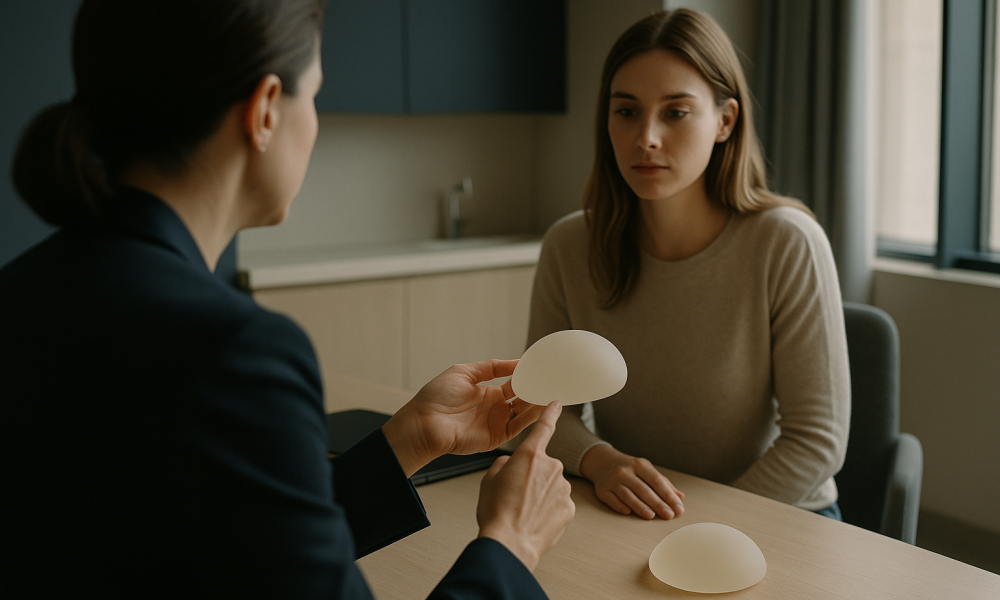
What Breast Augmentation is and who it is for
Breast augmentation, also known as augmentation mammoplasty, is a surgical procedure designed to enhance the size and shape of a woman’s breasts. This procedure is typically performed using implants or fat transfer techniques. In Turkey, breast augmentation is a popular choice among international patients due to the country’s high standards of medical care and competitive pricing. The primary objective of breast augmentation is to improve the aesthetic appearance of the breasts, which can help boost self-confidence and body image.
The procedure involves the insertion of implants, which are typically made of silicone gel or saline, into the breast tissue. These implants come in various shapes, sizes, and textures, allowing for a customised approach to meet individual patient needs and preferences. Fat transfer, on the other hand, involves the removal of fat from other areas of the body, such as the abdomen or thighs, which is then purified and injected into the breasts. This technique is often chosen by those seeking a more natural enhancement.
Breast augmentation is suitable for women who wish to increase the size of their breasts, achieve a more balanced figure, or restore breast volume lost due to weight reduction or pregnancy. It is also an option for women seeking to correct asymmetry or congenital deformities. While the procedure can offer significant aesthetic improvements, it is crucial for prospective patients to have realistic expectations about the outcomes. Breast augmentation will not correct severely drooping breasts; in such cases, a breast lift may be required in conjunction with augmentation.
Women considering breast augmentation in Turkey can benefit from the country’s combination of experienced surgeons and modern facilities. The cost is generally lower compared to other European countries, making it an attractive option for those looking to enhance their appearance without compromising on quality. However, as with any surgical procedure, it is essential to weigh the benefits against the potential risks and complications, which should be thoroughly discussed with a qualified surgeon during the initial consultation.
Are you a good candidate?
Determining if you are a suitable candidate for breast augmentation involves several factors. A comprehensive evaluation by a board-certified plastic surgeon is crucial to ensure that the procedure aligns with your personal goals and health status. Here are some key criteria to consider when assessing your candidacy for breast augmentation:
- Overall Health: You should be in good general health, free from serious medical conditions that could impair healing or increase surgical risks. Conditions such as uncontrolled diabetes or heart disease may preclude you from undergoing the procedure.
- Age Requirements: While there is no specific age limit, candidates should be mature enough to understand the procedure and its implications. Typically, breast augmentation is recommended for individuals over the age of 18 for saline implants and over 22 for silicone implants, following FDA guidelines.
- Realistic Expectations: It’s important to have a clear understanding of what breast augmentation can and cannot achieve. The procedure can enhance breast size and shape, but it won’t necessarily solve all body image issues.
- Non-smoker: Smoking can impede the healing process and increase the risk of complications. Non-smokers or those willing to quit smoking for a significant period before and after surgery are ideal candidates.
- Stable Weight: Candidates should have a stable weight, as significant fluctuations can affect the results of the surgery. Maintaining a healthy lifestyle is crucial for long-term satisfaction with the outcome.
- Breast Development: Your breasts should be fully developed before considering augmentation. This ensures the results are not compromised by further natural growth.
In addition to these criteria, a thorough discussion with your surgeon about your medical history, aesthetic goals, and lifestyle factors is essential. This dialogue helps ensure that breast augmentation is the right decision for you, both physically and psychologically. The consultation process is an opportunity to ask questions, explore different implant types and sizes, and understand the potential risks and recovery expectations. Ensuring you are well-informed and confident in your decision is a critical step in achieving a positive surgical outcome.
The procedure, step by step
Breast augmentation, also known as augmentation mammoplasty, is a surgical procedure to enhance the size and shape of the breasts. The procedure is typically performed under general anaesthesia and can take anywhere from 1 to 3 hours, depending on individual circumstances. Here is a step-by-step guide to what you can expect during the procedure:
- Initial Consultation: Before the surgery, you will have a detailed consultation with your surgeon to discuss your goals, the different types of implants available, and the surgical techniques that might be used. This is also when you will discuss potential risks and have any questions answered.
- Pre-operative Preparation: On the day of the surgery, you will be asked to arrive at the clinic with an empty stomach, having fasted for at least 6 to 8 hours. You will change into a surgical gown, and your vital signs will be checked. The surgical team will confirm your identity, the procedure details, and mark the incision sites on your body.
- Anaesthesia Administration: The procedure begins with the administration of general anaesthesia to ensure you remain asleep and comfortable throughout the operation. In some cases, local anaesthesia with sedation may be an option, depending on the specifics of the surgery and patient preference.
- Incision Making: The surgeon will make an incision in one of several locations: along the crease under your breast (inframammary), around your nipple (periareolar), or in your armpit (transaxillary). The choice of incision depends on the type of implant, your body type, and your surgeon’s recommendation.
- Implant Placement: The surgeon will then create a pocket either under the muscle (submuscular) or directly behind the breast tissue (subglandular) and insert the implant. The decision between submuscular and subglandular placement is made based on factors such as your body type and desired outcome.
- Checking for Symmetry: Once the implants are in place, the surgeon will check for symmetry and make any necessary adjustments. This step is crucial to ensure a natural and balanced appearance.
- Closing the Incisions: The incisions are closed with layered sutures in the breast tissue and skin adhesive or surgical tape to close the skin. This helps minimise scarring and supports the healing process.
- Post-operative Care: After the surgery, you will be taken to a recovery room where you will be monitored as you wake up from anaesthesia. You might experience grogginess and discomfort initially, but this is managed with medication. Once you are stable, you will be given post-operative care instructions and discharged to recover at home or in a nearby accommodation.
Recovery timeline
Recovering from breast augmentation surgery is a gradual process that varies from patient to patient. However, a typical recovery timeline can help set realistic expectations. Below is a detailed table outlining the recovery stages from day 1 through to full recovery:
| Period | What to Expect | Care Notes |
|---|---|---|
| Day 1 – 3 | Initial recovery begins with rest and limited movement. Expect swelling, bruising, and some pain. | Take prescribed pain medication. Wear a surgical bra for support. Avoid strenuous activity. |
| Day 4 – 7 | Swelling and bruising may persist. You may experience itchiness around the incision sites as healing begins. | Continue wearing the surgical bra. Attend follow-up appointments. Gradually increase light activities. |
| Week 2 – 3 | Most patients can return to work, depending on the nature of their job. Swelling should reduce significantly. | Avoid heavy lifting and upper body exercises. Follow surgeon’s advice on scar care. |
| Week 4 – 6 | Residual swelling may still be present. You can start to see the initial results of the surgery. | You may begin more physical activities as advised. Continue wearing supportive bras. |
| Week 6 – 8 | Final results become more apparent. Most swelling and bruising should subside. | Resume normal activities, including exercise, with approval from your surgeon. Maintain regular check-ups. |
| Beyond 8 Weeks | Full recovery is usually achieved. Scars will continue to fade over time. | Continue scar management and annual check-ups. Enjoy the results of your surgery. |
It is crucial to follow your surgeon’s post-operative care instructions closely to ensure a smooth recovery and the best possible outcome. Keep in mind that individual recovery times may vary.
What it costs: Turkey vs Europe
When considering breast augmentation, understanding the cost differences between Turkey and Europe can provide significant insight into the financial aspects of your decision. While prices vary based on the specific requirements of each patient, the experience of the surgeon, and the facility’s location, there are general indicative ranges that can help guide your expectations.
In Turkey, the cost of breast augmentation typically ranges from approximately €2,500 to €5,000. This is considerably lower than in many European countries, where prices often range from €5,000 to €10,000 or more. It’s essential to note that these figures are indicative and can fluctuate based on several factors, including the type of implants chosen, the complexity of the procedure, and the aftercare provided.
| Country | Indicative Price Range | What Packages Typically Include |
|---|---|---|
| Turkey | €2,500 – €5,000 | Consultation, surgery, anaesthesia, standard post-operative care, and a follow-up visit |
| UK | €6,000 – €9,000 | Consultation, surgery, anaesthesia, and basic follow-up care |
| Germany | €5,500 – €8,500 | Consultation, surgery, anaesthesia, and limited post-operative care |
| Spain | €5,000 – €7,500 | Consultation, surgery, anaesthesia, and post-operative care |
Packages in Turkey often include additional services such as transportation from the airport, accommodation for the recovery period, and comprehensive post-operative support, which can be particularly appealing for international patients. The inclusion of these services can add significant value, making the overall experience more convenient and less stressful.
It is crucial for prospective patients to consider not just the cost but also the quality and extent of care provided. Researching the credentials of the surgeons, the accreditation of the medical facilities, and patient reviews can provide a broader picture of what to expect. Ultimately, while cost is an important factor, it should be balanced with considerations of safety, quality, and personal comfort.
Risks and how accredited providers manage them
Like any surgical procedure, breast augmentation carries certain risks that patients should be aware of before proceeding. These may include infection, bleeding, scarring, implant leakage or rupture, and changes in breast sensation. Additionally, there’s the possibility of capsular contracture, where scar tissue forms around the implant, causing it to harden.
Accredited providers in Turkey take these risks seriously and implement rigorous protocols to manage them effectively. The first step in risk management is thorough pre-operative assessment. This often includes a detailed medical history review and physical examination to ensure the patient is a suitable candidate for surgery. Providers may also conduct imaging tests to ascertain the health of breast tissue and plan the surgical approach meticulously.
During the procedure, accredited surgeons utilise advanced surgical techniques and sterile environments to minimise the risk of infection and other complications. The choice of implants is also critical; high-quality, FDA-approved implants are typically used to ensure safety and durability.
Post-operative care is another crucial component of risk management. Accredited clinics in Turkey often offer comprehensive aftercare packages that include regular follow-up visits to monitor healing and address any complications promptly. Patients are given detailed instructions on how to care for their surgical sites and what symptoms to watch for, ensuring they can seek timely intervention if needed.
Communication between the patient and healthcare provider is paramount. Reputable clinics foster an environment where patients feel comfortable discussing their concerns and expectations. This open dialogue helps to align the surgical plan with the patient’s goals while considering any potential risks.
Ultimately, while no surgical procedure is without risk, choosing an accredited provider with a strong track record of safety and patient satisfaction can significantly mitigate these risks. Prospective patients are encouraged to conduct thorough research, verify credentials, and consult multiple providers to make an informed decision about their care.
How to choose the right provider
Choosing the right provider for breast augmentation in Turkey is crucial to a successful outcome. Start by ensuring that the clinic or hospital is accredited by a recognised international body, such as the Joint Commission International (JCI) or the International Organization for Standardization (ISO). These accreditations indicate that the facility adheres to high standards of care and safety.
When evaluating surgeons, consider their experience and qualifications. Look for a surgeon who is board-certified in plastic surgery and has extensive experience with breast augmentation procedures. It is beneficial if the surgeon is a member of a reputable professional organisation, such as the Turkish Society of Plastic Reconstructive and Aesthetic Surgeons.
Aftercare is another critical component of choosing a provider. Ensure that the clinic offers comprehensive post-operative care, including follow-up consultations and emergency contacts. A well-structured aftercare programme can significantly impact your recovery and overall satisfaction with the procedure.
Be aware of red flags when researching providers. Avoid clinics that make unrealistic promises or guarantee specific results. Be cautious of providers who are reluctant to discuss potential risks or who do not offer a detailed breakdown of costs. Transparency in pricing and open communication about risks are essential for building trust.
Verify patient reviews and testimonials. While positive feedback is encouraging, also consider how the clinic handles any negative reviews. A professional provider will address concerns constructively and transparently. Additionally, request to see before-and-after photos of previous patients to assess the surgeon’s skill and aesthetic style.
Finally, consider the location and accessibility of the clinic. It should be easy to reach in case of any post-operative issues. Also, ensure that the facility is equipped with modern technology and adheres to strict hygiene practices.
Planning your trip
Planning your trip for breast augmentation in Turkey involves several steps to ensure a smooth experience. Start by consulting with your chosen provider to establish a timeline. Typically, you should plan to arrive in Turkey at least 2-3 days before the surgery to allow time for a pre-operative consultation and any necessary tests.
Ensure you have all required documents, including a valid passport and any medical records that your surgeon might need. It’s also advisable to have a list of medications you are currently taking. Some clinics may request a recent mammogram or ultrasound, so check in advance.
The length of stay in Turkey will vary depending on the complexity of your procedure and your recovery. Generally, patients are advised to stay for at least 7-10 days to allow for initial recovery and post-operative consultations. Discuss this with your provider to tailor the duration to your specific case.
Consider the logistics of your stay, including accommodation and transportation. Many clinics offer packages that include hotel stays and airport transfers. If you prefer to arrange your own accommodation, ensure it is comfortable and close to the clinic.
Plan for follow-up care once you return home. Your surgeon should provide a detailed recovery plan, including when you can resume normal activities and any signs of complications to watch for. It’s important to have a local healthcare provider available for any necessary follow-ups or concerns.
Budgeting for your trip is also essential. Besides the surgery costs, which can range from £2,500 to £4,500, factor in travel expenses, accommodation, and meals. Having a clear financial plan will help prevent any unexpected stress.
Finally, consider travel insurance that covers medical procedures abroad. This can provide peace of mind and financial protection in case of unforeseen complications.
Frequently Asked Questions
What is the typical cost of breast augmentation in Turkey?
The cost of breast augmentation in Turkey typically ranges from £2,500 to £4,500. This range is indicative and can vary based on the clinic, the surgeon's experience, and the specific requirements of the procedure. It's important to get a detailed quote from your provider that includes all potential costs such as pre-operative tests, anaesthesia, and post-operative care.
Are there additional costs apart from the surgery itself?
Yes, there may be additional costs beyond the surgery itself. These can include pre-operative tests, anaesthesia fees, post-operative garments, medications, and follow-up consultations. Some clinics offer all-inclusive packages, but it’s crucial to clarify what is covered to avoid unexpected expenses. Always ask for a detailed breakdown of costs before committing to the procedure.
How do I verify the accreditation of a clinic in Turkey?
To verify the accreditation of a clinic in Turkey, look for certifications from recognised international bodies like the Joint Commission International (JCI) or the International Organization for Standardization (ISO). You can often find this information on the clinic's website or by directly contacting them. Accreditation ensures the clinic meets high standards of quality and safety.
What qualifications should I look for in a surgeon?
When choosing a surgeon, look for board certification in plastic surgery and membership in reputable organisations like the Turkish Society of Plastic Reconstructive and Aesthetic Surgeons. Experience is crucial, so inquire about the number of breast augmentation procedures they have performed. Request before-and-after photos of previous patients to assess their work.
How long should I plan to stay in Turkey after the surgery?
It's generally recommended to stay in Turkey for at least 7-10 days after breast augmentation surgery. This allows time for initial recovery and follow-up consultations. The exact duration may vary based on individual recovery rates and any additional procedures. Discuss your specific case with your provider to determine the appropriate length of stay.
What should I include in my travel planning?
Your travel plan should include a valid passport, any medical records required by your surgeon, and a list of current medications. Consider booking accommodation near the clinic and arranging transportation. Many clinics offer packages that include these services. Also, ensure you have travel insurance that covers medical procedures abroad for added security.
Is it safe to travel alone for breast augmentation surgery?
While it is possible to travel alone for breast augmentation surgery, it is generally recommended to have a companion. A companion can provide emotional support and assist with tasks during your recovery, such as transportation and communication with the medical team. If travelling alone, ensure that the clinic offers robust post-operative support and emergency contacts.
What are the potential risks of breast augmentation?
Like any surgery, breast augmentation carries risks, including infection, bleeding, scarring, and anaesthesia complications. There is also the possibility of implant-related issues such as rupture or capsular contracture. Discuss these risks in detail with your surgeon and ensure you understand the signs of potential complications and the steps to take if they occur.
How soon can I return to work after the procedure?
The time needed before returning to work varies depending on the nature of your job and your individual recovery. Generally, patients can resume non-strenuous work within 1-2 weeks. However, if your job involves heavy lifting or physical exertion, you may need additional recovery time. Your surgeon will provide specific advice based on your situation.
What type of follow-up care is necessary after returning home?
After returning home, follow-up care is crucial for a successful recovery. This typically includes regular check-ups with your local healthcare provider to monitor healing and address any complications. Your surgeon should provide a detailed recovery plan, including guidelines on activity restrictions, scar care, and signs of potential issues to watch for.
Can I combine breast augmentation with other procedures?
Yes, breast augmentation can be combined with other procedures, such as a breast lift or liposuction. However, this depends on your overall health and the complexity of the surgeries. Discuss your goals with your surgeon, who can advise whether combining procedures is safe and appropriate for your needs.
What are the signs of potential complications I should watch for?
After breast augmentation, watch for signs of complications such as excessive swelling, severe pain, fever, or unusual discharge from the incision sites. Other warning signs include redness or warmth in the breast area, which may indicate infection. If you experience any of these symptoms, contact your healthcare provider immediately for assessment and treatment.