
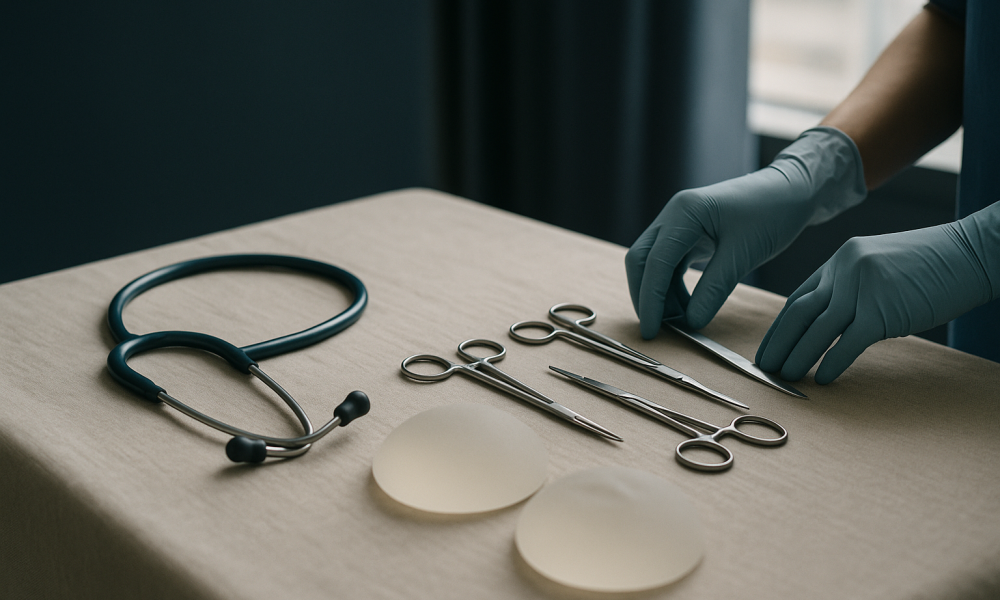
What Breast Augmentation is and who it is for
Breast augmentation, commonly known as a ‘boob job’, is a surgical procedure designed to enhance the size and shape of the breasts. This is typically achieved through the insertion of implants, which can be filled with either saline or silicone gel. The choice between these materials often depends on personal preference and the recommendations of the surgeon. The procedure is popular among women who wish to increase the volume of their breasts, correct asymmetry, or restore fullness lost through weight reduction or post-pregnancy changes.
In Turkey, breast augmentation is performed by highly trained surgeons who adhere to internationally recognised standards of care. The country has become a hub for medical tourism due to its combination of skilled practitioners and competitive pricing. Patients often choose Turkey for breast augmentation because of the high quality of care and the opportunity to recuperate in a pleasant environment.
The procedure typically takes between 1 to 2 hours and is performed under general anaesthesia. Most patients will need to stay in hospital for one night for observation before being discharged. Recovery times can vary, but many patients return to work within 1 to 2 weeks, with full recovery expected within 4 to 6 weeks. The results of breast augmentation are immediately visible, though the final appearance will continue to improve as swelling subsides and the implants settle into their final position.
It’s important to note that breast augmentation is not a one-size-fits-all procedure. The choice of implant size and shape should be tailored to the individual’s body type, aesthetic goals, and lifestyle considerations. Prospective patients should engage in thorough consultations with their surgeon to discuss expectations, potential risks, and the details of the procedure.
Are you a good candidate?
Determining whether you are a good candidate for breast augmentation involves several factors. Ideal candidates are individuals who are in good physical health, have realistic expectations, and understand the potential risks and outcomes of the surgery. It is crucial to have a thorough consultation with a qualified surgeon who can assess your specific situation and advise accordingly.
Generally, good candidates for breast augmentation are:
- Physically Healthy: Candidates should be free of active infections, untreated cancer, or serious illnesses that could complicate surgery or recovery.
- Non-smokers: Smoking can impair healing, so candidates are often advised to quit smoking well in advance of surgery.
- Realistic Expectations: Understanding what breast augmentation can and cannot achieve is crucial. The procedure can enhance breast size and shape, but it won’t solve body image issues or create perfection.
- Stable Weight: Significant weight fluctuations can alter the results of breast augmentation, so candidates should aim for a stable weight prior to surgery.
- Mature Breast Development: Candidates should have fully developed breasts, typically by the age of 18, to ensure that further natural changes do not affect the surgical outcome.
- Clear Aesthetic Goals: Candidates should have a clear understanding of their desired breast size and shape, which can be discussed in detail with their surgeon.
It is also important to consider the emotional and psychological readiness for surgery. Candidates should be making the decision for themselves, not under pressure from others. A comprehensive evaluation by a healthcare professional will help ensure that the candidate is making an informed and voluntary choice.
The procedure, step by step
Undergoing breast augmentation is a significant decision and understanding the procedure step by step can help alleviate anxiety and ensure informed decision-making. Here is a detailed overview of what typically occurs during the breast augmentation process in Turkey:
- Consultation: The journey begins with a comprehensive consultation with a qualified plastic surgeon. During this session, the surgeon will discuss your aesthetic goals, review your medical history, and perform a physical examination. This is the time to ask questions and explore implant options, such as silicone versus saline, and decide on the implant placement—either submuscular or subglandular.
- Pre-operative Assessment: Prior to surgery, a series of pre-operative tests are conducted to ensure you are fit for the procedure. These may include blood tests, a mammogram or ultrasound, and possibly an ECG, depending on your age and health status. You’ll also receive guidelines on pre-surgical care, such as avoiding certain medications and fasting instructions.
- Anaesthesia: On the day of the surgery, you will be administered general anaesthesia to ensure you are comfortable and pain-free throughout the procedure. An anaesthesiologist will monitor your vital signs continuously.
- Incision: The surgeon makes incisions in inconspicuous areas to minimise visible scarring. Common incision sites include the inframammary fold (under the breast), periareolar (around the nipple), or transaxillary (under the arm). The choice of incision depends on several factors including the type of implant and your anatomy.
- Placement of Implants: The breast implants are then inserted into a pocket either above or below the pectoral muscle. The decision on placement depends on the desired outcome, body type, and implant type.
- Closing the Incisions: Once the implants are in place, the incisions are closed with layered sutures in the breast tissue and sutures, skin adhesive, or surgical tape to close the skin.
- Post-operative Care: You are taken to a recovery area where you will be monitored as you wake up from anaesthesia. Your breasts will be wrapped in gauze dressings and a supportive bra is usually provided to minimise swelling and support the breasts as they heal.
The entire procedure typically lasts between 1 to 2 hours. You will be given specific post-operative instructions to follow once you are discharged, which are crucial for a smooth recovery and achieving the best possible results.
Recovery timeline
Recovery from breast augmentation is a gradual process that varies for each individual. Here is a typical recovery timeline to help you understand what to expect as you heal:
| Period | What to expect | Care notes |
|---|---|---|
| Day 1 | Immediately after surgery, you may feel groggy from anaesthesia. Pain and swelling are common, and you will be wearing a supportive bra. | Rest is crucial. Follow pain management instructions and keep hydrated. Arrange for someone to drive you home and stay with you overnight. |
| Week 1 | Swelling and discomfort peak but gradually improve. Bruising may be visible. You should avoid strenuous activities. | Attend follow-up appointments. Continue wearing the supportive bra. Gentle walking is encouraged to promote circulation. |
| Weeks 2-3 | Swelling begins to subside significantly. Most patients feel ready to return to work, provided it is not physically demanding. | Gradually resume normal activities. Avoid lifting heavy objects or engaging in vigorous exercise. |
| Weeks 4-6 | Most of the bruising and swelling should have resolved. Sensation in the breasts and nipples may still be altered. | Follow your surgeon’s advice on resuming full physical activity. Continue wearing supportive garments as advised. |
| Week 6 and beyond | By this time, you should see more settled results. Full recovery can take several months, as tissues adjust to the implants. | Maintain regular follow-ups. Engage in a healthy lifestyle to support long-term results. Scar maturation can take up to a year. |
It’s important to adhere to your surgeon’s specific post-operative instructions and attend all scheduled follow-up appointments to ensure optimal healing and results.
What it costs: Turkey vs the UK, Europe and North America
Breast augmentation is a significant investment, and understanding the cost differences between Turkey and other regions such as the UK, Europe, and North America can help prospective patients make informed decisions. It is important to note that the figures provided here are indicative and can vary based on several factors, including the clinic, surgeon experience, and specific patient needs.
| Region | Indicative Price Range (GBP) | Typical Package Inclusions |
|---|---|---|
| Turkey | £2,000 – £4,500 | Consultation, surgery, hospital stay, post-operative care, local transportation, accommodation |
| UK | £5,000 – £8,000 | Consultation, surgery, basic post-operative care |
| Europe | £4,500 – £7,500 | Consultation, surgery, basic post-operative care |
| North America | £6,000 – £10,000 | Consultation, surgery, basic post-operative care |
As the table demonstrates, Turkey offers a competitive price advantage over the UK, Europe, and North America. The lower cost does not necessarily imply lower quality; rather, it reflects the lower cost of living and operational expenses in Turkey. Many Turkish clinics offer comprehensive packages that include additional services such as accommodation and local transportation, which can be particularly beneficial for international patients.
The prices in Turkey generally cover a wide range of services and amenities. For instance, patients can expect pre-surgery consultations, the surgical procedure itself, hospital stays if required, and post-operative care as part of their package. This contrasts with the UK, Europe, and North America, where additional costs may be incurred for services such as extended hospital stays or comprehensive post-operative support.
When considering breast augmentation in Turkey, it is crucial to factor in travel expenses and the potential need for follow-up visits. However, even with these additional costs, many patients find that the overall expenditure remains lower than in their home countries. This economic benefit, combined with high-quality medical care, makes Turkey an attractive destination for breast augmentation.
Risks and how accredited providers manage them
Like any surgical procedure, breast augmentation carries certain risks. It is essential for prospective patients to be aware of these risks and understand how accredited providers in Turkey manage them to ensure patient safety and optimal outcomes.
The primary risks associated with breast augmentation include infection, bleeding, scarring, implant rupture, and changes in breast sensation. While these risks exist, they are relatively rare, especially when the procedure is performed by experienced and qualified surgeons. Accredited providers in Turkey adhere to stringent safety protocols to minimise these risks.
- Infection: Clinics in Turkey implement rigorous sterilisation procedures and utilise state-of-the-art facilities to reduce the risk of infection. Patients are often prescribed prophylactic antibiotics as a precaution.
- Bleeding and Haematoma: Surgeons in Turkey are trained to employ meticulous surgical techniques designed to minimise bleeding. Post-operative monitoring is also standard practice to detect and manage any potential complications promptly.
- Scarring: While scarring is an inevitable aspect of any surgical procedure, skilled surgeons in Turkey aim to minimise visible scarring through precise incision placement and advanced suturing techniques. Patients are also advised on scar management strategies post-surgery.
- Implant Rupture: Accredited clinics use high-quality implants that meet international safety standards, significantly reducing the risk of rupture. Regular follow-up appointments are scheduled to monitor implant integrity.
- Changes in Sensation: Temporary changes in breast or nipple sensation can occur, but these typically resolve over time. Surgeons inform patients about this possibility during the consultation phase.
Accredited medical facilities in Turkey are equipped with modern technology and staffed by professionals who are committed to patient safety. Pre-operative assessments are thorough, ensuring that each patient is a suitable candidate for surgery. Providers also offer detailed pre- and post-operative instructions to aid recovery and reduce risk.
Moreover, Turkish clinics often provide comprehensive aftercare services, including follow-up appointments and 24/7 access to medical staff. This ongoing support is crucial in managing any post-operative concerns and ensuring a smooth recovery process.
In conclusion, while breast augmentation carries inherent risks, choosing an accredited provider in Turkey can significantly mitigate these. By adhering to international medical standards and offering robust patient support systems, Turkish clinics provide a safe environment for patients seeking breast augmentation abroad.
How to Choose the Right Provider
Choosing the right provider for breast augmentation is crucial to ensure a safe and satisfactory outcome. Start by verifying the clinic’s accreditation. Look for facilities accredited by international bodies such as the Joint Commission International (JCI) or the European Foundation for Quality Management (EFQM). These accreditations indicate adherence to international healthcare standards.
The surgeon’s experience is another critical factor. Research the surgeon’s qualifications, including their education, board certifications, and years of experience specifically in breast augmentation. A surgeon with a robust portfolio of successful procedures and positive patient testimonials is preferable. Consider asking for before-and-after photos of past patients to assess the surgeon’s skill.
Aftercare is an integral part of the recovery process. Ensure the clinic offers comprehensive post-operative care, including follow-up consultations, emergency contact availability, and clear guidelines for recovery. Clinics that provide detailed aftercare plans demonstrate a commitment to patient wellbeing.
Be wary of red flags such as clinics that promise guaranteed results, offer prices significantly lower than the typical range of £2,500 to £4,500, or apply pressure tactics to make quick decisions. A reputable provider will prioritise patient education and informed consent over high-pressure sales.
Finally, consider the clinic’s communication and transparency. From the initial inquiry, the clinic should provide clear and thorough information about the procedure, risks, benefits, and costs. Effective communication is indicative of a patient-centred approach, ensuring you feel comfortable and informed throughout your journey.
Planning Your Trip
Proper planning is essential for a smooth experience when travelling to Turkey for breast augmentation. Start by creating a timeline before your travel date. It is advisable to begin consultations with potential clinics and surgeons at least three to six months in advance. This allows ample time to research, schedule consultations, and make informed decisions.
Ensure you have all necessary documents ready, including a valid passport with at least six months validity from your planned return date. Depending on your nationality, you may also need a visa to enter Turkey. Check the Turkish Ministry of Foreign Affairs website for specific visa requirements.
When planning the length of your stay, consider the typical recovery timeline. Patients usually require a stay of at least one to two weeks in Turkey to accommodate pre-surgery consultations, the procedure itself, and initial post-operative recovery. This duration allows for follow-up appointments and ensures you are fit to travel back home.
Organise your accommodation and transport in advance. Many clinics offer packages that include airport transfers and hotel stays, which can simplify logistics. If these are not included, book a hotel close to the clinic for convenience.
After returning home, arrange for follow-up care with a local healthcare provider. This includes monitoring your recovery and addressing any concerns post-surgery. Discuss the follow-up plan with your Turkish surgeon before leaving, and ensure you have access to medical records and contact details for any questions that may arise.
Frequently Asked Questions
What is the typical cost of breast augmentation in Turkey?
The cost of breast augmentation in Turkey typically ranges from £2,500 to £4,500. This price usually includes the surgeon's fees, anaesthesia, hospital costs, and initial consultations. However, it is essential to confirm what is included in the quoted price to avoid unexpected expenses. Always ensure that the cost reflects the quality and safety standards you expect.
How safe is breast augmentation surgery in Turkey?
Breast augmentation in Turkey is generally considered safe when performed by a qualified and experienced surgeon in an accredited facility. It's crucial to research the clinic's accreditation and the surgeon's credentials. Adhering to international safety standards and having comprehensive aftercare plans are indicators of a safe practice. Always discuss potential risks and complications with your surgeon beforehand.
Do I need a visa to travel to Turkey for surgery?
Whether you need a visa to enter Turkey depends on your nationality. UK, EU, and US citizens may require an e-visa or visa on arrival. It's advisable to check the Turkish Ministry of Foreign Affairs website well in advance to understand the specific visa requirements applicable to your citizenship.
How long should I stay in Turkey after the surgery?
Patients should plan to stay in Turkey for at least one to two weeks post-surgery. This timeframe allows for pre-operative consultations, the surgery itself, and initial recovery, including follow-up appointments. Your surgeon will advise you on the optimal length of stay based on your individual health and recovery progress.
What should I pack for my medical trip to Turkey?
When packing for your trip, include comfortable, loose-fitting clothing for after surgery, all necessary personal hygiene items, and any prescribed medications. Consider bringing a travel pillow for added comfort during your flight home. Don't forget essential documents like your passport, medical records, and any paperwork related to your procedure.
How do I verify a surgeon's qualifications in Turkey?
To verify a surgeon's qualifications, check if they are certified by the Turkish Society of Plastic, Reconstructive and Aesthetic Surgeons. Research their education, years of experience, and patient reviews. Reputable clinics should readily provide this information and may also offer before-and-after photos of previous surgeries.
What are the risks associated with breast augmentation?
As with any surgery, breast augmentation carries risks such as infection, bleeding, scarring, and anaesthesia complications. Specific risks include capsular contracture, implant rupture, and changes in nipple or breast sensation. Discussing these risks with your surgeon and ensuring they have a robust plan for managing complications is vital.
Can I travel alone for my surgery in Turkey?
While it's possible to travel alone, it's recommended to have a companion for support during your recovery. Having someone to assist with logistics and provide emotional support can be invaluable. If travelling alone, ensure your clinic offers comprehensive post-operative care and emergency contact options.
What kind of aftercare is provided post-surgery?
Aftercare in Turkey typically includes follow-up consultations, guidance on wound care, and instructions for managing pain and swelling. Clinics should provide emergency contact details and a clear recovery plan. Ensure you understand the aftercare services included in your package before committing to a clinic.
How do I manage communication with the clinic if I don't speak Turkish?
Most reputable clinics catering to international patients have English-speaking staff and offer translation services. During your initial inquiries, confirm the language support available. Clear communication is crucial for a smooth experience and understanding the procedure, risks, and aftercare.
Are there any financing options available for surgery in Turkey?
Some clinics may offer financing plans or work with third-party medical financing companies. However, these options can vary widely. It's essential to discuss payment plans early in your consultation process and ensure you understand the terms and conditions. Always consider the total cost, including travel and accommodation, when planning your budget.
How soon can I return to work after surgery?
The typical recovery period before returning to work is about one to two weeks, depending on the nature of your job and your individual recovery. Jobs that require physical exertion may necessitate a longer break. Your surgeon will provide guidance based on your specific recovery progress and the demands of your occupation.