
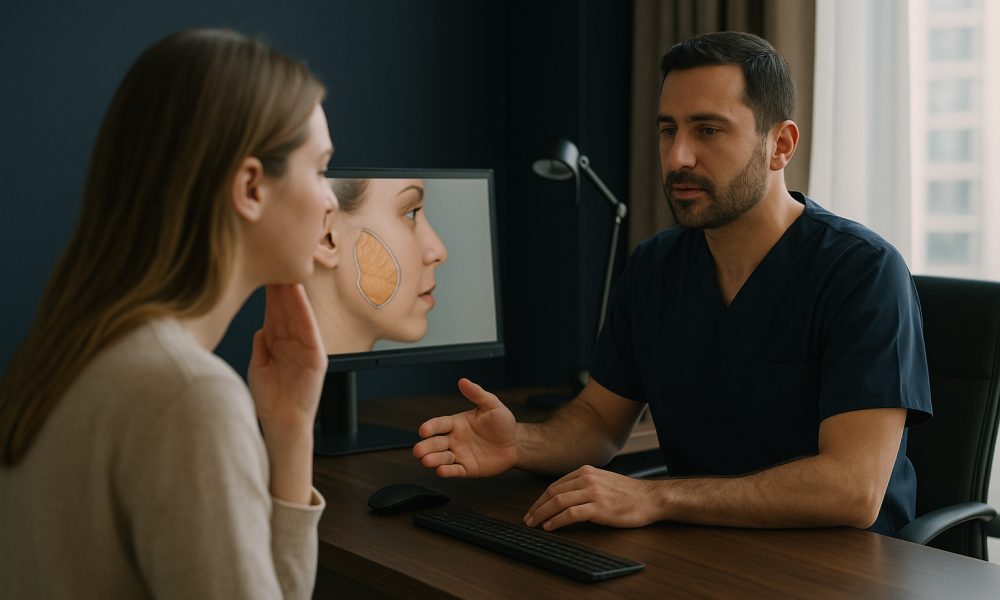
What Buccal Fat Removal is and who it is for
Buccal fat removal, also known as buccal lipectomy, is a cosmetic surgical procedure aimed at reducing the buccal fat pad in the cheeks to create a more contoured facial appearance. This procedure is particularly popular among individuals seeking a slimmer facial profile, as it targets the roundness in the lower part of the face. The buccal fat pad is a naturally occurring section of fat located between the facial muscles, in the hollow area beneath the cheekbone.
In Turkey, buccal fat removal is performed by qualified surgeons in accredited facilities, offering a blend of high-quality care and affordability. The procedure typically lasts between 30 to 60 minutes and can be performed under local or general anaesthesia, depending on the patient’s preference and the surgeon’s recommendation. The process involves a small incision inside the mouth, near the upper molars, through which the surgeon removes the fat pad.
Recovery from buccal fat removal is relatively quick, with most patients returning to work within 3 to 5 days. However, full recovery, during which swelling subsides and the final results become apparent, can take up to 2 to 3 weeks. It is essential for patients to follow post-operative care instructions closely to ensure optimal healing and outcome.
Turkey has become a preferred destination for this procedure due to its combination of skilled surgeons and cost-effective treatment options. The indicative cost of buccal fat removal in Turkey ranges from £1,200 to £2,500, which is considerably lower than the typical prices in Australia, making it an attractive option for many international patients.
Are you a good candidate?
Determining whether you are a good candidate for buccal fat removal involves assessing several factors related to your health, facial structure, and personal goals. This procedure is best suited for individuals who are in good health and have realistic expectations about the outcomes. It is particularly effective for those who feel that their face appears too full or round, and wish to achieve a more defined cheek contour.
However, buccal fat removal is not appropriate for everyone. Ideal candidates are typically:
- Adults with stable body weight.
- Individuals who have a naturally round or full face.
- Non-smokers or those willing to quit smoking before and after the surgery.
- Patients with good overall health and no significant medical conditions that could impair healing.
- Those seeking a modest enhancement and not expecting drastic changes.
Before proceeding with the surgery, it is crucial to have a comprehensive consultation with a qualified surgeon. During this consultation, the surgeon will evaluate your facial structure, discuss your aesthetic goals, and explain the potential risks and benefits of the procedure. It is also an opportunity to address any concerns and ensure that your expectations align with what the surgery can realistically achieve.
It is important to note that buccal fat removal is generally not recommended for individuals with naturally thin faces or those who are older, as the procedure may accentuate facial ageing over time. Additionally, those with significant skin laxity may need to consider complementary procedures to achieve the desired results.
The procedure, step by step
Buccal fat removal is a cosmetic surgery aimed at enhancing facial contours by reducing the volume of buccal fat pads located in the lower cheeks. This procedure is usually performed under local anaesthesia, though general anaesthesia may be used based on individual cases or patient preference. Here is a step-by-step guide to what the procedure involves:
- Pre-operative Consultation: Before the surgery, patients will meet with their surgeon for a detailed consultation. This session involves discussing the patient’s goals, assessing facial anatomy, and reviewing medical history to ensure suitability for the procedure.
- Anaesthesia Administration: On the day of the surgery, the patient is prepared and anaesthesia is administered. Local anaesthesia is most common, numbing the surgical area while keeping the patient awake. Some may opt for sedation or general anaesthesia for added comfort.
- Incision: The surgeon makes a small incision, typically 1-2 cm long, inside the mouth near the second molar. This internal approach results in no visible external scars.
- Buccal Fat Pad Removal: Through the incision, the surgeon carefully accesses the buccal fat pad. The amount of fat removed varies depending on the desired outcome and the surgeon’s assessment. Typically, only a portion of the fat pad is excised to maintain natural facial contours.
- Closure: Once the desired amount of fat is removed, the incision is closed with absorbable sutures. These stitches dissolve naturally and do not require removal.
- Post-operative Monitoring: After the procedure, patients are observed briefly to ensure there are no immediate complications. Most patients are able to return home the same day, following a short recovery period at the clinic.
The entire procedure typically takes about 30 to 60 minutes to complete. Patients are advised to arrange for transportation home, as they may still be under the effects of anaesthesia.
Recovery timeline
Recovering from buccal fat removal surgery in Turkey is generally straightforward, with most patients experiencing minimal discomfort. The recovery period varies per individual, but here is a typical timeline detailing what patients can expect:
| Period | What to expect | Care notes |
|---|---|---|
| Day 1 | Swelling and mild discomfort are common. Patients may feel tightness in the cheeks. | Apply cold compresses to reduce swelling. Take prescribed pain medications as directed. |
| Days 2-3 | Bruising may appear, and swelling could increase slightly. Eating may be uncomfortable. | Stick to a soft or liquid diet to avoid irritation. Maintain good oral hygiene with gentle mouth rinses. |
| Days 4-7 | Swelling begins to decrease. Bruising starts to fade. | Continue using cold compresses as needed. Avoid strenuous activities. |
| Weeks 1-2 | Significant reduction in swelling. Most patients can resume normal activities. | Follow up with your surgeon for a post-operative check-up. Keep incisions clean and dry. |
| Weeks 3-4 | Residual swelling may persist but is typically minimal. Results become more apparent. | Continue to avoid smoking and alcohol to promote healing. Maintain a healthy diet. |
| Full Recovery (4-6 weeks) | Final results are visible. Swelling should be fully resolved. | Adhere to any additional care instructions provided by your surgeon. |
While recovery times can vary, most individuals return to their usual routines within a week, with full results evident after one to two months. It’s crucial to follow all post-operative care instructions to ensure optimal healing and results.
What it costs: Turkey vs Australia
When considering buccal fat removal, cost is a significant factor for many patients. Turkey has become a popular destination for cosmetic procedures, including buccal fat removal, due to its competitive pricing and high-quality care. Below is a comparison of typical price ranges for buccal fat removal in Turkey and Australia. It’s important to note that these figures are indicative and actual costs may vary depending on the clinic, the surgeon’s experience, and the specifics of the procedure.
| Country | Indicative Price Range (GBP) | Typical Package Inclusions |
|---|---|---|
| Turkey | £1,000 – £2,000 |
|
| Australia | £3,000 – £5,000 |
|
In Turkey, many clinics offer comprehensive packages that include additional services such as accommodation and airport transfers, which can significantly enhance the convenience and comfort of international patients. These packages are designed to provide a seamless experience from arrival to departure, allowing patients to focus on their recovery without logistical concerns.
Conversely, in Australia, while the quality of care is high, the costs are typically higher, and packages may not include as many extras. This means that patients might need to organise their accommodation and other logistics independently, potentially adding to the overall expense.
It’s essential for prospective patients to thoroughly research and compare what is included in the packages offered by different clinics in both countries. This will help ensure that they are getting the best value for their money and that their needs and expectations are met.
Risks and how accredited providers manage them
As with any surgical procedure, buccal fat removal carries certain risks. These can include infection, bleeding, scarring, and an adverse reaction to anaesthesia. Other potential complications specific to the procedure may involve asymmetry, nerve damage, or dissatisfaction with the aesthetic outcome. It is crucial for prospective patients to be aware of these risks and to choose a reputable, accredited provider that prioritises safety and quality care.
Accredited providers in Turkey are committed to minimising these risks through rigorous standards and practices. Clinics that cater to international patients often adhere to international accreditation standards, such as those set by the Joint Commission International (JCI). These standards ensure that clinics maintain high levels of hygiene, safety, and patient care.
Prior to the procedure, a comprehensive pre-operative assessment is conducted. This involves a detailed consultation where the surgeon evaluates the patient’s medical history, discusses potential risks, and ensures the patient has realistic expectations. This transparency helps in building trust and allows patients to make informed decisions.
During the procedure, accredited clinics employ advanced surgical techniques and utilise state-of-the-art equipment to enhance precision and safety. Surgeons with extensive experience in buccal fat removal are more adept at managing intraoperative challenges, reducing the likelihood of complications.
Post-operative care is equally important in managing risks. Accredited providers offer detailed aftercare instructions and schedule follow-up appointments to monitor recovery. This ongoing support is crucial in identifying and addressing any issues promptly, thereby minimising the risk of complications.
Furthermore, many clinics offer the availability of a 24/7 helpline for post-operative concerns, providing patients with reassurance and immediate access to professional advice if needed. This level of care is designed to ensure that any potential complications are dealt with swiftly and effectively.
Ultimately, while risks cannot be entirely eliminated, choosing an accredited and experienced provider in Turkey significantly reduces these risks. Patients can take comfort in knowing that these clinics are equipped to provide high-quality care, ensuring their safety and satisfaction throughout the treatment journey.
How to choose the right provider
When considering buccal fat removal in Turkey, choosing the right provider is crucial to ensure a safe and satisfactory outcome. Start by verifying the accreditation of the clinic or hospital. Facilities should be certified by internationally recognised bodies such as the Joint Commission International (JCI) or the Turkish Ministry of Health. These accreditations indicate adherence to high standards of medical care and patient safety.
Next, evaluate the experience of the surgeon. Look for a specialist who has extensive experience in facial cosmetic procedures, particularly buccal fat removal. A seasoned surgeon will have a comprehensive portfolio of before-and-after photos, which can provide insight into their skill and aesthetic style. Additionally, consider surgeons who are members of reputable professional organisations, such as the Turkish Society of Plastic Reconstructive and Aesthetic Surgeons.
Aftercare is another critical aspect of your provider choice. Quality clinics offer comprehensive aftercare plans, including post-operative check-ups and 24/7 patient support. This support is especially important for international patients who may require assistance with recovery in a foreign country. Ask about the availability of English-speaking staff and whether they provide remote follow-up consultations once you return to Australia.
Be aware of red flags that could indicate substandard care. Be cautious of clinics that make unrealistic promises, such as guaranteed outcomes or instant results. Thoroughly research any facility that offers significantly lower prices than the typical range of £1,200 to £2,000, as this could reflect compromised quality or hidden costs. Additionally, avoid providers who pressure you to make quick decisions or fail to provide transparent information about the procedure and associated risks.
In summary, choosing the right provider involves careful research into accreditation, surgeon expertise, aftercare provisions, and awareness of potential red flags. By taking these steps, you can enhance your likelihood of a positive experience and outcome.
Planning your trip
Planning your trip for buccal fat removal in Turkey involves several key steps to ensure a smooth and stress-free experience. Begin by establishing a timeline for your travel. It is advisable to contact your chosen clinic at least three months in advance to allow ample time for consultations, travel arrangements, and visa applications if necessary.
Ensure you have all required documents ready. Australian citizens can enter Turkey for tourism or medical purposes without a visa for stays up to 90 days within a 180-day period. However, confirm the latest travel advisories and entry requirements, as these can change.
Consider the length of stay needed for the procedure and recovery. Typically, patients are advised to remain in Turkey for at least one week post-surgery. This allows adequate time for initial healing and follow-up appointments with your surgeon. During this period, you may need to attend multiple check-ups to ensure the recovery is progressing as expected.
It’s also important to plan for follow-up care once you return home. Discuss with your Turkish surgeon the possibility of remote consultations, which can be conducted via video calls or emails. Additionally, arrange for a local healthcare provider in Australia who can assist with any necessary follow-up care or complications that may arise.
Financial planning is crucial. While the procedure itself may range from £1,200 to £2,000, factor in additional costs such as flights, accommodation, and travel insurance. Consider purchasing comprehensive travel insurance that covers medical tourism, as this can offer peace of mind in unforeseen circumstances.
In conclusion, thorough planning and preparation are essential for a successful medical tourism experience in Turkey. By carefully organising your timeline, documents, and follow-up care, you can focus on a smooth recovery and achieving your desired aesthetic results.
Frequently Asked Questions
What is the typical cost of buccal fat removal in Turkey?
The cost of buccal fat removal in Turkey typically ranges from £1,200 to £2,000. This range is indicative and can vary based on the clinic, the surgeon's experience, and the location of the facility. It's important to inquire about what is included in the price, such as consultations, post-operative care, and any additional fees, to ensure there are no hidden costs.
How do I verify a clinic's accreditation in Turkey?
To verify a clinic's accreditation in Turkey, look for certifications from internationally recognised bodies like the Joint Commission International (JCI) or the Turkish Ministry of Health. These accreditations ensure that the clinic adheres to high standards of medical care and patient safety. You can often find this information on the clinic's website or by directly contacting them for verification.
What qualifications should I look for in a surgeon?
When selecting a surgeon for buccal fat removal, look for qualifications such as extensive experience in facial cosmetic procedures, membership in reputable professional organisations like the Turkish Society of Plastic Reconstructive and Aesthetic Surgeons, and a portfolio of before-and-after photos. These factors can help assure you of the surgeon's skill and aesthetic judgment.
How long should I plan to stay in Turkey after the procedure?
It is typically recommended to stay in Turkey for at least one week after the buccal fat removal procedure. This duration allows sufficient time for initial recovery and follow-up appointments with your surgeon. During this period, you can ensure that the healing process is progressing well before returning home.
What should I include in my travel insurance for medical tourism?
When purchasing travel insurance for medical tourism, ensure it covers medical expenses related to the procedure, complications, trip cancellations, and emergency medical evacuations. Comprehensive coverage provides peace of mind by protecting against unforeseen circumstances during your trip and treatment abroad.
What is the recovery process like after buccal fat removal?
The recovery process after buccal fat removal typically involves some swelling and discomfort for the first few days. Most patients can return to normal activities within a week, but complete healing may take several weeks. Follow your surgeon's post-operative care instructions carefully to ensure a smooth recovery.
Can I have remote follow-up consultations after returning to Australia?
Yes, many clinics offer remote follow-up consultations through video calls or emails. It's important to discuss this option with your surgeon before the procedure to ensure that you can receive continued care and advice once you return to Australia. Having a local healthcare provider for in-person follow-ups is also recommended.
What are the risks associated with buccal fat removal?
As with any surgical procedure, buccal fat removal carries risks such as infection, bleeding, asymmetry, or dissatisfaction with the aesthetic outcome. Choosing an experienced surgeon and following post-operative care instructions can minimise these risks. Discuss potential risks and complications with your surgeon during the consultation.
Are there any red flags to watch out for when choosing a clinic?
Red flags include clinics that make unrealistic promises, offer significantly lower prices than the typical range, pressure you to make quick decisions, or lack transparency about the procedure and its risks. Ensure the clinic is accredited, and the surgeon is experienced and qualified to perform buccal fat removal.
How do I prepare for the procedure before travelling?
Preparation involves scheduling consultations with your chosen clinic, understanding the procedure and risks, arranging travel documents, and planning your stay in Turkey. Ensure you have a clear timeline for consultations, surgery, recovery, and follow-up care. Financial planning and securing comprehensive travel insurance are also essential.
What documents do I need to travel to Turkey for surgery?
Australian citizens do not require a visa for stays up to 90 days within a 180-day period for tourism or medical purposes in Turkey. Ensure your passport is valid for at least six months beyond your planned departure date. Check the latest travel advisories and entry requirements before your trip.
Is buccal fat removal safe?
Buccal fat removal is generally considered safe when performed by an experienced and qualified surgeon. However, like any surgical procedure, it carries risks. It's crucial to choose a reputable clinic and surgeon, adhere to pre-and post-operative instructions, and be informed about potential risks and complications.