
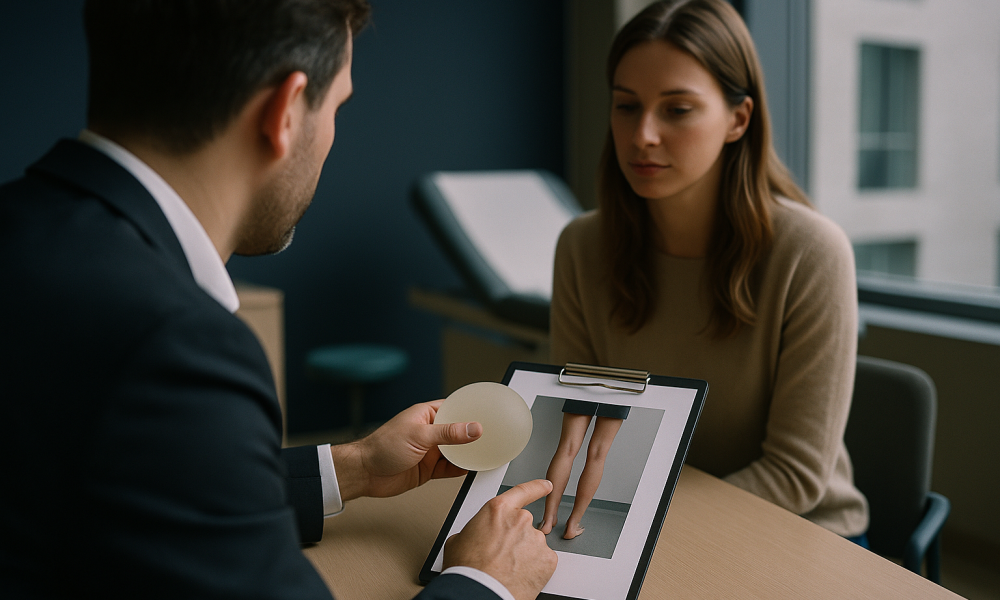
What Calf Implants is and who it is for
Calf implant surgery, also known as calf augmentation, is a cosmetic procedure designed to enhance the size and shape of the lower legs. This procedure involves the insertion of silicone implants into the calf area to provide a more defined and muscular appearance. It is particularly popular among individuals who feel that their calves are disproportionately small compared to their thighs or upper body, or those who have experienced muscle atrophy due to injury or medical conditions.
The implants used in calf augmentation are typically made of solid silicone, which is chosen for its durability and natural feel. These implants come in various sizes and shapes, allowing for a customised approach that caters to the unique anatomy and aesthetic goals of each patient. The procedure is performed under general anaesthesia and usually takes between one to two hours to complete.
Calf implants are suitable for both men and women. Men often seek this surgery to achieve a more athletic and muscular look, while women may desire a more symmetrical or proportionate appearance. The surgery can address congenital or acquired conditions that affect calf size, such as clubfoot or polio.
Turkey has become a leading destination for calf implant surgery due to its combination of skilled surgeons, state-of-the-art facilities, and competitive pricing. Patients from Australia and other countries are increasingly turning to Turkish clinics for their cosmetic surgery needs, benefiting from high standards of care and the opportunity to recover in a culturally rich environment.
It is important for prospective patients to understand that while calf implants can significantly enhance the appearance of the legs, they do not increase muscle strength or improve athletic performance. The procedure is purely aesthetic, aimed at improving self-confidence and body image.
Are you a good candidate?
Determining candidacy for calf implant surgery involves a comprehensive evaluation of both physical and psychological factors. Potential candidates should be in good overall health and possess realistic expectations about the outcomes of the surgery. Here are some key considerations:
- Overall Health: Candidates should be in good physical health, free from serious medical conditions that could complicate surgery or recovery. This includes controlling chronic illnesses such as diabetes or hypertension.
- Body Mass Index (BMI): Individuals with a BMI within the normal range are typically better candidates, as extreme weight fluctuations can affect the results.
- Leg Proportions: Those who feel their calves are disproportionately small compared to their thighs or upper body, or have asymmetrical calves, may benefit from this procedure.
- Psychological Preparedness: Candidates should have a stable mental health status, understanding the limitations and risks associated with cosmetic surgery.
- Realistic Expectations: It is crucial for candidates to have a realistic understanding of what calf implants can achieve. While they can enhance the appearance of the legs, they will not improve physical performance.
- Non-Smokers: Smoking can impede healing and increase the risk of complications, so candidates are advised to stop smoking well before the surgery.
- Age Considerations: While there is no specific age limit, candidates should be mature enough to understand the procedure and its implications.
If you meet these criteria, you may be considered a good candidate for calf implant surgery in Turkey. Consultation with a qualified surgeon is essential to evaluate your specific situation and discuss your goals, ensuring that calf implants are the right choice for you.
The procedure, step by step
Undergoing calf implant surgery in Turkey involves a well-structured process that ensures patient safety and optimal outcomes. Here is a detailed step-by-step guide of what to expect during the procedure:
- Consultation and Assessment: Prior to the surgery, you will have a comprehensive consultation with a board-certified plastic surgeon. This session typically involves discussing your goals, reviewing your medical history, and assessing the size and shape of the implants that will best suit your anatomy. The surgeon may use computer imaging to give you a visual preview of the expected results.
- Preoperative Preparation: On the day of surgery, preoperative preparations include fasting for at least 6-8 hours before the procedure. The medical team will conduct final checks, including blood tests and an anaesthetic evaluation. You will be briefed about the procedure and post-operative care, and required to sign consent forms.
- Anaesthesia: The procedure is typically performed under general anaesthesia, although in some cases, spinal anaesthesia may be used. The anaesthetist will administer the anaesthetic and monitor your vital signs throughout the surgery.
- Incision and Implant Placement: The surgeon will make a small incision, usually in the natural crease behind your knee. Through this incision, a pocket is created where the silicone implant will be inserted. The implant is carefully positioned to achieve the desired contour and symmetry. The choice between solid silicone implants or cohesive gel implants will be made based on your specific needs and the surgeon’s recommendation.
- Closing the Incision: Once the implants are in place, the incision is closed using sutures. The surgeon will ensure that the closure is done meticulously to minimise scarring. A sterile dressing is applied to protect the incision site.
- Immediate Postoperative Care: After the procedure, you will be moved to a recovery area where medical staff will monitor you as the anaesthesia wears off. You may experience some discomfort and tightness in the calf area, which is normal and can be managed with prescribed pain relief medication.
Recovery timeline
The recovery process after calf implant surgery is crucial for achieving optimal results and involves several stages. Below is a detailed timeline outlining what patients can typically expect during recovery:
| Period | What to expect | Care notes |
|---|---|---|
| Day 1-3 | Initial swelling and bruising are common. You may feel discomfort and tightness, and mobility will be limited. | Maintain your legs elevated when resting to reduce swelling. Follow your surgeon’s instructions regarding medication and wound care. |
| Day 4-7 | Swelling begins to decrease, but some bruising may persist. You can start moving around more but should avoid putting strain on your legs. | Wear compression garments as advised to support the calves and enhance healing. Continue to keep legs elevated when possible. |
| Week 2-3 | Bruising should largely subside, and you will start feeling more comfortable. Most patients return to light daily activities. | Engage in gentle walking to promote circulation, but avoid strenuous activities and heavy lifting. Attend follow-up appointments with your surgeon. |
| Week 4-6 | Swelling should be significantly reduced, and the implants will begin to settle into a more natural position. | Gradually reintroduce light exercise, such as cycling or swimming. Continue wearing compression garments if advised by your surgeon. |
| Week 7-12 | Most of the swelling will have resolved, and you should see the final results of the surgery. Normal activities can be resumed. | Engage in regular follow-up visits to monitor progress. You may slowly return to more intense physical activities as approved by your surgeon. |
It is essential to adhere to all care instructions provided by your healthcare team to ensure a smooth recovery and achieve the best possible outcome.
5. What it costs: Turkey vs Australia
When considering calf implants in Turkey, cost is a significant factor for many international patients. It’s crucial to understand that prices can vary widely based on several factors such as the complexity of the procedure, the surgeon’s experience, and the geographical location of the clinic. Nevertheless, Turkey is often cited as a cost-effective destination compared to many Western countries, including Australia.
The following table provides a comparison of indicative price ranges for calf implant procedures in Turkey and Australia. These figures are intended as a guide and actual costs may differ based on individual circumstances and specific clinic offerings.
| Location | Indicative Price Range (GBP) | What Packages Typically Include |
|---|---|---|
| Turkey | £2,500 – £4,000 |
|
| Australia | £5,000 – £8,000 |
|
As seen in the table, Turkey offers a significant cost advantage, with packages often including additional services such as hotel accommodation and airport transfers, which can add value and convenience for international patients. The lower cost in Turkey does not necessarily equate to lower quality. The country has a well-established medical tourism industry, with many clinics accredited by international bodies, ensuring high standards of care.
It is important to verify the inclusions of any package thoroughly and understand what additional costs might arise, such as travel expenses, meals, and any unforeseen medical needs. Consulting with multiple clinics and discussing your specific needs can help tailor a package that suits your requirements and budget.
6. Risks and how accredited providers manage them
Like any surgical procedure, calf implants carry certain risks. These can include infection, bleeding, scarring, implant shifting, and in rare cases, complications related to anaesthesia. However, understanding these risks and how they are managed by accredited providers in Turkey can help alleviate concerns and contribute to a successful surgical outcome.
Accredited clinics in Turkey follow stringent protocols to minimise risks. Pre-operative assessments are thorough, including detailed medical histories and physical examinations to ensure patients are suitable candidates for surgery. Surgeons often use advanced imaging techniques to plan the procedure precisely, reducing the likelihood of complications.
During the surgery, experienced anaesthetists are present to monitor the patient’s vital signs closely, ensuring that any signs of complications are addressed immediately. Surgical teams in accredited clinics often employ state-of-the-art equipment and sterile techniques to minimise the risk of infection. Post-surgery, patients are closely monitored in recovery rooms equipped with the necessary facilities to manage any immediate post-operative concerns.
Post-operative care is another critical component of risk management. Accredited providers typically offer comprehensive aftercare plans, which include regular follow-up appointments to monitor healing and address any complications that may arise. Patients are given detailed instructions on wound care, activity restrictions, and symptoms to watch for, such as signs of infection or implant displacement.
Moreover, communication between the patient and the healthcare provider is emphasised. Many clinics offer 24/7 support lines staffed by medical professionals to address any concerns that may arise post-surgery, providing peace of mind to both patients and their families.
It’s worth noting that choosing an accredited provider is crucial. Accreditation from reputable international bodies indicates adherence to high standards of safety and quality. Patients are encouraged to verify the accreditation status of the clinic and the credentials of the surgeon before proceeding with treatment.
In summary, while risks are inherent in any surgical procedure, the proactive measures taken by accredited providers in Turkey significantly mitigate these risks, ensuring that patients receive high-quality care throughout their treatment journey.
How to choose the right provider
Choosing the right provider for calf implants in Turkey involves several critical considerations, ensuring safety and satisfaction. Accreditation is a fundamental aspect. Ensure that the medical facility is accredited by reputable organisations such as the Joint Commission International (JCI) or the Turkish Ministry of Health. These accreditations indicate adherence to international healthcare standards.
The experience of the surgeon is another key factor. Look for surgeons who specialise in cosmetic and reconstructive surgery, with specific experience in calf implants. Verify their qualifications, such as board certification and membership in professional associations like the Turkish Society of Plastic Reconstructive and Aesthetic Surgeons. It is advisable to ask for before-and-after photos of previous patients and, if possible, speak to past patients about their experiences.
Aftercare is a crucial component of your treatment journey. The provider should offer comprehensive aftercare plans, which include follow-up appointments and emergency contact information. Inquire about the post-operative care facilities and ensure that they are equipped to handle any complications that may arise. Effective communication is also essential; the provider should be able to converse fluently in English or provide a translator to avoid any misunderstandings.
Be aware of red flags that might indicate a less reliable provider. Beware of clinics that make unrealistic guarantees about outcomes or offer prices significantly lower than the typical range of £2,500 to £4,000 for calf implants. Additionally, avoid providers who pressure you to make quick decisions or do not allow sufficient time for consultation and informed consent.
In summary, choosing the right provider involves thorough research into accreditation, surgeon experience, aftercare provisions, and awareness of potential red flags. Taking these steps will help ensure a safe and satisfactory experience with calf implants in Turkey.
Planning your trip
Proper planning is essential when travelling from Australia to Turkey for calf implant surgery. Begin by establishing a timeline. It is advisable to start consultations with your chosen provider at least three months before your intended surgery date. This allows ample time for discussions, planning, and any required pre-operative tests.
Ensure your travel documents are in order. Australians need a valid passport and may require a visa to enter Turkey, which can often be obtained online as an e-Visa. Verify the latest travel advisories and entry requirements, as these can change.
Plan your length of stay carefully. Typically, patients are advised to stay in Turkey for 10 to 14 days. This duration allows time for pre-operative consultations, the surgery itself, and an initial recovery period. The first few days post-surgery are crucial for monitoring and addressing any immediate complications.
After the initial recovery phase, you will need to arrange follow-up care once back in Australia. Discuss with your surgeon the details of post-operative care and identify a local healthcare provider who can assist with follow-up appointments and any necessary rehabilitation. It is vital to have a clear understanding of the recovery milestones and any signs that should prompt immediate medical attention.
Consider practical aspects such as accommodation and transportation. Choose lodging that is comfortable and in proximity to your medical facility. Some clinics offer packages that include accommodation and airport transfers, which can simplify logistics.
Lastly, ensure you have comprehensive travel insurance that covers medical procedures and any unforeseen complications. This provides peace of mind and financial protection during your medical trip.
Frequently Asked Questions
What are the typical costs of calf implants in Turkey?
The typical cost for calf implant surgery in Turkey ranges from £2,500 to £4,000. This price generally includes the surgery, anaesthesia, and initial hospital stay. However, additional costs may arise from pre-operative tests, extended hospital stays, or specific aftercare services. It's important to confirm what is included in the quoted price with your provider.
Is calf implant surgery safe?
Calf implant surgery is generally safe when performed by a qualified and experienced surgeon in an accredited facility. However, as with any surgical procedure, it carries risks such as infection, bleeding, or implant displacement. Choosing a reputable provider and following post-operative care instructions can significantly minimise these risks.
What should I consider when choosing a surgeon?
When choosing a surgeon, consider their qualifications, experience, and specialisation in calf implants. Look for board certification and membership in professional associations. Request to see before-and-after photos of previous patients and, if possible, speak with past patients about their experiences. Additionally, ensure the surgeon communicates clearly and addresses all your concerns.
How long is the recovery period after calf implant surgery?
The recovery period for calf implant surgery typically lasts several weeks. Patients can usually return to light activities within two weeks, but it may take up to six weeks to resume more strenuous activities. Swelling and discomfort are common in the initial days post-surgery, and following your surgeon's aftercare instructions is crucial for a smooth recovery.
What follow-up care is needed after the surgery?
Follow-up care includes regular check-ups with your surgeon to monitor healing and address any complications. Patients should also have access to a local healthcare provider for ongoing care once they return home. It's important to adhere to any prescribed rehabilitation exercises to ensure optimal results and minimise complications.
Will I need to stay overnight in the hospital?
Most patients undergoing calf implant surgery will need to stay at least one night in the hospital for monitoring. This allows medical staff to manage any immediate post-operative issues and ensure your safety before discharge. The length of stay may vary based on individual circumstances and the surgeon's recommendations.
How soon can I travel after the surgery?
Patients are generally advised to wait at least one to two weeks before travelling after calf implant surgery. This waiting period allows for initial recovery and ensures that any immediate complications are addressed. Always follow your surgeon's advice regarding travel to avoid compromising your recovery.
What are the signs of complications after calf implant surgery?
Signs of complications may include excessive swelling, severe pain, fever, or signs of infection such as redness and discharge at the incision site. If you experience any of these symptoms, contact your healthcare provider immediately. Timely intervention can prevent more serious issues from developing.
Can I finance my calf implant surgery?
Many clinics in Turkey offer financing options or payment plans for international patients. It's advisable to discuss these options with your chosen provider to understand the terms and conditions. Ensure that you have a clear understanding of any interest rates or additional fees associated with financing.
Are there non-surgical alternatives to calf implants?
Non-surgical alternatives to calf implants include treatments like fat grafting or filler injections. These options may provide temporary enhancement and are less invasive, but they may not offer the same level of augmentation as implants. Consult with your surgeon to explore the best options for your specific goals and needs.
How do I prepare for calf implant surgery?
Preparation involves medical evaluations, such as blood tests and imaging, to ensure you are fit for surgery. You should also discuss your medical history and any current medications with your surgeon. Avoid smoking and certain medications like blood thinners in the weeks leading up to surgery, as advised by your healthcare provider.
What should I pack for my trip to Turkey for surgery?
Pack comfortable clothing, personal hygiene items, and any prescribed medications. Include important documents such as your passport, visa, medical records, and insurance information. It's also wise to bring items for entertainment and comfort during recovery, such as books or a tablet. Ensure you have contact details for your healthcare provider and accommodation at hand.