
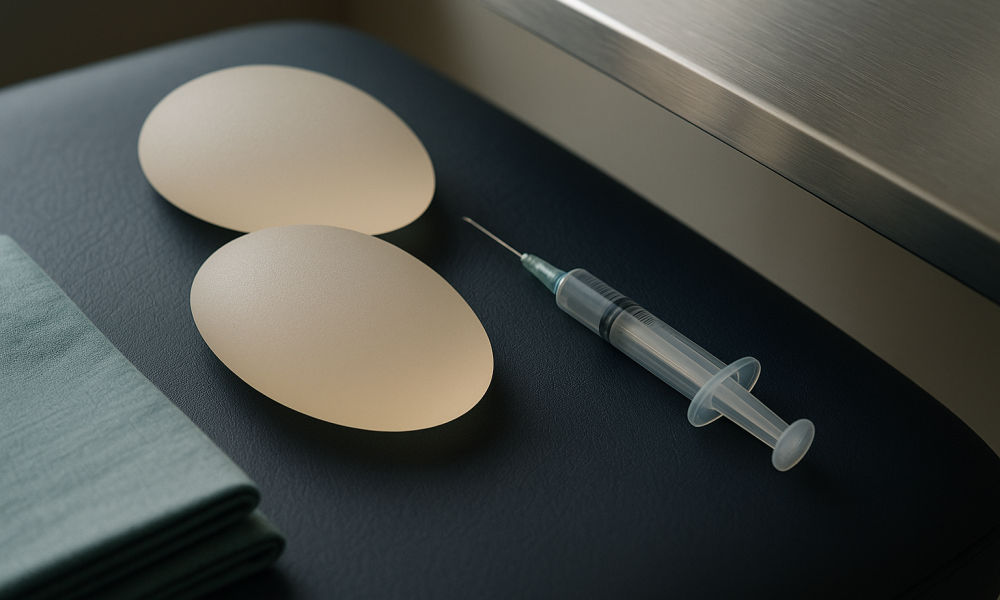
What Calf Implants is and who it is for
Calf implants are a surgical procedure designed to enhance the size and shape of the calf muscles. This procedure is often sought by individuals looking to achieve a more proportionate and muscular appearance in their lower legs. It can be particularly beneficial for those who have underdeveloped calves due to genetic factors or those who have experienced muscle loss due to injury or disease. By inserting silicone-based implants into the calf area, patients can achieve a fuller, more defined leg contour.
In Turkey, calf implant procedures have become increasingly popular due to the high standard of medical care and the relatively lower cost compared to many Western countries. The procedure typically takes between one to two hours to complete and is performed under general anaesthesia. Patients usually stay in the hospital for one night following the surgery to ensure proper recovery and monitoring.
The implants themselves are made from a durable silicone material that is designed to mimic the natural feel of muscle tissue. These implants come in various sizes and shapes, allowing for a customised fit that aligns with the patient’s aesthetic goals. The choice of implant size and shape is typically determined during a pre-operative consultation where the surgeon assesses the patient’s anatomy and discusses their desired outcome.
Calf implants are suitable for both men and women who desire enhanced calf definition. While some individuals may seek this procedure purely for cosmetic reasons, others may require it as part of reconstructive surgery following trauma or congenital deformities. The procedure is generally safe, but as with any surgery, it carries potential risks and complications such as infection, implant displacement, or scarring. Therefore, choosing a qualified and experienced surgeon is crucial to achieving the best results.
Are you a good candidate?
Determining if you are a good candidate for calf implants involves a thorough evaluation of your health, goals, and expectations. This procedure is not suitable for everyone, and certain criteria must be met to ensure safety and effectiveness. Here are some considerations to help assess your candidacy:
- General Health: You should be in good overall health, with no underlying conditions that could complicate surgery or recovery. Conditions such as uncontrolled diabetes or cardiovascular issues may disqualify you.
- Realistic Expectations: It’s important to have realistic expectations about the outcomes of calf implants. While the procedure can significantly enhance leg contour, it will not drastically change your overall body shape.
- Non-smoker: Smoking can interfere with healing and increase the risk of complications. Candidates are typically advised to quit smoking several weeks before and after the procedure.
- Stable Weight: Maintaining a stable weight is crucial, as significant weight fluctuations can affect the results of the surgery.
- Specific Aesthetic Goals: You should have a clear idea of what you hope to achieve with calf implants, which will guide the consultation and planning process.
- Age: Candidates should be over the age of 18 and have fully developed muscles and bones.
During the initial consultation, your surgeon will discuss your medical history and conduct a physical examination to determine if you are a suitable candidate. They will also explain the procedure in detail, including the potential risks and benefits, to ensure you are making an informed decision. It is crucial to communicate openly with your surgeon about your goals and any concerns you may have.
The procedure, step by step
Calf implant surgery, also known as calf augmentation, is designed to enhance the size and shape of the calves. It is a procedure that typically lasts between 1 to 2 hours and is performed under general anaesthesia. Here’s a detailed look at the steps involved in the procedure:
- Consultation and Planning: Before the surgery, a thorough consultation with a qualified plastic surgeon is essential. During this session, the surgeon will discuss your goals, assess your leg anatomy, and help you choose the appropriate implant size and shape. This decision is based on your desired outcome, body proportions, and existing calf muscle structure.
- Preoperative Preparation: On the day of the surgery, you will be prepared for the procedure. This includes fasting for at least 6 hours before surgery, removing any jewellery, and changing into a surgical gown. The surgical team will also conduct a preoperative assessment to ensure you are fit for anaesthesia.
- Anaesthesia Administration: Once in the operating room, you will be administered general anaesthesia. This ensures that you are unconscious and pain-free throughout the procedure. In some cases, a spinal block may be used, depending on the surgeon’s preference and the patient’s medical history.
- Incision and Pocket Creation: The surgeon will make a small incision, usually about 3 to 5 centimetres, in the natural crease behind the knee. This location helps to minimise visible scarring. Through this incision, the surgeon creates a pocket between the fascia (the fibrous tissue covering the muscle) and the underlying muscle, where the implant will be placed.
- Implant Placement: The chosen silicone implant, which can vary in size and shape, is carefully inserted into the pocket. The surgeon will ensure the implant is positioned symmetrically and securely, providing a natural and balanced appearance.
- Closure and Dressing: After the implants are correctly positioned, the surgeon will close the incision with sutures. These may be dissolvable, or you may need to return for removal. A sterile dressing is applied to protect the incision site, and compression garments may be recommended to reduce swelling and support the area.
- Recovery Room: Post-procedure, you will be moved to a recovery room where medical staff will monitor your vital signs as you awaken from anaesthesia. Pain management and postoperative care instructions will be provided before discharge.
Recovery timeline
Recovery from calf implant surgery involves several stages, each requiring specific care measures to ensure optimal healing and results. Here’s a detailed timeline of what you can expect:
| Period | What to expect | Care notes |
|---|---|---|
| Day 1 | Immediately post-surgery, you will experience swelling, bruising, and discomfort in the calf area. Mobility will be limited, and you may feel groggy from anaesthesia. | Rest in a reclining position with legs elevated to reduce swelling. Use prescribed pain medication as needed. Begin gentle foot movements to encourage circulation. |
| Days 2-7 | Swelling and bruising will persist, but should gradually decrease. You may start to notice some improvement in mobility, though walking will be limited to short distances. | Continue to wear compression garments as directed. Attend follow-up appointments for wound assessment. Avoid strenuous activities and keep the legs elevated when resting. |
| Weeks 2-4 | Bruising should fade, and swelling will significantly reduce. You will gradually regain normal mobility, though some stiffness may remain. | Avoid heavy lifting or intense leg exercises. Gentle stretching can help improve flexibility. Continue wearing compression garments if advised by your surgeon. |
| Weeks 5-8 | Most swelling should resolve, and the implants will settle into a more natural position. Scarring will begin to mature and fade. | Resume light physical activities, but still avoid high-impact sports. Scar massage techniques may be recommended to improve the appearance of scars. |
| 2-3 Months | Full recovery is typically achieved by this stage. The final results will be more apparent, and you can return to most normal activities. | Consult your surgeon before resuming high-impact activities. Maintain a healthy lifestyle to support long-term results. Regular check-ups may be scheduled to monitor progress. |
What it costs: Turkey vs the United States
When considering calf implant surgery, cost is an important factor for many patients. Turkey has become a popular destination for this procedure, offering competitive prices compared to those in the United States. However, it’s crucial to understand that prices can vary based on several factors, including the specific clinic, the surgeon’s experience, and the details of the package offered. Below is a comparison of indicative price ranges for calf implant surgery in Turkey and the United States, along with typical inclusions in surgical packages.
| Location | Indicative Price Range (USD) | Typical Package Inclusions |
|---|---|---|
| Turkey | $3,500 – $5,500 |
|
| United States | $8,000 – $12,000 |
|
It is evident from the table that the cost of calf implant surgery in Turkey is generally lower than in the United States. This difference is largely due to the lower cost of living and medical practice expenses in Turkey, as well as the competitive nature of the medical tourism industry. Additionally, many Turkish clinics offer comprehensive packages that include not only the surgery itself but also logistical support such as airport transfers and accommodation, which can significantly reduce the overall cost and stress for international patients.
It’s important to note that while the lower cost in Turkey is attractive, patients should thoroughly research and choose accredited clinics with experienced surgeons to ensure safety and quality care. Always consult directly with clinics to get a detailed breakdown of costs and inclusions for a more accurate understanding tailored to your needs.
Risks and how accredited providers manage them
Like any surgical procedure, calf implant surgery carries certain risks that prospective patients should be aware of. Common risks include infection, bleeding, scarring, and adverse reactions to anaesthesia. More specific concerns related to calf implants may involve implant displacement, asymmetry, and in rare cases, nerve or muscle damage. Understanding these risks is crucial for making an informed decision about undergoing surgery abroad.
Accredited healthcare providers in Turkey manage these risks through a series of stringent protocols designed to ensure patient safety and successful outcomes. Firstly, clinics and surgeons who are accredited by international bodies such as the Joint Commission International (JCI) adhere to high standards of medical practice. This accreditation ensures that the clinic follows rigorous safety protocols, including sterilisation procedures and emergency preparedness.
Pre-operative assessments play a vital role in risk management. Patients undergo thorough evaluations to determine their suitability for surgery, which includes a review of medical history, physical examinations, and sometimes additional tests like blood work or imaging studies. This careful screening helps identify any potential issues that could complicate the surgery or recovery process.
During the surgery, experienced anaesthesiologists and surgical teams work together to monitor the patient’s vital signs closely, ensuring that any adverse reactions are swiftly addressed. Surgeons in accredited facilities are typically well-trained, often having completed additional training in Europe or the United States, and they employ advanced techniques to minimise risks such as implant displacement or asymmetry.
Post-operative care is another critical factor in managing risks. Accredited clinics provide detailed aftercare instructions and support, including scheduled follow-up appointments to monitor the healing process and address any concerns that may arise. Many clinics offer 24/7 access to medical staff during the initial recovery phase, which is particularly reassuring for international patients who may be unfamiliar with local healthcare systems.
In conclusion, while the risks associated with calf implant surgery cannot be entirely eliminated, choosing an accredited provider in Turkey can significantly mitigate them. Comprehensive pre-operative assessments, skilled surgical teams, and robust post-operative care protocols all contribute to managing and minimising potential complications, providing patients with a safer and more reassuring experience.
7. How to choose the right provider
Choosing the right provider for calf implants in Turkey is crucial to ensure a safe and satisfactory experience. Begin by verifying the accreditation of the healthcare facility. Look for clinics that are accredited by international bodies such as the Joint Commission International (JCI) or the European ISO standards. These accreditations suggest that the clinic adheres to high standards of medical care and patient safety.
Next, research the experience and qualifications of the surgeons. A qualified surgeon will typically be board-certified and have extensive experience in performing calf implant procedures. It is beneficial to request before-and-after photos of previous patients and, if possible, speak to past patients to gain insights into their experiences. Consider the surgeon’s specialisation in cosmetic surgery and their specific experience with calf implants.
Aftercare services are an essential aspect of your treatment journey. A reputable clinic will provide comprehensive aftercare, including follow-up appointments and clear instructions for post-operative care. Ensure that there is a structured aftercare program that includes emergency contact information in case of complications.
Be aware of red flags when selecting a provider. Avoid clinics that make unrealistic promises or guarantees regarding outcomes, as these can be misleading and unethical. Transparency in communication is key; ensure all aspects of the procedure, including risks, are clearly explained. Additionally, be cautious of clinics offering significantly lower prices than the typical range of £3,000 to £5,000, as this may indicate a compromise on quality or safety.
Finally, consider the overall patient experience. Factors such as the professionalism of the staff, the cleanliness of the facility, and the availability of a dedicated patient coordinator who speaks your language can greatly enhance your experience and peace of mind.
8. Planning your trip
Planning your trip for calf implants in Turkey involves careful consideration of several factors to ensure a smooth experience. Start by establishing a timeline before your travel. It is advisable to begin planning at least 2 to 3 months in advance to allow ample time for research, consultations, and bookings.
Ensure all necessary documents are in order. You will need a valid passport with at least six months of validity remaining. Depending on your nationality, a visa might be required to enter Turkey; check the latest visa requirements and apply in advance if necessary. It is also wise to have comprehensive travel insurance that covers medical procedures and any potential complications.
The typical length of stay for a calf implant procedure is around 7 to 10 days. This duration accounts for pre-operative consultations, the surgery day, and initial recovery time. During your stay, you should plan for a few days of rest post-surgery before you are fit to travel back home.
Consider the logistics of your stay, including accommodation and transportation. Many clinics offer packages that include airport transfers and hotel stays, which can simplify your travel arrangements. If arranging independently, book accommodation close to the clinic to minimise travel after surgery.
Post-surgery, follow-up care is critical. Before leaving Turkey, ensure you have detailed instructions for your recovery and a schedule for follow-up appointments. Discuss with your surgeon whether any follow-up can be conducted with a local healthcare provider in your home country. This can be particularly useful for routine checks or if any issues arise once you return home.
Finally, ensure you have a support system in place. Travelling with a companion can provide both emotional support and practical help during your recovery period. This person can assist with transportation and communication if needed, enhancing your overall experience.
Frequently Asked Questions
What is the typical cost of calf implants in Turkey?
The cost of calf implants in Turkey typically ranges from £3,000 to £5,000. This price can vary based on the clinic's location, the surgeon's experience, and the specific services included in the treatment package, such as aftercare and accommodation. Patients should consider the total cost of the procedure, including travel expenses, when planning their treatment abroad.
Are calf implants in Turkey safe?
Calf implant procedures in Turkey can be safe, provided you choose a reputable clinic with qualified, experienced surgeons. Look for clinics accredited by international bodies like JCI and ensure that the surgeon is board-certified. Safety also depends on following pre- and post-operative care instructions carefully. Always discuss potential risks with your surgeon before proceeding.
How long is the recovery period after calf implants?
The initial recovery period after calf implant surgery is typically 2 to 3 weeks. During this time, you may experience swelling and discomfort, which can be managed with prescribed medications. Most patients can resume light activities after this period, but full recovery, allowing for high-impact activities, can take up to 6 weeks. Always follow your surgeon's recovery guidelines.
Can I travel alone for my calf implant surgery?
While it is possible to travel alone for calf implant surgery, it is recommended to have a companion. A travel companion can provide support during the recovery period, assist with transportation, and help manage any unforeseen complications. Having someone with you can make the experience more comfortable and reassuring.
What should I pack for my trip to Turkey for surgery?
When packing for your trip to Turkey for calf implant surgery, include comfortable clothing, essential toiletries, and any medications you regularly take. It’s also advisable to bring a copy of your medical records, your passport, and an insurance card. Comfortable shoes and loose-fitting trousers are essential for post-operative comfort.
How do I manage language barriers during my treatment?
Many clinics in Turkey catering to international patients have multilingual staff or offer translation services to help overcome language barriers. Confirm with your chosen clinic that they provide these services. Additionally, having a patient coordinator who speaks your language can facilitate communication and ensure you understand all aspects of your care.
Will I need follow-up appointments after returning home?
Yes, follow-up appointments are crucial after returning home to monitor your recovery and ensure there are no complications. Your Turkish surgeon may provide you with a schedule for follow-up care, which can often be conducted with a local healthcare provider. Ensure you have all necessary documentation and instructions before leaving Turkey.
What are the risks associated with calf implants?
As with any surgical procedure, calf implants carry certain risks, including infection, bleeding, implant displacement, and adverse reactions to anaesthesia. Discuss these risks with your surgeon, who can provide detailed information based on your health and the specifics of the procedure. Following all pre- and post-operative instructions can help minimise these risks.
How soon can I return to work after the surgery?
Most patients can return to office-based work within 1 to 2 weeks after calf implant surgery, provided their job does not require significant physical activity. If your job is more physically demanding, you may need to take additional time off. Always consult with your surgeon regarding your specific situation and recovery progress.
Can I combine my surgery with a holiday in Turkey?
While it is possible to combine surgery with a holiday, it is essential to prioritise recovery time. After calf implant surgery, you will need several days of rest, and activities should be limited to ensure proper healing. Plan any sightseeing or leisure activities before your surgery or after you have sufficiently recovered.
What should I expect during the consultation with the surgeon?
During the consultation, the surgeon will assess your medical history, discuss your goals, and examine your calves to determine the best approach. They will explain the procedure, potential risks, and expected outcomes. This is an opportunity to ask questions and discuss any concerns you may have. The consultation helps ensure that you are a good candidate for the surgery.
How do I check a surgeon’s credentials in Turkey?
To verify a surgeon's credentials in Turkey, check for board certification in plastic or cosmetic surgery and membership in professional organisations, such as the Turkish Society of Plastic Reconstructive and Aesthetic Surgeons. You can also request information on their training and experience with calf implants. Reputable clinics will be transparent about their surgeons' qualifications.