
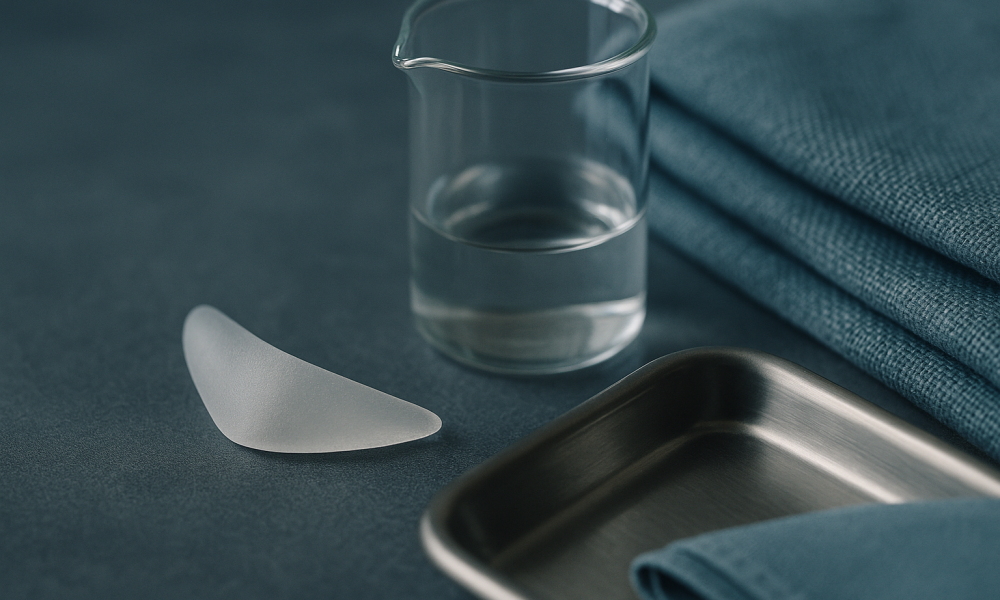
What Chin Implant is and who it is for
A chin implant, also known as chin augmentation, is a cosmetic surgical procedure designed to enhance the size and shape of the chin. This procedure typically involves the insertion of a biocompatible implant into the chin area to create a more balanced and harmonious facial profile. It is often sought by individuals who feel that their chin is recessed, lacks definition, or is disproportionate to other facial features.
In Turkey, chin implants are performed by highly trained and experienced plastic surgeons who specialise in facial aesthetics. The country’s reputation for high-quality medical care, coupled with its affordability, makes it a popular destination for international patients, including those from Canada. The procedure is generally performed under general anaesthesia, which ensures patient comfort throughout the surgery.
The materials used for chin implants are typically made from silicone or other synthetic materials that are safe and well-tolerated by the human body. These implants come in various shapes and sizes, allowing surgeons to customise the procedure to the unique anatomical needs and aesthetic goals of each patient. The implants are inserted through a small incision, either inside the mouth or under the chin, minimising visible scarring.
Chin implants can significantly improve the overall appearance of the face by providing better definition and enhancing facial symmetry. Many patients report increased confidence and satisfaction with their appearance following the procedure. However, as with any surgical procedure, there are risks and potential complications, including infection, implant displacement, and nerve damage. Therefore, it is crucial for patients to thoroughly research and consult with qualified professionals before deciding to proceed with surgery.
Are you a good candidate?
Determining whether you are a good candidate for a chin implant involves a comprehensive evaluation of your health, aesthetic goals, and expectations. Generally, candidates for chin augmentation are individuals who are dissatisfied with the appearance of their chin and seek a more proportionate facial structure. However, several factors must be considered to ensure suitability for the procedure.
- Age: Candidates should be adults, typically over the age of 18, when facial growth is complete.
- Health: Good overall health is essential. Candidates should have no serious medical conditions that could impair healing.
- Realistic expectations: It is important to have a clear understanding of what the procedure can achieve. While chin implants can enhance facial harmony, they may not completely transform one’s appearance.
- Psychological readiness: Candidates should be emotionally prepared and have a positive outlook on the outcome of the surgery.
- Non-smoker: Smoking can impede healing and increase the risk of complications. Candidates are often advised to quit smoking before and after the procedure.
- Stable weight: Significant weight fluctuations can affect facial contours and may impact the results of the implant.
Candidates should engage in a thorough consultation with a qualified plastic surgeon, who will assess their facial structure, discuss potential outcomes, and address any concerns. This consultation is a crucial step in ensuring that the procedure aligns with the patient’s goals and that they fully understand the risks and benefits involved.
The procedure, step by step
Undergoing a chin implant procedure in Turkey involves several meticulous steps designed to enhance the chin’s appearance and balance facial features. This is a surgical procedure typically performed under general anaesthesia, ensuring the patient remains comfortable and pain-free throughout the operation.
- Consultation and Planning: The process begins with a thorough consultation with the surgeon. During this session, the patient discusses their aesthetic goals, and the surgeon evaluates the facial structure. This helps in selecting the appropriate size and shape of the implant. Advanced 3D imaging may be used to give a realistic preview of the expected results.
- Pre-operative Preparation: Prior to surgery, patients are advised to avoid certain medications, such as blood thinners, and to stop smoking to promote better healing. Fasting is usually required from midnight before the procedure.
- Incision Making: On the day of the surgery, the patient is prepped, and the anaesthesia is administered. The surgeon makes a small incision either inside the mouth, near the lower gum, or externally under the chin. The choice of incision location depends on the surgeon’s technique and the patient’s specific needs.
- Implant Insertion: A pocket is created in front of the chin bone and under the muscles. The pre-selected implant, made from biocompatible material such as silicone, is then carefully inserted. The surgeon ensures it is symmetrically placed and securely positioned.
- Closure and Dressing: Once the implant is in place, the incision is closed with sutures. If the incision was made inside the mouth, dissolvable stitches might be used. An external incision may require removal of sutures after a week. A dressing or tape may be applied to support the chin and minimise swelling.
- Recovery Room: After the surgery, the patient is moved to a recovery room where they are monitored as they wake from anaesthesia. Vital signs are checked, and once stable, the patient can be discharged, usually on the same day.
The entire procedure typically takes between 1 to 2 hours, depending on the complexity and whether additional procedures, such as liposuction or rhinoplasty, are performed concurrently.
Recovery timeline
Understanding the recovery timeline for a chin implant procedure is crucial for prospective patients. This timeline provides a general overview of what can be expected, though individual experiences may vary.
| Period | What to expect | Care notes |
|---|---|---|
| Day 1 | Post-operative swelling and bruising are common. There may be mild discomfort or pain, managed with prescribed medication. | Rest is essential. Keep the head elevated to reduce swelling. Follow medication instructions carefully. |
| Days 2-3 | Swelling and bruising may peak but will gradually start to subside. Some tightness around the chin area is normal. | Continue to elevate the head. Cold compresses may be applied to reduce swelling. Maintain a soft diet if the incision is internal. |
| Week 1 | Swelling continues to reduce. Bruising may still be visible but less pronounced. Sutures may be removed if external. | Follow-up appointment with the surgeon to assess healing. Avoid strenuous activities and facial expressions that may strain the incision. |
| Weeks 2-3 | Noticeable reduction in swelling. Most normal activities can be resumed. The chin may feel slightly numb or sensitive. | Gradually resume normal diet. Continue to protect the chin from trauma. Use sun protection if outdoors. |
| Week 4-6 | Final results start to become apparent. Any residual swelling is minimal. Sensation in the chin area begins to normalise. | Regular check-ups as advised. Continue to avoid contact sports or activities that risk impact to the face. |
| Full Recovery | By 3 months, the chin should have fully healed, revealing the final contour and shape. | Maintain a healthy lifestyle to support ongoing healing. Return to all activities, including sports, as cleared by the surgeon. |
Throughout the recovery period, patients should adhere to their surgeon’s guidelines and report any unusual symptoms, such as excessive pain or signs of infection, immediately.
What it costs: Turkey vs Canada
When considering a chin implant procedure, cost is a significant factor for many patients. Those looking at options in Turkey will find that the prices can be considerably lower than in Canada, due in part to the lower cost of living and operational expenses in Turkey. However, it is crucial to understand that costs can vary widely based on several factors, including the clinic’s location, the surgeon’s experience, and the specifics of the procedure itself.
The following table provides a comparison of indicative price ranges for chin implant procedures in Turkey and Canada. These figures are typical ranges and should be used as a guideline rather than an exact quote:
| Country | Indicative Price Range (CAD) | Typical Inclusions |
|---|---|---|
| Turkey | $3,000 – $5,500 | Consultation, surgeon fees, anaesthesia, hospital stay, post-operative care, ground transportation, accommodation |
| Canada | $7,000 – $12,000 | Consultation, surgeon fees, anaesthesia, hospital stay, post-operative care |
In Turkey, packages often include additional services that are not typically bundled in Canadian packages, such as accommodation and ground transportation, which can be particularly appealing to international patients. Canadian packages might focus more on the medical aspects, with fewer ancillary services included.
It is important to thoroughly research and understand what each package includes. While the lower prices in Turkey are attractive, it is essential to ensure that the quality of care and the credentials of the providers meet your expectations. Always verify the accreditation of the clinic and the qualifications of the surgeon to ensure you are receiving care from a competent and experienced professional.
Risks and how accredited providers manage them
Like any surgical procedure, chin implant surgery carries certain risks. It is important for patients to be fully aware of these risks and understand how they are managed, especially when considering surgery abroad.
Common risks associated with chin implant surgery include infection, bleeding, and adverse reactions to anaesthesia. There is also the possibility of the implant shifting or becoming misaligned, which may necessitate additional corrective surgery. Patients might experience changes in sensation or numbness in the chin area, although this is often temporary.
Accredited providers in Turkey are well-equipped to manage these risks through a combination of stringent pre-operative assessments, careful surgical planning, and meticulous post-operative care. Before the surgery, patients undergo thorough evaluations to assess their suitability for the procedure. This includes medical history reviews and possibly blood tests or imaging studies to ensure there are no underlying conditions that could complicate the surgery.
During the procedure, experienced surgeons use advanced techniques to minimise trauma and reduce the likelihood of complications. Accredited clinics in Turkey adhere to international standards of care, employing state-of-the-art technology and sterile environments to further mitigate risks.
Post-operative care is a critical component of risk management. Patients are closely monitored for any signs of complications, and they receive detailed instructions on how to care for the surgical site. Accredited providers offer comprehensive follow-up care, which may include regular check-ups and 24/7 access to medical advice during the recovery period.
Furthermore, many clinics offer revision surgery policies, providing patients with peace of mind that if issues arise, they will be addressed promptly and professionally. It is advisable for prospective patients to discuss all potential risks and management strategies with their chosen clinic prior to undergoing surgery. This ensures that they have a clear understanding of what to expect and how risks are managed, contributing to a safer and more confident surgical experience.
How to choose the right provider
Choosing the right provider for your chin implant procedure is a critical step in ensuring a safe and satisfactory experience. Start by verifying the accreditation of the clinic or hospital. Look for facilities accredited by international bodies such as the Joint Commission International (JCI) or the International Organization for Standardization (ISO), as these accreditations indicate adherence to global healthcare standards.
The experience and qualifications of the surgeon are equally important. Research the surgeon’s credentials, including their education, specialised training in maxillofacial or cosmetic surgery, and membership in professional organisations such as the Turkish Society of Plastic Reconstructive and Aesthetic Surgeons (TPRECD). Aim to select a surgeon with a minimum of 5-10 years of experience specifically in chin implants.
Aftercare is a crucial component of the overall treatment process. Inquire about the aftercare services provided by the clinic, which should include follow-up appointments, emergency contact options, and post-operative care instructions. Some clinics may offer remote consultations post-surgery, which can be beneficial once you return to Canada.
Be vigilant for red flags that might indicate a less reputable provider. These include lack of transparency in pricing, absence of verifiable reviews or testimonials, and pressure to make immediate decisions. Additionally, avoid providers who make unrealistic promises regarding outcomes or who do not discuss potential risks and complications.
Finally, consider reaching out to past patients or joining online forums to gain insights into the experiences of others who have undergone chin implant surgery in Turkey. Personal testimonials can provide valuable information about the quality of care and overall satisfaction with the procedure.
Planning your trip
Planning your trip to Turkey for a chin implant involves several steps to ensure a smooth and stress-free experience. Begin by establishing a timeline that includes the consultation, surgery, recovery, and return to Canada. Typically, you should plan to arrive in Turkey at least 2-3 days before your scheduled surgery to allow time for initial consultations and any necessary pre-operative tests.
Ensure you have all necessary documents in order, including a valid passport, which should be valid for at least six months beyond your planned departure date from Turkey. You may also need a visa, which Canadian citizens can often obtain online through the Turkish government’s e-Visa system. Additionally, bring copies of your medical records, any current medications, and a list of allergies or past surgeries.
The length of stay in Turkey for a chin implant can vary, but most patients should plan for approximately 7-10 days. This timeframe allows for pre-surgery consultations, the procedure itself, initial recovery, and follow-up appointments. Discuss with your surgeon the specific timeline recommended for your situation.
Consider arranging for accommodation close to the clinic or hospital to minimise travel stress, and check if the clinic offers packages that include lodging and transportation. It’s also wise to have a companion with you, especially for the day of the surgery and the immediate post-operative period.
After returning to Canada, plan for follow-up care with a local healthcare provider. Your surgeon in Turkey should provide detailed records and instructions for your Canadian doctor to ensure continuity of care. Additionally, discuss virtual follow-up options with your Turkish surgeon to address any post-operative concerns without the need for additional travel.
Frequently Asked Questions
What are the typical costs for a chin implant in Turkey?
The cost of a chin implant in Turkey can vary depending on the clinic, the surgeon's experience, and the specifics of the procedure. Generally, you can expect to pay between £2,000 and £4,000. This range often includes consultation fees, the surgery itself, anaesthesia, and initial aftercare. It's important to confirm what is included in the quoted price to avoid unexpected expenses.
Is it cheaper to get a chin implant in Turkey than in Canada?
Yes, chin implants in Turkey are typically more affordable than in Canada. The lower cost is largely due to the lower cost of living and operational expenses in Turkey. However, when considering the overall cost, include travel, accommodation, and any post-operative care you might need upon returning to Canada. Even with these additional expenses, many patients find the total cost remains lower than domestic options.
How do I ensure the clinic I choose is reputable?
To ensure a clinic is reputable, check for international accreditations such as JCI or ISO. Research the surgeon’s qualifications and experience, and read reviews from past patients. Reputable clinics will be transparent about their procedures, pricing, and potential risks. Avoid clinics that pressure you into making quick decisions or make guarantees about surgical outcomes.
What should I expect during the recovery period?
During the recovery period, you can expect some swelling, bruising, and discomfort in the chin area, which typically subsides within a few weeks. Most patients can resume normal activities within 1-2 weeks, but full recovery may take several months. Follow your surgeon’s post-operative instructions carefully, including taking prescribed medications and attending follow-up appointments.
How soon can I travel after the surgery?
It is generally recommended to stay in Turkey for at least 7-10 days after the surgery to ensure proper initial recovery and attend follow-up appointments. Your surgeon will advise you on when it is safe to fly, but most patients can travel comfortably after this initial recovery period, provided there are no complications.
What are the risks associated with chin implant surgery?
As with any surgery, chin implant procedures carry some risks, including infection, bleeding, and adverse reactions to anaesthesia. There is also the risk of implant displacement or asymmetry. Discuss these risks thoroughly with your surgeon, who should provide a comprehensive overview of potential complications and how they are managed.
Will I need a visa to travel to Turkey for surgery?
Yes, Canadian citizens typically need a visa to enter Turkey. The process is straightforward and can often be completed online through the Turkish government's e-Visa portal. Ensure your passport is valid for at least six months beyond your date of entry into Turkey. It's advisable to apply for the visa well in advance of your travel.
How long should I plan to stay in Turkey for the surgery?
You should plan to stay in Turkey for at least 7-10 days. This duration allows time for pre-operative consultations, the surgery itself, and initial post-operative recovery and follow-up appointments. Discuss your specific case with your surgeon to determine the most appropriate length of stay.
What kind of aftercare will I need when I return to Canada?
After returning to Canada, you will need to continue monitoring your recovery, which may involve follow-up appointments with a local healthcare provider. Your Turkish surgeon should provide detailed post-operative care instructions and possibly arrange for virtual follow-ups to address any concerns. Ensure you have access to medical support in Canada for any emergencies.
Can I combine a chin implant with other cosmetic procedures?
Yes, it is possible to combine a chin implant with other cosmetic procedures, such as rhinoplasty or liposuction, for a more comprehensive facial enhancement. However, this decision should be made in consultation with your surgeon, who will assess your overall health, aesthetic goals, and the feasibility of performing multiple procedures safely.
How do I prepare for a chin implant surgery?
Preparation for chin implant surgery involves several steps. You will need to undergo a thorough medical evaluation, including blood tests and possibly imaging studies. Your surgeon will provide specific pre-operative instructions, which may include dietary restrictions and guidelines on medication use. It's also important to arrange for post-operative support, such as transportation and assistance with daily activities.
Is chin implant surgery safe?
Chin implant surgery is generally considered safe when performed by an experienced, qualified surgeon in a reputable facility. However, as with any surgical procedure, there are inherent risks. To ensure safety, choose a surgeon with a proven track record, follow all pre- and post-operative instructions, and maintain open communication with your healthcare team throughout the process.