
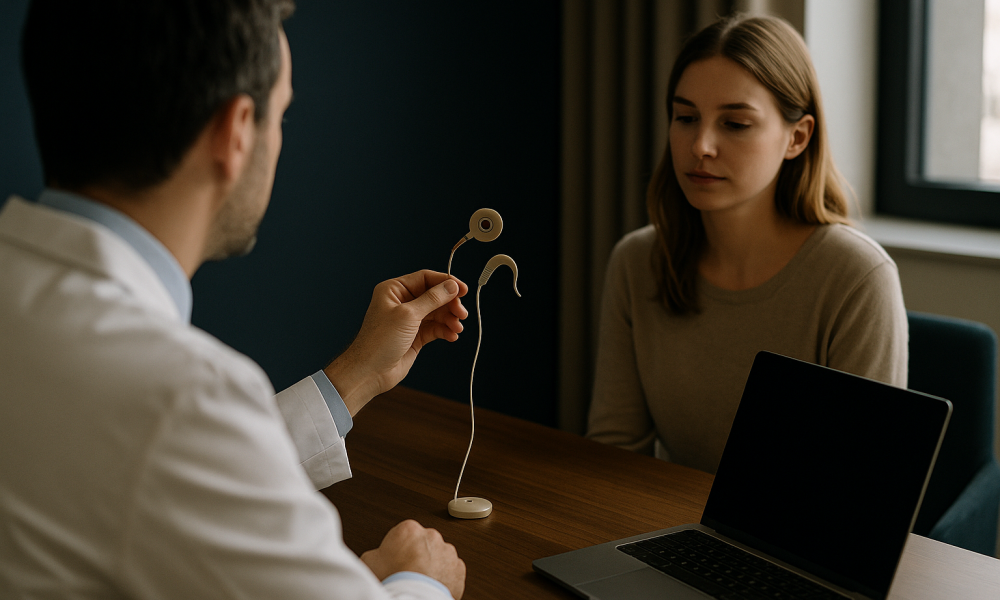
What Cochlear Implant Abroad is and who it is for
A cochlear implant is a sophisticated medical device designed to provide a sense of sound to individuals with severe to profound hearing loss. Unlike traditional hearing aids, which amplify sound, cochlear implants bypass damaged portions of the ear and directly stimulate the auditory nerve. This treatment is particularly beneficial for those who do not benefit adequately from conventional hearing aids.
Travelling abroad for a cochlear implant procedure, particularly to Turkey, has become an increasingly popular choice for many patients due to the combination of high-quality care and cost-effectiveness. Turkey is renowned for its advanced medical facilities and experienced healthcare professionals, offering cochlear implant procedures that adhere to international standards.
The process involves a multi-disciplinary team approach, including audiologists, otolaryngologists, and rehabilitation specialists, ensuring comprehensive care. The procedure itself typically takes between 2 to 4 hours and is performed under general anaesthesia. Post-operative care is crucial, with an initial hospital stay of 1 to 2 days to monitor recovery and begin the mapping process of the implant.
Turkey offers a robust healthcare infrastructure, with many hospitals accredited by international bodies such as the Joint Commission International (JCI). This ensures that the procedures are performed in a safe and controlled environment, adhering to stringent quality standards. For Canadian patients, the prospect of receiving high-quality care at a more affordable cost is appealing, with typical expenses ranging from £15,000 to £25,000, depending on the complexity of the case and the specific healthcare facility.
The benefits of undergoing a cochlear implant procedure in Turkey extend beyond cost savings. Patients often report high satisfaction rates due to the personalised care and attention they receive. Additionally, many hospitals in Turkey offer comprehensive packages that include accommodation, airport transfers, and language support services, making the experience more comfortable for international patients.
Are you a good candidate?
Determining candidacy for a cochlear implant involves a thorough evaluation process to ensure the best possible outcomes. This evaluation is carried out by a team of specialists, including audiologists and ENT (Ear, Nose, and Throat) surgeons, who will assess whether the implant is suitable for you based on several criteria.
The ideal candidates for cochlear implants typically include:
- Severe to profound sensorineural hearing loss: Candidates usually have significant hearing loss in both ears that cannot be adequately corrected with hearing aids.
- Limited benefit from hearing aids: Individuals who receive minimal benefit from hearing aids in terms of speech recognition and sound clarity.
- Age considerations: While cochlear implants are suitable for both children and adults, early implantation, particularly in children, can offer better outcomes in terms of language development.
- Healthy cochlea and auditory nerve: Candidates must have a functioning auditory nerve and no structural abnormalities in the cochlea that would impede the implant’s function.
- Realistic expectations: Understanding that a cochlear implant does not restore normal hearing but can significantly improve sound perception and communication ability.
- Commitment to rehabilitation: Willingness to engage in the necessary post-operative rehabilitation, which includes regular follow-up visits and auditory training sessions to maximise the implant’s effectiveness.
During the candidacy assessment, a series of tests will be conducted, including audiological evaluations, imaging studies such as CT or MRI scans, and sometimes psychological assessments to ensure the patient is mentally prepared for the changes a cochlear implant will bring. These evaluations help in crafting a personalised treatment plan that aligns with the patient’s specific needs and expectations.
It is important for Canadian patients considering this procedure in Turkey to consult with their local healthcare providers as well. Coordination with both local and Turkish medical teams can ensure a seamless transition and continuity of care, from pre-operative assessments to post-operative rehabilitation.
The procedure, step by step
Undergoing a cochlear implant procedure in Turkey involves several well-coordinated steps designed to ensure the patient’s safety and the success of the implant. Here is a detailed look at the process:
- Initial Consultation and Evaluation: Before the procedure, patients will undergo a thorough evaluation, which includes audiological tests to confirm hearing loss type and severity. This stage may involve CT or MRI scans to assess the inner ear’s anatomy. Typically, this takes place a few days before the surgery, allowing time for comprehensive assessment and planning.
- Pre-Surgical Preparations: On the day before the surgery, patients will meet with the surgical team to discuss the procedure and any last-minute questions. Fasting is usually required from midnight before the surgery. Patients are advised to avoid certain medications, such as blood thinners, as instructed by their healthcare provider.
- Admission and Anaesthesia: On the day of surgery, the patient will be admitted to the hospital. The surgical team will confirm all details and prepare the patient for anaesthesia. General anaesthesia is typically used for cochlear implant surgery, ensuring the patient is unconscious and pain-free during the procedure.
- Surgical Procedure: The surgery itself typically lasts between 2 to 4 hours. During this time, the surgeon will make a small incision behind the ear to access the cochlea. A small hole is drilled into the cochlea, and the electrode array of the implant is carefully inserted. The external component, known as the processor, is not yet fitted.
- Post-Surgical Monitoring: After the procedure, patients are moved to a recovery room where they are closely monitored as they wake from anaesthesia. Hospital stays vary but generally last one to two days to ensure no immediate post-surgical complications arise.
- Initial Activation: The external processor is fitted and activated approximately 4 to 6 weeks after surgery, allowing time for healing. This initial activation is a significant milestone, as the patient begins to perceive sound through the implant for the first time.
- Follow-Up and Adjustments: Regular follow-up appointments are crucial for adjusting the device settings and conducting auditory training. These sessions help patients adapt to the new way of hearing and maximise the benefits of the implant.
Recovery timeline
Recovery from cochlear implant surgery is a gradual process that involves several stages. The following table outlines the typical recovery timeline and what patients can expect at each stage, from the first day post-surgery to full recovery.
| Period | What to Expect | Care Notes |
|---|---|---|
| Day 1 | Immediate post-operative period; patients may experience dizziness, nausea, and some pain at the incision site. | Rest is critical. Pain relief medication as prescribed. Monitoring for any signs of infection or complications. |
| Week 1 | Swelling and soreness around the incision site may persist. Some patients may experience mild headaches. | Continue with prescribed medications. Follow-up visit to check the incision and remove any non-dissolvable stitches. |
| Weeks 2-4 | Most initial swelling and discomfort should subside. Patients may still feel fatigued. | Gradual return to normal activities. Avoid strenuous activities and heavy lifting. |
| Week 4-6 | The incision site should be healed. Initial activation of the cochlear implant may occur, introducing new auditory sensations. | Attend the activation appointment. Prepare for auditory adjustments and initial training sessions. |
| Months 2-3 | Patients typically experience improved sound perception. Regular auditory training sessions continue. | Regular follow-up appointments for device adjustments. Engage in recommended auditory exercises. |
| Full Recovery (3-6 months) | Most patients have adapted to the implant. Improvements in speech comprehension and sound localisation are common. | Ongoing support from audiologists. Continued auditory training to enhance listening skills. |
It is important to note that recovery times can vary based on individual factors, including the patient’s overall health and response to surgery. Adhering to the care plan and attending follow-up appointments are crucial for a successful recovery.
5. What it costs: Turkey vs Canada
When considering cochlear implant surgery abroad, cost is a significant factor for many patients. Turkey has emerged as a popular destination due to its relatively lower costs compared to countries like Canada. However, it is essential to note that prices can vary depending on several factors, including the hospital, the surgeon’s experience, and the specific services included in the package.
In Canada, the cost of cochlear implant surgery can be quite high, particularly if you are not covered by provincial health insurance or if your coverage is limited. In contrast, Turkey offers more affordable options, often with comprehensive packages that can include additional services beyond the surgery itself.
| Country | Indicative Price Range (GBP) | Typical Package Inclusions |
|---|---|---|
| Canada | £25,000 – £40,000 |
|
| Turkey | £15,000 – £25,000 |
|
These figures are indicative and may vary based on the provider and any additional services you choose. In Turkey, many medical facilities offer packages that include not only the surgery and hospital stay but also post-operative care and rehabilitation services, which are crucial for the success of cochlear implant surgery. Furthermore, the inclusion of transportation and accommodation services helps ease the logistical burden on international patients.
While the cost savings in Turkey can be substantial, it is important for patients to thoroughly research and consider the credentials of the healthcare providers and the quality of the facilities. Accreditation from international bodies such as the Joint Commission International (JCI) can be a reassuring indicator of quality and safety standards.
6. Risks and how accredited providers manage them
Like any surgical procedure, cochlear implant surgery carries certain risks. It is crucial for prospective patients to understand these risks and how accredited providers in Turkey manage them to ensure patient safety and successful outcomes.
The primary risks associated with cochlear implant surgery include infection, bleeding, device malfunction, and adverse reactions to anaesthesia. Additionally, there can be complications related to the implant itself, such as migration or extrusion of the device, and issues related to hearing improvement, which may not meet the patient’s expectations.
Accredited healthcare providers in Turkey take several measures to manage and mitigate these risks effectively. Firstly, pre-operative assessments are conducted to evaluate the patient’s overall health and suitability for the procedure. This includes detailed audiological evaluations and imaging studies to ensure that cochlear implantation is the most appropriate intervention.
During the surgery, experienced and qualified surgeons, often trained in international centres, employ advanced surgical techniques to minimise risks. The use of state-of-the-art surgical equipment and technology further enhances precision and safety. Accredited facilities are equipped with modern operating theatres that adhere to stringent hygiene and infection control protocols to reduce the risk of post-operative infections.
Post-operative care is a critical component in managing risks and promoting recovery. Accredited providers in Turkey typically offer comprehensive aftercare services, which include regular follow-up appointments, device programming, and rehabilitation therapy. These services are designed to monitor the patient’s progress, address any complications early, and optimise the device’s functionality.
Additionally, many healthcare providers in Turkey have multilingual staff and offer interpreter services to ensure clear communication with international patients. This is crucial for discussing potential risks and post-operative care instructions, thereby reducing misunderstandings that could compromise patient safety.
It is important for patients to ask detailed questions about the risks and management protocols during their initial consultations. Understanding the specific measures that a provider implements can help patients feel more confident in their decision to undergo treatment abroad.
How to Choose the Right Provider
Choosing the right provider for a cochlear implant procedure in Turkey is a crucial step towards a successful treatment experience. Accreditation is the first factor to consider. Ensure the facility is accredited by recognized international bodies such as the Joint Commission International (JCI) or the International Organization for Standardization (ISO). These accreditations indicate that the clinic adheres to international healthcare standards, ensuring a safe and effective treatment environment.
The experience and qualifications of the surgeon are equally important. Look for surgeons who are board-certified in otolaryngology and have specialized training in cochlear implantation. Ideally, they should have performed a significant number of successful procedures, typically over 100, to demonstrate their expertise. You may request to see before-and-after case studies or patient testimonials to gauge their skill level.
Aftercare is another critical consideration. A comprehensive aftercare plan should include regular follow-ups, audiological assessments, and access to rehabilitation services such as speech therapy. Ensure the provider offers a detailed aftercare programme that integrates with your home country’s healthcare system, allowing seamless continuation of care once you return home.
Be wary of red flags that may indicate a subpar provider. These include a lack of transparent pricing, absence of clear communication about potential risks and complications, and pressure to commit to surgery without a thorough consultation. Additionally, avoid clinics that make exaggerated claims about outcomes or guarantee specific results, as these are not realistic in medical practice.
In summary, select a provider that combines international accreditation, experienced surgeons, comprehensive aftercare, and transparent communication to ensure a safe and effective cochlear implant experience in Turkey.
Planning Your Trip
Planning your trip for a cochlear implant procedure in Turkey requires careful attention to detail to ensure a smooth experience. Start by considering the timeline before travel. It is advisable to begin planning at least two to three months in advance. This allows ample time for consultations, securing travel documents, and arranging accommodations.
Ensure your documents are in order, including a valid passport, visa (if required), and medical records. Some clinics may require a referral letter from your Canadian healthcare provider. It’s also important to have a comprehensive health insurance policy that covers medical procedures abroad or a detailed understanding of the financial arrangements.
The typical length of stay for a cochlear implant procedure can range from two to four weeks. This period includes pre-operative consultations, the surgery itself, and the initial post-operative recovery phase. It’s crucial to allocate enough time for follow-up appointments and any necessary adjustments to the implant device.
Planning for follow-up care at home is essential. Coordinate with your local healthcare providers to ensure they can support your recovery and ongoing rehabilitation. Some Turkish clinics may offer virtual consultations post-surgery, which can be a convenient way to maintain contact with your surgical team while back in Canada.
Lastly, consider the logistics of your stay, such as accommodations and local transportation. Many clinics offer packages that include hotel accommodations and airport transfers. Familiarise yourself with the local culture and language, as this can enhance your overall experience and help you navigate any challenges during your stay.
Frequently Asked Questions
What is the cost range for cochlear implants in Turkey?
The cost of cochlear implants in Turkey typically ranges from £10,000 to £20,000. This includes the surgery, the implant device, and initial aftercare. It's important to note that these figures are indicative and can vary based on the clinic, the surgeon's experience, and any additional services required.
How do I verify a clinic's accreditation?
To verify a clinic's accreditation, check for certifications from reputable international bodies such as the Joint Commission International (JCI) or the International Organization for Standardization (ISO). These accreditations should be prominently displayed on the clinic's website. You can also contact the accrediting bodies directly for confirmation.
What should I look for in a surgeon?
Look for a surgeon who is board-certified in otolaryngology with specialized training in cochlear implantation. Experience is key, so choose a surgeon who has performed a significant number of successful procedures. Reading patient testimonials and reviewing before-and-after case studies can also provide insight into their expertise.
How long should I plan to stay in Turkey for the procedure?
You should plan to stay in Turkey for approximately two to four weeks. This duration allows for pre-operative consultations, the surgery, initial recovery, and post-operative follow-ups. It's important to allocate enough time to ensure a smooth recovery and any necessary adjustments to the implant device.
What documents do I need to prepare before travelling?
Before travelling, ensure you have a valid passport, a visa (if required), and your medical records. Some clinics may also require a referral letter from your healthcare provider in Canada. Additionally, consider having a comprehensive health insurance policy that covers medical procedures abroad.
Can I get follow-up care in Canada after the surgery?
Yes, you can arrange for follow-up care in Canada after your surgery. Coordinate with your local healthcare providers to support your recovery and ongoing rehabilitation. Some Turkish clinics may also offer virtual consultations post-surgery to maintain contact with your surgical team.
Are there any red flags to watch out for when choosing a provider?
Red flags include lack of transparent pricing, absence of clear communication about risks, and pressure to commit to surgery without thorough consultation. Avoid clinics that make exaggerated claims about outcomes or guarantee specific results, as these are not realistic in medical practice.
What is the typical recovery time after a cochlear implant surgery?
The typical recovery time after cochlear implant surgery is about two to four weeks. During this period, you may experience mild discomfort and will need to attend follow-up appointments for device adjustments and audiological assessments. Most patients can resume normal activities within four to six weeks.
Will I need rehabilitation after the implant?
Yes, rehabilitation is a crucial part of the recovery process after receiving a cochlear implant. It typically involves audiological assessments and speech therapy to help you adjust to the new auditory inputs. A comprehensive aftercare plan should include these services to ensure optimal outcomes.
How can I manage communication barriers in Turkey?
Many clinics in Turkey catering to international patients have English-speaking staff. It's advisable to learn basic Turkish phrases and use translation apps to facilitate communication. Familiarising yourself with the local culture and customs can also enhance your experience and help navigate any challenges.
Is it safe to undergo surgery abroad?
Undergoing surgery abroad can be safe if you choose a reputable clinic with international accreditation and experienced surgeons. Research thoroughly, verify accreditations, and ensure the clinic follows international healthcare standards. Also, ensure that you have comprehensive travel and health insurance.
What should I do if complications arise after returning home?
If complications arise after returning home, contact your local healthcare provider immediately for assessment and management. Additionally, inform your surgical team in Turkey, as they may offer guidance or virtual consultations. Having a plan in place for follow-up care in your home country is essential.