
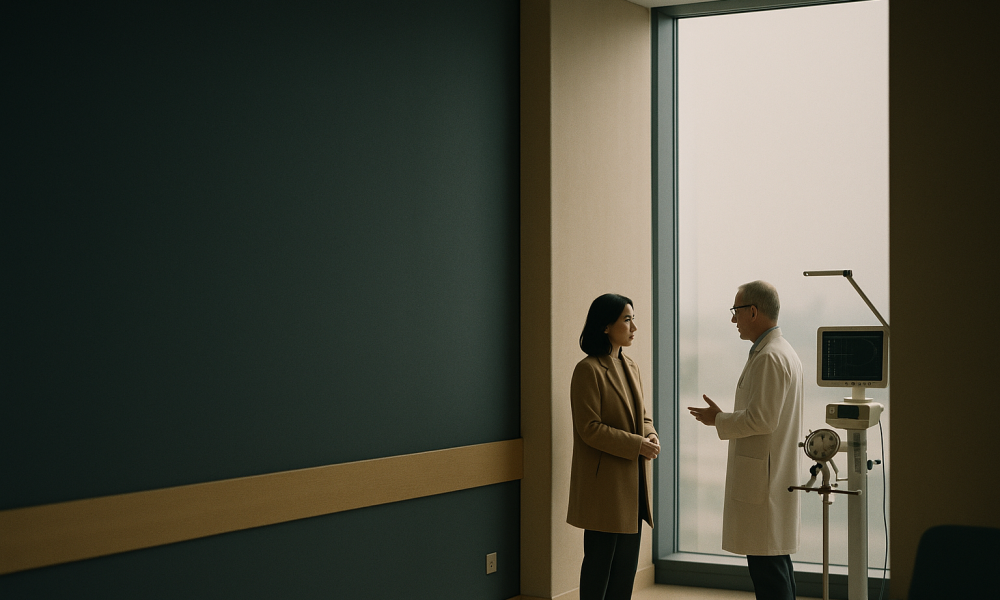
What Deep Brain Stimulation for Parkinson's is and who it is for
Deep Brain Stimulation (DBS) is a surgical procedure used to treat several disabling neurological symptoms—most commonly the debilitating motor symptoms of Parkinson’s disease such as tremor, rigidity, stiffness, slowed movement, and walking problems. The procedure involves implanting a medical device called a neurostimulator, which sends electrical impulses to specific targets in the brain (the brain nuclei) to block abnormal nerve signals that cause these symptoms.
DBS is typically considered for patients with Parkinson’s disease who have responded to Parkinson’s medications such as levodopa but are experiencing motor complications that cannot be adequately controlled with medication alone. It is not a cure for Parkinson’s and does not stop the progression of the disease, but it can significantly improve quality of life by reducing symptoms and allowing for lower doses of medication, which in turn reduces medication side effects.
The procedure is performed in stages. Initially, electrodes are implanted in the brain under general anaesthesia, and then the neurostimulator device is implanted under the skin near the collarbone. The procedure generally takes between 3-6 hours. After surgery, the device settings are adjusted over several weeks to optimise symptom control.
While DBS has been performed for decades, it is essential that patients considering this treatment have a comprehensive evaluation by a multidisciplinary team that typically includes a neurologist, neurosurgeon, and sometimes a neuropsychologist. Turkey has become a popular destination for DBS due to its highly skilled medical professionals and state-of-the-art facilities, offering care at a more accessible cost compared to many Western countries.
Are you a good candidate?
Determining whether you are a good candidate for Deep Brain Stimulation involves a thorough assessment by a healthcare team experienced in Parkinson’s disease. Not every patient with Parkinson’s will benefit from DBS, and careful selection is crucial for achieving the best outcomes.
Here is a checklist of criteria that might indicate you are a good candidate for DBS:
- Diagnosis: You have a confirmed diagnosis of Parkinson’s disease, and not another type of movement disorder.
- Medication Response: You have responded positively to Parkinson’s medications, such as levodopa, although the response may have diminished over time.
- Age: Candidates are typically under the age of 70, although older patients may be considered based on overall health.
- Duration of Disease: You have had Parkinson’s disease for at least 4 years.
- Motor Symptoms: You experience motor symptoms that significantly affect your quality of life and are not adequately controlled with medication.
- Overall Health: You are in good general health with no significant medical conditions that would increase surgical risk.
- Mental Health: You do not have severe depression, dementia, or other significant psychiatric conditions.
- Realistic Expectations: You have realistic goals and understand that DBS can improve symptoms but is not a cure.
It is crucial to have an in-depth discussion with your healthcare provider to understand the potential benefits and risks associated with DBS. In Turkey, clinics offering this treatment typically provide comprehensive pre-operative assessments to ensure that patients are well-informed and prepared for the procedure.
The procedure, step by step
Deep Brain Stimulation (DBS) is a surgical procedure designed to alleviate symptoms in individuals with Parkinson’s disease. It involves implanting a medical device known as a neurostimulator, which sends electrical impulses to specific areas of the brain. Here is a step-by-step guide to what the procedure typically involves:
- Initial Consultation and Assessment: The process begins with a thorough assessment by a multidisciplinary team, including neurologists and neurosurgeons, to determine the suitability of DBS for the patient. This assessment often includes imaging tests such as MRI and CT scans to identify the precise areas of the brain to target.
- Pre-Operative Preparations: Once the patient is deemed a suitable candidate, pre-operative preparations are made. These include detailed discussions about the procedure, its risks, and expected outcomes. The patient may be advised to stop certain medications or follow specific dietary restrictions before surgery.
- Surgical Procedure: The surgery is typically performed under local anaesthesia with the patient awake, allowing for real-time feedback. The procedure starts with the placement of a stereotactic frame on the patient’s head to provide a reference for navigating the brain. Small holes are drilled into the skull to implant electrodes precisely in the targeted brain areas.
- Intraoperative Testing: During the procedure, the patient may be asked to perform simple tasks to ensure correct electrode placement. The team monitors these responses to adjust the electrode positions if necessary.
- Implanting the Neurostimulator: Once the electrodes are in place, they are connected to a neurostimulator, usually implanted under the skin near the collarbone. This device generates electrical impulses and can be programmed externally to optimize symptom control.
- Post-Operative Care: After the surgery, the patient is monitored in a recovery room. Initial programming of the neurostimulator occurs a few weeks after surgery, allowing any swelling to subside and the patient to heal sufficiently.
- Follow-Up and Adjustments: Regular follow-up appointments are essential to adjust the neurostimulator settings to achieve the best symptom control. This process can take several months and involves collaboration between the patient and their healthcare team.
The entire procedure may take several hours, and patients typically stay in the hospital for a few days to ensure proper recovery and initial programming of the device.
Recovery timeline
Recovery from Deep Brain Stimulation (DBS) involves several stages, each with specific expectations and care requirements. The timeline can vary depending on individual circumstances, but the following table provides a general overview from the immediate post-operative period to full recovery:
| Period | What to Expect | Care Notes |
|---|---|---|
| Day 1-3 | Initial recovery in the hospital. Patients may experience some swelling and discomfort at the surgical sites. Monitoring for any immediate post-operative complications. | Rest is crucial. Pain management with prescribed medications. Regular checks by the medical team to ensure no signs of infection or complications. |
| Week 1-2 | Continued recovery at home. Swelling and bruising should start to decrease. Patients might feel fatigue as the body heals. | Adhere to follow-up appointments. Avoid strenuous activities. Maintain clean and dry surgical sites. Report any concerns to healthcare providers promptly. |
| Week 3-4 | Initial programming of the neurostimulator. Some improvement in symptoms may be noticed, but adjustments are typically needed. | Attend scheduled programming sessions. Keep a symptom diary to help adjust settings. Gradually resume light daily activities as tolerated. |
| Month 2-3 | Further adjustments to the neurostimulator settings. Enhanced symptom control as settings are optimized. | Regular follow-up with the healthcare team. Continue documenting symptom changes. Engage in gentle physical activity to aid recovery. |
| Month 4 onwards | Most patients achieve optimal symptom control. Long-term management phase begins with periodic check-ups. | Maintain regular consultations for device adjustments. Engage in rehabilitation exercises if recommended. Monitor for any long-term side effects. |
Recovery is a gradual process, and maintaining open communication with healthcare providers is essential to ensure the best possible outcomes.
What it costs: Turkey vs Europe
When considering Deep Brain Stimulation (DBS) for Parkinson’s disease, understanding the cost implications is crucial. Turkey has emerged as a popular destination for this procedure due to its competitive pricing and high-quality healthcare facilities. However, costs can vary significantly depending on the country and the specific services included in the treatment package.
Below is a comparison of indicative price ranges for DBS in Turkey versus various European countries. This table provides a general overview of what patients might expect to pay, but it’s important to note that these figures are only indicative and actual costs can vary based on the provider and specific patient requirements.
| Location | Indicative Price Range (GBP) | Typical Package Inclusions |
|---|---|---|
| Turkey | £20,000 – £35,000 | Pre-operative assessment, surgery, hospital stay, follow-up care |
| United Kingdom | £40,000 – £70,000 | Pre-operative assessment, surgery, hospital stay, follow-up care |
| Germany | £50,000 – £80,000 | Pre-operative assessment, surgery, hospital stay, follow-up care |
| France | £45,000 – £75,000 | Pre-operative assessment, surgery, hospital stay, follow-up care |
| Spain | £35,000 – £60,000 | Pre-operative assessment, surgery, hospital stay, follow-up care |
In Turkey, the lower cost of living and favourable exchange rates contribute to the more affordable pricing. Moreover, many Turkish hospitals offer comprehensive packages that often include not just the surgery itself but also pre-operative assessments, hospital accommodation, and follow-up care. This holistic approach can provide peace of mind for international patients, ensuring continuity of care from the initial consultation through to post-operative recovery.
It’s advisable for patients to inquire about what exactly is included in their treatment package, as some additional costs may arise, such as travel expenses, accommodation outside of the hospital stay, or extended rehabilitation services. Comparing these factors across different providers and countries can help you make a more informed decision.
Risks and how accredited providers manage them
Deep Brain Stimulation is a well-established treatment for Parkinson’s disease, but like any surgical procedure, it carries certain risks. Understanding these potential risks and how they are managed by accredited providers in Turkey is essential for prospective patients.
The primary risks associated with DBS include infection, bleeding in the brain, complications related to anaesthesia, and hardware-related issues such as lead misplacement or device malfunction. Additionally, there can be side effects such as speech or vision changes, mood alterations, or balance problems. It’s important to note that while serious complications are uncommon, they can occur, and patients should be fully informed about these possibilities.
Accredited providers in Turkey take numerous steps to mitigate these risks. Firstly, they ensure that the surgical team is highly experienced, often with specific training in neurosurgery and DBS procedures. The surgeons typically use advanced imaging techniques like MRI or CT scans during the planning phase to precisely target the areas of the brain that require stimulation, thereby reducing the risk of lead misplacement.
Infection control is a top priority, with stringent protocols in place to maintain sterile environments in operating theatres. Hospitals accredited by international bodies such as the Joint Commission International (JCI) adhere to rigorous standards of hygiene and patient safety. Post-operative care is also crucial in managing risks, with regular monitoring to quickly identify and address any complications that may arise.
Furthermore, Turkish healthcare providers often offer thorough pre-operative consultations to discuss potential risks and side effects with patients. This ensures that patients have realistic expectations and understand the importance of follow-up visits for optimal device programming and adjustment, which is crucial for achieving the best possible outcomes.
In summary, while DBS for Parkinson’s disease does involve inherent risks, accredited providers in Turkey are well-equipped to manage these through experienced surgical teams, state-of-the-art technology, and comprehensive patient care protocols. Patients are encouraged to engage in open dialogue with their healthcare providers to fully understand the procedure and its associated risks.
How to choose the right provider
Choosing a provider for Deep Brain Stimulation (DBS) in Turkey involves careful consideration of several factors, each crucial to ensuring a safe and successful treatment experience. Accreditation is the first aspect to verify. Reputable hospitals in Turkey are often accredited by international bodies such as the Joint Commission International (JCI) or the European Foundation for Quality Management (EFQM). These accreditations indicate that the facility meets high international healthcare standards.
Next, evaluate the experience of the surgical team. Inquire about the number of DBS procedures the surgeon has performed and their success rates. A surgeon with extensive experience in DBS is more likely to navigate complex cases successfully. Additionally, the support team, including neurologists and nurses specialized in neurological care, plays a crucial role in the overall treatment process.
Aftercare is another important consideration. Quality aftercare involves not only post-surgical monitoring but also long-term follow-up to adjust the settings of the DBS device as needed. Facilities that offer comprehensive rehabilitation programs, including physiotherapy and occupational therapy, can significantly enhance recovery outcomes.
Be aware of red flags that may indicate subpar standards. These include lack of clear communication, absence of transparent pricing, and reluctance to provide detailed information about the procedure and potential risks. Always seek multiple opinions if you feel uncertain about a provider’s credibility or approach.
Finally, consider the hospital’s language support services, as clear communication is vital for understanding your treatment and recovery process. Many Turkish hospitals offer translation services to assist international patients, ensuring that language barriers do not impede your care.
Planning your trip
Planning your trip for Deep Brain Stimulation in Turkey requires careful attention to timelines, documentation, and post-treatment plans. Ideally, begin planning at least three to four months prior to your intended travel date. This timeframe allows for the necessary consultations, securing of medical records, and obtaining travel documents such as visas, if required.
Documentation is critical. Ensure you have comprehensive medical records, including MRI or CT scans, a full medical history, and any previous treatment records related to Parkinson’s disease. These documents will be crucial for the Turkish medical team to assess your case accurately.
The typical length of stay for DBS in Turkey varies. Initially, expect a pre-surgical evaluation which may require a few days to a week. Post-surgery, patients typically remain in the hospital for a few days for monitoring, followed by a recovery period that could extend your stay to two to three weeks in total, allowing for device adjustments and initial rehabilitation.
Consider your follow-up care needs at home. Discuss with your Turkish medical team about coordinating care with your local healthcare provider. This coordination is essential for ongoing device adjustments and monitoring. It is also advisable to arrange for a medical travel insurance that covers unforeseen complications or additional treatment needs.
Finally, ensure practicalities such as accommodation, transport, and local support are arranged. Many hospitals offer packages that include these services, but independent arrangements can also be made. Always verify the reliability of these services to ensure a smooth and stress-free experience.
Frequently Asked Questions
What is the cost range for Deep Brain Stimulation in Turkey?
The typical cost range for Deep Brain Stimulation in Turkey is between £20,000 and £30,000. This cost generally includes pre-surgical assessments, the surgery itself, hospital stay, and initial post-operative care. Always confirm what is included in the quoted price to avoid unexpected expenses.
Are the surgeons in Turkey experienced with DBS procedures?
Yes, many surgeons in Turkey are highly experienced with Deep Brain Stimulation procedures. It is advisable to inquire about the surgeon's specific experience, including the number of procedures performed and their success rates, to ensure you are in capable hands.
What accreditations should I look for in Turkish hospitals?
Look for hospitals accredited by the Joint Commission International (JCI) or the European Foundation for Quality Management (EFQM). These accreditations indicate that the hospital adheres to high international standards in healthcare quality and patient safety.
How long should I plan to stay in Turkey for the DBS procedure?
Plan to stay in Turkey for approximately two to three weeks. This duration includes pre-surgical evaluations, the surgery itself, post-operative monitoring, and initial rehabilitation. Always discuss the exact timeline with your healthcare provider.
What are the safety measures in place for DBS procedures in Turkey?
Safety measures for DBS in Turkey include rigorous pre-surgical evaluations, use of advanced surgical technology, and comprehensive post-operative care. Hospitals maintain strict hygiene protocols and often have international accreditations that ensure high safety standards.
Do Turkish hospitals provide aftercare for international patients?
Yes, many Turkish hospitals offer comprehensive aftercare for international patients. This includes post-operative monitoring, rehabilitation services, and remote follow-up consultations to adjust device settings as needed, ensuring continuous care even after returning home.
What documents do I need to bring for the DBS procedure?
You should bring your complete medical records, including MRI or CT scans, a detailed medical history, and any previous treatment information related to Parkinson’s disease. These documents are essential for the medical team to assess your condition accurately.
Will there be language barriers during my treatment in Turkey?
Most Turkish hospitals catering to international patients offer language support services, including professional interpreters. This ensures that you can communicate effectively with your medical team, minimizing any language-related misunderstandings.
Can I travel alone for the DBS procedure?
While it's possible to travel alone, it is often recommended to have a companion for support, especially during the recovery period. Having someone with you can help manage practicalities and provide emotional support, making the experience less stressful.
How do I arrange follow-up care once I return home?
Coordinate with your Turkish medical team to ensure smooth communication with your local healthcare provider. They can provide detailed reports and instructions for your local doctor, facilitating ongoing DBS device management and monitoring.
What are the potential risks of DBS surgery?
As with any surgery, DBS carries risks such as infection, bleeding, and device-related complications. However, these risks are minimized through thorough pre-operative assessments and the use of advanced surgical techniques. Discuss potential risks with your surgeon for a comprehensive understanding.
Are there packages available for the DBS treatment in Turkey?
Yes, many hospitals offer treatment packages that include the surgery, hospital stay, initial rehabilitation, and sometimes accommodation and transport. Verify what each package includes to ensure it meets your needs and budget.