
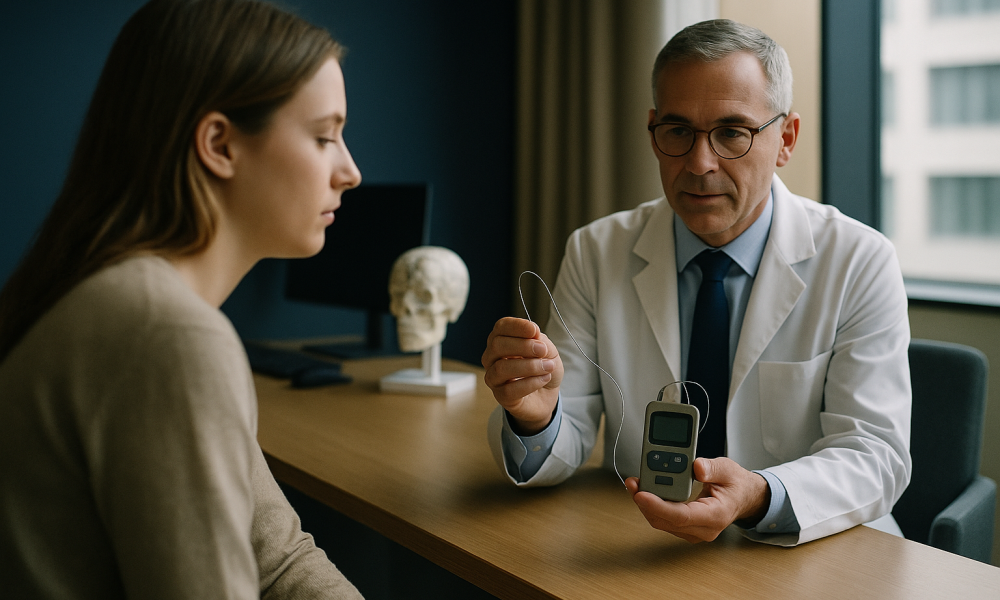
What Deep Brain Stimulation for Parkinson's is and who it is for
Deep Brain Stimulation (DBS) is a surgical procedure used to treat the symptoms of Parkinson’s disease, particularly in cases where medication is no longer effective in managing the condition. This procedure involves implanting electrodes in specific areas of the brain. These electrodes are connected to a small device called a neurostimulator, which is implanted under the skin in the chest. The neurostimulator sends electrical impulses to the brain, which can help regulate abnormal signals that cause the symptoms of Parkinson’s disease.
DBS is primarily used for individuals with Parkinson’s disease who experience significant motor symptoms that are not adequately controlled with medication. This includes symptoms such as tremors, rigidity, and bradykinesia (slowness of movement). The procedure is not a cure for Parkinson’s disease, but it can significantly improve quality of life by reducing symptoms and enhancing the effectiveness of medication.
The treatment is considered for patients who have had Parkinson’s for at least four years, during which time symptoms have become more challenging to manage. DBS is especially suitable for patients who have developed motor fluctuations, which are variations in movement control, and dyskinesias, which are involuntary movements caused by long-term use of Parkinson’s medication.
In Turkey, DBS for Parkinson’s is performed by highly trained neurosurgeons in state-of-the-art facilities. The country has become a popular destination for medical tourism due to its combination of high-quality care and competitive costs. Patients considering DBS in Turkey can expect to find hospitals equipped with advanced medical technologies and professionals with extensive experience in neurosurgical procedures.
The decision to undergo DBS is complex and involves a thorough evaluation by a multidisciplinary team, including a neurologist, a neurosurgeon, and sometimes a neuropsychologist. This team assesses whether the potential benefits of the procedure outweigh the risks for each individual patient. It’s important for prospective patients to have realistic expectations, understanding that while DBS can improve symptoms, it does not halt the progression of Parkinson’s disease.
Are you a good candidate?
Determining whether you are a good candidate for Deep Brain Stimulation (DBS) involves a comprehensive assessment by a team of specialists. The criteria for candidacy are specific and aim to maximise the potential benefits of the procedure while minimising risks.
- Diagnosis of Parkinson’s Disease: Only individuals with a confirmed diagnosis of Parkinson’s disease, rather than other types of parkinsonism or neurological disorders, are considered for DBS.
- Duration of Symptoms: Candidates should have been living with Parkinson’s for at least four years, with symptoms that significantly impact daily living despite optimal medical therapy.
- Medication Response: Patients who respond to levodopa but experience complications such as motor fluctuations or dyskinesias are ideal candidates, as DBS can help smooth out these fluctuations.
- Overall Health: Candidates must be in good general health and able to undergo surgery. This includes having no significant cognitive decline or psychiatric illness, which could be exacerbated by the procedure.
- Realistic Expectations: Patients must understand the potential outcomes and limitations of DBS, recognising that it is not a cure but a means to improve quality of life.
- Support System: A strong support network is crucial, as recovery involves adjustments and regular follow-ups. Family or caregiver involvement often contributes to better outcomes.
- Age Considerations: While there is no strict age limit, younger patients often experience more significant benefits. However, older patients in good health may still be considered.
It’s vital for prospective candidates to engage in detailed discussions with their healthcare providers to understand the implications of the surgery fully. This includes an assessment of the potential risks, such as infection, bleeding, or device-related complications. Patients are encouraged to weigh these risks against the potential improvements in their quality of life. In Turkey, the evaluation process is thorough, ensuring that only those who are likely to benefit from DBS are recommended for the procedure.
The procedure, step by step
Deep Brain Stimulation (DBS) is a surgical intervention aimed at alleviating the motor symptoms associated with Parkinson’s disease. The procedure is typically performed under local anaesthesia and involves several critical steps, each carefully orchestrated for maximum efficacy and safety.
- Pre-operative Assessment: Before the surgery, patients undergo a comprehensive evaluation to ascertain their suitability for DBS. This includes neurological examinations, neuroimaging (usually MRI or CT scans), and sometimes neuropsychological testing. The goal is to identify the optimal target area within the brain for electrode placement.
- Planning and Mapping: Using the imaging data, neurosurgeons develop a precise surgical plan. This step involves detailed mapping of the brain to pinpoint the exact coordinates for electrode implantation, often utilising advanced software for 3D brain modelling.
- Stereotactic Frame Placement: On the day of surgery, a stereotactic head frame is secured to the patient’s skull. This frame serves as a reference point to ensure the accuracy of electrode placement.
- Electrode Implantation: A small burr hole is drilled into the skull, and a thin electrode is inserted into the targeted brain area. The patient remains awake during this part to allow for real-time feedback, which helps in fine-tuning the electrode positioning by monitoring symptom response.
- Testing and Adjustment: Once the electrodes are in place, test stimulation is performed. The surgical team observes the patient’s responses to various stimulation settings to ensure optimal placement and functionality.
- Implantation of the Pulse Generator: After successful electrode positioning, the patient is placed under general anaesthesia. A pulse generator, similar to a pacemaker, is implanted under the skin near the collarbone. This device is connected to the electrodes via extension wires that are tunnelled beneath the skin.
- Closure and Recovery: The incisions are closed, and the patient is moved to a recovery area for monitoring. The entire procedure typically takes between 4 to 6 hours, depending on the complexity and individual patient factors.
It’s important to note that DBS does not cure Parkinson’s disease but can significantly improve quality of life by reducing symptoms such as tremors, stiffness, and rigidity. Patients are advised to have realistic expectations and discuss potential risks and benefits thoroughly with their healthcare team.
Recovery timeline
The recovery process following Deep Brain Stimulation surgery is gradual and varies among individuals. Here is a general timeline of what patients might expect, along with care notes to facilitate a smoother recovery.
| Period | What to expect | Care notes |
|---|---|---|
| Day 1-3 | Patients are usually kept in the hospital for observation. Swelling and mild discomfort around the surgical sites are common. Initial assessments of the device are conducted. | Rest is crucial. Head elevation may help reduce swelling. Follow all medication regimens as prescribed to manage pain and prevent infection. |
| Week 1-2 | Most patients can return home. Swelling and bruising should begin to subside. Initial programming of the pulse generator may occur, but adjustments are often needed. | Keep surgical sites clean and dry. Attend follow-up appointments for device programming. Avoid strenuous activities. |
| Month 1-3 | Gradual improvement in symptoms as programming is optimised. Patients may notice increased mobility and reduced tremors. | Regular visits to the neurologist for device tuning are essential. Maintain a balanced diet and light exercise to promote overall health. |
| Month 3-6 | Most patients reach optimal device settings. Symptom control is typically stable, allowing for a return to daily activities. | Continue regular check-ups. Engage in physical therapy if recommended to maximise benefits. Monitor for any device-related issues. |
| Month 6 and beyond | Long-term benefits are sustained with periodic adjustments. Patients often experience significant improvements in quality of life. | Adhere to a long-term follow-up schedule. Report any new symptoms or concerns to your healthcare provider promptly. |
Recovery from DBS is highly individualised, and the timeline can vary based on personal health factors and response to therapy. Close communication with healthcare providers is essential to tailor the recovery plan to the patient’s specific needs.
What it costs: Turkey vs the United States
When considering deep brain stimulation (DBS) for Parkinson’s disease, cost is a significant factor. Turkey has become an attractive destination for this procedure, offering competitive prices compared to the United States. Below is a comparison of indicative price ranges for DBS in both countries, alongside typical inclusions in treatment packages.
| Country | Indicative Price Range (USD) | Typical Inclusions |
|---|---|---|
| Turkey | $25,000 – $35,000 |
|
| United States | $50,000 – $100,000 |
|
The cost difference can be attributed to several factors, including the lower cost of living in Turkey and government incentives to promote medical tourism. Turkish hospitals often offer comprehensive packages that include not only the medical treatment but also additional services aimed at international patients, such as accommodation and travel arrangements.
It’s important to note that these figures are indicative and can vary based on the specific hospital, the complexity of the case, and the chosen surgeon’s expertise. Prospective patients are encouraged to obtain detailed quotes from multiple providers to understand the full scope of costs involved.
Risks and how accredited providers manage them
Deep brain stimulation (DBS) is a sophisticated surgical procedure that, like all surgeries, carries certain risks. These can include infection, bleeding, stroke, or complications related to anaesthesia. Additionally, specific to DBS, there is a risk of hardware-related issues, such as lead misplacement or device malfunction, and potential neuropsychiatric effects such as mood changes or cognitive disturbances.
In Turkey, accredited healthcare providers take comprehensive measures to manage and mitigate these risks. Accreditation from international bodies such as Joint Commission International (JCI) ensures that hospitals adhere to high standards of safety and quality. These standards include rigorous protocols for pre-operative assessment, surgical procedures, and post-operative care.
Pre-operative assessments usually involve a multidisciplinary team, including neurologists, neurosurgeons, and psychologists, who evaluate the patient’s suitability for DBS. This often involves detailed imaging studies like MRI or CT scans to map brain structures accurately, reducing the risk of lead misplacement.
During the surgery, advanced technologies such as intraoperative imaging and neurophysiological monitoring are employed to enhance precision and safety. These tools help surgeons to place electrodes accurately, minimizing the risk of complications.
Post-operatively, patients are closely monitored in high-dependency units where any signs of complications can be swiftly addressed. Follow-up care is critical, and Turkish providers typically include a series of consultations to monitor progress and adjust the DBS device settings as necessary to optimise therapeutic outcomes.
Moreover, accredited hospitals in Turkey often have dedicated international patient departments that offer additional support, such as language interpretation and cultural mediation, to ensure clear communication and understanding throughout the treatment process. This holistic approach helps in managing not only the medical aspects but also the psychological and logistical challenges patients may face when seeking treatment abroad.
While no medical procedure can be entirely risk-free, choosing an accredited provider in Turkey can significantly mitigate the inherent risks associated with DBS. Patients are encouraged to discuss potential risks and management strategies thoroughly with their healthcare provider to make informed decisions about their treatment options.
How to choose the right provider
Choosing the right provider for Deep Brain Stimulation (DBS) in Turkey is a crucial decision that requires careful consideration of several factors. Accreditation is a primary concern; ensure that the hospital is accredited by international bodies such as the Joint Commission International (JCI). This certification indicates adherence to global healthcare standards, which is vital for ensuring quality and safety during your treatment.
Another critical factor is the experience and expertise of the surgeon. Look for surgeons who specialise in neurosurgery with a focus on DBS for Parkinson’s disease. It is advisable to inquire about the number of DBS procedures the surgeon has performed, as well as their success and complication rates. Experienced surgeons are more likely to handle complex cases effectively and achieve optimal outcomes.
Aftercare is another essential aspect to consider. A comprehensive aftercare program is crucial for recovery and long-term management of Parkinson’s symptoms. The provider should offer a structured plan that includes physical therapy, regular follow-up appointments, and support for medication management. Ask about the availability of multidisciplinary teams, including neurologists, physiotherapists, and psychologists, who can offer holistic care.
Be aware of red flags that may indicate a provider is not suitable. These include lack of transparency about costs, reluctance to share the surgeon’s qualifications or patient testimonials, and inadequate communication channels. A reputable provider should be willing to provide detailed information and answer any questions you have.
Additionally, consider the hospital’s facilities and technology. Modern equipment and a well-equipped surgical suite are essential for the success of DBS. It can be beneficial to read reviews from past international patients to gauge their experiences with the hospital’s services, staff, and accommodation.
Finally, consider the logistical aspects such as the hospital’s location and ease of travel. Proximity to an international airport and availability of accommodation for you and your companions can significantly impact your overall experience. Choosing the right provider involves a balance of clinical expertise, quality of care, and logistical convenience, all of which contribute to a successful treatment journey.
Planning your trip
Planning your trip for Deep Brain Stimulation (DBS) in Turkey involves several critical steps and considerations to ensure a smooth and successful medical journey. The process should typically begin 3 to 6 months before your intended travel date. This timeline allows ample time for consultations, paperwork, and travel arrangements.
First, gather all necessary medical documents, including recent medical reports, imaging studies, and a letter from your neurologist detailing your Parkinson’s treatment history. These documents will be essential for your initial consultation with the Turkish medical team, either virtually or in person.
Next, consider the length of your stay. For DBS, you should plan for an initial stay of approximately 2 to 3 weeks in Turkey. This period includes pre-operative assessments, the surgical procedure, and initial recovery. It may be necessary to stay longer if complications arise or if additional therapy is recommended. Post-surgical follow-up visits should be factored into your schedule, and it’s advisable to plan for at least one follow-up appointment a few months after the surgery.
Ensure you have a valid passport and check visa requirements for US citizens travelling to Turkey. Typically, US citizens can obtain an e-visa online, which is a straightforward process. It is also wise to arrange travel insurance that covers medical procedures and any unforeseen events during your trip.
Accommodation should be booked in advance, ideally close to the hospital where the procedure will be performed. Some hospitals offer assistance with accommodation arrangements, so inquire about this service. Additionally, consider transportation options within Turkey, including airport transfers and daily commutes to the hospital.
Finally, plan for follow-up care once you return home. Coordinate with your neurologist in the US to ensure continuity of care, including medication adjustments and monitoring of your symptoms. Some Turkish providers offer telemedicine consultations, which can be a convenient option for ongoing communication and support after you leave Turkey.
By thoroughly planning your trip, you can focus on your treatment and recovery, confident that logistical details are in place. This approach helps minimise stress and ensures that you can make the most of the medical care available in Turkey.
Frequently Asked Questions
What is the typical cost range for DBS surgery in Turkey?
The cost of Deep Brain Stimulation (DBS) surgery in Turkey typically ranges from $20,000 to $35,000. This range is indicative and can vary based on the hospital, surgeon's experience, and the specifics of your treatment plan. It's important to request a detailed breakdown of costs from your chosen provider to understand what is included.
How safe is DBS surgery in Turkey?
DBS surgery in Turkey is generally considered safe, especially when performed at accredited hospitals by experienced neurosurgeons. Hospitals with Joint Commission International (JCI) accreditation adhere to high safety standards. However, as with any surgery, there are risks involved, so it's crucial to discuss these with your medical team and understand the pre-operative and post-operative protocols.
Do I need a visa to travel to Turkey for medical treatment?
Yes, US citizens typically need a visa to enter Turkey for medical treatment. Fortunately, you can obtain an e-visa online, which is a straightforward process. Ensure your passport is valid for at least six months from your date of entry into Turkey.
What should I look for in a neurosurgeon for DBS?
When choosing a neurosurgeon for DBS, look for one with extensive experience in performing this specific procedure. It's beneficial to ask about their success rates, complication rates, and the number of DBS surgeries they have performed. Checking for board certification and any specialisation in Parkinson's treatment is also advisable.
How long will I need to stay in Turkey for DBS surgery?
You should plan to stay in Turkey for approximately 2 to 3 weeks. This duration allows for pre-operative assessments, the surgical procedure, and initial recovery. Be prepared to extend your stay if necessary, depending on your recovery progress and any additional therapy that may be recommended.
Can I have a virtual consultation before travelling?
Yes, many hospitals in Turkey offer virtual consultations with their medical teams. This service allows you to discuss your case, understand the treatment plan, and ask any questions before deciding to travel. It's a convenient way to assess your comfort level with the provider and make informed decisions.
Is accommodation included in the treatment package?
Accommodation is generally not included in the treatment package. However, some hospitals offer assistance in booking nearby accommodation or may have partnerships with local hotels. It's advisable to inquire about these services when discussing your treatment plan with the hospital.
What types of follow-up care are available after I return home?
After returning home, follow-up care is crucial. Coordinate with your neurologist in the US for ongoing management of your symptoms and any necessary medication adjustments. Some Turkish providers offer telemedicine consultations for continuous support, which can be a valuable resource for follow-up care.
Will I need any special vaccinations before travelling to Turkey?
There are no specific vaccinations required for US citizens travelling to Turkey, but it's recommended to be up-to-date with routine vaccines such as measles, mumps, rubella (MMR), and influenza. Consult your healthcare provider for personalised advice, especially if you have underlying health conditions.
How do I ensure my medical records are securely transferred to Turkey?
To ensure secure transfer of medical records, use encrypted email services or secure file transfer platforms recommended by your hospital. It's also advisable to bring hard copies of essential documents when you travel. Discuss data privacy policies with your chosen provider to ensure compliance with international standards.
What should I do if I experience complications after returning home?
If you experience complications after returning home, contact your local neurologist immediately for evaluation and management. Inform your Turkish medical provider as well, as they may offer guidance or telemedicine consultations to assist with your care. Quick action can help manage any issues effectively.
Are there any hidden costs I should be aware of?
While most hospitals provide a comprehensive cost estimate, it's important to ask about any additional charges that may not be included, such as specific post-operative therapies, additional tests, or extended hospital stays. Clarifying these details beforehand can help avoid unexpected expenses.