
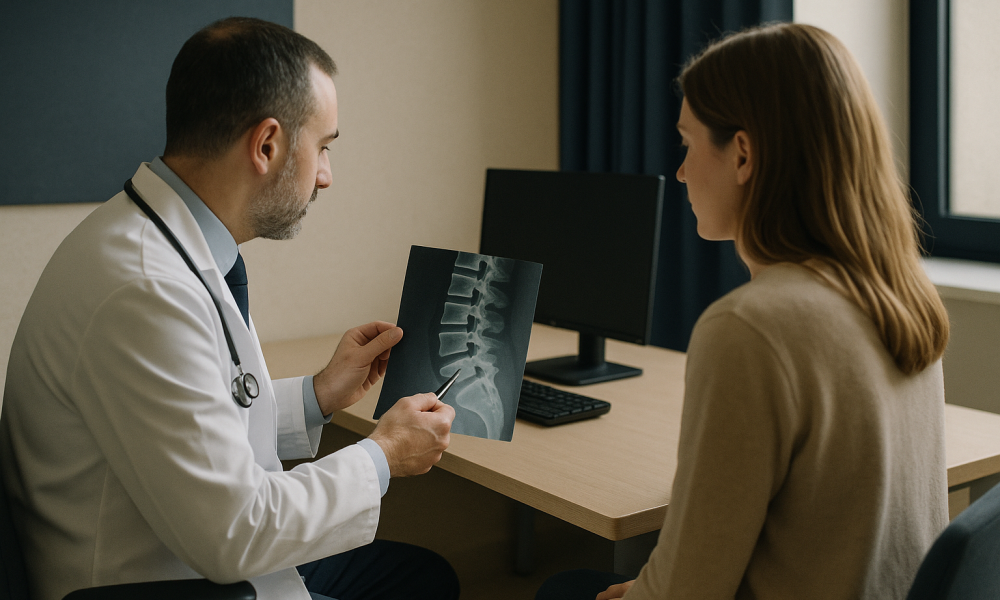
What Disc Herniation Surgery is and who it is for
Disc herniation surgery, often referred to as discectomy or microdiscectomy, is a medical procedure aimed at alleviating the pain and discomfort caused by herniated discs in the spine. The condition occurs when the soft, jelly-like centre of a spinal disc pushes through a crack in the tougher exterior casing, potentially pressing on spinal nerves. This can result in pain, numbness, or weakness, primarily in the back, neck, arms, or legs.
The surgery is primarily intended for patients who have not found relief through more conservative treatments such as physical therapy, medications, or steroid injections. It involves removing a portion of the herniated disc to relieve nerve pressure, which can significantly reduce the associated symptoms. In some cases, the entire disc may be removed, and the adjacent vertebrae fused together to maintain spinal stability.
Turkey has become a popular destination for this surgery due to its blend of high-quality healthcare services and cost-effectiveness. The country boasts numerous internationally accredited hospitals and clinics equipped with advanced medical technology and staffed by experienced surgeons. The typical procedure time ranges from 1 to 3 hours, and it is performed under general anaesthesia, ensuring the patient is completely unconscious and free from pain during the operation.
Patients considering this surgery in Turkey can expect a hospital stay of approximately 1 to 3 days, depending on the complexity of the procedure and their personal recovery progress. The healthcare facilities in Turkey are known for their patient-centric approach, often offering English-speaking staff and comprehensive post-operative care plans to ensure a smooth recovery.
While disc herniation surgery can provide immediate relief from symptoms, the full recovery period can span from 3 to 6 months, during which time patients will gradually resume normal activities. The success of the surgery largely depends on the individual’s adherence to post-surgical rehabilitation, which may include physical therapy and lifestyle modifications.
Are you a good candidate?
Determining whether you are a suitable candidate for disc herniation surgery involves a thorough evaluation by a qualified healthcare professional. This assessment typically includes a detailed medical history, physical examination, and imaging tests such as MRI or CT scans to confirm the presence of a herniated disc.
Patients who are considered good candidates for the surgery generally meet the following criteria:
- Persistent Symptoms: Experiencing ongoing pain, numbness, or weakness that has not improved with conservative treatments like medications, physical therapy, or injections over a period of at least 6 weeks.
- Confirmed Herniation: Imaging tests have confirmed a herniated disc that correlates with the patient’s symptoms.
- Functional Impairment: The symptoms significantly interfere with daily activities and quality of life, affecting the ability to work, exercise, or perform routine tasks.
- Age and Health Status: Generally healthy adults, typically below the age of 65, who do not have medical conditions that could increase surgical risks (such as severe heart disease or uncontrolled diabetes).
- Realistic Expectations: Patients who understand the potential benefits and limitations of the surgery, including the possibility of needing additional treatments in the future.
- Non-smoker: Smoking can impede healing and increase the risk of complications, so candidates are often advised to quit smoking before and after the procedure.
It is crucial for prospective patients to have a clear understanding of the surgical process and to discuss any concerns with their healthcare provider. This includes potential risks, such as infection or nerve damage, and the importance of post-surgical rehabilitation to achieve the best possible outcome.
In summary, while many individuals with herniated discs can benefit from surgery, it is essential to undergo a comprehensive evaluation to ensure that it is the most appropriate treatment option based on individual health needs and lifestyle requirements.
The procedure, step by step
Disc herniation surgery, commonly referred to as a discectomy or microdiscectomy, is a procedure aimed at relieving pressure on the spinal nerves caused by herniated discs. Here’s a detailed step-by-step overview of what patients can typically expect when undergoing this procedure in Turkey.
- Pre-operative Assessment: Prior to the surgery, patients undergo a thorough medical evaluation. This typically includes imaging tests such as MRI or CT scans to confirm the diagnosis and determine the exact location and severity of the herniation. Blood tests and a comprehensive health assessment are also performed to ensure the patient is fit for surgery.
- Anaesthesia: On the day of the surgery, patients are administered either general anaesthesia, which will put them to sleep throughout the procedure, or spinal anaesthesia, which numbs the lower half of the body while the patient remains awake. The choice of anaesthesia depends on various factors, including patient health and preference.
- Incision and Access: The surgeon makes a small incision, typically about 2 to 3 centimetres, over the affected area of the spine. This is done with precision to minimise tissue damage. In a microdiscectomy, a special microscope is used to provide a magnified view of the disc and nerves, allowing for a minimally invasive approach.
- Removal of Herniated Disc Material: The surgeon gently retracts the muscles and tissues to access the spine. Using specialised instruments, the portion of the disc that is pressing on the nerve is carefully removed. In some cases, a small portion of bone may also be removed to provide better access to the herniated disc.
- Closure: Once the herniated material is removed, the incision is closed with sutures or surgical staples. A sterile bandage is applied to protect the wound.
- Post-operative Monitoring: After the procedure, patients are taken to a recovery room where they are monitored as the anaesthesia wears off. Vital signs are closely observed to ensure a stable recovery. Pain management is initiated as per the individual’s needs.
- Discharge Instructions: Most patients are able to leave the hospital within 24 to 48 hours post-surgery, depending on their recovery and any additional health considerations. Patients receive detailed instructions on wound care, activity restrictions, and follow-up appointments.
This step-by-step overview provides insight into the meticulous process involved in disc herniation surgery, highlighting the expertise and care available in Turkish healthcare facilities.
Recovery timeline
Recovery from disc herniation surgery is a gradual process, and it is important for patients to understand the expected timeline to set realistic expectations. The following table outlines the typical recovery stages from the day of surgery to full recovery.
| Period | What to expect | Care notes |
|---|---|---|
| Day 1 | Patients may experience some pain and discomfort at the incision site. Movement is encouraged to prevent complications. | Pain management is crucial. Gentle walking is recommended to promote circulation. |
| Days 2-3 | Most patients are discharged from the hospital. Pain should gradually decrease. | Follow discharge instructions carefully. Avoid bending, lifting, and twisting. |
| Week 1 | Continued improvement in mobility. Swelling and bruising should begin to subside. | Attend follow-up appointments. Adhere to prescribed pain medication and rest as needed. |
| Weeks 2-4 | Patients typically experience significant reduction in nerve-related symptoms. Light activities can be resumed. | Engage in physical therapy if advised. Gradually increase activity levels. |
| Months 1-3 | By this stage, most patients return to normal activities with minimal discomfort. Full recovery is often achieved. | Continue with any recommended exercises. Monitor for any unusual symptoms and report them to your healthcare provider. |
| Full Recovery | Generally achieved within 3 months, although this can vary based on individual health and adherence to recovery protocols. | Maintain a healthy lifestyle and follow any long-term care advice to prevent future issues. |
This recovery timeline provides a structured overview of what patients can typically expect after undergoing disc herniation surgery, ensuring they are well-prepared for each stage of the healing process.
5. What it costs: Turkey vs Canada
When considering disc herniation surgery, cost is a significant factor for many patients. Turkey has emerged as a competitive destination for this procedure, offering a combination of high-quality medical care and affordability. It is crucial to understand the typical costs involved and how they compare to those in Canada.
The costs of disc herniation surgery can vary widely based on several factors, including the complexity of the surgery, the type of hospital, and the inclusivity of the treatment package. Below is a comparative table that outlines the indicative price ranges for disc herniation surgery in Turkey versus Canada, along with what is typically included in the treatment packages.
| Country | Indicative Price Range (GBP) | Typical Inclusions |
|---|---|---|
| Turkey | £3,000 – £7,000 | Pre-operative assessments, surgery, hospital stay (3-5 days), post-operative care, and airport transfers. |
| Canada | £10,000 – £25,000 | Pre-operative assessments and surgery. Additional costs may apply for hospital stay and post-operative care. |
As shown, the cost of disc herniation surgery in Turkey is significantly lower than in Canada. This is primarily due to the lower cost of living and operational expenses in Turkey, which allows hospitals to offer competitive pricing without compromising quality. Additionally, many Turkish hospitals offer all-inclusive packages that cover a broader range of services, providing more comprehensive care and reducing the stress of managing extra costs.
It is important to note that these figures are indicative and can vary depending on the specific circumstances of each patient and the chosen healthcare provider. Prospective patients should seek detailed quotes and understand what is included in the package before making a decision. It is also advisable to consider the costs of travel and accommodation when planning for treatment abroad.
6. Risks and how accredited providers manage them
Like any surgical procedure, disc herniation surgery carries certain risks. Understanding these risks and how accredited providers in Turkey manage them can help reassure prospective patients considering treatment abroad.
Common risks associated with disc herniation surgery include infection, bleeding, nerve damage, and complications from anaesthesia. There is also a possibility of recurrent herniation, where the disc may herniate again after surgery. While these risks are inherent to the procedure, they are generally considered low and are effectively managed by experienced surgical teams.
Accredited healthcare providers in Turkey adhere to international standards of patient care and safety. These institutions are often accredited by organisations such as the Joint Commission International (JCI), which ensures that they follow rigorous protocols to minimise risks. Here’s how these providers typically manage the risks associated with disc herniation surgery:
- Pre-operative Evaluation: Patients undergo comprehensive pre-operative assessments, including imaging studies and health evaluations, to ensure they are suitable candidates for surgery. This helps in planning the procedure meticulously and anticipating potential complications.
- Infection Control: Accredited hospitals implement stringent infection control measures. This includes sterilisation protocols, use of antibiotics prophylactically, and maintaining a sterile surgical environment to significantly reduce the risk of post-operative infections.
- Skilled Surgical Teams: Surgeries are performed by highly skilled and experienced surgeons who are well-versed in the latest techniques and technologies. Their expertise is crucial in reducing the likelihood of complications such as nerve damage.
- Post-operative Care: Comprehensive post-operative care is provided to monitor patients closely for any signs of complications. This includes regular follow-ups, pain management, and physiotherapy to aid in recovery and prevent recurrence.
- Emergency Protocols: Accredited facilities are equipped with advanced emergency care systems to address any unforeseen complications promptly and effectively.
While no surgery can be entirely risk-free, choosing an accredited provider in Turkey can help mitigate these risks significantly. Patients are encouraged to discuss potential risks and management strategies with their chosen healthcare provider to make an informed decision about their treatment.
How to choose the right provider
When selecting a provider for disc herniation surgery in Turkey, it’s crucial to consider several key factors to ensure a safe and effective treatment experience. Accreditation is a primary consideration. Look for hospitals accredited by international bodies such as the Joint Commission International (JCI), which assures compliance with global healthcare standards. Such accreditation indicates that the facility meets high-quality benchmarks in terms of patient care, safety, and medical practices.
The experience and qualifications of the surgeon are equally important. Research the surgeon’s educational background, years of experience, and specific expertise in spinal surgeries. Ideally, the surgeon should have a minimum of 10 years of experience in neurosurgery or orthopaedic surgery with a strong track record in performing disc herniation procedures. You may also want to inquire about their membership in professional associations such as the Turkish Neurosurgical Society or international bodies like the North American Spine Society.
Aftercare services are another critical component of your decision. Comprehensive aftercare can significantly impact recovery outcomes. Ensure that the clinic provides a structured aftercare plan that includes physical therapy, regular follow-up appointments, and access to medical support post-surgery. Ask if they provide telemedicine consultations for continued support once you return home.
Be vigilant about red flags that may indicate substandard care. These include lack of transparency in pricing, reluctance to provide detailed information about the surgeon’s qualifications, and absence of clear aftercare protocols. Additionally, avoid providers that guarantee specific outcomes or use high-pressure sales tactics. It’s also advisable to read patient reviews and testimonials, but be aware of overly positive or negative reviews that may not accurately reflect the service quality.
By carefully evaluating these factors, you can make an informed choice that prioritises your health and safety while seeking treatment abroad.
Planning your trip
Planning your trip for disc herniation surgery in Turkey involves several logistical and medical considerations to ensure a smooth experience. Begin by establishing a timeline. Ideally, start planning at least two to three months in advance to allow ample time for research, consultations, and booking. This timeframe also provides a buffer for securing any necessary travel documents and arranging accommodations.
Ensure your passport is valid for at least six months beyond your planned departure date. Canadian citizens typically require a visa to enter Turkey, which can be obtained online through the e-Visa system. The process is straightforward and usually takes a few minutes to complete, with a typical fee of USD 50-70.
Plan for a stay of at least two weeks in Turkey. This duration allows for pre-operative consultations, the surgery itself, and initial recovery under medical supervision. The exact length of stay may vary based on your specific medical needs and the surgeon’s recommendations. Discuss these details with your healthcare provider during the planning phase.
Prepare a comprehensive list of documents to bring with you, including medical records, imaging studies (such as MRIs or CT scans), and any correspondence with the chosen clinic or surgeon. This documentation will aid in the pre-operative assessment and ensure continuity of care.
Consider the logistics of follow-up care once you return to Canada. Establish a plan with your healthcare provider for ongoing rehabilitation and monitoring. Some Turkish clinics offer telemedicine consultations, which can be invaluable for follow-up care and addressing any post-operative concerns. Ensure you have access to a local healthcare provider in Canada who can assist with any immediate needs during your recovery.
By carefully planning each aspect of your medical trip, you can focus on your recovery and maximise the success of your treatment abroad.
Frequently Asked Questions
What are the typical costs for disc herniation surgery in Turkey?
The costs for disc herniation surgery in Turkey can vary widely depending on the complexity of the procedure, the hospital's location, and the surgeon's expertise. Typically, you can expect the costs to range from USD 4,000 to USD 8,000. This range is indicative and usually includes hospital fees, surgeon's fees, and basic aftercare services. However, it is crucial to confirm what is included in the quoted price and discuss any additional costs that may arise.
Is disc herniation surgery in Turkey safe?
Disc herniation surgery in Turkey is generally considered safe, especially when performed at accredited hospitals by experienced surgeons. Turkey has a robust healthcare system with many internationally accredited facilities. To ensure safety, choose a provider with JCI accreditation and a surgeon with significant experience in spinal surgeries. Additionally, reviewing patient testimonials and checking for any red flags such as lack of transparency or guarantees of specific outcomes can further ensure a safe treatment experience.
What type of visa do I need to travel to Turkey for surgery?
Canadian citizens travelling to Turkey for surgery will need to obtain an e-Visa, which can be conveniently applied for online. The e-Visa process is straightforward, typically requiring only a few minutes to complete. The cost is approximately USD 50-70, and the visa is usually valid for tourism or business purposes, allowing for a stay of up to 90 days. Ensure your passport is valid for at least six months beyond your intended departure date from Turkey.
How long should I plan to stay in Turkey for the surgery?
For disc herniation surgery, it's advisable to plan for a stay of at least two weeks in Turkey. This period allows for necessary pre-operative consultations, the surgery itself, and initial post-operative recovery under medical supervision. The exact length of stay may vary depending on your individual medical needs and the surgeon's recommendations. Discuss this timeline with your healthcare provider to ensure adequate recovery time before returning home.
What documents should I bring for my surgery in Turkey?
When travelling to Turkey for disc herniation surgery, it is important to bring a comprehensive set of medical documents. These should include recent medical records, imaging studies such as MRIs or CT scans, and any correspondence with your chosen clinic or surgeon. Having these documents readily available will assist in the pre-operative assessment and ensure continuity of care. Additionally, carry your passport, visa, and travel insurance details for a smooth travel experience.
Are there any red flags I should be aware of when choosing a provider?
When choosing a provider for disc herniation surgery in Turkey, be cautious of certain red flags. These include a lack of transparency in pricing, reluctance to provide detailed information about the surgeon’s qualifications, and the absence of clear aftercare protocols. Avoid providers that guarantee specific outcomes or use high-pressure sales tactics. It is also advisable to read patient reviews and testimonials, but be aware of overly positive or negative reviews that may not accurately reflect the service quality.
Can I have a telemedicine consultation before and after my surgery?
Yes, many clinics in Turkey offer telemedicine consultations both before and after your surgery. These virtual consultations can be particularly beneficial for initial assessments, discussing treatment plans, and post-operative follow-ups once you return home. Telemedicine provides an excellent opportunity to maintain continuity of care and address any concerns that may arise during your recovery. Confirm with your chosen clinic if they provide this service and understand how it fits into your overall treatment plan.
What kind of aftercare can I expect after surgery in Turkey?
Aftercare following disc herniation surgery in Turkey is a critical component of the treatment process. Most reputable clinics provide a structured aftercare plan that includes physical therapy, regular follow-up appointments, and access to medical support. Some clinics may also offer telemedicine consultations for continued support once you return home. It's important to discuss the aftercare plan with your provider to ensure it meets your recovery needs and includes all necessary services.
How do I verify the accreditation of a Turkish hospital?
To verify the accreditation of a Turkish hospital, look for certifications from international bodies such as the Joint Commission International (JCI). You can typically find this information on the hospital's official website or through the JCI's online directory. Accreditation by such organisations ensures that the hospital meets high standards of patient care, safety, and medical practices. It is a reliable indicator of the hospital's commitment to quality healthcare.
Will my Canadian health insurance cover surgery in Turkey?
Most Canadian health insurance plans do not cover elective surgeries performed abroad, including those in Turkey. However, it's advisable to check with your insurance provider to understand your specific policy and any potential coverage. You may also want to consider purchasing additional travel insurance that covers medical procedures abroad, which can help mitigate costs and provide peace of mind during your treatment journey.
What should I do if I experience complications after returning home?
If you experience complications after returning home from surgery in Turkey, it is important to contact your healthcare provider immediately. Establish a follow-up plan with a local healthcare professional before your trip, so you have access to medical support if needed. Additionally, if your Turkish clinic offers telemedicine consultations, utilise this service to discuss any post-operative concerns. Promptly addressing complications is crucial for effective recovery and long-term health outcomes.
How can I ensure continuity of care after returning to Canada?
To ensure continuity of care after returning to Canada, establish a follow-up plan with your local healthcare provider before your trip. Share all relevant medical records and treatment details with them. If your Turkish clinic offers telemedicine consultations, use these to maintain communication with your surgeon. Regular follow-ups and adherence to any prescribed rehabilitation or therapy are essential for a successful recovery and to address any issues that may arise post-surgery.