
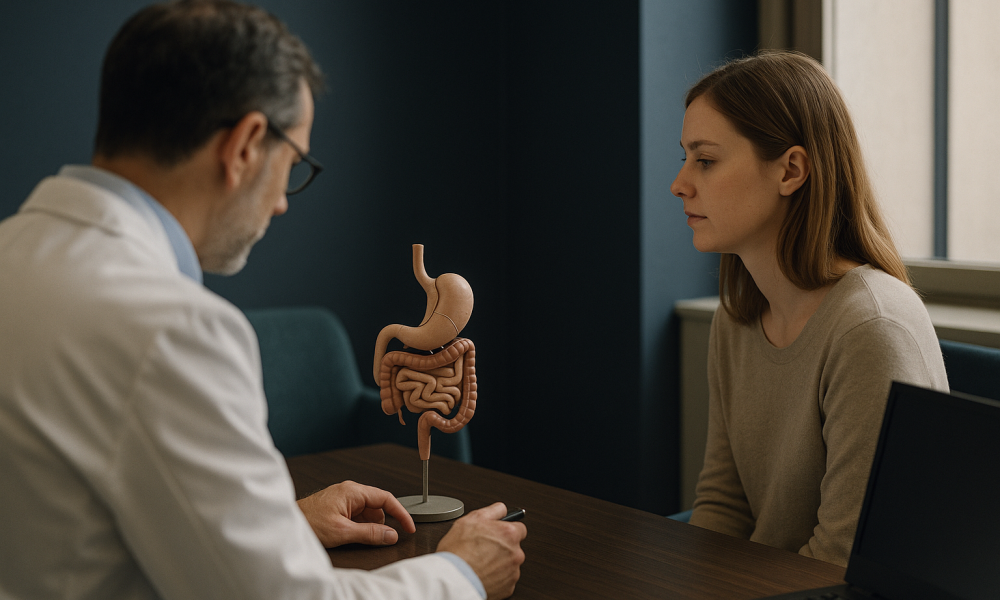
What Duodenal Switch is and who it is for
The duodenal switch, or biliopancreatic diversion with duodenal switch (BPD/DS), is a complex bariatric surgery designed to aid in significant weight loss. It combines two techniques: a restrictive component that reduces the stomach size and a malabsorptive component that alters the normal process of digestion by rerouting a lengthy portion of the small intestine. This dual approach not only limits food intake but also decreases calorie absorption, making it highly effective for long-term weight management.
The procedure begins with the sleeve gastrectomy, where approximately 70-80% of the stomach is removed, leaving a tube-like structure. This significantly reduces the stomach’s capacity, limiting food intake and promoting early satiety. Following this, the small intestine is reconfigured. The duodenum, the first part of the small intestine, is divided, and the lower part of the small intestine is attached to the newly formed stomach pouch, bypassing a substantial portion of the intestine where nutrient absorption occurs. The remaining part of the intestine is connected further down, allowing digestive juices to mix with food closer to the colon.
Duodenal switch is particularly suitable for individuals with a body mass index (BMI) of 50 or higher, or those with a BMI of 35 or more who also suffer from obesity-related conditions such as type 2 diabetes, hypertension, or sleep apnoea. It is considered one of the most effective bariatric procedures for achieving and maintaining substantial weight loss, often resulting in a loss of 70-80% of excess body weight over two years. Additionally, it has been shown to improve or resolve obesity-related comorbidities, enhancing overall health and quality of life.
This procedure is recommended for patients who have struggled with other weight loss methods, including diet, exercise, and less invasive bariatric surgeries. Given its complexity and the lifestyle changes required post-surgery, candidates should be committed to adhering to long-term follow-up care, including nutritional supplements and regular medical check-ups, to ensure optimal outcomes and prevent nutritional deficiencies.
Are you a good candidate?
Determining whether you are a suitable candidate for the duodenal switch involves a comprehensive evaluation of your overall health, weight loss goals, and commitment to lifestyle changes. The procedure is not a quick fix and requires a lifelong commitment to dietary adjustments and medical follow-up.
Here are some criteria that potential candidates should meet:
- BMI Requirements: A body mass index (BMI) of 50 or more is typical for duodenal switch candidates. Those with a BMI of 35 or more may also qualify if they suffer from severe obesity-related health conditions.
- Previous Weight Loss Attempts: Candidates should have a documented history of unsuccessful weight loss attempts through conventional methods such as diet, exercise, or medication.
- Medical Evaluation: A thorough medical assessment is necessary to evaluate any underlying health conditions, ensuring they are stable enough to undergo surgery.
- Understanding of Risks and Benefits: Candidates must be well-informed about the potential risks, benefits, and lifestyle changes post-surgery. This includes understanding the need for lifelong nutritional supplements and regular follow-up appointments.
- Psychological Preparedness: A psychological evaluation may be required to ensure candidates are mentally prepared for the changes and challenges that come with significant weight loss and altered body image.
- Commitment to Follow-Up Care: Post-operative care is crucial. Candidates should be willing to engage in regular follow-up visits with their healthcare provider to monitor their progress and nutritional status.
- Support System: Having a strong support system, whether from family, friends, or support groups, can significantly enhance recovery and adherence to post-surgical lifestyle changes.
Ultimately, the decision to undergo a duodenal switch should be made in consultation with a qualified bariatric surgeon who can provide personalised advice based on your individual health profile and weight loss objectives.
The procedure, step by step
The Duodenal Switch, known medically as biliopancreatic diversion with duodenal switch (BPD/DS), is a complex bariatric surgery. It involves both restrictive and malabsorptive elements to aid in significant weight loss. The procedure is typically performed laparoscopically, meaning it is minimally invasive and involves small incisions.
Here is a step-by-step overview of the surgical procedure:
- Preparation and Anaesthesia: The procedure begins with the administration of general anaesthesia, ensuring the patient is asleep and pain-free throughout the surgery. The surgical team will then sterilise the abdomen and make several small incisions to allow for the insertion of surgical instruments and a camera.
- Stomach Resection: The surgeon starts by creating a sleeve gastrectomy, removing approximately 70-80% of the stomach along the greater curvature. This significantly reduces the stomach’s size, limiting food intake and promoting early satiety.
- Duodenal Switch: After the sleeve gastrectomy, the surgeon focuses on the small intestine. The duodenum, which is the first part of the small intestine, is divided just past the outlet of the stomach. The lower portion of the intestine is then brought up and attached to the newly created sleeve stomach, bypassing a significant portion of the intestine.
- Intestinal Bypass: The bypassed section of the small intestine is reconnected to the lower part of the small intestine, creating two pathways and one common channel. This configuration allows food to mix with digestive juices much further down the digestive tract, reducing calorie and nutrient absorption.
- Closure and Recovery: Finally, the surgeon will inspect the surgical area for any leaks or complications, remove the instruments, and close the incisions with sutures or staples. The patient is then moved to a recovery room for close monitoring as the anaesthesia wears off.
This dual approach of reducing stomach size and limiting nutrient absorption makes the Duodenal Switch one of the most effective bariatric procedures, particularly for patients with a high body mass index (BMI).
Recovery timeline
Recovery from a Duodenal Switch surgery varies from patient to patient. However, a general timeline can be outlined to provide a framework of what patients might expect as they recover.
| Period | What to Expect | Care Notes |
|---|---|---|
| Day 1 | Patients remain in the hospital for monitoring and initial recovery. Pain and nausea are common but manageable with medication. | Focus on rest and follow the medical team’s advice. Begin gentle movements to aid circulation. |
| Days 2-3 | Introduction of a liquid diet. Patients may experience soreness and fatigue. | Continue with prescribed medications. Gradually increase mobility with short walks. |
| Week 1 | Patients are usually discharged from the hospital. Transition to a pureed diet. | Attend follow-up appointments. Adhere strictly to dietary guidelines to avoid complications. |
| Weeks 2-4 | Continued healing and adjustment to the new diet. Energy levels begin to improve. | Monitor for signs of infection or complications. Gradually increase physical activity as tolerated. |
| Months 1-3 | Transition to soft foods, then solid foods. Significant weight loss typically begins. | Regular follow-ups are crucial. Nutritional supplements may be necessary to prevent deficiencies. |
| Months 4-6 | Patients often experience improved energy and can resume normal activities. | Maintain a balanced diet and regular exercise. Attend all scheduled medical appointments. |
| Full Recovery (6-12 months) | By this time, most patients have achieved significant weight loss and stabilised their new lifestyle. | Continue long-term follow-up care to ensure sustained health benefits and address any nutritional needs. |
Recovery is an ongoing process, and it is essential to maintain open communication with healthcare providers throughout this period. Individual experiences may vary, and adherence to medical advice is crucial for a successful recovery and long-term health improvements.
What it costs: Turkey vs the UK, Europe and North America
When considering a duodenal switch procedure, understanding the cost dynamics across different regions can be pivotal. Turkey has emerged as a preferred destination for medical tourism, particularly for those seeking cost-effective bariatric surgery without compromising on quality. Below, we provide a comparative overview of the indicative price ranges for duodenal switch surgery across Turkey, the UK, Europe, and North America. These figures are indicative and can vary based on individual circumstances and specific provider offerings.
| Region | Indicative Price Range (GBP) | Typical Package Inclusions |
|---|---|---|
| Turkey | £7,000 – £10,000 | Consultations, surgery, hospital stay, pre-operative tests, post-operative care, airport transfers, accommodation |
| UK | £15,000 – £20,000 | Consultations, surgery, hospital stay, pre-operative tests |
| Europe (EU) | £12,000 – £18,000 | Consultations, surgery, hospital stay, pre-operative tests |
| North America (USA & Canada) | £18,000 – £25,000 | Consultations, surgery, hospital stay, pre-operative tests |
In Turkey, the comprehensive nature of typical packages can be a significant draw. Many providers offer all-inclusive packages that cover not only the essential medical components but also logistical support such as airport transfers and accommodation, easing the process for international patients. In contrast, packages in the UK, Europe, and North America generally focus solely on medical aspects, often excluding travel and accommodation.
While Turkey offers a cost advantage, it is essential to consider all factors, including travel expenses, recovery time, and potential need for follow-up visits. Patients should evaluate the total cost of treatment, including any additional expenses that might arise, to make an informed decision.
Risks and how accredited providers manage them
Like any surgical procedure, the duodenal switch carries inherent risks. These can include complications such as infection, bleeding, or adverse reactions to anaesthesia. Specific to bariatric surgery, there are risks of malnutrition, vitamin deficiencies, and bowel obstruction. Understanding these risks is crucial for anyone considering the procedure, as is knowing how accredited providers in Turkey manage them to ensure patient safety.
Accredited healthcare facilities in Turkey adhere to international standards and employ a range of strategies to mitigate risks. Pre-operative assessments are thorough, involving detailed consultations and comprehensive medical evaluations to ensure that patients are fit for surgery. This process includes blood tests, imaging studies, and discussions about the patient’s medical history and lifestyle, which help in tailoring the surgical approach to each individual’s needs.
During the surgery, experienced surgeons utilise advanced minimally invasive techniques, such as laparoscopy, to reduce the risk of complications and promote quicker recovery. These techniques are supported by state-of-the-art surgical equipment and a highly skilled medical team, ensuring that the procedure is conducted with precision and care.
Post-operatively, accredited providers place a strong emphasis on monitoring and support to manage potential complications early. Patients are typically required to stay in the hospital for a few days post-surgery, where their recovery is closely monitored by a team of healthcare professionals. This period allows for immediate intervention should any complications arise.
Moreover, long-term follow-up care is a critical component of risk management. Accredited providers in Turkey offer structured follow-up programmes that include regular consultations, nutritional counselling, and support groups. These programmes aim to monitor the patient’s health, ensure proper nutritional intake, and provide psychological support, which is vital for sustained success and well-being post-surgery.
In addition to these measures, many Turkish healthcare providers are accredited by international bodies such as the Joint Commission International (JCI), which ensures adherence to stringent safety and quality protocols. This accreditation serves as an assurance of the provider’s commitment to maintaining high standards in patient care and safety.
While the risks associated with duodenal switch surgery cannot be entirely eliminated, the proactive and comprehensive approach adopted by accredited providers in Turkey significantly mitigates these risks, offering patients peace of mind as they embark on their journey to better health.
How to choose the right provider
Choosing the right provider for a duodenal switch procedure in Turkey involves several key considerations. First and foremost, verify the accreditation of the hospital or clinic. Look for international accreditations such as JCI (Joint Commission International) or ISO certifications, which ensure adherence to globally recognised healthcare standards.
Next, evaluate the experience of the surgeon. A surgeon with extensive experience in bariatric surgeries, particularly the duodenal switch, is crucial. Inquire about the number of procedures they have performed and their success and complication rates. A typical experienced bariatric surgeon should have performed at least several hundred surgeries, with duodenal switch making up a significant portion of their practice.
Aftercare is another critical aspect. A comprehensive aftercare programme should include nutritional guidance, psychological support, and regular follow-ups to monitor your progress. Check if the provider offers a structured aftercare plan and if they have a multidisciplinary team that includes dietitians, psychologists, and physical therapists.
Be vigilant for red flags during your research. These include lack of transparency about costs, unwillingness to provide surgeon credentials, or pressure to make a quick decision. Additionally, be cautious of providers that offer prices significantly lower than the average indicative range of £8,000 to £12,000, as this could indicate compromised quality or hidden costs.
Finally, seek out patient reviews and testimonials. While individual experiences can vary, consistent patterns in feedback can provide valuable insights into the provider’s reliability and quality of care.
Planning your trip
Planning your trip for a duodenal switch procedure in Turkey requires careful preparation. Begin by considering the timeline before travel. Typically, you should start planning at least 3-6 months in advance. This allows ample time to gather necessary medical records, consult with your local doctor, and have initial consultations with your chosen provider in Turkey.
Ensure you have all required documents ready. These include your passport, visa (if applicable), medical records, and any correspondence with the Turkish provider. It is also advisable to have a list of medications you are currently taking and any allergies.
Plan for the length of stay in Turkey. For a duodenal switch, you should expect to stay at least 10-14 days. This period includes pre-surgery consultations, the surgery itself, and initial recovery and monitoring. Ensure your travel and accommodation arrangements are flexible to accommodate any unexpected changes.
Consider the follow-up care you will need upon returning home. Arrange for follow-up appointments with your local healthcare provider to monitor your recovery and nutritional intake. It’s crucial to maintain regular communication with your Turkish provider for ongoing support and advice.
Finally, factor in travel insurance that covers medical tourism, which can provide peace of mind against any unforeseen complications or cancellations. Remember that while Turkey is a popular destination for medical tourism, ensuring a smooth and well-planned trip is essential for a successful surgical outcome.
Frequently Asked Questions
What is the average cost of a duodenal switch in Turkey?
The cost of a duodenal switch in Turkey typically ranges from £8,000 to £12,000. This usually includes the surgery, hospital stay, and initial consultations. However, it's important to confirm what is included in the quoted price as some costs, such as aftercare or additional tests, may not be covered.
How do I verify a clinic's accreditation?
To verify a clinic's accreditation, check if it holds international certifications such as JCI (Joint Commission International) or ISO. These accreditations indicate compliance with global healthcare standards. You can usually find this information on the clinic's website or by contacting them directly for proof of certification.
What should I look for in a surgeon's experience?
When assessing a surgeon's experience, inquire about the number of duodenal switch procedures they have performed. An experienced surgeon should have conducted several hundred bariatric surgeries, with a significant portion being duodenal switches. Also, ask about their success and complication rates to ensure they have a solid track record.
What does aftercare involve following a duodenal switch?
Aftercare following a duodenal switch typically includes nutritional guidance, psychological support, and regular medical follow-ups. A multidisciplinary team often provides these services, including dietitians, psychologists, and physical therapists. Ensure your provider offers a structured aftercare programme to support your recovery and long-term health.
How long should I plan to stay in Turkey for the surgery?
You should plan to stay in Turkey for at least 10-14 days for a duodenal switch procedure. This timeframe covers pre-surgery consultations, the surgery itself, and the initial recovery period. It’s advisable to have flexible travel arrangements to accommodate any unforeseen changes or complications.
What follow-up care is required after returning home?
After returning home, follow-up care involves regular appointments with your local healthcare provider to monitor recovery and nutritional intake. Maintain communication with your Turkish provider for ongoing advice. It's essential to adhere to dietary guidelines and attend follow-up visits to ensure optimal recovery and health outcomes.
Is it safe to have surgery in Turkey?
Turkey is a popular destination for medical tourism, known for its high-quality healthcare services. However, safety depends on choosing a reputable, accredited provider with experienced surgeons. Research thoroughly, verify accreditations, and check patient reviews to ensure you select a safe and reliable clinic.
What are the potential risks of a duodenal switch?
The duodenal switch, like any surgery, carries risks such as infection, bleeding, and complications related to anaesthesia. Specific risks include nutritional deficiencies and bowel obstruction. Discuss these risks with your surgeon and ensure they have a comprehensive plan to manage potential complications.
What should I pack for my medical trip to Turkey?
Pack essentials like your passport, visa, medical records, and a list of medications. Include comfortable clothing, personal hygiene items, and any medical supplies recommended by your provider. It’s also wise to pack a notebook to document your recovery and any questions for your healthcare team.
Will language be a barrier in Turkey?
Language is generally not a barrier as many clinics catering to international patients have English-speaking staff. However, it's helpful to confirm this in advance. You can also consider hiring a translator or using translation apps to facilitate communication during your stay.
How do I manage costs not covered in the surgery package?
To manage costs not covered in the surgery package, budget for additional expenses such as travel, accommodation, and extended aftercare. Confirm with the clinic what is included in the package and enquire about potential extra costs. It's prudent to have a contingency fund for unexpected expenses.
Do I need travel insurance for medical tourism?
Yes, having travel insurance that covers medical tourism is advisable. It provides financial protection against unforeseen complications, cancellations, or changes in travel plans. Ensure your policy covers both medical expenses and travel-related issues to offer comprehensive coverage during your trip.