
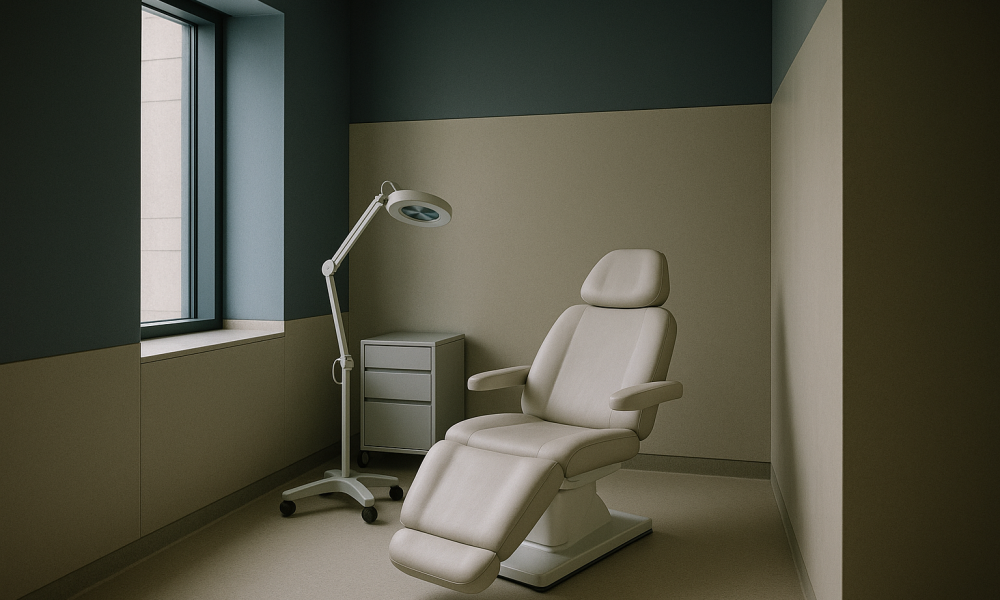
What Eyebrow Transplant is and who it is for
An eyebrow transplant is a cosmetic procedure aimed at enhancing the appearance of sparse or thin eyebrows by transplanting hair follicles from a donor site, typically the back of the scalp, to the eyebrow region. This procedure is becoming increasingly popular among individuals who have experienced eyebrow thinning due to over-plucking, ageing, genetic predisposition, or medical treatments such as chemotherapy. The goal is to create natural-looking, fuller eyebrows that complement the individual’s facial features.
The procedure generally involves harvesting hair grafts from the donor area, which are then meticulously implanted into the eyebrow region. Surgeons often use techniques such as Follicular Unit Extraction (FUE) or Direct Hair Implantation (DHI) to ensure precision and minimise scarring. The choice of technique depends on the patient’s needs and the surgeon’s expertise.
Eyebrow transplants are suitable for both men and women and can be customised to achieve a variety of styles and densities, from light enhancement to complete reconstruction. It’s crucial to have realistic expectations and understand that the final results can take several months to develop as the transplanted hair goes through natural growth cycles.
In Turkey, eyebrow transplants are performed by highly skilled surgeons who are experienced in the latest techniques, offering a combination of quality care and affordability. The cost of the procedure in Turkey typically ranges from £1,200 to £2,500, which is often more economical compared to prices in the UK, Europe, or North America.
While the procedure is generally safe, potential candidates should be informed about possible risks and complications, which may include infection, scarring, or unnatural hair growth patterns. These risks can be mitigated by choosing a qualified surgeon and adhering to post-operative care instructions.
Are you a good candidate?
Determining whether you are a good candidate for an eyebrow transplant involves a thorough assessment of your health, aesthetic goals, and lifestyle. Here are some criteria to consider:
- Age: Candidates should typically be over 18 years old, as younger patients may still experience changes in hair growth patterns.
- General Health: Good overall health is crucial. Conditions such as uncontrolled diabetes or blood clotting disorders can complicate surgery.
- Hair Type: The quality of donor hair is important. Ideally, the hair should match the texture and colour of your natural eyebrows.
- Realistic Expectations: Understanding the limitations and potential outcomes is vital. Discussing your goals with a surgeon can help align expectations.
- Commitment to Aftercare: Post-operative care is essential for optimal results. This includes avoiding strenuous activities and following cleaning protocols.
- Non-smoker: Smoking can impair healing and affect results. Non-smokers or those willing to quit are preferred candidates.
- Stable Psychological Health: Candidates should have a stable mental health status to ensure they are making informed decisions about cosmetic surgery.
A consultation with a qualified specialist will typically involve an evaluation of your medical history, a discussion of your aesthetic goals, and an examination of your donor hair site. This helps ensure that the procedure aligns with your expectations and that any potential concerns are addressed. If you meet these criteria, an eyebrow transplant could be a viable option to achieve your desired look.
The procedure, step by step
An eyebrow transplant in Turkey typically follows a meticulous procedure designed to ensure natural-looking results. Below is a step-by-step guide to the process, which generally takes around 3 to 5 hours, depending on individual needs and the extent of the transplant.
- Consultation and Planning: The process begins with an in-depth consultation with a specialist. During this session, your medical history is reviewed, and your expectations are discussed. The surgeon will assess the eyebrow area and the donor site (usually the back of the scalp) to determine the number of grafts required, which can range from 200 to 400 follicles per eyebrow.
- Preparation: On the day of the procedure, the donor area is shaved and sterilized. Local anaesthesia is administered to both the donor and recipient areas to ensure comfort. The surgeon will draw the outline of the desired eyebrow shape, taking into account the natural brow line and facial symmetry.
- Follicle Extraction: Using a technique called Follicular Unit Extraction (FUE), individual hair follicles are carefully removed from the donor area. This method involves using a micro-punch tool to extract follicles with minimal discomfort and scarring. The process is precise and requires significant skill to ensure the follicles remain intact.
- Graft Preparation: The harvested follicles are then prepared for transplantation. This involves cleaning and sorting the follicles under a microscope to ensure only healthy, viable grafts are used. The preparation phase is crucial for achieving a natural look and ensuring the follicles are ready for implantation.
- Implantation: The surgeon makes tiny incisions in the recipient area where the follicles will be implanted. This step requires meticulous attention to detail, as the direction, angle, and density of the implanted hairs must mimic natural eyebrow growth. Each follicle is individually placed to create a seamless and natural appearance.
- Post-Procedure Care: Once the implantation is complete, the surgeon will provide detailed aftercare instructions. This includes information on how to care for the transplanted area, what to expect in terms of swelling or discomfort, and guidance on activities to avoid during the initial recovery period.
The precision and expertise involved in an eyebrow transplant make it a highly effective option for those seeking to restore or enhance their eyebrows. While the procedure is generally safe, it is crucial to follow all pre and post-operative instructions provided by your healthcare provider to ensure the best possible outcome.
Recovery timeline
Understanding the recovery timeline for an eyebrow transplant can help set realistic expectations and ensure a smooth healing process. Below is a detailed table outlining the recovery stages from day one through to full recovery.
| Period | What to expect | Care notes |
|---|---|---|
| Day 1 | Immediately post-procedure, you may experience mild swelling and redness in the treated area. Some patients report a tingling sensation as the anaesthesia wears off. | Apply cold compresses to reduce swelling. Avoid touching or scratching the area to prevent infection. |
| Days 2-5 | Scabbing begins to form around the transplanted follicles. It is normal to experience some itching as the area starts to heal. | Keep the area clean and dry. Use prescribed ointments to aid in healing. Refrain from picking at scabs to avoid dislodging grafts. |
| Week 1 | Scabs will naturally fall off. The transplanted hairs may appear more prominent as the initial swelling subsides. | Continue following hygiene protocols. Avoid strenuous activities and exposure to direct sunlight. |
| Weeks 2-3 | The transplanted hairs may begin to shed, which is a normal part of the hair growth cycle. This stage is known as “shock loss.” | Be patient as this is a temporary phase. Adhere to all care instructions provided by your surgeon. |
| Months 1-3 | New hair growth is minimal as the follicles enter a dormant phase. This can be a challenging period as visible results are not yet apparent. | Maintain a healthy diet to support hair growth. Follow up with your surgeon for any concerns. |
| Months 4-6 | Noticeable new hair growth begins. The eyebrows will start to thicken and take shape. | Regular trimming may be necessary as new hairs grow longer. Continue with any recommended hair care treatments. |
| Months 7-12 | The eyebrows reach their full density and appearance. Hair growth stabilises, and the final results can be appreciated. | Follow up with your specialist to evaluate the results. Discuss any further treatments if necessary. |
Throughout the recovery period, it is vital to adhere to the care instructions provided by your healthcare provider to facilitate optimal healing and achieve the desired aesthetic outcome. Patience and consistent care are key to a successful recovery.
What it costs: Turkey vs the UK, Europe and North America
When considering an eyebrow transplant, cost is often a significant factor for many patients. Turkey has become a popular destination for this procedure, largely due to its competitive pricing compared to other regions. It is important to understand that these prices are indicative and can vary based on the complexity of the procedure, the clinic’s reputation, and the surgeon’s expertise.
Below is a comparative table that outlines the typical price ranges for eyebrow transplants in Turkey, the UK, Europe, and North America. Note that these figures are indicative and can vary:
| Region | Indicative Price Range (GBP) | What Packages Typically Include |
|---|---|---|
| Turkey | £1,200 – £2,500 | Consultation, surgery, post-op care, accommodation, airport transfers |
| UK | £3,000 – £5,500 | Consultation, surgery, post-op care |
| Europe | £3,500 – £6,000 | Consultation, surgery, post-op care |
| North America | £4,000 – £7,000 | Consultation, surgery, post-op care |
In Turkey, the cost of an eyebrow transplant typically ranges from £1,200 to £2,500. This price often includes not only the surgery itself but also additional services such as initial consultations, post-operative care, accommodation for the duration of your stay, and airport transfers. This comprehensive approach can make the experience more convenient and stress-free for international patients.
In contrast, the typical cost of an eyebrow transplant in the UK ranges from £3,000 to £5,500. While this generally includes the surgery and necessary post-operative care, it may not cover additional services like accommodation or transport, which are often required by international patients.
In other parts of Europe, prices are slightly higher, ranging from £3,500 to £6,000. Similar to the UK, these costs usually cover the surgery and post-operative care but typically exclude extras such as accommodation and transportation.
North America, which includes both the United States and Canada, often presents the highest costs for eyebrow transplants, ranging from £4,000 to £7,000. These costs generally include the surgery and post-operative care but, as with Europe and the UK, they may not cover additional services like accommodation and transport.
Ultimately, when comparing costs, patients should not only consider the financial aspect but also the quality of care, the credentials of the medical team, and the comprehensiveness of the package offered. It’s crucial to gather detailed information from the clinic and verify what is included in the quoted price to ensure there are no unexpected expenses.
Risks and how accredited providers manage them
Undergoing an eyebrow transplant, like any surgical procedure, carries certain risks. These can range from minor complications to more serious concerns. However, when the procedure is conducted by an accredited provider, these risks are managed effectively to ensure patient safety and satisfaction.
One of the common risks associated with eyebrow transplants is infection. This can occur if the surgical area is not kept clean or if post-operative care instructions are not followed. Accredited clinics in Turkey manage this risk by maintaining strict hygiene standards, using sterile equipment, and providing patients with comprehensive post-operative care instructions.
Swelling and bruising are other potential risks. These are usually temporary and resolve within a few days to weeks. Accredited providers often recommend specific aftercare practices, such as applying cold compresses and elevating the head during sleep, to minimise these effects.
Another risk is the possibility of unnatural-looking results, such as uneven growth or hair growing in the wrong direction. To mitigate this, experienced surgeons at accredited clinics employ advanced techniques and take great care in the placement and angling of the transplanted hairs. They often use micrografts and consider the natural direction of hair growth to achieve a natural appearance.
Scarring is a concern for some patients, particularly if they have a tendency to develop keloids. Accredited providers manage this risk by employing minimally invasive techniques and providing detailed guidance on how to care for the donor and recipient sites after the procedure to promote healing and minimise scarring.
In rare cases, patients may experience shock loss, where transplanted hairs fall out temporarily before regrowing. Clinics manage this by informing patients about the possibility and reassuring them about the normalcy of this process, which is usually temporary and resolves as the hair growth cycle progresses.
Accredited clinics in Turkey are also equipped to handle any adverse reactions that may occur during or after the procedure. They typically have emergency protocols in place and are staffed with trained medical professionals who can swiftly respond to any complications.
Finally, communication plays a crucial role in risk management. Accredited providers ensure that patients are fully informed about the procedure, potential risks, and expected outcomes. They encourage patients to ask questions and express any concerns they may have. This open communication helps build trust and ensures that patients have realistic expectations about the results of their eyebrow transplant.
In summary, while risks exist, choosing an accredited provider in Turkey can significantly reduce these risks. Through stringent hygiene practices, skilled surgical techniques, comprehensive aftercare, and clear patient communication, these clinics strive to provide a safe and satisfying experience for international patients seeking eyebrow transplants.
How to choose the right provider
Choosing the right provider for your eyebrow transplant in Turkey is a crucial step in ensuring a successful and satisfying outcome. There are several factors to consider, and each should be carefully evaluated to make an informed decision.
Accreditation is a fundamental aspect to consider. Ensure that the clinic is accredited by recognized international organisations, such as the Joint Commission International (JCI). Accreditation indicates that the clinic adheres to high standards of medical care and patient safety, which are crucial for any surgical procedure.
Surgeon Experience is another critical factor. Look for surgeons who specialize in hair transplantation with extensive experience specifically in eyebrow transplants. Verify their credentials and training background, and consider their track record with similar procedures. A surgeon with a well-documented history of successful eyebrow transplants is preferable.
Aftercare should not be overlooked. Comprehensive aftercare services are essential for optimal recovery and results. Investigate what aftercare is included in the treatment package. This might include follow-up consultations, availability of medical advice post-procedure, and access to emergency care if needed. Adequate aftercare can significantly impact the healing process and the overall success of the transplant.
Red Flags include lack of transparency, unusually low prices, and high-pressure sales tactics. If a clinic is unwilling to provide detailed information about their procedures, accreditations, or the qualifications of their medical staff, proceed with caution. Prices significantly below the typical range of £2,000 to £4,000 may indicate corners being cut in terms of quality or safety. Trustworthy clinics will provide ample information and allow you time to make your decision without pressure.
Finally, seek out reviews and testimonials from previous patients. While these can provide insight into the experiences of others, remember that individual results and experiences can vary. Look for consistent themes in reviews, such as the professionalism of staff, the cleanliness of facilities, and the overall satisfaction with the results.
Planning your trip
Planning your trip to Turkey for an eyebrow transplant involves several key considerations to ensure a smooth and successful journey. Here is a guide to help you prepare effectively.
Timeline Before Travel: Begin by scheduling your procedure at least two months in advance. This allows time for necessary consultations and any required medical tests. It also provides a buffer for arranging travel and accommodation.
Documents: Ensure your passport is valid for at least six months beyond your planned return date. Depending on your country, you may need a visa to enter Turkey; UK and EU citizens can often obtain an e-Visa online. Additionally, bring copies of all medical records related to your procedure, including any pre-consultation documents from the clinic.
Length of Stay: Plan to stay in Turkey for 5 to 7 days. This duration allows for pre-surgery consultations, the procedure itself, and initial recovery. Most patients can return to light activities within a few days, but staying longer ensures you can attend follow-up appointments and address any immediate post-operative concerns.
Follow-up at Home: Arrange for follow-up care with a local dermatologist or hair restoration specialist before you travel. This will ensure continuity of care once you return home. These professionals can assist with ongoing assessments and address any concerns that arise during your recovery process.
Additionally, consider purchasing travel insurance that covers medical procedures abroad. This can provide peace of mind in case of unforeseen complications or delays. Lastly, familiarize yourself with local customs and healthcare facilities in Turkey, so you feel comfortable and informed during your stay.
By carefully planning each aspect of your trip, you can focus on your recovery and enjoy the benefits of your procedure with confidence.
Frequently Asked Questions
What is the typical cost of an eyebrow transplant in Turkey?
The cost of an eyebrow transplant in Turkey typically ranges from £2,000 to £4,000. This price can vary based on the clinic, the surgeon's experience, and the specific requirements of the procedure. Always ensure that the quoted price includes all necessary consultations, the surgery itself, and aftercare services to avoid unexpected expenses.
How do I know if a clinic is reputable?
A reputable clinic should be accredited by recognised organisations like the Joint Commission International. Look for experienced surgeons, transparent information about their qualifications, and comprehensive aftercare services. Checking patient reviews and testimonials can also provide insight into the clinic's reputation and the quality of care provided.
What should I expect during recovery?
Recovery from an eyebrow transplant usually involves some initial swelling and redness around the transplant area. Most patients can resume light activities within a few days, but complete healing can take several weeks. It's essential to follow all aftercare instructions provided by your surgeon to ensure optimal results and minimise the risk of complications.
Is an eyebrow transplant safe?
An eyebrow transplant is generally considered safe when performed by a qualified and experienced surgeon in an accredited clinic. As with any surgical procedure, there are risks, but these can be minimized by choosing a reputable provider. Ensure you discuss all potential risks and complications with your surgeon before proceeding.
Will I need to return to Turkey for follow-up appointments?
While follow-up appointments immediately after the procedure are usually conducted in Turkey, subsequent follow-ups can often be managed by a local specialist in your home country. It's important to arrange for ongoing care with a dermatologist or hair restoration specialist before your trip.
How long does the procedure take?
An eyebrow transplant procedure typically takes between 2 to 4 hours, depending on the complexity and the number of grafts required. Your surgeon will provide a more precise timeline based on your specific needs during your initial consultation.
Are the results of an eyebrow transplant permanent?
Yes, the results of an eyebrow transplant are generally permanent. The transplanted hair follicles continue to grow hair in their new location. However, individual results can vary, and it may take several months to see the final outcome as the transplanted hair goes through natural growth cycles.
What are the potential side effects?
Common side effects include swelling, redness, and minor discomfort at the transplant site. These typically subside within a few days. More serious side effects are rare but can include infection or scarring. Discuss all potential risks with your surgeon to understand how they are managed and minimized.
Do I need to prepare in any special way before the procedure?
Prior to the procedure, you may need to avoid certain medications that can increase bleeding. Your surgeon will provide specific pre-operative instructions, which may include avoiding alcohol and smoking. It's also important to arrange for someone to accompany you on the day of the procedure and during the initial recovery period.
What is the success rate of eyebrow transplants?
While success rates can vary, eyebrow transplants performed by skilled surgeons in accredited clinics generally have high success rates. Success is often defined by patient satisfaction and the natural appearance of the eyebrows post-recovery. Discuss what success means for you with your surgeon to set realistic expectations.
Can men undergo eyebrow transplants too?
Yes, eyebrow transplants are suitable for both men and women. The procedure is tailored to the individual’s specific needs and desired outcomes, regardless of gender. Men might seek eyebrow transplants to address thinning eyebrows or to achieve a more defined eyebrow shape.
How soon can I see the final results?
While initial results can be seen shortly after the procedure, it typically takes several months for the transplanted hair to fully grow in and reveal the final results. Patience is key, as the hair goes through natural cycles of growth and shedding before stabilizing.