
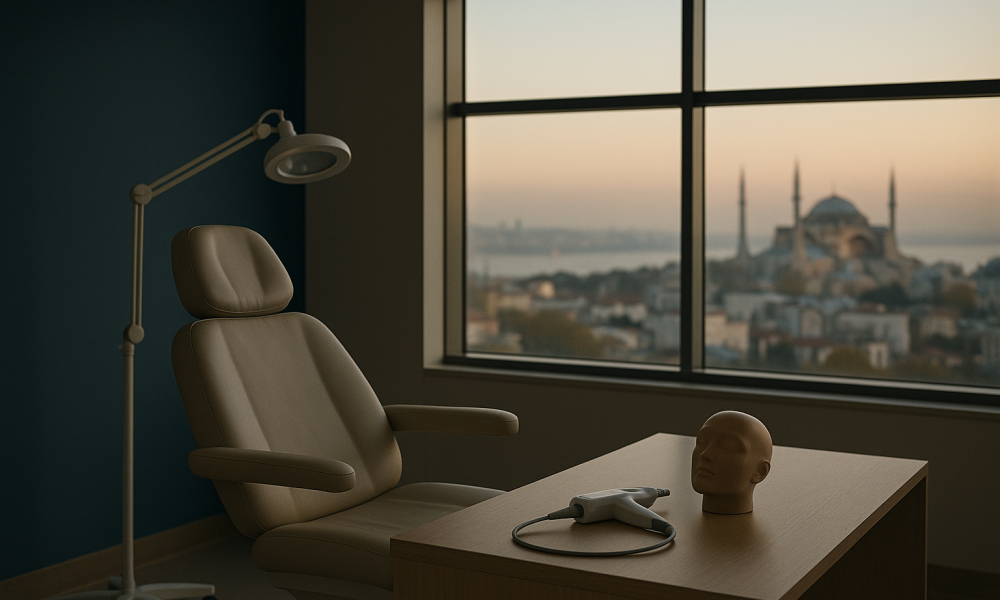
What Facelift is and who it is for
A facelift, medically known as rhytidectomy, is a cosmetic surgical procedure aimed at creating a more youthful facial appearance. It involves the removal of excess facial skin, tightening of underlying tissues, and redraping of the skin on the face and neck. This procedure primarily targets the lower two-thirds of the face and is most effective at addressing sagging skin, deep creases around the nose and mouth, and jowls.
Facelifts have become increasingly popular among individuals seeking to counteract the signs of aging, particularly in the face and neck. The procedure can be customised to a patient’s specific needs, sometimes incorporating neck lifts, brow lifts, or eyelid surgery for a more comprehensive rejuvenation. In Turkey, the procedure is performed by board-certified plastic surgeons with extensive experience in facial aesthetics.
While the results of a facelift are not permanent, they can last up to ten years, depending on factors like skin type, lifestyle, and age. It’s important to note that facelifts do not stop the aging process, but they can make one look significantly younger and more refreshed.
Turkey has established itself as a top destination for cosmetic surgery, thanks to its combination of skilled professionals, modern facilities, and competitive pricing. Patients from Canada often find the cost of a facelift in Turkey to be considerably lower than in their home country, with indicative prices ranging from £2,500 to £4,500. This affordability, coupled with the chance to recuperate in a culturally rich environment, makes Turkey an attractive option for many.
It’s crucial for prospective patients to have realistic expectations and to understand that while a facelift can enhance facial aesthetics, it is not a cure-all for aging. The best candidates are those seeking improvement rather than perfection.
Are you a good candidate?
Determining whether you are a good candidate for a facelift involves several considerations. A successful outcome depends largely on selecting the right candidates who understand the potential risks and benefits of the procedure.
Generally, suitable candidates for a facelift are individuals who:
- Experience sagging in the midface or jawline.
- Have deep creases along the nose extending to the corner of the mouth.
- Possess jowls due to loss of muscle tone.
- Are in good overall health, without medical conditions that can impair healing.
- Do not smoke, or are willing to quit smoking at least four weeks before and after surgery.
- Have realistic expectations and a positive outlook.
- Understand the procedure, recovery time, and potential complications.
Age is not a strict barrier to facelift surgery, but most candidates are between 40 and 70 years old. Younger candidates may also benefit if they experience premature aging due to genetics or lifestyle factors. Older individuals must be evaluated more rigorously to ensure they can safely undergo surgery.
During the initial consultation, a plastic surgeon will assess your facial anatomy, skin condition, and overall health to determine your suitability. They will also discuss your goals, providing a realistic picture of what can be achieved. This is the time to ask any questions you might have about the procedure, recovery, and expected outcomes.
Finally, mental preparedness is crucial. A good candidate is someone who is emotionally stable and has a support system in place for the recovery period. Understanding the temporary nature of post-surgery swelling and bruising helps in maintaining a positive outlook during recovery.
The procedure, step by step
Undergoing a facelift in Turkey involves a series of carefully planned steps, each designed to ensure safety and achieve the desired aesthetic outcome. Here is a detailed, step-by-step guide to the procedure:
- Consultation and Pre-Operative Assessment: Prior to the procedure, an in-depth consultation takes place where your surgeon will assess your facial structure, discuss your goals, and outline potential outcomes. This step may include taking photographs, reviewing your medical history, and conducting any necessary blood tests or imaging studies.
- Preparation and Anaesthesia: On the day of the surgery, you will meet with the anaesthetist to discuss the anaesthetic plan, typically involving general anaesthesia. The surgical area will be cleansed and marked to guide the surgeon during the procedure.
- Incision: The facelift procedure generally starts with incisions made along the hairline, extending around the ears and sometimes into the scalp. The precise location and length of incisions can vary depending on the technique used, such as a traditional facelift or a limited incision facelift.
- Repositioning and Lifting: Once the incisions are made, the surgeon will lift and reposition the underlying facial tissues and muscles. This may include the removal of excess skin and fat, and tightening of the superficial musculoaponeurotic system (SMAS) to enhance the contours of the face.
- Closing the Incisions: After achieving the desired lift and contour, the incisions are closed using sutures or skin adhesives. The surgeon will aim to place incisions in natural creases and contours to minimize visible scarring.
- Application of Dressings: Once the incisions are closed, dressings and bandages are applied to support the face and reduce swelling. Sometimes, small drainage tubes may be placed under the skin to prevent fluid accumulation.
- Post-Operative Care: You will be monitored in a recovery area as the anaesthesia wears off. The medical team will provide initial post-operative care instructions, including how to manage pain and swelling, and when to schedule follow-up appointments.
Recovery timeline
The recovery process following a facelift is gradual, with each phase requiring specific care and attention. Understanding what to expect during each period can help you prepare adequately for your healing journey:
| Period | What to Expect | Care Notes |
|---|---|---|
| Day 1-3 | Initial swelling and bruising are common, with possible discomfort around the incision sites. Some tightness and numbness may occur. | Rest is critical during this period. Keep your head elevated to minimize swelling. Follow prescribed pain management and avoid strenuous activities. |
| Day 4-7 | Swelling starts to decrease but may still be noticeable. Bruising may persist, and any drainage tubes are typically removed. You may feel more comfortable moving around. | Continue to rest and keep your head elevated. Attend follow-up appointments for suture removal and monitoring of your healing progress. |
| Week 2-3 | Most bruising and swelling should subside significantly, and you might start feeling more like yourself. Some patients return to work during this period. | Engage in light activities as tolerated. Adhere to your surgeon’s advice about resuming normal activities and avoid direct sun exposure to protect healing skin. |
| Week 4-6 | Incision sites will continue to heal, with scars beginning to fade. Swelling should be minimal, and facial contours more defined. | You can generally resume most normal activities, but continue to follow skincare and sun protection guidance. Consult your surgeon about returning to exercise. |
| Week 6 and beyond | Full recovery is typically achieved, with final results becoming more apparent. Scars continue to fade over time. | Maintain a healthy lifestyle and skincare routine. Regular follow-ups with your surgeon ensure optimal long-term results. |
5. What it costs: Turkey vs Canada
When considering a facelift, cost is a significant factor for many patients. Turkey has become a popular destination for this procedure due to its competitive pricing, which often includes comprehensive packages. The cost of a facelift can vary based on several factors, including the complexity of the procedure, the surgeon’s expertise, and the specific clinic chosen. Below, we provide a comparative overview of indicative price ranges for a facelift in Turkey versus Canada, along with typical package inclusions.
| Location | Indicative Price Range (GBP) | Package Inclusions |
|---|---|---|
| Turkey | £2,500 – £5,000 |
|
| Canada | £7,000 – £12,000 |
|
As illustrated in the table, the cost of a facelift in Turkey is generally lower than in Canada. In Turkey, patients can expect to pay between £2,500 and £5,000 for a facelift, with the inclusion of additional services such as accommodation and airport transfers. In contrast, the cost in Canada ranges from £7,000 to £12,000, typically covering only the essential elements of the procedure without additional amenities.
It is important to emphasise that these figures are indicative and can vary based on the specific requirements of each patient and the clinic chosen. Prospective patients should engage in thorough research and consult multiple providers to obtain detailed quotes tailored to their personal needs.
6. Risks and how accredited providers manage them
Undergoing a facelift, like any surgical procedure, carries certain risks. It’s essential for prospective patients to be aware of these risks and understand how they are managed by accredited providers in Turkey. Common risks associated with facelift surgery include infection, bleeding, scarring, nerve damage, and anaesthesia complications. While these risks exist, they are relatively rare when the procedure is performed by qualified and experienced surgeons.
Accredited providers in Turkey adhere to strict international standards to mitigate these risks. Here are some of the key strategies employed by reputable clinics:
- Pre-operative Assessment: Thorough pre-operative evaluations are conducted to assess the patient’s overall health and suitability for surgery. This includes reviewing medical history, conducting physical examinations, and sometimes requiring additional tests to ensure the patient is fit for the procedure.
- Experienced Surgeons: Accredited clinics employ surgeons with extensive training and experience in cosmetic surgery. These professionals are often members of international medical associations, which require adherence to high standards of practice.
- State-of-the-Art Facilities: Clinics are equipped with modern medical technology and adhere to stringent hygiene standards to minimise infection risks. Operating rooms are maintained to international specifications to ensure patient safety.
- Post-operative Care: Comprehensive post-operative care is a standard part of treatment packages. This includes monitoring for any signs of complications, providing detailed care instructions, and scheduling follow-up visits to ensure proper healing.
- Patient Education: Patients are thoroughly educated about the procedure, potential risks, and post-operative care requirements. This empowers them to recognise early signs of complications and seek timely medical attention if needed.
While no surgery is without risk, the combination of skilled professionals, advanced medical facilities, and comprehensive patient care protocols significantly reduces the likelihood of complications. Patients are encouraged to choose accredited providers who demonstrate a commitment to safety and quality, thereby ensuring a higher standard of care throughout their medical journey.
How to choose the right provider
Choosing the right provider for your facelift in Turkey is a crucial step in ensuring a safe and satisfactory experience. Begin by verifying the accreditation of the clinic or hospital. In Turkey, reputable facilities are often accredited by international organisations such as the Joint Commission International (JCI) or the European Foundation for Quality Management (EFQM). These accreditations indicate that the facility adheres to high standards of care and safety.
Next, evaluate the surgeon’s experience and qualifications. Look for a surgeon who is board-certified in plastic surgery and has specific experience in performing facelifts. You can ask for before-and-after photos of previous patients and inquire about the number of facelifts they have performed. A surgeon with a track record of successful outcomes and satisfied patients is a positive indicator.
Aftercare is another critical aspect to consider. A comprehensive aftercare programme should include follow-up consultations, detailed recovery instructions, and support in case of complications. Ensure that the clinic provides a dedicated team or coordinator to assist you throughout your recovery journey.
Be vigilant for red flags that might indicate a less-than-reputable provider. These include a lack of transparency about the surgeon’s credentials, unwillingness to provide references or patient testimonials, and pressure to make quick decisions. Additionally, avoid clinics that offer prices significantly lower than the typical range of £2,500 to £4,000, as these may cut corners on safety or quality.
Finally, consider the overall communication and responsiveness of the clinic. A provider that is easy to communicate with and responsive to your questions can significantly enhance your confidence and comfort throughout the process. Take the time to research thoroughly and prioritise your safety and well-being over cost alone.
Planning your trip
Proper planning is essential for a successful facelift journey to Turkey. Begin by establishing a timeline that allows ample time for research, consultations, and travel arrangements. Ideally, start planning at least three to six months in advance to accommodate these steps comfortably.
Ensure that your travel documents are in order. Canadian citizens will need a valid passport and may require a visa to enter Turkey, which can often be obtained online. Double-check the current entry requirements as they can change.
Consider the length of your stay. For a facelift procedure, you should plan to spend at least 10 to 14 days in Turkey. This allows time for pre-surgery consultations, the procedure itself, and initial recovery. Most surgeons recommend staying in the country until at least the first follow-up appointment, typically scheduled one week post-surgery.
Factor in the costs of accommodation and daily expenses. Istanbul, a popular destination for medical tourism, offers a range of accommodation options from budget-friendly to luxury hotels. Expect to spend between £40 to £150 per night depending on your preferences.
After your return to Canada, arrange for follow-up care with a local healthcare provider. This is crucial for monitoring your recovery and addressing any concerns. Discuss with your Turkish surgeon about the details of your follow-up plan and ensure you have all necessary medical records and contact information for continuity of care.
Consider travel insurance that covers medical complications, as standard travel insurance may not cover elective procedures. Having comprehensive insurance can provide peace of mind against unforeseen events.
Finally, if travelling alone, consider bringing a companion to assist you during the initial recovery phase when mobility might be limited. Planning these aspects carefully can greatly enhance your overall experience and outcome.
Frequently Asked Questions
What should I look for in a facelift surgeon in Turkey?
Look for a board-certified plastic surgeon with specific experience in facelifts. Check for international accreditations such as JCI or EFQM, and review before-and-after photos of previous patients. Ensure the surgeon provides a comprehensive aftercare plan and is transparent about their credentials.
How much does a facelift typically cost in Turkey?
The cost of a facelift in Turkey typically ranges from £2,500 to £4,000. This is an indicative range and may vary based on the clinic's location, the surgeon's expertise, and the complexity of the procedure. Always confirm what is included in the price, such as aftercare and additional fees.
Is it safe to get a facelift in Turkey?
Turkey has many internationally accredited clinics and experienced surgeons, making it a safe destination for a facelift. Ensure the clinic is accredited by organisations like JCI and the surgeon is board-certified. Research thoroughly and consult previous patient reviews to make an informed decision.
What is the recovery time for a facelift?
Initial recovery from a facelift typically takes 10 to 14 days, during which swelling and bruising may subside. However, full recovery can take several weeks to months as tissues settle. Most patients can return to normal activities within two to three weeks, but strenuous activities should be avoided for at least six weeks.
Do I need a visa to travel to Turkey for a facelift?
Canadian citizens may require a visa to enter Turkey, which can often be obtained online through the Turkish government's e-Visa system. Always check the latest entry requirements before planning your trip, as these can change.
How long should I plan to stay in Turkey for a facelift?
Plan to stay for at least 10 to 14 days in Turkey. This duration allows for pre-surgery consultations, the procedure, and initial recovery, including the first follow-up appointment, which is typically scheduled a week after surgery.
What should I budget for accommodation in Turkey?
Accommodation costs in Turkey vary based on location and type. In Istanbul, for instance, you can expect to pay between £40 to £150 per night. Consider the proximity to your clinic and the level of comfort you desire when budgeting for your stay.
How do I handle follow-up care after returning to Canada?
Arrange follow-up care with a local healthcare provider before your trip. Discuss with your Turkish surgeon about the follow-up plan and ensure you have all necessary medical records and contact information. This will help monitor your recovery and address any concerns promptly.
What documents do I need to travel to Turkey for surgery?
You'll need a valid passport and may require a visa to enter Turkey. Check for any additional entry requirements, such as health declarations or travel insurance. It's also advisable to carry copies of your medical records and travel insurance details.
Can I travel alone for my facelift surgery in Turkey?
While you can travel alone, it's advisable to bring a companion, especially for the initial recovery period when assistance may be needed. A companion can help with mobility and provide emotional support, enhancing your overall experience.
What factors should I consider for a successful surgery and recovery?
Consider the surgeon's experience, the clinic's accreditation, and the comprehensiveness of the aftercare plan. Prepare for your trip by organising travel documents, arranging accommodation, and ensuring you have a follow-up care plan in place. Prioritise your safety and comfort over cost alone.
Is travel insurance necessary for a facelift in Turkey?
While not mandatory, travel insurance that covers medical complications is highly recommended. Standard travel insurance may not cover elective procedures, so verify the specifics of your policy. Comprehensive coverage can provide peace of mind against unforeseen events.