
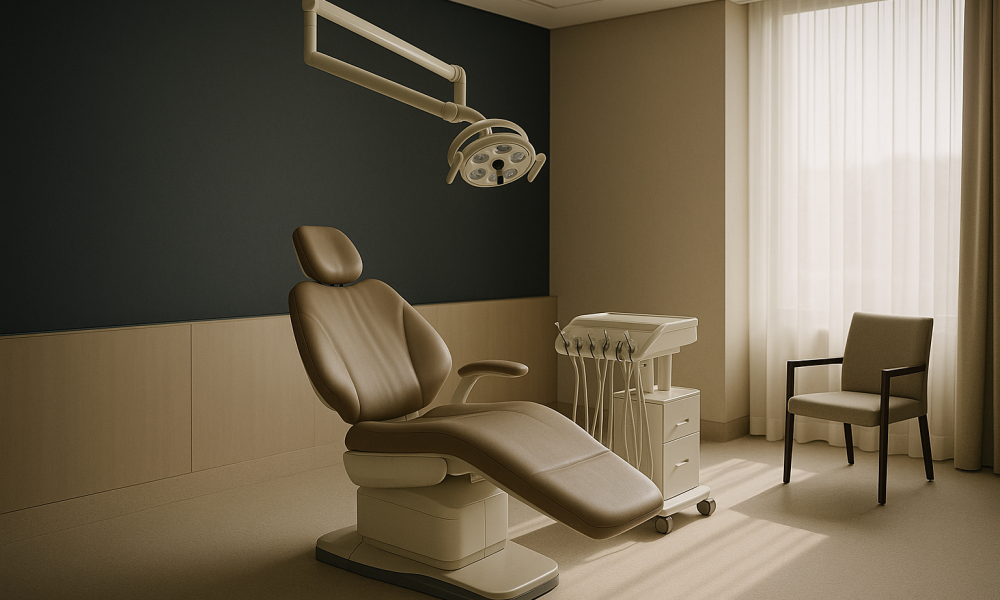
What Full Mouth Restoration is and who it is for
Full mouth restoration, also known as full mouth reconstruction or rehabilitation, is a comprehensive dental procedure aimed at rebuilding and restoring all of the teeth in both the upper and lower jaws. This process is typically necessary for individuals with extensive dental issues such as severe tooth decay, multiple missing teeth, or significant wear and tear due to bruxism (teeth grinding). The goal of full mouth restoration is not only to improve oral health but also to enhance the functionality and aesthetics of the patient’s smile.
This intricate procedure often involves a multidisciplinary approach, integrating various dental specialties such as prosthodontics, periodontics, orthodontics, and endodontics. Treatment plans are highly personalised and may include a combination of crowns, bridges, veneers, dental implants, and sometimes orthodontic braces or aligners. The specific components of a full mouth restoration will depend on the individual needs of the patient, as determined by a thorough dental examination and diagnostic imaging such as X-rays or 3D scans.
In Turkey, full mouth restoration is especially appealing to international patients due to the combination of high-quality care and cost-effectiveness. Dental clinics in Turkey are equipped with state-of-the-art technology and are staffed by experienced professionals who are familiar with the latest techniques in restorative dentistry. Patients can expect to spend approximately 1-2 weeks in Turkey for the entire process, which includes initial consultations, the actual dental procedures, and follow-up visits to ensure proper healing and adjustment. It’s important to note that while the results of full mouth restoration can be life-changing, the success of the treatment depends on various factors, including the patient’s oral health condition and adherence to post-treatment care instructions.
Are you a good candidate?
Determining candidacy for full mouth restoration involves a comprehensive evaluation of your dental health, medical history, and personal goals. This procedure is not suitable for everyone, and a thorough assessment by a qualified dental professional is essential to ensure that it is the right choice for you.
Generally, you might be considered a good candidate for full mouth restoration if you meet one or more of the following criteria:
- Have multiple missing teeth or teeth that are significantly decayed or damaged.
- Experience chronic pain in the jaw, headaches, or discomfort due to an improper bite.
- Suffer from bruxism, leading to significant wear and tear on the teeth.
- Desire to improve the aesthetic appearance of your smile and overall facial appearance.
- Have healthy gums or are willing to undergo periodontal treatments to achieve gum health.
- Are committed to maintaining oral hygiene and attending regular dental check-ups post-treatment.
Before proceeding with full mouth restoration, potential candidates should undergo a series of diagnostic tests, including dental X-rays, impressions, and possibly 3D imaging. These tests help in formulating a detailed treatment plan tailored to the individual’s specific needs. Additionally, certain medical conditions, such as uncontrolled diabetes or heart disease, may impact your eligibility for this procedure, making it crucial to discuss your full medical history with your dentist.
It’s also important to consider the financial aspect of full mouth restoration. While the cost in Turkey is typically lower than in the UK, Europe, or North America, it is still a significant investment. Prospective patients should ensure they understand the indicative costs and what is included in the treatment package, such as follow-up care and potential additional procedures. Ultimately, the decision to undergo full mouth restoration should be made after a careful consideration of all these factors, in consultation with a trusted dental professional.
The procedure, step by step
Full mouth restoration in Turkey typically involves a comprehensive approach to restoring dental health and aesthetics. The procedure is tailored to individual needs but generally follows a series of well-coordinated steps. Below is a detailed step-by-step guide to help you understand what to expect during this transformative journey.
- Initial Consultation and Assessment: The process begins with an in-depth consultation with a dental specialist. This initial meeting involves a thorough examination of your oral health, including X-rays, 3D imaging, and possibly CT scans to assess bone density and structure. The dentist will discuss your medical history, expectations, and any specific concerns you may have.
- Treatment Planning: Based on the initial assessment, a personalised treatment plan is developed. This plan outlines the specific procedures required, such as dental implants, crowns, bridges, veneers, or orthodontics. The dentist will also provide an indicative timeline and cost estimate, which typically ranges from £5,000 to £15,000, depending on the complexity of the case.
- Pre-Treatment Procedures: Before the main restorative work begins, any necessary preliminary treatments are performed. This might include tooth extractions, periodontal therapy, or bone grafting if additional support is needed for implants. These preparatory steps are crucial for ensuring the success of the restoration.
- Implant Placement (if applicable): For patients requiring dental implants, the next step involves surgically placing the implants into the jawbone. This procedure is usually done under local anaesthesia and can take several hours, depending on the number of implants required. After placement, a healing period of 3 to 6 months is typically needed to allow the implants to integrate with the bone.
- Temporary Restorations: During the healing phase, temporary crowns or bridges may be fitted to maintain aesthetics and functionality. These temporaries are essential for protecting the implants and gums while the final restorations are being prepared.
- Final Restorations: Once the implants have successfully integrated, the final phase involves placing the permanent restorations. This could include crowns, bridges, or full arch prosthetics, crafted to match the natural look and feel of your teeth. This stage may require several visits to ensure the perfect fit and alignment.
- Final Adjustments and Follow-up: After the permanent restorations are placed, the dentist will make any necessary adjustments to ensure comfort and functionality. Follow-up appointments are crucial for monitoring healing and addressing any concerns that may arise.
Recovery timeline
Understanding the recovery timeline for full mouth restoration is essential for setting realistic expectations and ensuring optimal care. Recovery varies depending on the specific procedures performed, but the following table provides a general overview from day one post-procedure to full recovery.
| Period | What to Expect | Care Notes |
|---|---|---|
| Day 1 | Immediately after the procedure, you may experience some swelling, discomfort, and minor bleeding, particularly if implants were placed. | Rest is crucial. Use cold compresses to reduce swelling and take prescribed pain relief as directed. Avoid rinsing your mouth vigorously. |
| Week 1 | Swelling and discomfort should gradually decrease. Temporary restorations may feel different, but you’ll begin adjusting to them. | Continue with soft foods and avoid hard or sticky foods. Maintain oral hygiene with gentle brushing and prescribed mouthwash. |
| Weeks 2-4 | Most initial discomfort should resolve. You’ll likely have a follow-up appointment to check healing progress and make any necessary adjustments. | Gradually reintroduce more solid foods as comfort allows. Follow dentist’s guidance on oral care and attend all scheduled appointments. |
| Months 1-3 | If implants were placed, this period involves osseointegration, where the bone grows around the implants, securing them in place. | Continue with regular dental check-ups. Avoid smoking and excessive alcohol, as these can impede healing. |
| Months 4-6 | Final restorations are typically fitted during this period, once healing is confirmed. Adjustments may be made for optimal fit. | Ensure adherence to oral hygiene routines and dietary recommendations. Report any discomfort or issues promptly. |
| Month 6 onwards | Full recovery is expected, with restored function and aesthetics. Routine follow-ups will help maintain oral health. | Maintain regular dental visits every 6 months and continue with a balanced oral hygiene regimen to ensure long-term success. |
What it costs: Turkey vs the UK, Europe and North America
One of the primary factors driving patients to consider full mouth restoration in Turkey is the cost advantage. While the quality of care remains high, the financial burden is substantially reduced compared to undergoing similar procedures in the UK, Europe, or North America. It’s crucial to understand that these figures are indicative and can vary based on individual needs, the complexity of the case, and the specific clinic chosen.
Below is a comparison of indicative price ranges for full mouth restoration across different regions:
| Region | Indicative Price Range (GBP) | Typical Inclusions |
|---|---|---|
| Turkey | £8,000 – £15,000 | Consultation, X-rays, 3D imaging, all necessary dental procedures, temporary restorations, and follow-up care |
| UK | £25,000 – £40,000 | Consultation, X-rays, some dental procedures, basic follow-up care |
| Europe | £20,000 – £35,000 | Consultation, X-rays, some dental procedures, limited follow-up care |
| North America | £30,000 – £50,000 | Consultation, X-rays, necessary dental procedures, limited follow-up care |
As seen from the table, Turkey offers a significant cost advantage. The lower cost is attributed to several factors, such as lower operational costs and the favourable exchange rate. Moreover, clinics in Turkey often include comprehensive packages that cover a range of services, from initial consultations to post-procedure care. This can mean fewer unexpected expenses and a more predictable budgeting process for patients.
Patients should also consider travel and accommodation costs when planning their treatment. Many clinics in Turkey offer packages that include airport transfers, accommodation, and even guided tours, making the experience more convenient and enjoyable. However, it is essential to verify what is included in each package, as this can vary significantly between providers.
While cost is an important factor, it should not be the sole consideration. Patients are encouraged to research thoroughly, seek second opinions, and consider the quality of care, expertise of the dental professionals, and the clinic’s reputation when making their decision.
Risks and how accredited providers manage them
Undergoing full mouth restoration, like any major dental procedure, involves certain risks. However, accredited providers in Turkey implement stringent measures to manage and mitigate these risks effectively, ensuring patient safety and successful outcomes.
Common Risks:
- Infection: As with any surgical procedure, there is a risk of infection. This is mitigated by maintaining strict hygiene protocols and using sterilised equipment.
- Implant Failure: Although rare, implants can fail due to improper placement or failure to integrate with the bone. Accredited providers utilise 3D imaging and precise surgical guides to enhance placement accuracy.
- Prolonged Bleeding: This can occur post-surgery but is typically managed with appropriate surgical techniques and post-operative care instructions.
- Allergic Reactions: Reactions to anaesthetics or materials used can occur. Providers conduct thorough pre-treatment assessments to identify potential allergies.
- Nerve Damage: Although infrequent, nerve damage can occur, leading to numbness or pain. Experienced surgeons utilise advanced techniques to minimise this risk.
Risk Management by Accredited Providers:
Accredited clinics in Turkey adhere to international standards and best practices. They are often certified by global health organisations, ensuring compliance with stringent safety and quality protocols.
- Pre-Operative Assessments: Comprehensive evaluations, including medical history reviews and diagnostic imaging, are conducted to tailor the treatment plan to the individual needs of the patient, reducing the risk of complications.
- Use of Advanced Technology: Many clinics employ cutting-edge technology such as digital scanning and 3D printing, which enhances precision in diagnosis and treatment, thereby reducing the likelihood of errors.
- Experienced Practitioners: Surgeons and dentists in accredited clinics often have international training and are experienced in complex dental restorations, which contributes to high success rates.
- Comprehensive Aftercare: Post-operative care is crucial in managing risks. Clinics provide detailed aftercare instructions and regular follow-up appointments to monitor the healing process and address any concerns promptly.
- Emergency Protocols: Clinics maintain robust emergency protocols to handle any unforeseen complications swiftly and effectively, ensuring patient safety at all times.
While no medical procedure is without risk, choosing an accredited provider in Turkey can significantly mitigate these risks. Patients are encouraged to discuss potential risks and the clinic’s management strategies thoroughly during initial consultations to make well-informed decisions.
How to choose the right provider
Choosing the right provider for full mouth restoration in Turkey is crucial to ensure a successful and safe experience. Here are key factors to consider:
- Accreditation: Look for clinics accredited by international bodies such as the Joint Commission International (JCI) or the International Organization for Standardization (ISO). Accreditation ensures adherence to global healthcare standards, which is a strong indicator of quality and safety.
- Surgeon Experience: Evaluate the qualifications and experience of the dental surgeons. Preferably, choose a dentist with specialised training in prosthodontics or restorative dentistry. Inquire about their experience with full mouth restorations, looking for a track record of at least 10 years in the field.
- Aftercare: Comprehensive aftercare is vital for recovery and long-term success. Ensure that the clinic offers a detailed aftercare plan, including follow-up visits, dietary guidelines, and emergency contact options. Some clinics provide telehealth consultations, which can be beneficial once you return home.
- Red Flags: Be wary of clinics that offer significantly lower prices than the typical range of £5,000 to £10,000 for full mouth restoration, as this might indicate compromised quality. Avoid clinics that lack transparent communication or pressure you into quick decisions.
Researching these aspects thoroughly will help you make an informed decision, ensuring that you receive high-quality care in Turkey.
Planning your trip
Planning your trip for a full mouth restoration in Turkey involves careful consideration of several logistical elements:
- Timeline Before Travel: Begin planning at least three months in advance. This allows ample time to research providers, gather necessary medical records, and schedule an initial consultation, which can often be done via video call.
- Documents: Ensure your passport is valid for at least six months beyond your planned return date. Obtain a visa if required; many nationalities can apply for an e-Visa online. Bring medical records, including dental X-rays and any relevant health history.
- Length of Stay: Plan for a stay of approximately 7 to 14 days, depending on the complexity of your treatment plan. This allows for the procedure, initial recovery, and any necessary adjustments or follow-up appointments.
- Follow-up at Home: Arrange for follow-up care with a local dentist before you travel. This ensures continuity of care and allows for professional monitoring of your recovery and the adaptation of any prosthetics.
Effective planning not only ensures a smoother experience but also maximises the success of your treatment and recovery.
Frequently Asked Questions
What is the typical cost of full mouth restoration in Turkey?
The typical cost for full mouth restoration in Turkey ranges from £5,000 to £10,000. This is significantly lower than in the UK, Europe, or North America, primarily due to lower operational costs in Turkey. However, these figures are indicative and can vary based on the complexity of the case and the materials used.
How safe is dental treatment in Turkey?
Dental treatment in Turkey is generally safe, with many clinics adhering to international standards. It's crucial to choose accredited clinics and experienced dentists. Researching the provider's reputation and reading patient reviews can further ensure a safe experience.
Do I need a visa to travel to Turkey for dental treatment?
Visa requirements depend on your nationality. Many visitors, including those from the UK, can apply for an e-Visa online. Ensure your passport is valid for at least six months beyond your planned return date. Always check the latest requirements from official sources before traveling.
How long will I need to stay in Turkey for the treatment?
The typical stay for full mouth restoration is 7 to 14 days. This duration accommodates the procedure, initial recovery, and any necessary follow-up appointments. The exact length will depend on your specific treatment plan and the recommendations of your dental provider.
Will I need a follow-up visit after returning home?
Yes, follow-up care is essential. Arrange to see a local dentist within a few weeks of returning home. This ensures your recovery is proceeding well and any adjustments to prosthetics can be made if necessary.
How can I verify a clinic's accreditation?
You can verify a clinic's accreditation by checking for certification from bodies like the Joint Commission International (JCI) or the International Organization for Standardization (ISO). Contact the accrediting body directly if needed for confirmation.
What should I bring with me for the treatment?
Bring your passport, visa (if required), medical records, including dental X-rays, and any relevant health history. Also, prepare a list of medications you take and any allergies you have. It's helpful to have contact information for your local GP or dentist.
Can I have a video consultation before traveling?
Yes, many clinics offer initial consultations via video call. This allows you to discuss your treatment plan, ask questions, and get a sense of the clinic's approach before committing to travel. It’s a good opportunity to assess communication and comfort levels with the provider.
What are the payment options for treatment?
Most clinics accept major credit cards, bank transfers, and sometimes cash. It's advisable to confirm payment methods in advance and inquire about any additional fees or currency exchange rates. Some clinics may offer financing options or payment plans.
How do I handle language barriers during my treatment?
Many clinics catering to international patients have English-speaking staff. It's advisable to confirm this beforehand. Some clinics also provide translation services. Having a translation app on your smartphone can be a helpful backup for any communication gaps.
Are there any hidden costs I should be aware of?
While most clinics provide a detailed cost breakdown upfront, it's important to ask about any potential additional costs such as aftercare, medications, or adjustments. Ensure you understand what is included in the quoted price to avoid surprises.
What if I experience complications after returning home?
If complications arise, contact the clinic immediately for advice. Many clinics offer remote consultations to address post-treatment issues. Ensure you have access to a local dentist who can provide emergency care if needed. It's vital to follow all aftercare instructions to minimise risks.