
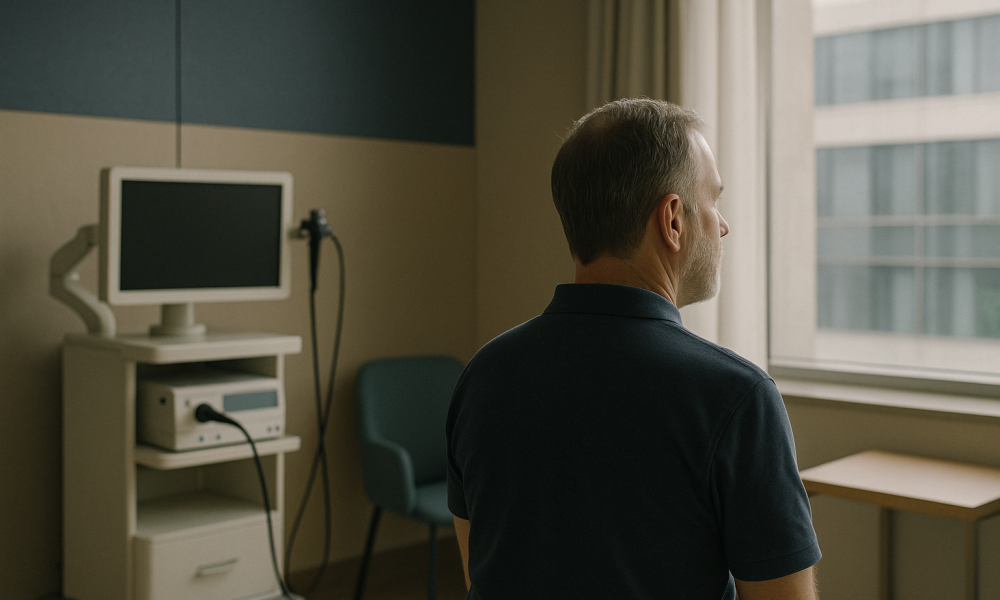
What Gastric Botox is and who it is for
Gastric Botox, also known as intragastric botulinum toxin, is a non-surgical weight loss procedure that involves injecting botulinum toxin into the stomach muscles. The primary purpose of this treatment is to temporarily relax the stomach muscles, slowing gastric emptying and reducing hunger sensations. This can help individuals manage their weight more effectively by controlling appetite and potentially reducing food intake.
This procedure is particularly appealing to those who are seeking a less invasive alternative to traditional bariatric surgeries, such as gastric bypass or sleeve gastrectomy. Unlike these surgical options, Gastric Botox does not require any incisions or permanent alterations to the digestive system. The treatment is performed endoscopically, meaning a doctor uses a thin, flexible tube with a camera and a needle to inject the botulinum toxin directly into specific areas of the stomach lining.
The effects of Gastric Botox generally last between four to six months, after which patients may choose to undergo repeat treatments if desired. However, it’s important to note that the success of this procedure heavily depends on the patient’s commitment to maintaining a healthy lifestyle, including a balanced diet and regular physical activity. Patients are encouraged to view Gastric Botox as a tool that supports weight management efforts, rather than a standalone solution for obesity.
Gastric Botox is suitable for individuals who are mildly to moderately overweight, typically those with a Body Mass Index (BMI) between 25 and 35. It may also be considered for patients who have struggled to achieve significant weight loss through diet and exercise alone. However, it is not recommended for those who are severely obese or have certain medical conditions that contraindicate the use of botulinum toxin.
In Turkey, the procedure is performed in modern medical facilities by trained gastroenterologists and bariatric specialists. Patients can expect a high standard of care, often at a fraction of the cost compared to similar treatments in the United States. While Gastric Botox is generally safe, prospective patients should discuss the potential risks and benefits with their healthcare provider to ensure it aligns with their personal health goals.
Are you a good candidate?
Determining whether you are a suitable candidate for Gastric Botox involves several criteria. This treatment is not a one-size-fits-all solution, and individual eligibility depends on a variety of factors, from personal health history to weight management goals.
The following checklist can help you assess your candidacy:
- BMI Range: Ideal candidates typically have a BMI between 25 and 35. Those outside this range may need to consider alternative weight management strategies.
- Previous Weight Loss Attempts: Gastric Botox is often recommended for individuals who have not achieved desired weight loss through diet and exercise alone.
- Medical History: A thorough medical evaluation is crucial. Candidates should not have any contraindications for botulinum toxin, such as neuromuscular disorders or allergies to the toxin.
- Commitment to Lifestyle Changes: Success with Gastric Botox requires a commitment to adopting healthier eating habits and regular physical activity.
- Realistic Expectations: Prospective patients should have realistic expectations about the outcomes. Gastric Botox is a tool to aid weight loss, not a guaranteed or standalone solution.
- Age Considerations: Typically, candidates should be adults aged 18 and over, as the procedure is not approved for minors.
- Consultation with a Specialist: A pre-procedure consultation with a qualified healthcare provider is essential to discuss potential risks, benefits, and to tailor the treatment to the individual’s needs.
In addition to these criteria, it’s important for candidates to be in good overall health and to have a supportive environment that encourages lifestyle changes post-procedure. The decision to undergo Gastric Botox should be made collaboratively with a healthcare provider who understands your weight management goals and medical history.
Ultimately, the goal is to ensure that Gastric Botox is both a safe and effective option for you, facilitating a healthier lifestyle and contributing to sustainable weight management. Patients should approach the procedure with an open mind and a proactive attitude towards achieving long-term health benefits.
The procedure, step by step
Gastric Botox, a non-surgical weight-loss procedure, involves the injection of botulinum toxin into the stomach muscles. This process aims to delay gastric emptying and reduce hunger sensations. Here’s a detailed step-by-step look at what patients can expect during the procedure:
- Initial Consultation: The journey begins with a thorough consultation with a gastroenterologist. The doctor evaluates the patient’s medical history, current health status, and weight-loss goals to determine suitability for the procedure.
- Pre-Procedure Preparation: Patients are usually advised to fast for at least 6 to 8 hours before the procedure to ensure an empty stomach. This fasting helps in better visualisation during the endoscopy.
- Admission and Preparation: Upon arrival at the clinic or hospital, patients are typically checked in and asked to change into a hospital gown. Vital signs such as blood pressure, pulse, and oxygen levels are measured.
- Administration of Sedation: A mild sedative is administered intravenously to help the patient relax and minimise discomfort during the procedure. This sedation is typically light, allowing the patient to remain conscious but relaxed.
- Endoscopy and Injection: The doctor inserts an endoscope—a thin, flexible tube equipped with a camera—through the mouth to reach the stomach. This allows for direct visualisation of the stomach lining. Using the endoscope, the doctor injects botulinum toxin into specific areas of the stomach muscles. Typically, 200 to 300 units of botulinum toxin are used, distributed in multiple injections across the stomach.
- Completion and Monitoring: The entire procedure usually takes around 15 to 30 minutes. After the injections, the endoscope is carefully withdrawn. Patients are then monitored in a recovery area for about 1 to 2 hours to ensure there are no immediate adverse reactions to the sedation or the procedure itself.
- Discharge Instructions: Once the patient is fully awake and stable, they receive post-procedure care instructions. These include dietary guidelines, activity restrictions, and symptom monitoring tips to ensure a smooth recovery.
It’s important for patients to have realistic expectations and an understanding that while gastric Botox can aid in weight loss, it should be combined with lifestyle changes for optimal results.
Recovery timeline
The recovery process following a gastric Botox procedure is generally swift and uncomplicated. Patients can typically resume their daily activities relatively quickly. Here is a detailed recovery timeline to help set expectations:
| Period | What to Expect | Care Notes |
|---|---|---|
| Day 1 | Most patients experience mild drowsiness due to sedation and may feel slight discomfort or nausea. | Rest is advised. Patients should avoid driving or operating heavy machinery. Light meals are recommended as the stomach adjusts. |
| Days 2-3 | Any initial discomfort typically subsides. Patients may start to notice a reduced appetite. | Maintain hydration and follow a soft diet. Gradually reintroduce normal foods as tolerated. |
| Week 1 | Appetite suppression effects generally become more noticeable. Energy levels stabilize. | Continue with dietary adjustments and consider incorporating light exercise as advised by a healthcare provider. |
| Weeks 2-4 | Steady weight loss may begin, depending on individual metabolic response and lifestyle changes. | Regular follow-ups with a healthcare provider are recommended to monitor progress and address any concerns. |
| Full Recovery (4-6 weeks) | Patients typically experience the full effect of the procedure. Weight loss stabilizes with ongoing lifestyle changes. | Long-term success requires adherence to a healthy diet and regular physical activity. Consider support from nutritionists or weight management specialists. |
It’s crucial to follow all post-procedure instructions given by your healthcare provider to ensure optimal recovery and results. Each individual’s recovery may vary, and ongoing communication with your medical team is key to addressing any questions or concerns that may arise during the recovery period.
What it costs: Turkey vs the United States
When considering gastric botox treatment, cost is a significant factor for many prospective patients. The price of the procedure can vary widely between countries, and Turkey has emerged as a popular destination for those seeking quality medical care at more affordable prices. In this section, we will compare the indicative costs of gastric botox in Turkey versus the United States.
In general, the cost of gastric botox in Turkey is considerably lower than in the United States. This price difference is often attributed to lower operational and administrative costs in Turkey, as well as a favourable exchange rate for many international visitors. Moreover, Turkey’s healthcare system is known for providing high-quality services at competitive prices, which attracts many medical tourists each year.
| Country | Indicative Price Range (USD) | Typical Package Inclusions |
|---|---|---|
| Turkey | $1,500 – $2,500 | Consultation, procedure, post-operative care, local transportation, accommodation |
| United States | $6,000 – $10,000 | Consultation, procedure |
As shown in the table above, the indicative price range for gastric botox in Turkey typically falls between $1,500 and $2,500. This often includes a comprehensive package that covers not only the procedure itself but also pre-operative consultations, post-procedure follow-up care, and sometimes even local transportation and accommodation. These packages are designed to provide a seamless experience for international patients, ensuring that all logistical aspects of the trip are managed efficiently.
In contrast, the cost of gastric botox in the United States usually ranges from $6,000 to $10,000. This price generally includes the procedure and initial consultation, but additional costs for follow-up appointments, transportation, and accommodation are often not included. As such, patients may find themselves facing higher overall expenses when opting for treatment in the United States.
It is important to note that these figures are indicative only and can vary based on several factors, such as the specific clinic, the expertise of the medical team, and the individual needs of the patient. Therefore, prospective patients are encouraged to conduct thorough research and reach out to multiple providers to obtain detailed quotes tailored to their unique circumstances.
Risks and how accredited providers manage them
While gastric botox is generally considered a minimally invasive procedure with a good safety profile, it is not without risks. Understanding these risks and how accredited providers in Turkey manage them is crucial for prospective patients considering this treatment abroad.
Common risks associated with gastric botox include temporary side effects such as nausea, vomiting, and bloating. These symptoms usually resolve within a few days following the procedure. More serious complications, although rare, can include allergic reactions to the botulinum toxin or issues related to the endoscopic delivery of the treatment, such as infection or perforation of the stomach lining.
Reputable clinics in Turkey are well-equipped to manage these risks effectively. Accredited providers adhere to strict international standards for patient safety and quality of care. They employ experienced gastroenterologists and anaesthesiologists who are well-trained in the procedure and its potential complications. In addition, these clinics often have state-of-the-art facilities and follow stringent hygiene protocols to minimise the risk of infection and other post-operative complications.
Accredited providers also place a strong emphasis on thorough pre-procedure assessments. This involves evaluating the patient’s medical history, current health status, and any potential contraindications for gastric botox. By carefully screening patients, healthcare providers can identify those who are at higher risk for complications and tailor their approach accordingly, or advise against the procedure if necessary.
In the event of a complication, immediate access to emergency care is crucial. Accredited clinics in Turkey are typically associated with larger hospitals or medical networks, ensuring that patients have access to comprehensive care if needed. This includes the availability of intensive care units and specialists who can manage any adverse events promptly and effectively.
Furthermore, post-procedure follow-up is an integral part of risk management. Accredited providers in Turkey offer robust aftercare plans that include regular check-ups, dietary guidance, and open lines of communication for patients to report any concerns. This ongoing support helps to ensure that any issues are identified and addressed early, reducing the likelihood of complications becoming more serious.
In summary, while no medical procedure is without risk, choosing an accredited provider in Turkey can help to mitigate these risks significantly. By adhering to international standards, employing skilled professionals, and providing comprehensive care, these clinics offer a safe and effective environment for patients seeking gastric botox treatment.
How to choose the right provider
Choosing the right provider for your gastric Botox procedure in Turkey involves careful consideration of several key factors. Accreditation is one of the most critical elements to assess. Ensure that the facility is accredited by reputable international bodies such as the Joint Commission International (JCI) or the International Society for Quality in Health Care (ISQua). These accreditations indicate adherence to international healthcare standards, offering reassurance about the quality of care provided.
Surgeon experience is another important consideration. Research the surgeon’s qualifications, training, and experience in performing gastric Botox procedures. Ideally, the surgeon should have several years of experience and a portfolio of successful procedures. Look for patient reviews and testimonials, but remember to consider them as part of a broader picture, as individual experiences can vary greatly.
Aftercare is a crucial aspect of medical tourism that should not be overlooked. A reliable provider will offer comprehensive aftercare services, including follow-up consultations, dietary advice, and access to support staff should any complications arise. Verify what aftercare is included in the initial cost and what might incur additional charges. It is beneficial to have a clear understanding of the aftercare plan before committing to a provider.
Be vigilant for red flags that could indicate a less reputable provider. These include a lack of transparency about costs, overly aggressive marketing tactics, or refusal to provide details about the surgeon’s qualifications and the clinic’s accreditation. Additionally, be wary of providers that guarantee results, as outcomes can vary based on individual circumstances and no medical procedure can promise success.
Price is naturally a consideration, but it should not be the sole determinant. While Turkey offers competitive pricing compared to the United States, with typical ranges for gastric Botox procedures between $1,500 and $3,000, it is crucial to weigh this against the quality of care and the provider’s reputation. Remember that choosing a provider with a lower cost but questionable credentials could result in higher expenses in the long run due to potential complications or unsatisfactory outcomes.
Planning your trip
Planning your trip to Turkey for a gastric Botox procedure involves several logistical considerations. Begin by establishing a timeline that allows for adequate preparation. It is advisable to start planning at least three to six months in advance. This timeframe allows you to research providers, consult with your healthcare professional at home, and make necessary travel arrangements.
Ensure you have all required documents in order. A valid passport is essential, and you may need to obtain a visa depending on your nationality. For U.S. citizens, a tourist visa is typically required for entry into Turkey, which can be obtained online through the Turkish Electronic Visa Application System. Additionally, gather all relevant medical records to provide to your Turkish healthcare provider.
The typical length of stay for a gastric Botox procedure is relatively short, often requiring only a few days. However, it is prudent to allow for some flexibility in your schedule to accommodate any unforeseen delays or additional recovery time. Most patients spend about 3 to 5 days in Turkey, which includes pre-procedure consultations, the procedure itself, and initial recovery.
Coordinate your travel and accommodation arrangements early. Consider staying in a location that is conveniently located near your chosen healthcare facility. Many medical tourists opt for hotels that offer shuttle services to and from the clinic. Also, ensure that your accommodation is comfortable and conducive to recovery.
Plan for follow-up care once you return home. It is vital to maintain communication with your healthcare provider in Turkey for continued guidance and to address any concerns that may arise post-procedure. Additionally, arrange for a follow-up appointment with your local healthcare provider to monitor your progress and address any ongoing healthcare needs.
Finally, consider travel insurance that covers medical tourism. This can provide additional peace of mind by covering unexpected medical expenses or complications that may arise during your trip. By carefully planning each aspect of your trip, you can help ensure a smooth and successful medical tourism experience.
Frequently Asked Questions
How much does gastric Botox cost in Turkey?
The cost of gastric Botox in Turkey typically ranges between $1,500 and $3,000. This price can vary based on the clinic's reputation, the surgeon's experience, and the level of aftercare provided. It's important to ensure that the cost includes all aspects of the procedure, such as initial consultations and follow-up care, to avoid unexpected expenses.
Is gastric Botox in Turkey safe?
Gastric Botox in Turkey can be safe when performed by qualified and experienced medical professionals at accredited facilities. It's essential to choose a provider with international accreditation and a proven track record of successful procedures. As with any medical treatment, there are inherent risks, so thorough research and consultation with healthcare providers are crucial.
What should I look for in a gastric Botox provider?
When selecting a gastric Botox provider, consider factors such as the clinic's accreditation, the surgeon's experience, the quality of aftercare services, and patient reviews. Ensure the facility is accredited by reputable organisations like JCI or ISQua. Experienced surgeons with positive patient testimonials are preferable.
How long will I need to stay in Turkey for the procedure?
The typical stay in Turkey for a gastric Botox procedure is around 3 to 5 days. This duration includes pre-procedure consultations, the procedure itself, and initial recovery. It's wise to allow some flexibility in your schedule to accommodate any unforeseen delays or additional recovery time.
Do I need a visa to travel to Turkey for medical treatment?
Yes, U.S. citizens typically need a visa to enter Turkey for medical treatment. A tourist visa can be obtained online through the Turkish Electronic Visa Application System. Ensure your passport is valid for at least six months beyond your planned departure date.
What should I bring with me for the procedure?
Bring all relevant medical records, a valid passport, your visa confirmation, and any medications you regularly use. Comfortable clothing and personal care items are also recommended for your stay. If possible, bring a companion for support and assistance during your recovery.
How do I arrange follow-up care after returning home?
Coordinate with both your Turkish healthcare provider and your local healthcare professional to ensure consistent follow-up care. Maintain communication with the Turkish provider for guidance and arrange a follow-up appointment with your local doctor to monitor your recovery and address any ongoing healthcare needs.
Will my insurance cover the procedure in Turkey?
Insurance coverage for procedures abroad varies. Some U.S. insurance plans may not cover treatments outside the country. Contact your insurance provider to inquire about coverage for international medical procedures and consider purchasing travel insurance that includes medical tourism coverage.
What are the potential risks of gastric Botox?
Potential risks of gastric Botox include allergic reactions, infection, or unintended effects on nearby muscles. While serious complications are rare, it's crucial to discuss all possible risks with your healthcare provider and ensure the procedure is performed by a qualified professional at an accredited facility.
How soon can I return to normal activities after the procedure?
Most patients can resume normal activities within a few days after the procedure, as gastric Botox is minimally invasive. However, it's important to follow your healthcare provider's specific post-procedure instructions and allow your body to rest and recover adequately before engaging in strenuous activities.
What is the success rate of gastric Botox in Turkey?
While specific success rates can vary, many patients report positive outcomes in terms of appetite reduction and weight loss following gastric Botox. However, individual results depend on various factors, including adherence to dietary guidelines and lifestyle changes. No procedure guarantees success, and it's important to maintain realistic expectations.
How do I prepare for my gastric Botox procedure?
Preparation involves researching providers, consulting with your local healthcare professional, and gathering all necessary documents like medical records, passport, and visa. It's also helpful to plan your travel and accommodations, arrange for support during recovery, and ensure you understand the pre-procedure guidelines provided by your chosen clinic.