
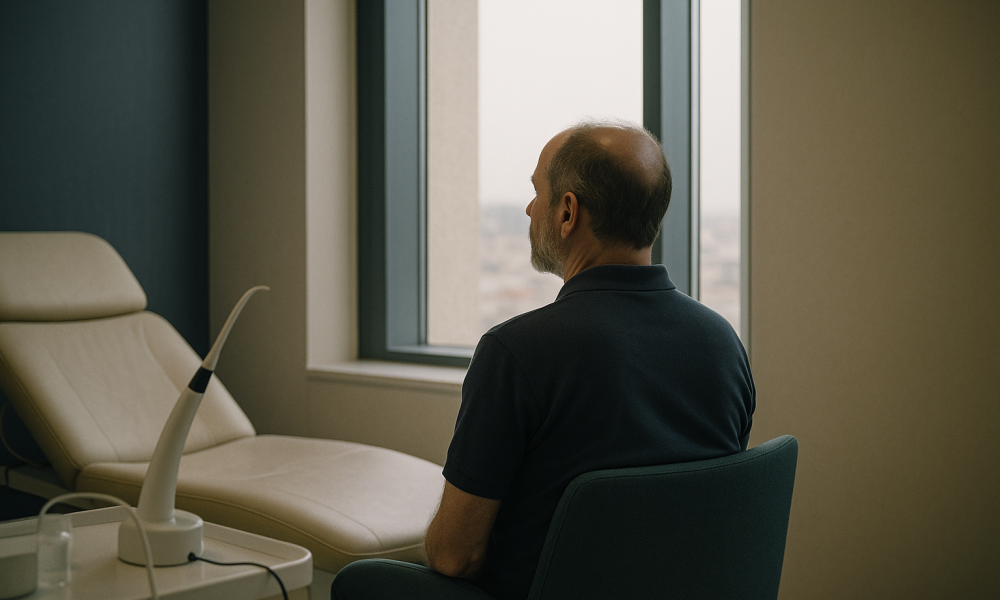
What Hair Transplant Repair is and who it is for
Hair transplant repair is a specialised medical procedure aimed at rectifying unsatisfactory results from previous hair transplant operations. This might include correcting unnatural hairlines, addressing scarring, or increasing hair density where initial procedures might not have achieved the desired outcome. The process involves various techniques, such as follicular unit extraction (FUE) or follicular unit transplantation (FUT), depending on individual needs and existing conditions.
In Turkey, hair transplant repair is popular due to the country’s advanced medical facilities and experienced specialists. The procedure is ideal for individuals who have undergone hair restoration treatments but are dissatisfied with their results, either due to technical errors, insufficient hair density, or unappealing aesthetic outcomes. Common issues that lead to seeking repair include unnatural hairline design, visible scarring, and poor graft survival rates.
Patients considering repair should have realistic expectations and understand that while improvements can be significant, complete rectification of previous errors might not always be feasible. The procedure typically involves a detailed consultation where a surgeon assesses the scalp’s current state, discusses previous procedures, and sets realistic goals for repair.
The timeline for hair transplant repair can vary significantly based on the complexity of the case. Typically, the procedure takes between four to eight hours, performed under local anaesthesia. Post-procedure, patients usually do not require a hospital stay and can return to daily activities within one to two weeks, although full recovery and the visibility of results can take six to twelve months.
Turkey’s reputation in medical tourism, coupled with its competitive pricing, makes it an attractive destination for hair transplant repair. Indicative costs for such procedures range from £2,000 to £5,000, significantly lower than similar procedures in Australia and other Western countries. This cost-effectiveness, alongside high standards of care, draws many international patients to Turkey for this specialised treatment.
Are you a good candidate?
Determining whether you are a suitable candidate for hair transplant repair involves several considerations. It is crucial to assess your overall health, the condition of your scalp, and the specifics of your previous hair transplantation. A comprehensive evaluation by a skilled specialist is essential to ensure that the repair procedure will be beneficial for you.
Here is a checklist to help you consider your candidacy for hair transplant repair:
- Previous Hair Transplant Experience: Have you undergone a hair transplant that resulted in unsatisfactory outcomes such as unnatural hairlines or visible scarring?
- Scalp Health: Is your scalp healthy and free from conditions like severe dermatitis or psoriasis that could complicate the repair process?
- Donor Hair Availability: Do you have sufficient donor hair available for grafting? This is crucial as repair procedures often require additional follicles.
- Realistic Expectations: Are your expectations aligned with what hair transplant repair can realistically achieve? Understanding the limitations and potential improvements is key.
- Medical Conditions: Do you have any medical conditions that might interfere with the healing process, such as uncontrolled diabetes or blood clotting disorders?
- Lifestyle Factors: Are you willing to adhere to post-operative care instructions and lifestyle modifications, such as avoiding smoking and following a healthy diet?
- Emotional Preparedness: Are you emotionally prepared for the potential outcomes and the time it takes to see full results?
If you find yourself ticking off most items on this list, you might be a strong candidate for hair transplant repair. However, a thorough consultation with a qualified surgeon in Turkey is essential to tailor the procedure to your specific needs and to discuss all potential risks and benefits. This pre-evaluation phase is vital in ensuring that the repair not only meets your aesthetic goals but also supports your overall health and well-being.
The procedure, step by step
Hair transplant repair procedures in Turkey are designed to correct previous hair transplant surgeries that may not have met the patient’s expectations. Whether it’s due to unnatural hairlines, visible grafts, or poor growth, the procedure aims to enhance both the aesthetic and functional outcomes. Here, we will outline a typical step-by-step process of a hair transplant repair procedure.
- Consultation and Assessment: The initial step involves a thorough consultation with a qualified hair transplant surgeon. During this session, the surgeon evaluates the existing hair transplant results, assesses the donor and recipient sites, and discusses the patient’s expectations. This step often includes a detailed medical history review and scalp examination.
- Planning: After the assessment, a customised repair plan is developed. This plan addresses the specific issues, whether it involves removing poorly placed grafts, redistributing existing grafts, or adding new ones for density. The surgeon will design a natural-looking hairline and discuss the technique to be used, such as Follicular Unit Extraction (FUE) or Follicular Unit Transplantation (FUT).
- Preparation: On the day of the procedure, the patient is prepped and the scalp is cleaned. Local anaesthesia is administered to ensure the procedure is pain-free. The donor area from which hair follicles will be extracted is marked and prepared.
- Extraction: Depending on the chosen method, hair follicles are extracted. With FUE, individual follicles are removed using a micro-punch tool, while FUT involves removing a strip of scalp from the donor area. The extraction process is meticulous, ensuring minimal damage to the follicles.
- Graft Preparation: Extracted follicles are carefully prepared under a microscope. This step is crucial for ensuring that only healthy grafts are used in the repair process.
- Recipient Site Creation: Tiny incisions are made in the recipient area according to the planned design. The angle, depth, and distribution of these incisions are critical for achieving a natural appearance.
- Implantation: The prepared grafts are meticulously implanted into the recipient sites. This process requires precision to ensure that the grafts are placed at the correct angle and density.
- Post-Procedure Care: Once the implantation is complete, the scalp is cleaned and covered with a protective dressing. The surgeon provides detailed post-operative care instructions, including medication to prevent infection and reduce swelling.
- Follow-Up: Follow-up appointments are scheduled to monitor the healing process and assess the success of the repair. Additional sessions may be required depending on the extent of the repair work.
Recovery timeline
Recovering from a hair transplant repair procedure involves a series of stages, each with specific expectations and care recommendations. Understanding this timeline can help patients manage their recovery effectively.
| Period | What to Expect | Care Notes |
|---|---|---|
| Day 1 | Immediately post-surgery, expect some swelling and discomfort. The donor and recipient areas may feel tender. | Rest is crucial. Keep the head elevated to reduce swelling. Follow prescribed medication regimen. |
| Days 2-3 | Swelling may peak around day 2. Scabbing starts to form around the graft sites. | Avoid touching or scratching the scalp. Continue using recommended saline sprays to keep the area moist. |
| Day 4-7 | Scabs begin to fall off naturally. Mild itching is common as the healing process continues. | Gently wash the scalp with a mild shampoo as advised by the surgeon. Avoid direct sunlight on the scalp. |
| Week 2-3 | Most scabs should have fallen off. Initial shedding of transplanted hair may occur, known as “shock loss.” | Do not panic as shock loss is a normal part of the process. Continue with gentle scalp care. |
| Month 1-3 | New hair growth begins to emerge. The donor area continues to heal and may still be slightly sensitive. | Regular follow-ups with the surgeon to monitor progress. Maintain a balanced diet to support hair growth. |
| Month 4-6 | Noticeable hair growth improvement. Hair starts to thicken and fill in. | Avoid any harsh treatments or dyes. Continue protecting the scalp from sun exposure. |
| Month 7-12 | Continued hair growth and maturation. By the end of 12 months, the final result is usually visible. | Maintain regular hair care routines. Final evaluation with the surgeon to discuss results and any further needs. |
While the timeline above is typical, individual recovery can vary. Patients are encouraged to maintain open communication with their healthcare provider throughout the recovery period to address any concerns promptly.
What it costs: Turkey vs Australia
When considering hair transplant repair, understanding the cost differences between Turkey and Australia is crucial. Hair transplant repair, much like initial hair transplant procedures, can vary significantly in cost depending on various factors such as the extent of the repair needed, the technique used, and the clinic’s location and reputation.
In Turkey, the cost of hair transplant repair is typically lower than in Australia, making it an attractive option for international patients. The lower cost is largely due to the lower cost of living and operational expenses in Turkey, as well as the competitive nature of the medical tourism industry. However, it is important to note that lower costs do not necessarily mean lower quality. Turkey is known for its skilled surgeons and high-quality facilities.
| Aspect | Turkey (Indicative) | Australia (Indicative) |
|---|---|---|
| Basic Repair Cost | $2,000 – $4,000 USD | $6,000 – $10,000 USD |
| Advanced Repair Cost | $4,000 – $7,000 USD | $10,000 – $15,000 USD |
| Package Inclusions | Consultation, Procedure, 2-night stay, Post-op care | Consultation, Procedure, Basic aftercare |
| Additional Costs | Travel, Accommodation (if not included in package) | Travel, Accommodation, Extended aftercare |
These figures are indicative and can vary based on the specific circumstances and requirements of the patient. In Turkey, packages often include additional services such as airport transfers, accommodation, and extended post-operative care, which can add significant value for international patients. In contrast, Australian clinics may charge separately for these services.
It is essential for prospective patients to obtain detailed quotes from multiple clinics, ensuring they understand what is included in the price and any potential additional costs. This careful comparison can help patients make an informed decision that balances cost with the quality of care.
Risks and how accredited providers manage them
Hair transplant repair, like any surgical procedure, carries certain risks. These can include infection, scarring, poor graft growth, and unnatural hair appearance. However, accredited providers in Turkey are well-equipped to manage these risks effectively.
One of the primary risks associated with hair transplant repair is infection. Accredited clinics in Turkey adhere to stringent sterilisation protocols to minimise this risk. All surgical instruments are sterilised, and the operating environment is maintained to high hygiene standards. Patients are also provided with antibiotics post-surgery to further reduce the risk of infection.
Another risk is scarring, which can occur if the procedure is not performed with precision. Experienced surgeons in Turkey use advanced techniques such as Follicular Unit Extraction (FUE), which is less invasive and reduces the likelihood of visible scarring compared to older methods. Additionally, careful planning of the hairline and graft placement helps ensure a natural appearance.
Poor graft growth is a concern that can result from various factors, including poor blood supply to the transplanted area or improper handling of grafts. To mitigate this risk, clinics employ skilled technicians who handle grafts with care, ensuring they are kept in optimal conditions before and during transplantation. Surgeons also assess the patient’s scalp health and blood supply to maximise graft survival rates.
Unnatural hair appearance can occur if the hairline is not designed to suit the patient’s facial structure or if grafts are placed at incorrect angles. Accredited providers in Turkey invest significant time in pre-operative planning, using digital imaging and simulations to design a hairline that complements the patient’s natural features. Surgeons are trained to place grafts at the correct angle and density to achieve a natural look.
Accreditation plays a crucial role in ensuring clinics maintain high standards of care. Many Turkish clinics are accredited by international bodies, which means they regularly undergo rigorous assessments to ensure compliance with global healthcare standards. This accreditation process includes evaluating the clinic’s hygiene practices, surgical techniques, and post-operative care protocols.
Patients are encouraged to conduct thorough research and choose clinics that are accredited and have a proven track record of successful outcomes. By doing so, they can significantly reduce the risks associated with hair transplant repair and increase the likelihood of a satisfactory result.
How to choose the right provider
Choosing the right provider for a hair transplant repair in Turkey is a crucial decision that can significantly impact the success of your treatment. One of the first elements to consider is accreditation. Ensure that the clinic is accredited by reputable international or Turkish health organisations. Accreditation reflects a commitment to maintaining high standards of care and safety.
Next, evaluate the surgeon’s experience. A surgeon with extensive experience in hair transplant repairs is more likely to achieve optimal results. Consider the number of years they have practiced, the number of procedures they have performed, and their specific focus on repair cases. Request to see before-and-after photos of previous patients and, if possible, contact past patients for testimonials.
The importance of aftercare cannot be overstated. A good clinic will offer comprehensive aftercare services, including follow-up consultations, advice on post-treatment care, and a clear plan for addressing any complications that may arise. Ask about the availability of the surgeon and support staff for any post-operative concerns.
Be vigilant for red flags that may indicate a less reputable provider. These include overly aggressive marketing tactics, guarantees of specific results, and a lack of transparency regarding costs and procedures. Additionally, ensure that the clinic uses modern, sterile equipment and adheres to strict hygiene protocols.
Lastly, consider the overall reputation of the clinic. Online reviews and ratings can provide insights into patient satisfaction, but they should be taken with a degree of caution. Seek out independent reviews and verify any claims made by the clinic. By thoroughly researching these aspects, you can make an informed decision that aligns with your expectations and needs.
Planning your trip
Planning your trip to Turkey for a hair transplant repair involves several key considerations to ensure a smooth and stress-free experience. Begin by establishing a timeline before travel. It’s advisable to start planning at least three to six months in advance. This allows ample time for research, consultations, and securing any necessary documentation.
Ensure you have all required documents ready, including a valid passport, visa (if applicable), and any medical records or referral letters from your Australian healthcare provider. Some clinics may also request recent blood tests or a health assessment prior to your arrival.
Consider the length of stay in Turkey. For a hair transplant repair, you should plan for a stay of approximately 7 to 10 days. This duration typically covers the procedure, initial recovery, and a follow-up consultation to ensure there are no immediate complications. Some patients may choose to extend their stay to enjoy the cultural and historical attractions of Turkey.
Upon returning to Australia, follow-up care is essential. Arrange for a local dermatologist or hair specialist to monitor your recovery and address any concerns. The Turkish clinic may provide a follow-up plan, including remote consultations, to ensure continuity of care. It is crucial to adhere to the post-operative care instructions provided by your surgeon to achieve the best possible outcome.
In terms of practicalities, budget for travel costs, including flights, accommodation, and local transportation. Typical costs for a round-trip flight from Australia to Turkey range from AUD 1,000 to AUD 2,500, depending on the season and booking time. Accommodation can vary, with options ranging from budget hotels to luxury stays, typically costing between AUD 50 to AUD 200 per night.
Frequently Asked Questions
What is the average cost of hair transplant repair in Turkey?
The cost of hair transplant repair in Turkey can vary widely depending on the complexity of the procedure and the clinic's reputation. Generally, you can expect prices to range from USD 2,000 to USD 5,000. This typically includes the procedure itself, initial consultations, and some aftercare services. It's important to confirm exactly what is included in the quoted price and to consider additional costs such as travel and accommodation.
Are hair transplant repairs in Turkey safe?
Hair transplant repairs in Turkey are generally safe when performed by qualified, experienced surgeons in accredited clinics. These clinics follow strict hygiene and safety protocols. However, as with any medical procedure, there are inherent risks involved, such as infection or scarring. To minimize these risks, ensure you choose a reputable provider, follow pre- and post-operative care instructions, and discuss any concerns with your surgeon.
How do I verify a clinic's accreditation?
You can verify a clinic's accreditation by checking with international accrediting bodies such as Joint Commission International (JCI) or local Turkish health authorities. Most accredited clinics will display their certification on their website. You can also contact the accrediting body directly to confirm the clinic's status. Accreditation is a good indicator of a clinic's commitment to maintaining high standards of care and safety.
Will I need a visa to travel to Turkey for a hair transplant?
Australian citizens typically require a visa to enter Turkey for any purpose, including medical treatment. You can apply for an e-Visa online, which is a straightforward process. Ensure your passport is valid for at least six months from your date of entry into Turkey. It's advisable to apply for your visa well in advance of your travel dates to avoid any last-minute issues.
What should I pack for my trip to Turkey?
When packing for your trip to Turkey, consider the climate and the nature of your visit. Essential items include comfortable clothing, any prescribed medications, and a detailed list of all medications you are taking. Also, bring copies of your medical records and any documents required by the clinic. A travel adapter for electronic devices and a basic first-aid kit can also be useful. Don't forget to pack toiletries and personal care items needed for your recovery.
How long will I need to stay in Turkey after the procedure?
For a hair transplant repair, plan to stay in Turkey for approximately 7 to 10 days. This allows time for the procedure, initial recovery, and a follow-up consultation. Your surgeon will provide specific guidelines based on your individual case. If complications arise, you might need to extend your stay. Ensure you have some flexibility in your travel plans to accommodate unexpected changes.
Can I travel around Turkey after my procedure?
While it is possible to travel around Turkey after your procedure, it's important to prioritize your recovery. Follow your surgeon's advice on post-operative care and avoid activities that might strain your scalp or increase the risk of infection. Light sightseeing is generally acceptable, but avoid strenuous activities or exposure to harsh weather conditions. Always keep in touch with your healthcare provider for any concerns during your travels.
What are the risks associated with hair transplant repair?
As with any surgical procedure, hair transplant repair carries some risks, including infection, bleeding, scarring, and suboptimal results. In rare cases, patients might experience shock loss, where transplanted or existing hair falls out temporarily. To mitigate these risks, choose an experienced surgeon and follow all pre- and post-operative care instructions. Discuss all potential risks with your surgeon during the consultation phase.
How soon can I return to work after a hair transplant repair?
The time needed to return to work after a hair transplant repair depends on the nature of your job and your individual recovery. Many patients can resume non-strenuous work within 5 to 7 days post-procedure. However, if your job involves physical exertion, you may need to take additional time off to ensure proper healing. Consult your surgeon for personalized advice based on your specific situation.
What kind of aftercare is required following a hair transplant repair?
Aftercare following a hair transplant repair involves several steps to ensure optimal healing and results. Initially, you'll need to keep your scalp clean and avoid direct sunlight exposure. Follow your surgeon's instructions on washing your hair and applying any prescribed medications or ointments. Regular follow-up appointments, whether in person or remotely, are crucial to monitor progress and address any issues. Adhering to these guidelines can significantly enhance the success of your procedure.
How can I finance my hair transplant repair in Turkey?
Financing a hair transplant repair in Turkey can be managed through several options. Some clinics may offer payment plans or financing options directly. Alternatively, you might consider personal loans or medical financing services available in Australia. It's important to understand the terms and interest rates involved. Ensure that all costs, including travel and accommodation, are factored into your budget to avoid unexpected financial strain.
Is it possible to combine my hair transplant repair with a holiday in Turkey?
Combining your hair transplant repair with a holiday in Turkey is feasible, provided you plan carefully. Ensure your medical needs are prioritized, and allow sufficient time for recovery before engaging in tourism activities. Choose accommodation that offers comfort and convenience to support your recovery. It's advisable to schedule sightseeing and leisure activities after your initial recovery period, ensuring you're following your surgeon's post-operative care recommendations.