
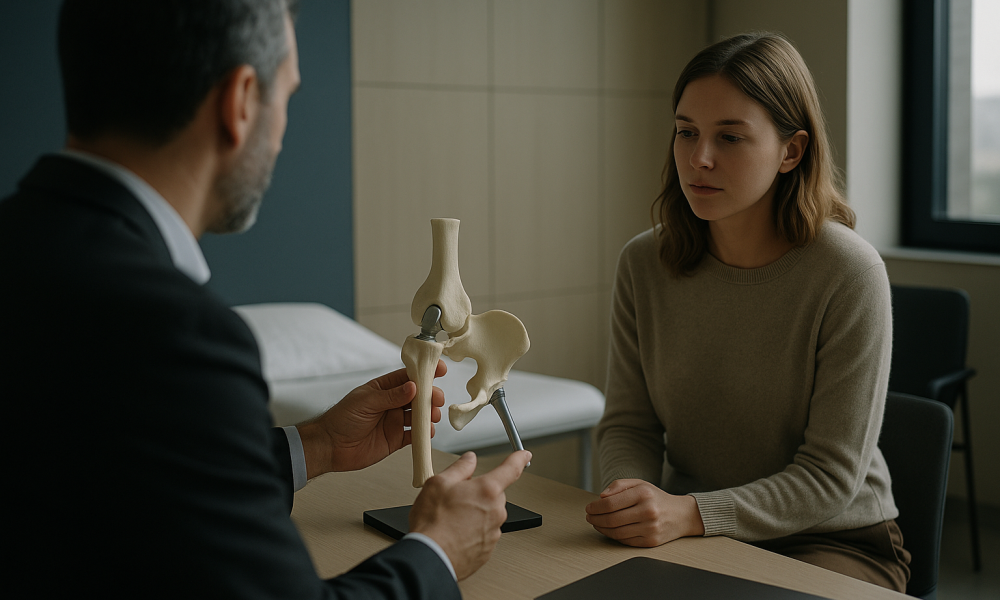
What Hip Arthroscopy is and who it is for
Hip arthroscopy is a minimally invasive surgical procedure used to diagnose and treat various joint problems within the hip. It involves the use of an arthroscope, a small camera inserted through a tiny incision, allowing surgeons to view the hip joint on a screen and perform necessary repairs or treatments. This technique is particularly beneficial for patients experiencing persistent hip pain, impaired mobility, or those with specific conditions such as labral tears, hip impingement, or cartilage damage.
As a less invasive alternative to traditional open surgery, hip arthroscopy offers several advantages. The small incisions typically lead to reduced soft tissue damage, less post-operative pain, and a quicker recovery time. Patients can often expect to resume normal activities faster than they would after more invasive procedures. In Türkiye, the procedure is performed by highly trained orthopaedic surgeons utilising state-of-the-art technology, ensuring a high standard of care.
Hip arthroscopy is suitable for a wide range of individuals, including athletes and active individuals who wish to return to their previous levels of activity, as well as older patients seeking relief from chronic hip issues. It is also an option for people who have not responded well to non-surgical treatments, such as physical therapy or medication. The procedure is typically recommended for those who have specific hip joint issues identifiable through imaging tests like MRI or X-rays, which can show the extent of joint damage or deformities.
In Türkiye, the cost of hip arthroscopy can be significantly lower than in Australia, with indicative prices ranging from £3,000 to £5,000. This cost-effectiveness, combined with the country’s reputation for quality healthcare services, makes Türkiye an attractive destination for medical tourism. Patients considering this option should ensure they understand all aspects of the procedure, including potential risks, recovery times, and the expertise of the medical team involved.
Are you a good candidate?
Determining candidacy for hip arthroscopy involves a thorough evaluation by a medical professional, typically an orthopaedic surgeon. The decision is based on a combination of factors, including the severity and type of hip condition, the patient’s overall health, and their treatment goals. While hip arthroscopy is a versatile procedure, not everyone is an ideal candidate. Here are some criteria to help assess whether hip arthroscopy might be suitable for you:
- Persistent hip pain that has not improved with conservative treatments such as physical therapy, rest, or medication.
- Diagnosed with specific hip joint issues such as labral tears, femoroacetabular impingement (FAI), or cartilage damage identified through imaging tests.
- Good overall health, with no contraindications for undergoing surgery and anaesthesia.
- Non-responsiveness to other non-surgical interventions aimed at alleviating hip pain and improving mobility.
- Desire to return to a higher level of physical activity or sports participation.
- Realistic expectations about the outcomes of the procedure, acknowledging that while many experience significant improvement, the results can vary.
It is important for potential candidates to have a detailed consultation with their surgeon to discuss their specific condition and the potential benefits and risks of the procedure. This discussion should cover the expected recovery timeline, post-operative care requirements, and any lifestyle modifications needed to ensure optimal recovery and long-term joint health.
Patients should also consider their personal circumstances, such as the availability of support during recovery and their ability to follow post-operative rehabilitation protocols. Ultimately, successful outcomes often depend on a combination of surgical expertise, patient compliance with rehabilitation, and realistic expectations.
The procedure, step by step
Hip arthroscopy is a minimally invasive surgical technique used to diagnose and treat various conditions of the hip joint. It typically takes between 1.5 to 3 hours, depending on the complexity of the case. Here is a step-by-step guide to what you can expect during the procedure:
- Preoperative Preparation: Before the surgery, you will undergo a thorough medical evaluation, including blood tests and imaging studies such as X-rays or MRIs. You will meet with your anaesthetist to discuss the type of anaesthesia, usually general or regional, that will be used during the procedure.
- Positioning: Once in the operating room, you will be positioned on a specialised operating table. This table allows for traction to be applied to your leg, creating space in the hip joint for the surgeon to insert instruments. This step is crucial for optimal visibility and access to the joint.
- Incision and Portal Placement: The surgeon will make small incisions, typically 1-3 centimetres long, around the hip area. Through these incisions, portals are created for the arthroscope and surgical instruments. The number of portals depends on the specific procedure being performed.
- Insertion of the Arthroscope: An arthroscope, a small camera about the size of a pencil, is inserted through one of the portals. This device transmits images of the inside of your hip joint to a monitor, allowing the surgeon to inspect the joint for damage and guide the surgical instruments.
- Diagnosis and Treatment: The surgeon will assess the joint for any issues such as labral tears, cartilage damage, or bone spurs. Depending on the diagnosis, various treatments can be performed, including trimming of damaged tissue, removal of loose bodies, or repair of torn structures.
- Closure: Once the procedure is complete, the instruments are removed, and the small incisions are closed with sutures or steri-strips. A sterile dressing is applied to the area to protect it from infection.
- Postoperative Care: You will be moved to a recovery area where medical staff will monitor you as you wake up from anaesthesia. Pain management and instructions for at-home care will be provided before you are discharged, usually on the same day as the surgery.
Recovery timeline
The recovery timeline after hip arthroscopy varies from patient to patient, but typically ranges from 6 weeks to 6 months. Here is a detailed look at what you can expect during the recovery period:
| Period | What to expect | Care notes |
|---|---|---|
| Day 1 | Post-surgery, you may experience some pain and swelling around the hip area. You will likely be discharged on the same day if your vital signs are stable. | Pain management with prescribed medications. Apply ice packs to reduce swelling. Begin gentle range-of-motion exercises as advised by your physiotherapist. |
| Week 1-2 | Swelling and bruising may persist. You may need crutches to assist with mobility. | Attend follow-up appointments. Continue with physiotherapy exercises to improve mobility and strength. Keep incisions clean and dry. |
| Week 3-6 | Improved mobility. You may start walking short distances without crutches. | Gradually increase activity levels as comfort allows. Continue physiotherapy and avoid high-impact activities. |
| Month 2-3 | Most patients can resume normal daily activities with minimal discomfort. | Focus on strengthening exercises. Follow up with your surgeon for progress checks. Discuss when to resume sports or demanding activities. |
| Month 3-6 | Full recovery is typically expected by this stage, although some may take longer. | Regular physical activity is encouraged. Maintain follow-up care to ensure complete recovery and address any concerns. |
5. What it costs: Turkey vs Australia
When considering hip arthroscopy, cost is often a significant factor for patients. Comparing the costs between Turkey and Australia can help patients make informed decisions. It is important to note that the figures presented here are indicative and can vary based on the specific treatment plan, the healthcare provider, and the individual patient’s needs.
| Country | Indicative Price Range (AUD) | Typical Package Inclusions |
|---|---|---|
| Turkey | 7,000 – 12,000 |
|
| Australia | 15,000 – 25,000 |
|
As depicted in the table, the cost of hip arthroscopy in Turkey is generally more affordable compared to Australia. This cost-effectiveness does not compromise the quality of care, as many Turkish healthcare providers are internationally accredited and adhere to rigorous medical standards. Additionally, packages in Turkey often include supplementary services such as interpreter assistance and airport transfers, which can enhance the overall experience for international patients.
It is crucial for patients to inquire about what is specifically included in their treatment package. This ensures transparency and helps avoid unexpected expenses. Factors such as the choice of hospital, surgeon’s expertise, and additional therapies can influence the total cost. Patients are encouraged to discuss all potential costs during their initial consultations.
6. Risks and how accredited providers manage them
Like any surgical procedure, hip arthroscopy carries certain risks. Understanding these risks and how they are managed by accredited providers in Turkey is essential for patients considering this treatment abroad. Common risks associated with hip arthroscopy include infection, blood clots, nerve damage, and joint stiffness. However, these risks are generally low, and accredited hospitals in Turkey implement stringent protocols to mitigate them.
Accredited healthcare providers in Turkey adhere to international standards of care, ensuring that all procedures are performed in state-of-the-art facilities with the latest medical equipment. Infection control is a top priority, with strict sterilisation procedures in place. Surgical teams are well-trained in aseptic techniques to minimise the risk of post-operative infections. Additionally, patients are often prescribed prophylactic antibiotics to further reduce this risk.
To prevent blood clots, patients may be advised to use compression stockings and engage in early mobilisation post-surgery. Accredited providers also conduct thorough pre-operative assessments to identify patients at higher risk of thrombosis and implement appropriate prophylactic measures, such as anticoagulant medication.
Nerve damage, though rare, is another potential risk. Surgeons in Turkey are experienced and skilled, using advanced imaging technologies to enhance precision and reduce the likelihood of nerve damage. Post-operative protocols involve regular monitoring to quickly address any signs of nerve impairment.
Joint stiffness is managed through comprehensive rehabilitation programmes tailored to each patient. Accredited facilities often employ multidisciplinary teams, including physiotherapists, who work with patients to restore mobility and strength. Individualised rehabilitation plans are crucial for optimal recovery and are an integral part of the care packages offered.
Patients are encouraged to discuss their concerns and risk factors with their healthcare providers. Transparency and communication are key components of care in accredited Turkish facilities, ensuring that patients are well-informed and comfortable with their treatment decisions. Accredited providers in Turkey are committed to not only delivering successful surgical outcomes but also ensuring patient safety and satisfaction throughout the treatment journey.
How to choose the right provider
When considering hip arthroscopy in Turkey, selecting the right healthcare provider is crucial to ensure a safe and successful procedure. Start by verifying the accreditation of the hospital or clinic. Reputable institutions are often accredited by international bodies such as the Joint Commission International (JCI) or have local certifications that meet global standards. These accreditations ensure that the facility adheres to stringent safety and quality protocols.
Surgeon experience is another critical factor. Look for surgeons who specialise in orthopaedic surgery with a specific focus on hip arthroscopy. It is beneficial if the surgeon has completed advanced training or fellowships in minimally invasive hip surgeries. Inquire about the number of hip arthroscopies they have performed and their success rates. While no outcomes can be guaranteed, a seasoned surgeon typically has a lower rate of complications.
Aftercare services should also be a priority in your selection process. Comprehensive aftercare, including physical therapy and regular follow-up consultations, is essential for a smooth recovery. Ensure the provider offers a structured aftercare plan and has a multidisciplinary team to support your rehabilitation. This team should ideally include physiotherapists, nurses, and possibly nutritionists, all working together to optimise your recovery.
Be aware of red flags when choosing a provider. Avoid clinics that make unrealistic promises or guarantee specific outcomes. Transparency in pricing is also important; if a provider is vague or evasive about costs, it may be a sign of hidden fees. Additionally, be cautious of facilities that do not allow you to communicate directly with the surgeon before the procedure.
Finally, consider seeking reviews from former patients, particularly those from Australia, as they can provide insights into their experiences with the provider. Online forums and dedicated medical tourism review sites can be valuable resources for authentic feedback.
Planning your trip
Effective planning is essential for a successful medical journey to Turkey for hip arthroscopy. Begin your timeline before travel by scheduling an initial consultation with your chosen provider, which can often be done via video conference. This should be arranged at least 3-4 months before your intended travel date to accommodate any necessary medical evaluations or lab tests that need to be conducted locally before your trip.
Ensure you have all the required documents in place. This typically includes a valid passport, visa for Türkiye (if applicable), and comprehensive travel insurance that covers medical procedures abroad. Additionally, gather all medical records related to your hip condition, such as imaging results and previous treatment summaries, to share with your Turkish healthcare provider.
The length of stay in Türkiye will vary depending on your individual case and recovery needs. Generally, patients are advised to stay for a minimum of 10 to 14 days. This period allows for the procedure, initial recovery, and a follow-up appointment before returning home. Discuss with your surgeon the anticipated recovery timeline and any potential complications that could extend your stay.
Planning for follow-up at home is equally important. Coordinate with your local GP or a physiotherapist in Australia to continue your rehabilitation and monitor your progress. Your Turkish surgeon will typically provide a detailed report of the surgery and recommendations for ongoing care, which can be shared with your local healthcare providers.
Lastly, consider logistical aspects such as booking accommodation near the hospital and arranging for transportation within the city. Some medical tourism agencies offer packages that include these services, which can simplify your planning process. Always ensure that your accommodation is comfortable and accessible, as mobility may be limited post-surgery.
Frequently Asked Questions
What is the typical cost range for hip arthroscopy in Turkey?
The cost of hip arthroscopy in Turkey can vary widely depending on the hospital, surgeon's experience, and included services. Typically, the procedure ranges from £3,000 to £6,000. This price usually covers the surgery itself, hospital stay, and initial aftercare, but it's crucial to confirm what's included before committing.
Are there any hidden costs I should be aware of?
While many providers offer comprehensive packages, it's important to clarify what is included. Potential additional costs could include pre-operative tests, medications, extended hospital stays due to complications, and follow-up care. Always request a detailed breakdown of costs from your provider to avoid unexpected expenses.
How safe is it to have hip arthroscopy in Turkey?
Hip arthroscopy in Turkey is generally safe, especially when performed by experienced surgeons in accredited facilities. However, as with any surgical procedure, there are risks involved, such as infection or complications from anaesthesia. Choosing a reputable provider and following pre- and post-operative instructions can help mitigate these risks.
How do I verify the credentials of a surgeon in Turkey?
You can verify a surgeon's credentials by checking their certifications and memberships in professional organisations, such as the Turkish Orthopaedic Association. Additionally, many surgeons are listed on hospital websites, where their qualifications and experience are detailed. Direct communication with the surgeon can also provide reassurance.
What should I pack for my trip to Turkey for surgery?
Pack comfortable clothing, essential toiletries, and any medications you regularly take. It's also helpful to bring medical records related to your hip condition. Consider packing a small pillow for comfort during travel and recovery, and ensure you have electronic copies of all important documents.
How long is the recovery period after hip arthroscopy?
Recovery time varies depending on individual health and the complexity of the procedure. Generally, patients can expect to resume normal activities within 6 to 12 weeks. Adhering to a prescribed physiotherapy regimen is crucial for a successful recovery.
Will I need a visa to travel to Turkey for surgery?
Australian citizens typically need a visa to enter Turkey. You can apply for an e-Visa online before your trip. Ensure your passport is valid for at least six months from your date of entry into Turkey. Check the latest requirements on the official Turkish e-Visa website.
Can I communicate with the medical team in English?
Most medical professionals in Turkey, especially in facilities catering to international patients, speak English proficiently. However, it's a good idea to confirm language services with your chosen provider. Some clinics also offer translation services if needed.
What kind of aftercare will I receive in Turkey?
Aftercare typically includes pain management, physiotherapy sessions, and follow-up consultations. The specifics can vary by provider, so it's important to discuss and understand the aftercare plan before proceeding with the surgery. Comprehensive aftercare is crucial for a smooth recovery.
How do I handle follow-up care once I return to Australia?
Coordinate with your local GP or physiotherapist for ongoing care. Your Turkish surgeon will usually provide a detailed surgery report and recovery plan, which can be shared with your Australian healthcare providers to ensure continuity of care.
What happens if I experience complications after returning home?
If complications arise after returning to Australia, contact your local healthcare provider immediately. Having a detailed report from your Turkish surgeon can assist in managing any issues. It's also advisable to inform your Turkish provider about the situation as they may offer guidance or additional support remotely.
Is it possible to have a family member accompany me during the trip?
Yes, many patients choose to travel with a family member or companion for support. Consideration should be given to their accommodation and travel arrangements. Some hospitals may allow companions to stay in the same room, but this should be confirmed in advance.