
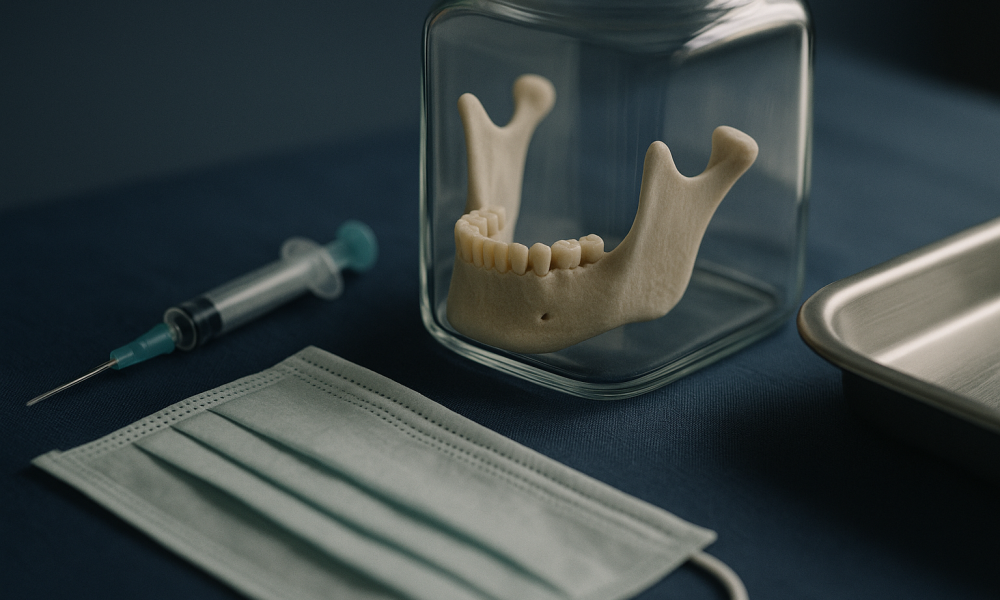
What Jaw Surgery (Orthognathic) is and who it is for
Jaw surgery, medically known as orthognathic surgery, is a corrective procedure aimed at addressing irregularities of the jawbones. It can enhance both function and appearance, making it a dual-purpose intervention for many patients. This surgery is often utilised to correct skeletal and dental anomalies that can cause difficulties in chewing, speaking, and breathing. Additionally, it can significantly improve facial aesthetics, offering patients a more balanced and harmonious appearance.
Orthognathic surgery in Turkey is gaining popularity due to the country’s combination of high-quality medical care and cost-effective pricing. The procedure typically involves collaboration between an oral and maxillofacial surgeon and an orthodontist. The surgery can address conditions such as malocclusion (misalignment of the teeth), protruding jaw, receding chin, and open bite, among others.
The process begins with a comprehensive evaluation that includes X-rays, photographs, and dental impressions to create a detailed treatment plan. The surgery itself usually takes between two to four hours under general anaesthesia. Post-surgery, patients may need to stay in the hospital for one to two days for monitoring and initial recovery.
Recovery from jaw surgery can vary significantly among individuals. Most patients can expect to return to work or school within two to four weeks, although full recovery, including the complete healing of bones, may take anywhere from three to 12 months. During this period, patients often wear braces or other orthodontic appliances to ensure proper alignment as the bones heal.
Results of the surgery are typically visible immediately post-operation, although swelling may obscure the final outcome initially. Over a few weeks to months, as swelling subsides and healing progresses, the full aesthetic and functional benefits become apparent. The indicative cost for orthognathic surgery in Turkey ranges from £3,500 to £7,000, which is considerably lower than in many Western countries, making it an attractive option for international patients.
Are you a good candidate?
Determining whether you are a good candidate for jaw surgery involves several considerations. Primarily, the surgery is recommended for individuals with significant jaw misalignments that impact daily life. These could include functional issues such as difficulty in chewing or chronic jaw pain, as well as aesthetic concerns that affect self-esteem.
Before proceeding with surgery, a thorough assessment by a qualified oral and maxillofacial surgeon is essential. This typically involves a series of diagnostic tests, including X-rays and 3D imaging, to evaluate the severity of the jaw misalignment and plan the surgical approach. Candidates should ideally be in good overall health, as this can impact both the surgery and recovery process.
- Age: Ideal candidates are those whose facial growth is complete. This usually means individuals aged 17-21 for females and 18-24 for males.
- Health: Candidates should be in good general health, free from chronic conditions that could complicate surgery or recovery.
- Dental Health: Good oral hygiene and health are crucial. Any existing dental issues should be addressed before surgery.
- Expectations: Candidates should have realistic expectations about the outcomes of the surgery, understanding both the potential benefits and the limitations.
- Commitment: Willingness to follow pre- and post-operative instructions, including lifestyle modifications and attending follow-up appointments, is essential for successful outcomes.
Patients must also consider the emotional and psychological readiness for such a transformative procedure. Consulting with healthcare professionals and possibly a counsellor can provide additional support and preparation for the changes that come with orthognathic surgery.
The procedure, step by step
Undergoing jaw surgery in Turkey involves a series of carefully orchestrated steps designed to ensure both precision and safety. Here is a detailed look at the typical process:
- Initial Consultation: The journey begins with a comprehensive evaluation by a maxillofacial surgeon. During this consultation, the surgeon will assess your medical history, conduct physical examinations, and review any imaging studies such as X-rays or 3D scans. The aim is to understand your specific needs and to formulate a customised treatment plan.
- Pre-operative Planning: Once the decision to proceed with surgery is made, the surgeon will create a detailed surgical plan. This may involve the use of digital imaging and modelling to simulate the expected post-operative results. This stage also includes discussions about anaesthesia options and any necessary pre-surgical orthodontic treatment.
- Orthodontic Preparation: Before the surgery, patients often undergo orthodontic treatment to align the teeth in preparation for the surgical adjustments. This phase can take several months to a year, depending on individual dental conditions.
- Surgical Procedure: The surgery itself typically lasts between 2 to 5 hours, depending on the complexity of the case. Performed under general anaesthesia, the procedure involves making incisions inside the mouth to access the jawbones. The surgeon will then reposition the jaws to the desired alignment, securing them with plates, screws, or wires. In some cases, bone grafts may be necessary to augment the jaw structure.
- Immediate Post-operative Care: After the surgery, you will be monitored in a recovery room until the effects of the anaesthesia wear off. Most patients stay in the hospital for 1 to 3 nights for close observation and to manage any immediate post-operative discomfort.
- Post-operative Instructions: Before discharge, you will receive detailed instructions on how to care for your surgical sites, manage pain, and maintain oral hygiene. This includes guidelines on diet, which typically involves a transition from liquids to soft foods.
- Follow-up Visits: Regular follow-up appointments are essential to monitor healing progress and to make any necessary adjustments to your treatment plan. These visits will also involve the continuation and finalisation of orthodontic treatment, if required.
Recovery timeline
Recovering from jaw surgery is a gradual process that involves several stages. Below is a detailed timeline that outlines what you can expect during each phase of recovery:
| Period | What to expect | Care notes |
|---|---|---|
| Day 1 | Patients typically experience swelling and discomfort. Nausea from anaesthesia is common. | Rest is essential. Use prescribed pain medication and apply cold compresses to reduce swelling. |
| Week 1 | Swelling and bruising may peak. Limited jaw movement. | Continue with soft or liquid diet. Maintain oral hygiene using a gentle rinse. |
| Week 2 | Swelling begins to subside. Some patients may start to feel better. | Follow up with your surgeon. Begin gentle jaw exercises as advised. |
| Month 1 | Majority of swelling reduces. Normal activities can gradually resume. | Introduce solid foods slowly. Attend regular check-ups. |
| Months 2-3 | Most swelling has resolved. Jaw function continues to improve. | Adhere to orthodontist’s guidance if braces are involved. |
| Full recovery (6-12 months) | Complete healing of bones and tissues. Full jaw function restored. | Final orthodontic adjustments may be completed. Continue regular dental visits. |
It’s important to note that individual recovery experiences can vary. Follow your surgeon’s personalised instructions closely to ensure the best possible outcome.
What it costs: Turkey vs the United States
When considering jaw surgery, cost is a significant factor for many patients. The expenses associated with orthognathic surgery can vary widely depending on the country where the procedure is performed. In this section, we provide a comparative overview of the typical cost ranges for jaw surgery in Turkey versus the United States. It is crucial to note that all figures provided are indicative and can vary based on individual circumstances, specific healthcare providers, and the complexity of the surgical procedure.
| Country | Indicative Cost Range (USD) | Typical Inclusions |
|---|---|---|
| Turkey | $6,000 – $12,000 |
|
| United States | $20,000 – $40,000 |
|
The above table illustrates that jaw surgery in Turkey is generally more affordable than in the United States. This cost difference can be attributed to a variety of factors, including lower living expenses and operational costs in Turkey. Additionally, many Turkish healthcare providers offer comprehensive packages that cater to international patients, which may include assistance with travel logistics, accommodation, and translation services, further enhancing the value proposition.
Patients should carefully assess what each package includes and verify the credentials of the healthcare providers to ensure quality and safety. It is advisable to obtain multiple quotes and to discuss all potential costs upfront during the initial consultation to avoid unexpected expenses.
Risks and how accredited providers manage them
Like any major surgical procedure, jaw surgery carries certain risks. It is important for patients to be aware of these risks and to understand how accredited providers in Turkey manage them to ensure patient safety and successful outcomes. The potential risks associated with orthognathic surgery include infection, bleeding, nerve damage, and issues related to anaesthesia.
- Infection: Post-surgical infections are a known risk in any surgery. Accredited providers in Turkey mitigate this risk by adhering to stringent sterilisation protocols, administering prophylactic antibiotics, and closely monitoring patients during the recovery phase.
- Bleeding: While some bleeding is common post-surgery, excessive bleeding is a risk that is carefully managed. Surgeons utilise advanced haemostatic techniques during the procedure and monitor patients post-operatively for any signs of complications.
- Nerve Damage: There is a risk of temporary or, rarely, permanent nerve damage leading to numbness or altered sensation. Experienced surgeons in Turkey employ meticulous surgical techniques and comprehensive pre-operative planning to minimise this risk.
- Anaesthesia Risks: Anaesthesia-related complications are rare but possible. Anaesthesiologists in accredited Turkish centres are highly trained to manage these risks, conducting thorough pre-operative assessments to tailor anaesthesia plans to individual patient needs.
Accredited healthcare providers in Turkey are committed to maintaining high standards of patient safety and care. Many facilities are internationally accredited, adhering to rigorous global healthcare standards. These providers ensure that their medical staff, including surgeons and anaesthesiologists, are well-qualified and experienced in their respective fields.
Furthermore, Turkish healthcare facilities often incorporate state-of-the-art technology and modern surgical techniques, which contribute to improved safety and efficacy. Post-operative care is also a priority, with comprehensive follow-up procedures in place to monitor patient recovery and address any complications that may arise.
Patients are encouraged to engage in open communication with their healthcare team, asking questions and expressing any concerns they may have about the surgery and its associated risks. Informed consent is a crucial part of the pre-operative process, ensuring that patients have a clear understanding of the potential risks and benefits involved in their treatment.
How to choose the right provider
Choosing the right provider for your jaw surgery in Turkey is a critical decision that can significantly influence your treatment experience and outcome. Here are some essential factors to consider:
- Accreditation: Ensure that the hospital or clinic you choose is accredited by recognised international bodies such as Joint Commission International (JCI) or the International Organization for Standardization (ISO). Accreditation ensures that the facility meets high standards of patient care and safety.
- Surgeon Experience: Research the surgeon’s qualifications and experience. Look for surgeons who are board-certified in maxillofacial surgery and have a substantial track record of performing orthognathic surgeries. It is advisable to request before-and-after photos of previous patients to assess the surgeon’s expertise.
- Aftercare Services: A comprehensive aftercare plan is crucial for recovery. Check if the provider offers post-operative care, including follow-up appointments, access to physiotherapy, and dietary consultations. Good aftercare can prevent complications and ensure a smoother recovery.
- Red Flags: Be wary of providers who make unrealistic promises or guarantee specific outcomes. Avoid clinics that do not provide clear information about costs, procedures, or the surgeon’s qualifications. Also, ensure that there is no pressure to make quick decisions; a reputable provider will allow you time to consider your options.
By carefully evaluating these factors, you can make a more informed choice about where to undergo your jaw surgery in Turkey, thereby enhancing your chances of a successful and satisfactory outcome.
Planning your trip
Proper planning is essential when travelling to Turkey for jaw surgery. Here is a guideline to help you prepare effectively:
- Timeline Before Travel: Start planning your trip at least 3-6 months in advance. This allows ample time to research providers, arrange consultations, and book travel and accommodation.
- Documents Required: Ensure your passport is valid for at least six months beyond your planned return date. Depending on your nationality, you may need a visa to enter Turkey. Additionally, have all medical records, including X-rays and previous treatment notes, translated into English or Turkish.
- Length of Stay: Plan to stay in Turkey for at least 2-3 weeks. This timeframe typically covers the initial consultation, the surgery, and the immediate recovery period, including post-operative check-ups.
- Follow-up at Home: Establish a follow-up plan with a local healthcare provider in your home country before travelling. This ensures you have access to necessary aftercare, such as suture removal, monitoring for complications, and ongoing rehabilitation.
By adhering to these guidelines, you can ensure a well-organised and stress-free experience when travelling to Turkey for jaw surgery.
Frequently Asked Questions
What is the typical cost range for jaw surgery in Turkey?
The typical cost range for jaw surgery in Turkey can vary widely depending on the complexity of the procedure, the surgeon's experience, and the facility chosen. On average, you can expect to pay between £4,000 and £7,000. This range is indicative and may include the surgery itself, anaesthesia, and a hospital stay, but always confirm what is included in the quoted price.
How do I ensure the clinic I choose is safe?
To ensure the clinic is safe, verify its accreditation with reputable international bodies like JCI or ISO. Check online reviews and ratings from previous patients for additional insights. It's also important to ensure the clinic maintains high standards of hygiene and has experienced medical staff. A trustworthy clinic will provide transparent information about their safety protocols and infection control measures.
What documents do I need to travel to Turkey for surgery?
You will need a valid passport, typically with at least six months' validity remaining. Depending on your nationality, a visa may also be required, which can often be obtained online. Additionally, bring all relevant medical records, such as X-rays and treatment history, ideally translated into English or Turkish, to ensure seamless communication with your healthcare providers.
How long should I plan to stay in Turkey for jaw surgery?
You should plan to stay in Turkey for a minimum of 2-3 weeks. This duration allows for pre-operative consultations, the surgical procedure, and the initial recovery period, including any necessary follow-up appointments. This timeline helps ensure that you receive adequate post-operative care before returning home.
What should I expect during the recovery period?
Recovery from jaw surgery typically involves swelling, bruising, and discomfort, which can last for several weeks. You may need to follow a soft or liquid diet initially. Your surgeon will provide specific aftercare instructions, including pain management and oral hygiene practices. Full recovery can take several months, and regular follow-up appointments are crucial to monitor progress.
Can I have a consultation with the surgeon before travelling?
Yes, many clinics offer online consultations via video calls. This allows you to discuss your case with the surgeon, ask questions, and get a preliminary assessment before committing to travel. It's an excellent opportunity to assess the surgeon's communication style and expertise, which can help in making an informed decision.
Is language a barrier when receiving medical care in Turkey?
While Turkish is the primary language, many healthcare professionals in Turkey speak English, especially those working in medical tourism facilities. It's advisable to confirm language capabilities during your initial inquiries. Some clinics offer translation services to ensure clear communication throughout your treatment.
What are the potential risks of jaw surgery?
Like any surgical procedure, jaw surgery carries potential risks such as infection, bleeding, nerve damage, or issues with anaesthesia. There may also be risks related to bone healing and alignment. Discuss these risks thoroughly with your surgeon to fully understand the potential complications and the measures in place to mitigate them.
How soon can I return to work after jaw surgery?
The time required to return to work varies depending on the nature of your job and your personal recovery. Generally, patients may need to take off 2-6 weeks from work, especially if their job involves physical activity. Office workers might return sooner, but it's essential to follow your surgeon's specific advice based on your recovery progress.
Will my health insurance cover jaw surgery in Turkey?
Coverage for jaw surgery abroad depends on your insurance policy. Many policies do not cover international treatments unless it's an emergency. Contact your insurance provider to clarify what aspects, if any, of your treatment in Turkey might be covered. It's also important to understand the claims process and any required documentation.
What should I pack for my trip to Turkey for surgery?
Pack comfortable clothing, as you may experience swelling and discomfort post-surgery. Include any prescribed medications and personal hygiene products. Also, consider bringing a travel pillow for comfort, a power adapter for electronics, and any necessary medical documentation. Packing light yet adequately can help ease your travel and recovery experience.
Are there financing options available for jaw surgery in Turkey?
Some clinics in Turkey offer financing options or payment plans to help manage the cost of surgery. It's advisable to inquire directly with the clinic about available options. Additionally, some international patients explore medical loans or savings plans to cover their treatment costs. Always ensure you understand the terms and conditions before entering any financial agreement.