
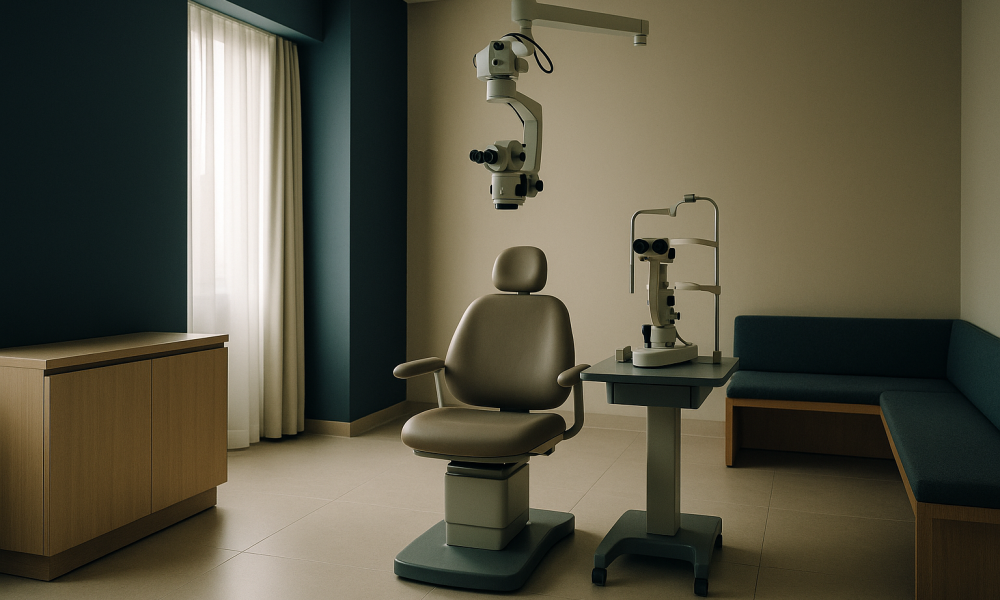
What Keratoconus Cross-Linking is and who it is for
Keratoconus is a progressive eye condition in which the cornea, the clear front part of the eye, thins and begins to bulge into a cone-like shape. This distortion can cause significant visual impairment. Corneal cross-linking is a minimally invasive procedure designed to strengthen the corneal tissue to halt the progression of keratoconus. The treatment works by using a combination of riboflavin (vitamin B2) eye drops and ultraviolet A (UVA) light to create new bonds between collagen fibres in the cornea. This process increases the cornea’s rigidity and stability, potentially preventing further deterioration.
The procedure is typically recommended for individuals diagnosed with progressive keratoconus, particularly those who are in the early to moderate stages of the condition. Early intervention is crucial because once the cornea becomes excessively thin or scarred, other treatments such as corneal transplant may become necessary. Cross-linking is generally not a corrective procedure for vision but a stabilising one. Therefore, patients may still require glasses or contact lenses post-treatment to achieve optimal vision.
In Turkey, keratoconus cross-linking is performed by highly trained ophthalmologists with access to modern facilities and equipment. The procedure itself is relatively quick, taking approximately 60 to 90 minutes to complete. It is performed on an outpatient basis, meaning there is no requirement for an overnight hospital stay. Patients will typically receive local anaesthesia in the form of eye drops to ensure comfort during the procedure.
After the treatment, patients might experience some discomfort, akin to having a foreign body in the eye, along with mild sensitivity to light. These symptoms usually subside within a few days. It is important to follow post-operative care instructions carefully to ensure optimal healing and outcomes. While some improvement in corneal shape can be observed in the first few months, the full stabilising effect of cross-linking might take six months or more to become apparent.
Are you a good candidate?
Determining whether you are a suitable candidate for keratoconus cross-linking involves several considerations. The procedure is primarily intended for patients with progressive keratoconus. This means that the shape of the cornea is changing over time, which can be measured by regular eye examinations. If your keratoconus is stable, cross-linking may not be necessary.
Here is a checklist to help you assess your suitability for the procedure:
- Your keratoconus is progressive, evidenced by corneal topography changes.
- You are in the early to moderate stages of the condition.
- Your corneal thickness is adequate, usually more than 400 microns, to safely undergo the procedure.
- You are 14 years of age or older, as younger patients may have ongoing corneal development.
- You have realistic expectations, understanding that the procedure is intended to stabilise the cornea, not improve vision.
- You do not have a history of herpes simplex keratitis or other corneal infections, which could complicate healing.
- You are not pregnant or breastfeeding, as hormonal changes can affect corneal stability and healing.
It is essential to have a comprehensive evaluation by an ophthalmologist to confirm your eligibility. This assessment will typically include a detailed examination of your eye health, corneal thickness measurements, and a discussion of your medical history. If you meet the criteria, keratoconus cross-linking could be a valuable option to help preserve your vision and prevent further progression of the disease.
The procedure, step by step
Keratoconus cross-linking is a minimally invasive procedure designed to strengthen the cornea, aiming to halt the progression of keratoconus. Understanding each step of the procedure can provide reassurance and clarity for patients considering this treatment in Turkey. Here is a detailed breakdown:
- Initial Consultation: Before the procedure, a thorough eye examination is conducted to assess the stage of keratoconus and determine the suitability for cross-linking. This may include corneal topography, pachymetry, and slit-lamp examination.
- Preparation: On the day of the procedure, patients are advised to avoid wearing contact lenses for at least 24 hours prior. Upon arrival at the clinic, anaesthetic eye drops are administered to numb the eye, ensuring comfort throughout the procedure.
- Epithelial Removal: The outer layer of the cornea, known as the epithelium, is carefully removed. This step is crucial as it allows the riboflavin solution to penetrate the corneal tissue effectively.
- Riboflavin Application: A riboflavin (vitamin B2) solution is applied to the cornea for approximately 30 minutes. This process involves periodic application to ensure the cornea is sufficiently saturated.
- Ultraviolet Light Exposure: Once the riboflavin has adequately penetrated the cornea, the eye is exposed to ultraviolet A (UVA) light for about 30 minutes. This interaction between riboflavin and UVA light induces the cross-linking of collagen fibres, which strengthens the corneal structure.
- Completion and Protection: After the UVA exposure, a soft contact lens is placed on the eye to protect the cornea and aid in the healing process. Patients are also given instructions on post-operative care and prescribed antibiotic and anti-inflammatory eye drops to prevent infection and reduce inflammation.
- Post-Procedure Monitoring: Follow-up visits are scheduled to monitor the healing process and ensure the treatment is progressing as expected. These visits are crucial for assessing the cornea’s stability and addressing any concerns.
This structured approach ensures that each step is conducted with precision and care, aiming to provide the best possible outcome for patients undergoing keratoconus cross-linking in Turkey.
Recovery timeline
Understanding the recovery timeline after keratoconus cross-linking can help patients manage expectations and adhere to recommended care practices. Recovery varies among individuals, but the following table outlines general expectations:
| Period | What to expect | Care notes |
|---|---|---|
| Day 1 | Initial discomfort, tearing, and light sensitivity. Vision may be blurry. | Rest with eyes closed. Use prescribed eye drops as directed. Avoid rubbing the eyes. |
| Days 2-3 | Discomfort begins to decrease. Vision remains blurry but gradually improves. | Continue with eye drops. Wear sunglasses outside to reduce light sensitivity. |
| Week 1 | Vision starts to stabilise. Mild irritation may persist. | Attend follow-up appointment. Follow care instructions meticulously. |
| Weeks 2-4 | Noticeable improvement in vision. Most discomfort subsides. | Maintain regular use of prescribed drops. Avoid strenuous activities. |
| Months 1-3 | Vision continues to improve, reaching a stable state. Minor fluctuations possible. | Regular check-ups to monitor progress. Gradually resume normal activities. |
| Full Recovery (3-6 months) | Vision stabilises completely. Optimal results achieved. | Annual eye exams recommended to monitor corneal health. |
Each patient’s recovery is unique, and while this timeline provides a general framework, individual experiences may vary. Adhering to post-operative care instructions and attending follow-up appointments are crucial components of a successful recovery process.
What it costs: Turkey vs Europe
When considering keratoconus cross-linking treatment, cost is a significant factor for many patients. Turkey has emerged as a popular destination, offering competitive prices compared to many European countries. However, it is crucial to understand what these costs typically include and how they compare across regions.
In Turkey, the indicative price range for keratoconus cross-linking generally falls between €1,000 and €1,500 per eye. This range often includes pre-operative consultations, the cross-linking procedure itself, and post-operative follow-up appointments. Some clinics may also offer additional services such as transportation from the airport or discounted accommodation rates for international patients.
In contrast, the cost of the same procedure in various European countries can be significantly higher. For instance, in the United Kingdom, the typical price range is between €2,500 and €3,500 per eye. In Germany, costs can range from €2,000 to €3,000, while in France, patients might expect to pay between €2,200 and €3,200. These figures are indicative and can vary based on the specific clinic and any additional services offered.
| Country | Indicative Price Range (per eye) | Typical Package Inclusions |
|---|---|---|
| Turkey | €1,000 – €1,500 | Consultations, procedure, follow-ups, potential transport/accommodation |
| United Kingdom | €2,500 – €3,500 | Consultations, procedure, follow-ups |
| Germany | €2,000 – €3,000 | Consultations, procedure, follow-ups |
| France | €2,200 – €3,200 | Consultations, procedure, follow-ups |
It is important for patients to verify what each package includes and to consider any additional costs that may arise, such as travel or accommodation outside of package deals. While lower costs in Turkey can be enticing, the choice of clinic should primarily be based on the quality of care and the credentials of the healthcare professionals involved.
Risks and how accredited providers manage them
Keratoconus cross-linking is generally regarded as a safe and effective procedure. However, like any medical treatment, it carries certain risks that prospective patients should be aware of. Understanding these risks and how accredited providers in Turkey manage them can help patients make informed decisions.
The most common risks associated with keratoconus cross-linking include:
- Infection: Though rare, there is a potential risk of infection post-procedure. Accredited clinics in Turkey mitigate this risk by adhering to stringent sterilisation protocols and providing patients with antibiotic eye drops as a preventive measure.
- Corneal Haze: Some patients may experience a temporary haziness in their vision during the healing process. Clinics typically manage this by closely monitoring patients during follow-up visits and prescribing anti-inflammatory medications if necessary.
- Reduced Vision: A temporary reduction in vision quality can occur. This is often resolved within a few weeks as the cornea heals. Providers ensure patients are well-informed about this possibility and schedule regular check-ups to monitor progress.
- Pain or Discomfort: Mild discomfort is common in the days following the procedure. Accredited clinics provide comprehensive aftercare instructions and pain management options to alleviate any discomfort.
Accredited providers in Turkey follow international standards and guidelines, which play a crucial role in managing these risks. They employ highly trained ophthalmologists who have undergone rigorous training and certification processes. Additionally, these clinics invest in state-of-the-art technology, ensuring that the procedures are performed with precision and care.
Moreover, accredited clinics often have dedicated patient coordinators who assist international patients throughout their treatment journey. These coordinators ensure that patients receive clear instructions and have access to necessary resources, such as emergency contact numbers and follow-up care plans.
Patients are encouraged to ask questions and discuss any concerns with their healthcare providers before undergoing the procedure. This transparency helps build trust and allows patients to feel more confident about their decision. By choosing a reputable clinic with a proven track record, patients can significantly reduce the likelihood of complications and achieve favourable outcomes.
How to Choose the Right Provider
Choosing the right provider for keratoconus cross-linking in Turkey involves careful consideration of several key factors. First, accreditation is essential. Look for clinics that are accredited by international healthcare organisations, such as the Joint Commission International (JCI) or the European Foundation for Quality Management (EFQM). These accreditations indicate adherence to high standards of care and safety.
Another crucial factor is the experience and qualifications of the surgeon. Seek out providers where the ophthalmologists have extensive experience with keratoconus cross-linking procedures. This typically means they have performed the procedure hundreds of times and are affiliated with reputable medical institutions. Surgeons should ideally be members of recognised professional bodies such as the European Society of Cataract and Refractive Surgeons (ESCRS).
Aftercare is also a significant component of the treatment process. Quality providers will offer comprehensive aftercare packages, which include follow-up appointments, postoperative assessments, and access to emergency consultations if needed. Ensure that the provider has a clear plan for postoperative care, and consider whether they provide remote consultations for international patients.
Be alert to red flags that might indicate substandard care. These can include a lack of transparency in pricing, overly aggressive marketing tactics, and guarantees of specific outcomes, which are not medically responsible. Also, avoid clinics that do not provide detailed information about the procedure, risks, and recovery process. Finally, read reviews from previous international patients, seeking out testimonials that discuss both the medical outcomes and the overall patient experience.
In summary, selecting the right provider requires a balance of accreditation, surgeon expertise, comprehensive aftercare, and awareness of potential red flags. Taking the time to research these elements will help ensure a safe and effective treatment experience in Turkey.
Planning Your Trip
Planning your trip to Turkey for keratoconus cross-linking involves several important steps. Start by establishing a timeline for your travel. It is advisable to schedule your initial consultation and procedure at least six weeks in advance. This allows ample time for arranging visas, flights, and accommodation.
Ensure that you have all necessary documents ready. This typically includes your passport, a visa if required, and medical records related to your keratoconus diagnosis. Some clinics may request recent eye tests or a referral from your local optometrist or ophthalmologist. Check with your chosen provider about specific documentation requirements.
The typical length of stay for keratoconus cross-linking is about 3 to 7 days. This duration allows for the procedure itself and initial postoperative assessments. However, consider extending your stay if you wish to explore the local culture and attractions, ensuring it does not interfere with your recovery.
Follow-up care is crucial after cross-linking. Discuss with your provider how follow-up will be managed once you return home. Some clinics offer telemedicine consultations to monitor your recovery remotely. Additionally, arrange for a local ophthalmologist to conduct postoperative check-ups and provide ongoing care if necessary.
Financial planning is another critical aspect. Be aware of the indicative cost range for the procedure, which typically falls between €1,000 and €2,500. This range often includes the surgery, initial consultation, and basic postoperative care, but additional expenses such as travel, accommodation, and extended aftercare should be factored into your budget.
In conclusion, careful planning of your trip for keratoconus cross-linking in Turkey involves setting a timeline, preparing documents, understanding the length of stay, arranging follow-up care, and budgeting appropriately. With thorough preparation, you can ensure a smooth and stress-free treatment journey.
Frequently Asked Questions
What is the typical cost of keratoconus cross-linking in Turkey?
The typical cost of keratoconus cross-linking in Turkey ranges from €1,000 to €2,500. This usually includes the procedure itself, initial consultations, and basic postoperative care. However, prices can vary based on the clinic and surgeon's experience, so it's important to confirm all costs in advance.
How do I verify a clinic's accreditation?
To verify a clinic's accreditation, check if it is accredited by recognised international organisations such as the Joint Commission International (JCI) or the European Foundation for Quality Management (EFQM). You can typically find this information on the clinic's website or by contacting the accreditation bodies directly.
What should I look for in a surgeon for keratoconus cross-linking?
Look for a surgeon with extensive experience in keratoconus cross-linking, ideally having performed the procedure hundreds of times. They should be affiliated with reputable medical institutions and be members of professional bodies such as the European Society of Cataract and Refractive Surgeons (ESCRS).
How long should I stay in Turkey for the procedure?
You should plan to stay in Turkey for about 3 to 7 days for the keratoconus cross-linking procedure. This allows time for the surgery and initial postoperative assessments. Confirm the exact duration with your provider, as it may vary based on individual recovery needs.
What aftercare should I expect post-procedure?
Aftercare typically includes follow-up appointments, postoperative assessments, and access to consultations if needed. Quality providers offer comprehensive aftercare packages and may provide remote consultations for international patients. Discuss the aftercare plan with your provider before the procedure.
Are there any red flags when choosing a clinic?
Yes, be cautious of clinics that lack transparency in pricing, use aggressive marketing tactics, or guarantee specific outcomes. Avoid those that do not provide detailed information about the procedure, risks, and recovery process. Reading reviews from past patients can also provide valuable insights.
Can I have follow-up care in my home country?
Yes, many clinics arrange for follow-up care in your home country. They may offer telemedicine consultations to monitor your recovery remotely. It's also advisable to arrange for a local ophthalmologist to conduct postoperative check-ups and provide ongoing care if needed.
What documents do I need to prepare before my trip?
Prepare your passport, visa (if required), and medical records related to your keratoconus diagnosis. Some clinics may request recent eye tests or a referral from your local optometrist or ophthalmologist. Check with your provider for specific documentation requirements.
Is keratoconus cross-linking safe?
Keratoconus cross-linking is generally considered safe when performed by experienced surgeons in accredited clinics. However, as with any medical procedure, there are risks involved. Discuss potential risks and complications with your surgeon during the consultation to make an informed decision.
How can I manage my budget for the trip?
To manage your budget, consider the indicative cost range of €1,000 to €2,500 for the procedure. Factor in additional expenses such as travel, accommodation, and extended aftercare. Confirm all costs in advance and explore package deals that some clinics may offer for international patients.
What is the recovery process like after cross-linking?
The recovery process typically involves mild discomfort and blurry vision for a few days post-procedure. Most patients can resume normal activities within a week, but complete visual stabilisation may take several months. Follow your surgeon's aftercare instructions carefully to aid recovery.
Can I combine my medical trip with a holiday in Turkey?
Yes, you can combine your medical trip with a holiday, but ensure that your travel plans do not interfere with your recovery. Schedule leisure activities after the initial postoperative assessments and consult your doctor about any restrictions before planning excursions.