
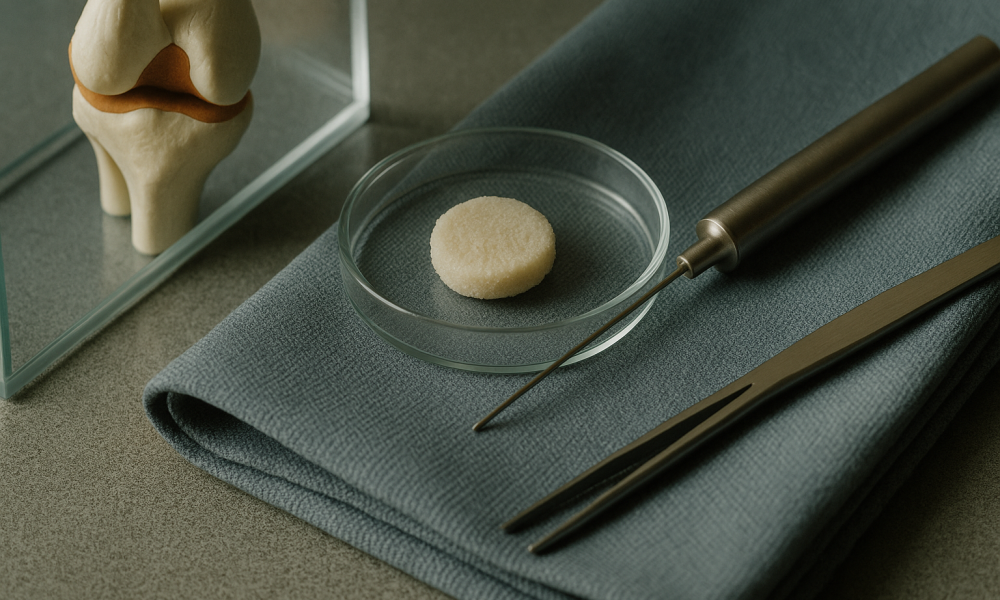
What Knee Cartilage Repair is and who it is for
Knee cartilage repair refers to a range of surgical procedures aimed at restoring the cartilage in the knee joint. Cartilage is a flexible connective tissue found in many areas of the body, including the joints, and plays a crucial role in providing a smooth surface for joint movement and acting as a cushion between bones. Damage to this cartilage can result from various factors such as injury, wear and tear, or degenerative diseases like osteoarthritis. When cartilage is damaged, it can lead to pain, swelling, and reduced mobility, significantly impacting quality of life.
There are several techniques for knee cartilage repair, including microfracture, autologous chondrocyte implantation (ACI), osteochondral autograft transplantation, and matrix-induced autologous chondrocyte implantation (MACI). Each approach has its indications and is chosen based on the extent and location of the cartilage damage, as well as the patient’s specific needs.
Microfracture is a minimally invasive procedure that involves creating tiny fractures in the underlying bone to stimulate the growth of new cartilage. ACI and MACI are more advanced procedures where cartilage cells are harvested from the patient, cultured in a laboratory, and then re-implanted into the damaged area. Osteochondral autograft transplantation involves transferring healthy cartilage from a non-weight-bearing area to the damaged site.
Knee cartilage repair is generally recommended for younger patients with localized cartilage damage who have not responded to conservative treatments such as physical therapy or medication. It can also be beneficial for athletes or active individuals looking to return to high levels of physical activity. The success of these procedures varies and is influenced by factors such as the size and location of the defect, the patient’s age, and their overall health.
Are you a good candidate?
Determining whether you are a suitable candidate for knee cartilage repair involves a comprehensive evaluation by an orthopaedic specialist. This evaluation typically includes a physical examination, imaging tests such as MRI or X-rays, and a review of your medical history. The goal is to assess the extent of the cartilage damage and to rule out other potential causes of knee pain.
- Age: Ideal candidates are generally younger adults, typically under 50, who are more likely to have focal cartilage defects rather than widespread degenerative changes.
- Activity Level: Active individuals, including athletes, who experience pain or limited function due to cartilage damage may benefit from repair procedures.
- Extent of Damage: Candidates typically have localized cartilage defects, as opposed to extensive arthritis, which may require different interventions such as knee replacement.
- Overall Health: Good overall health and the absence of significant medical conditions that could impair healing are crucial.
- Non-Smokers: Smoking can impair healing and negatively affect surgical outcomes, so non-smokers or those willing to quit are preferred candidates.
- Failure of Conservative Treatments: Those who have not found relief from non-surgical treatments like physical therapy, bracing, or injections may consider surgical repair.
It is important to have realistic expectations about the outcomes of knee cartilage repair. While many patients experience significant improvements in pain and function, results can vary, and full recovery may take several months. A thorough discussion with your surgeon about the potential benefits and risks, as well as a personalized treatment plan, is crucial for making an informed decision.
The procedure, step by step
Knee cartilage repair is a sophisticated procedure that aims to restore damaged cartilage in the knee joint. Understanding the step-by-step process can help demystify the treatment and set realistic expectations. Here is a detailed overview:
- Preoperative Consultation: Before surgery, patients undergo a comprehensive evaluation, including X-rays and MRI scans, to assess the extent of cartilage damage. The surgeon discusses the most suitable repair technique, which may include microfracture, autologous chondrocyte implantation (ACI), or osteochondral autograft transplantation (OAT).
- Anaesthesia: On the day of the procedure, patients are administered either general anaesthesia or regional anaesthesia, such as a spinal block. The choice depends on the patient’s health status and the surgeon’s recommendation.
- Arthroscopic Examination: The surgery typically begins with an arthroscopic examination. A small camera, the arthroscope, is inserted into the knee through a minor incision. This allows the surgeon to view the joint on a screen and confirm the precise location and severity of the cartilage damage.
- Cartilage Repair Technique: Depending on the chosen method, the surgeon proceeds with the repair. In a microfracture procedure, small holes are drilled into the bone under the damaged cartilage to stimulate new cartilage growth. For ACI, cartilage cells are harvested, cultured in a lab, and later re-implanted. In OAT, healthy cartilage is transplanted from a non-weight-bearing area of the joint.
- Closure and Dressing: Once the repair is complete, the incisions are closed with sutures or surgical tape. The knee is then dressed with a sterile bandage, and a brace may be applied to limit movement and aid healing.
- Postoperative Monitoring: Patients are taken to a recovery room for monitoring as the anaesthesia wears off. Vital signs are checked regularly to ensure stability, and pain management begins immediately.
This structured approach ensures that each aspect of the procedure is executed with precision, aiming for the best possible outcome in cartilage repair.
Recovery timeline
The recovery process following knee cartilage repair is crucial for the success of the procedure. The timeline can vary based on the specific technique used and individual patient factors, but here is a general guide:
| Period | What to expect | Care notes |
|---|---|---|
| Day 1-3 | Initial postoperative phase with swelling and discomfort. Patients may experience limited mobility. | Pain management is crucial. Use prescribed medications and apply ice packs to reduce swelling. Begin gentle range-of-motion exercises as advised. |
| Week 1-2 | Swelling begins to decrease. Gradual increase in knee movement. Use of crutches as weight-bearing is limited. | Attend follow-up appointments. Continue physiotherapy focusing on gentle exercises to maintain flexibility and strength. |
| Week 3-6 | Improved mobility and reduction in pain. Introduction of more intensive physiotherapy sessions. | Adhere to physiotherapy schedule. Avoid high-impact activities. Focus on strengthening exercises. |
| Month 2-3 | Significant improvement in knee function. Ability to perform daily activities with minimal discomfort. | Continue strengthening and flexibility exercises. Gradually reintroduce low-impact activities like cycling or swimming. |
| Month 4-6 | Near full recovery. Most patients can resume normal activities, though high-impact sports may still be restricted. | Regular check-ups to monitor progress. Incorporate balance and agility exercises into routine. |
| Month 6-12 | Full recovery for most patients, with the ability to engage in high-impact sports if cleared by a doctor. | Final assessment by the surgeon. Continue with a maintenance exercise programme to sustain knee health. |
Adherence to this recovery timeline and following medical advice is fundamental to achieving the best outcomes from knee cartilage repair surgery.
What it costs: Turkey vs the UK, Europe and North America
When considering knee cartilage repair, understanding the cost implications across different regions is crucial. Turkey has emerged as a popular destination for this procedure, primarily due to its competitive pricing and high-quality medical services. In this section, we provide a detailed comparison of indicative price ranges for knee cartilage repair in Turkey, the UK, Europe, and North America, and outline what these costs typically include.
It’s important to note that the figures provided are indicative and can vary based on the specific circumstances of each case, including the complexity of the procedure and the patient’s overall health condition.
| Region | Indicative Price Range (GBP) | Typical Package Inclusions |
|---|---|---|
| Turkey | £3,500 – £6,000 | Consultations, surgery, hospital stay (up to 3 days), post-operative care, airport transfers |
| UK | £8,000 – £15,000 | Consultations and surgery |
| Europe | £9,000 – £16,000 | Consultations, surgery, limited post-operative care |
| North America | £12,000 – £25,000 | Consultations, surgery, hospital stay, post-operative care |
As illustrated, Turkey offers a cost-effective solution without compromising on quality. The lower cost is largely attributed to the lower cost of living and operational costs in Turkey, compared to the UK, Europe, and North America. Additionally, many Turkish healthcare providers offer comprehensive packages that include not only the medical procedure itself but also ancillary services such as airport transfers and accommodation, which can significantly enhance the convenience and overall experience for international patients.
Patients should ensure they receive a detailed breakdown of what is included in the quoted price from their chosen provider to avoid any unexpected expenses. This transparency is a common practice among reputable clinics in Turkey, aiming to provide clarity and build trust with international patients.
Risks and how accredited providers manage them
Like any surgical procedure, knee cartilage repair comes with potential risks. However, understanding these risks and knowing how they are managed can provide reassurance to prospective patients. Accredited providers in Turkey adhere to stringent protocols to minimise these risks and ensure patient safety.
Common Risks:
- Infection: There is a risk of infection at the surgical site. Accredited clinics implement rigorous sterilisation processes and use advanced infection control measures to mitigate this risk.
- Blood Clots: Post-surgery, there is a risk of deep vein thrombosis. Patients are often prescribed blood thinners and encouraged to mobilise as soon as possible to reduce this risk.
- Stiffness and Limited Range of Motion: Post-operative rehabilitation is crucial to regain full movement, and physiotherapy is typically included in the treatment package to address this.
- Failure to Heal: In some cases, the cartilage repair may not heal as expected. Accredited providers use advanced imaging techniques to monitor healing progress and adjust treatment plans as necessary.
Accreditation and Standards:
Accredited healthcare providers in Turkey are often certified by international bodies such as the Joint Commission International (JCI). This accreditation signifies adherence to global standards of care, including patient safety, quality of care, and continuous improvement.
Pre-operative Assessment: To further mitigate risks, a thorough pre-operative assessment is conducted. This includes evaluating the patient’s medical history, current health status, and any potential risk factors that could impact the surgery or recovery.
Multidisciplinary Approach: Reputable clinics employ a multidisciplinary team approach, involving orthopaedic surgeons, anaesthetists, and physiotherapists, ensuring comprehensive care throughout the patient’s journey.
In summary, while knee cartilage repair carries inherent risks, choosing an accredited provider in Turkey can significantly mitigate these. Patients are encouraged to discuss potential risks and management strategies with their healthcare provider to make informed decisions about their care.
How to choose the right provider
When selecting a healthcare provider in Turkey for knee cartilage repair, it is crucial to ensure that the facility and professionals meet high standards of care. One of the first elements to consider is accreditation. Look for hospitals accredited by international bodies such as the Joint Commission International (JCI) or the International Organization for Standardization (ISO). Such accreditations indicate that the hospital adheres to rigorous international healthcare standards.
Next, consider the experience and credentials of the surgeon. Ideally, the surgeon should have extensive experience in performing knee cartilage repair surgeries, with a proven track record of successful outcomes. It is advisable to inquire about the surgeon’s specific training in orthopaedics and their membership in professional bodies like the European Federation of National Associations of Orthopaedics and Traumatology (EFORT).
Aftercare is another critical factor. Effective recovery from knee cartilage repair involves comprehensive post-operative care, including physiotherapy and regular follow-up consultations. Ensure that the provider offers a clear aftercare programme, with details on the frequency of check-ups and the availability of physiotherapy services. Additionally, confirm whether the hospital has a dedicated team for international patients to facilitate communication and logistical arrangements.
Be aware of red flags that might indicate substandard care. These include a lack of clear information about the qualifications of medical staff, the absence of international accreditations, or aggressive marketing tactics that promise guaranteed results. Be cautious of providers who offer significantly lower prices than the typical range of £3,500 to £7,000, as this may compromise the quality of care.
Finally, consider seeking recommendations from past patients or independent reviews online. Personal testimonials can offer insights into the patient experience and the quality of care received. By thoroughly researching and selecting a reputable provider, you can maximise the likelihood of a successful outcome and a positive treatment experience.
Planning your trip
Proper planning is essential for a smooth and successful medical trip to Turkey for knee cartilage repair. Start by establishing a timeline for your treatment. It is advisable to begin consultations with your chosen healthcare provider at least three months before your intended travel date. This allows ample time for scheduling, obtaining necessary medical evaluations, and making travel arrangements.
Ensure you have all the required documents. These typically include your passport, medical records, any previous imaging studies (such as MRI or X-rays), and a letter from your local GP or orthopaedic specialist outlining your medical history and current condition. Check if a visa is required for your nationality to enter Turkey and apply well in advance if necessary.
Plan for the length of stay in Turkey based on the complexity of your procedure and the recommended recovery period. Generally, a stay of one to two weeks is advised, allowing for pre-operative assessments, surgical recovery, and initial post-operative care. Confirm with your healthcare provider how long you should stay to ensure a safe recovery before travelling back home.
Follow-up care at home is crucial for successful rehabilitation. Before you leave Turkey, ensure you have a detailed aftercare plan, including a timeline for physiotherapy and follow-up consultations. Arrange for a local physiotherapist or orthopaedic specialist to oversee your recovery once you return home. Your Turkish healthcare provider should provide a comprehensive report and recommendations for your local healthcare professionals.
Additionally, consider practical aspects such as accommodation and transport. Many medical tourists opt for accommodations near their treatment facility for convenience. Some hospitals offer packages that include airport transfers and hotel stays, which can simplify logistics. Finally, ensure you have adequate travel insurance that covers medical procedures abroad and any potential complications.
Frequently Asked Questions
What is the typical cost of knee cartilage repair in Turkey?
The cost of knee cartilage repair in Turkey typically ranges from £3,500 to £7,000. This range is indicative and can vary depending on the specific hospital, the experience of the surgeon, and the complexity of the procedure. It is advisable to obtain a detailed quotation from your chosen provider, including all potential additional costs such as post-operative care and physiotherapy.
How do I ensure the safety of the procedure in Turkey?
Ensuring the safety of your procedure involves choosing a reputable healthcare provider accredited by international organisations like JCI or ISO. Verify the surgeon's credentials, and make sure they have experience in knee cartilage repair. Look for hospitals with dedicated international patient departments that offer comprehensive aftercare plans. Avoid facilities that promise guaranteed outcomes or offer prices significantly below the typical range, as these can be red flags.
What documents do I need to bring for my treatment?
You should bring your passport, medical records, and any previous imaging studies such as MRI or X-rays. A letter from your local GP or orthopaedic specialist detailing your medical history and current condition is also important. Check visa requirements for Turkey based on your nationality, and ensure you apply in advance if necessary. Having these documents ready will facilitate a smoother treatment process.
How long will I need to stay in Turkey for the procedure?
The recommended stay in Turkey for knee cartilage repair is typically one to two weeks. This duration allows for pre-operative assessments, the surgical procedure, initial recovery, and post-operative care. The exact length of stay may vary depending on your specific medical needs and the advice of your healthcare provider. Confirm the recommended duration with your chosen hospital to ensure a safe recovery before returning home.
What type of aftercare will I need post-surgery?
After knee cartilage repair, you will require a comprehensive aftercare plan that includes physiotherapy and follow-up consultations. Your healthcare provider in Turkey should provide a detailed report and recommendations for your local healthcare professionals to oversee your ongoing recovery. Regular physiotherapy sessions are crucial to restore function and strength to the knee, and follow-up consultations will help monitor your progress.
Is physiotherapy included in the treatment package?
Some treatment packages may include initial physiotherapy sessions, while others might charge separately. It is essential to clarify this with your healthcare provider before proceeding. Physiotherapy is a critical component of your recovery, and ensuring it is part of your care plan will help optimise your rehabilitation and long-term outcomes.
Can I choose my surgeon for the procedure?
Many hospitals in Turkey allow patients to select their surgeon, particularly if they have specific preferences or recommendations. It is important to verify the surgeon's credentials, experience, and success rate with knee cartilage repair. Discuss your options with the hospital's international patient department to make an informed decision about your surgical team.
What should I pack for my medical trip to Turkey?
Pack comfortable clothing suitable for recovery, as well as any personal items you may need during your stay. Include your medical documents, travel insurance details, and any prescribed medications. It is also wise to bring a small amount of local currency for incidental expenses, although credit and debit cards are widely accepted in most areas.
Will language be a barrier during my treatment in Turkey?
Language is generally not a barrier, as many hospitals catering to international patients have English-speaking staff and provide translation services if needed. Confirm with your healthcare provider that they offer language support to ensure clear communication throughout your treatment and recovery process.
How do I arrange follow-up care when I return home?
Before leaving Turkey, ensure you have a detailed aftercare plan from your healthcare provider. Arrange for a local physiotherapist or orthopaedic specialist to oversee your recovery. Your Turkish provider should provide a report with recommendations for your local healthcare professionals. This will help ensure continuity of care and support your rehabilitation at home.
Are there any risks associated with flying after knee cartilage repair?
Flying soon after surgery carries certain risks, such as deep vein thrombosis (DVT). It is crucial to follow your surgeon's advice regarding the timing of your return flight. Typically, patients are advised to wait at least one to two weeks before flying, depending on their recovery progress. Taking precautions such as wearing compression stockings and staying hydrated can help mitigate risks during travel.
How do I verify the accreditation of a Turkish hospital?
You can verify the accreditation of a Turkish hospital by checking their website for information about international certifications such as JCI or ISO. These accreditations are often prominently displayed. Additionally, you can contact the accrediting body directly or request confirmation from the hospital's international patient department to ensure their credentials are current and valid.