
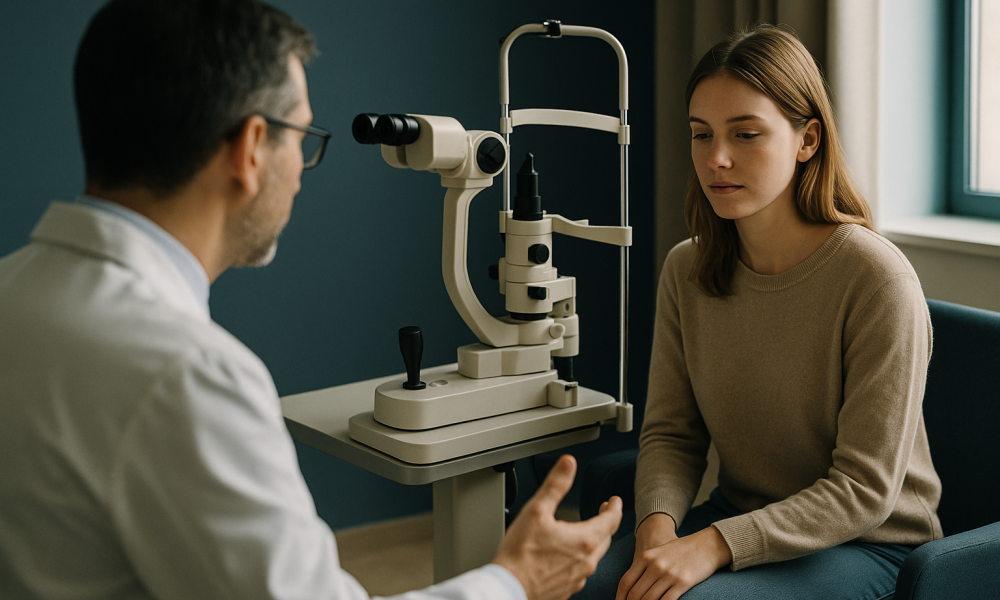
What LASIK Eye Surgery is and who it is for
LASIK, or Laser-Assisted In Situ Keratomileusis, is a popular form of refractive eye surgery used to correct vision issues such as myopia (nearsightedness), hyperopia (farsightedness), and astigmatism. This procedure reshapes the cornea, the transparent front part of the eye, to improve the way light is focused onto the retina, resulting in clearer vision. LASIK is known for its precision and quick recovery time, making it a preferred choice for individuals seeking to reduce or eliminate their dependence on glasses or contact lenses.
During the procedure, a specialised laser is used to create a thin flap in the cornea. This flap is lifted, and another laser is employed to reshape the underlying corneal tissue. The flap is then repositioned, acting as a natural bandage. The surgery typically takes about 10 to 15 minutes for both eyes, and most patients experience little to no discomfort.
LASIK is suitable for adults over the age of 18 whose vision has been stable for at least one year. The procedure is generally recommended for those with mild to moderate refractive errors. However, it is not suitable for individuals with certain medical conditions such as severe dry eyes, thin corneas, or active eye infections. Additionally, those with significant changes in vision prescription over the previous year may need to wait until their vision stabilises.
Turkey has become a popular destination for LASIK surgery due to its combination of experienced ophthalmologists, state-of-the-art technology, and competitive pricing. The typical cost of LASIK in Turkey ranges from £1,000 to £2,000, which is considerably more affordable compared to many Western countries. Patients are advised to thoroughly research clinics and ensure that they are accredited and staffed by qualified professionals.
Are you a good candidate?
Determining whether you are a good candidate for LASIK eye surgery involves a comprehensive eye examination and consultation with an experienced ophthalmologist. This evaluation assesses not only your current vision prescription but also the overall health and structure of your eyes. Here are some criteria that might indicate you are a suitable candidate for LASIK:
- Age: You should be at least 18 years old, as the eyes continue to develop and prescriptions can change in younger individuals.
- Stable Vision: Your prescription should have been stable for at least one year, ensuring that your vision has ceased fluctuating.
- Corneal Thickness: Sufficient corneal thickness is necessary to create a flap and perform the reshaping process safely.
- Overall Eye Health: Your eyes should be free from diseases such as cataracts, glaucoma, or significant dry eyes.
- General Health: Good general health is essential, and conditions such as diabetes should be well-managed to prevent complications.
- Realistic Expectations: Understanding that while LASIK can significantly improve vision, it may not always result in perfect vision and the potential need for glasses or contact lenses in the future should be acknowledged.
It is crucial to discuss any underlying health conditions or medications with your doctor, as these can affect healing and outcomes. Pregnant or nursing women are typically advised to postpone surgery due to hormone changes that can affect vision. In conclusion, a thorough evaluation by a qualified ophthalmologist is essential to determine your suitability for LASIK and to discuss potential risks and benefits tailored to your specific situation.
The procedure, step by step
LASIK, or Laser-Assisted In Situ Keratomileusis, is a popular surgical procedure to correct vision problems such as myopia, hyperopia, and astigmatism. Understanding each step of the procedure can help alleviate any concerns and prepare patients for what to expect on the day of surgery. Here is a detailed breakdown:
- Initial Consultation: Before the surgery, patients undergo a comprehensive eye examination to determine their suitability for LASIK. This includes measuring corneal thickness, pupil size, and refractive errors. The ophthalmologist will discuss expectations, potential risks, and post-operative care.
- Pre-operative Preparation: On the day of the surgery, patients should refrain from wearing makeup, lotions, or perfumes. The eyes are numbed with anaesthetic eye drops, and the patient may receive medication to help them relax.
- Creating the Corneal Flap: The procedure begins with the creation of a thin flap in the cornea. This is typically done using a microkeratome or a femtosecond laser. The flap is lifted gently to expose the underlying corneal tissue.
- Laser Reshaping: An excimer laser is then used to reshape the corneal stroma. The laser removes microscopic amounts of tissue based on the pre-determined measurements from the initial consultation. This step usually takes less than a minute per eye and is crucial for correcting vision.
- Repositioning the Flap: After the cornea is reshaped, the flap is carefully repositioned onto the corneal surface. It naturally adheres without the need for stitches, aided by the natural suction of the eye.
- Post-operative Assessment: Once the flap is secured, the surgeon will examine the eye to ensure the flap is in the correct position. Protective shields may be placed over the eyes to prevent accidental rubbing or pressure.
- Immediate Recovery: Patients are usually allowed to go home shortly after the procedure, with specific care instructions. It’s crucial to have someone accompany the patient, as their vision may be blurry immediately after surgery.
While the procedure itself is relatively quick—often completed within 30 minutes for both eyes—it’s essential to approach each step with the care and attention to detail that will ensure the best possible outcome.
Recovery timeline
Post-operative recovery for LASIK eye surgery is generally swift, but it varies from person to person. The following table outlines what patients can typically expect during the recovery process, including care notes for each period:
| Period | What to expect | Care notes |
|---|---|---|
| Day 1 | Vision may be blurry or hazy. Patients might experience mild discomfort, tearing, or a sensation of something in the eye. | Rest is crucial. Avoid rubbing eyes. Use prescribed antibiotic and anti-inflammatory eye drops. Wear protective eye shields, especially during sleep. |
| Days 2-3 | Vision begins to stabilize, though fluctuations are normal. Sensitivity to light may occur. | Continue using prescribed eye drops. Wear sunglasses outdoors to protect against UV light. Avoid strenuous activities and swimming. |
| Week 1 | Improved vision clarity is typical, but some halos or glare may persist, especially at night. | Attend follow-up appointment with your surgeon. Keep up with the medication regimen and avoid eye makeup or creams near the eyes. |
| Month 1 | Most patients achieve significant vision improvement. Minor fluctuations may still occur. | Resume normal activities but continue to protect eyes from dust and water. Consult your doctor before resuming contact sports. |
| Month 3 | Vision should be stable, with any residual side effects diminishing. | Attend scheduled follow-up visits. If any unusual symptoms occur, contact your ophthalmologist promptly. |
| Full Recovery | Typically within 3-6 months, vision stabilises, and patients can enjoy corrected vision without the need for glasses or contact lenses. | Maintain regular eye check-ups to ensure long-term eye health. Discuss any concerns with your eye care provider. |
Adhering to the care instructions provided by your surgeon is crucial for a smooth recovery. While the recovery process is generally straightforward, individual experiences may vary, and it’s important to communicate any concerns with your healthcare provider.
What it costs: Turkey vs the UK, Europe and North America
When considering LASIK eye surgery abroad, cost is a significant factor for many patients. Turkey has become a popular destination for LASIK due to its competitive pricing and high-quality care. It is crucial to understand the typical costs involved and how they compare to prices in the UK, Europe, and North America.
Below is a comparative table of indicative price ranges for LASIK eye surgery in these regions. Note that these figures are indicative and can vary based on the specific clinic, surgeon experience, technology used, and any additional services included.
| Region | Indicative Price Range (per eye) | Typical Package Inclusions |
|---|---|---|
| Turkey | £1,000 – £1,500 | Initial consultation, LASIK procedure, postoperative care, accommodation, and airport transfers |
| UK | £1,500 – £2,500 | Initial consultation, LASIK procedure, and postoperative care |
| Europe | €1,800 – €3,000 | Initial consultation, LASIK procedure, and postoperative care |
| North America | $2,000 – $4,000 | Initial consultation, LASIK procedure, and postoperative care |
In Turkey, the cost advantage often extends beyond the surgery itself. Many clinics offer comprehensive packages that cover not only the medical aspects of the procedure but also logistical support such as accommodation and transportation. This can make the overall experience more convenient and cost-effective for international patients.
In contrast, prices in the UK, Europe, and North America tend to be higher and may not include additional services, which can add to the overall cost. Patients considering LASIK in these regions should factor in potential extra expenses for travel and accommodation if they are not local to the clinic.
Ultimately, while cost is an important consideration, it should be weighed alongside factors such as the reputation of the clinic, the qualifications and experience of the surgeons, and the level of aftercare provided. Patients are encouraged to thoroughly research and compare multiple options before making a decision.
Risks and how accredited providers manage them
Like any surgical procedure, LASIK eye surgery carries certain risks, though it is generally considered safe and effective when performed by experienced professionals. Understanding these risks and how accredited providers in Turkey manage them can help patients make informed decisions.
Common risks associated with LASIK include:
- Dry Eyes: Many patients experience temporary dry eyes post-surgery. Accredited providers often prescribe lubricating eye drops and recommend follow-up visits to monitor the condition.
- Visual Disturbances: Some patients report seeing glare, halos, or double vision, especially at night. Clinics typically conduct thorough pre-operative assessments to minimise these risks and tailor the procedure to individual eye conditions.
- Undercorrection or Overcorrection: While rare, there is a possibility that vision may not be fully corrected. Accredited surgeons in Turkey use advanced technology to ensure precise outcomes and may offer enhancement procedures if necessary.
- Flap Complications: The creation of the corneal flap is a critical step, and complications can occur. However, experienced surgeons reduce this risk by using state-of-the-art laser technology that allows for precise flap creation.
Accredited providers in Turkey adhere to rigorous international standards and employ highly qualified ophthalmologists with extensive experience in performing LASIK. They often utilise the latest laser technologies, such as femtosecond lasers, which enhance the precision and safety of the procedure.
Moreover, these clinics typically conduct comprehensive pre-operative evaluations to determine each patient’s suitability for LASIK, thereby minimising the likelihood of complications. This includes a detailed examination of the eye’s anatomy, corneal thickness, and overall eye health.
Post-operative care is another critical component of risk management. Accredited clinics in Turkey provide robust aftercare programmes that include scheduled follow-up visits to monitor healing and address any complications promptly. Patients are often given detailed instructions on how to care for their eyes post-surgery to promote optimal recovery.
While the risks associated with LASIK are generally low, it is essential for patients to discuss potential risks and outcomes with their chosen provider. By selecting an accredited clinic with a strong track record, patients can significantly enhance their chances of a successful and safe LASIK experience.
How to choose the right provider
When selecting a LASIK provider in Turkey, several critical factors should be considered to ensure a safe and successful procedure. Accreditation is a key indicator of a clinic’s adherence to international standards. Look for facilities that are accredited by bodies such as the Joint Commission International (JCI) or the International Organization for Standardization (ISO). These accreditations demonstrate compliance with rigorous safety and quality standards.
Surgeon experience is another crucial consideration. A seasoned surgeon with a substantial number of successful LASIK procedures instills confidence. It is advisable to inquire about the surgeon’s specific training in refractive surgery and their track record, including complication rates and patient satisfaction scores. Additionally, consider whether the surgeon is a member of reputable professional organisations, such as the European Society of Cataract and Refractive Surgeons (ESCRS).
Aftercare is an essential part of the LASIK journey, as it can significantly influence the outcome and recovery process. A reliable provider will offer a comprehensive aftercare plan, including post-operative check-ups and access to support in case of complications. Ensure the clinic provides detailed instructions and has a clear protocol for addressing any issues that may arise after the surgery.
Be vigilant about red flags that may indicate subpar providers. Beware of clinics that offer prices significantly lower than the typical range of £1,200 to £2,500 per eye, as this may reflect compromised quality. Avoid providers who guarantee specific outcomes, as LASIK results can vary. Also, be cautious of clinics that pressure you into making quick decisions or do not provide comprehensive answers to your questions.
Planning your trip
Proper planning is essential for a smooth LASIK experience in Turkey. Begin by scheduling your initial consultation approximately three months before your intended travel date. This timeline allows ample time for pre-operative assessments and any necessary adjustments to your travel plans. Ensure your passport is valid for at least six months beyond your planned return date, as this is a common requirement for international travel.
Check if you require a visa to enter Turkey, as UK and EU citizens can typically obtain an e-visa online, while North American citizens may have different requirements. It’s advisable to have a comprehensive travel insurance policy that covers medical procedures abroad, including any unforeseen complications.
Your stay in Turkey should ideally be planned for a minimum of one week. This duration accommodates both the surgery and follow-up appointments. Most patients can fly home within a few days post-surgery, but staying longer ensures adequate recovery time and the opportunity for an additional post-operative check-up. The recommended follow-up schedule often includes an appointment the day after surgery, another within the week, and further assessments at one month and three months post-operatively.
After returning home, arrange for follow-up care with an ophthalmologist familiar with LASIK. They can monitor your progress and address any concerns. Keep in mind that while the initial recovery is swift, full visual stabilization may take several weeks. It’s essential to follow all post-operative care instructions provided by your surgeon to achieve the best outcomes.
Frequently Asked Questions
How much does LASIK surgery typically cost in Turkey?
The cost of LASIK surgery in Turkey typically ranges from £1,200 to £2,500 per eye. This range depends on various factors such as the complexity of your prescription, the technology used, and the specific clinic. It's important to consider that while lower prices can be attractive, they should not come at the expense of quality and safety. Always ensure that the clinic is accredited and the surgeon is experienced.
Are there any hidden costs I should be aware of?
When budgeting for LASIK in Turkey, it's crucial to inquire about what is included in the quoted price. Some clinics may offer package deals that encompass pre-operative assessments, the surgery itself, and post-operative care. However, additional costs could arise from medications, travel insurance, or extra nights of accommodation if required for recovery. Always ask for a detailed breakdown of costs to avoid surprises.
Is LASIK surgery safe?
LASIK is generally considered safe, with a high success rate when performed by experienced surgeons in accredited facilities. However, as with any surgery, there are potential risks and complications, such as dry eyes or visual disturbances. To minimise these risks, choose a reputable clinic with a thorough pre-operative assessment process to determine your suitability for the procedure. Discuss any concerns with your surgeon before proceeding.
How long does the LASIK procedure take?
The actual LASIK procedure is quite brief, typically taking about 10 to 15 minutes per eye. However, you should expect to spend several hours at the clinic on the day of your surgery for preparation and immediate post-operative care. This includes time for a final eye examination, consultation with the surgeon, and a short recovery period before being discharged.
What should I bring with me to Turkey for the surgery?
When travelling to Turkey for LASIK surgery, ensure you bring all necessary documentation, including your passport, visa (if required), and any pre-arranged medical records or referrals. Comfortable clothing, sunglasses to protect your eyes post-surgery, and any prescribed medications are also important. Additionally, consider bringing a companion to assist you during your recovery period.
How soon can I travel after LASIK surgery?
Most patients can travel within a few days after LASIK surgery, but it is generally recommended to stay in Turkey for at least a week. This allows time for initial recovery and follow-up appointments. Your surgeon will provide specific advice based on your individual case, including any restrictions on flying or engaging in certain activities immediately post-surgery.
Will I need follow-up care after returning home?
Yes, follow-up care is crucial after LASIK to monitor your healing and visual outcomes. Arrange for appointments with an ophthalmologist familiar with LASIK procedures once you return home. These visits typically occur at one month, three months, and six months post-surgery. Regular follow-up helps ensure any complications are identified and managed promptly.
What if I experience complications while still in Turkey?
If complications arise while you are still in Turkey, contact your clinic immediately, as they should have procedures in place for such situations. Accredited clinics will provide support and may arrange additional consultations or treatments as needed. Ensure you have access to emergency contact numbers for your clinic and understand their protocol for addressing post-operative issues.
Can I wear contact lenses before the surgery?
It's generally advised to stop wearing contact lenses at least one to two weeks before your pre-operative assessment and surgery. Contact lenses can alter the shape of your cornea and affect the accuracy of measurements taken during your assessment. Your surgeon will provide specific guidance based on the type of lenses you wear.
How long does it take to recover from LASIK?
Initial recovery from LASIK is quick, with many patients experiencing improved vision within 24 to 48 hours. However, full visual stabilisation can take a few weeks. During this period, it's important to follow all post-operative care instructions, attend scheduled follow-up appointments, and avoid activities that could strain your eyes or hinder healing.
What activities should I avoid after the surgery?
Post-LASIK, avoid strenuous activities, swimming, and exposure to dust or smoke for at least a week to prevent infection and irritation. It's also advisable to limit screen time and protect your eyes from direct sunlight with sunglasses. Your surgeon will provide a detailed list of activities to avoid and for how long, tailored to your recovery progress.
Is LASIK permanent, or will I need glasses again?
LASIK is designed to offer long-lasting vision correction, but it does not prevent age-related changes in vision, such as presbyopia. While many patients enjoy years of improved vision post-LASIK, some may require reading glasses or additional corrective procedures as they age. A thorough pre-operative assessment will help set realistic expectations for your individual case.