
What Liposuction is and who it is for
Liposuction, also known as lipoplasty or suction-assisted lipectomy, is a cosmetic surgical procedure aimed at removing excess fat deposits from specific areas of the body. It is one of the most popular cosmetic procedures globally, including in Turkey, where it is performed by skilled surgeons using advanced techniques. The procedure is typically sought by individuals who have stubborn fat pockets that do not respond to diet and exercise. Liposuction is not a weight-loss solution but rather a body-contouring technique that helps to reshape areas such as the abdomen, thighs, buttocks, arms, neck, and back.
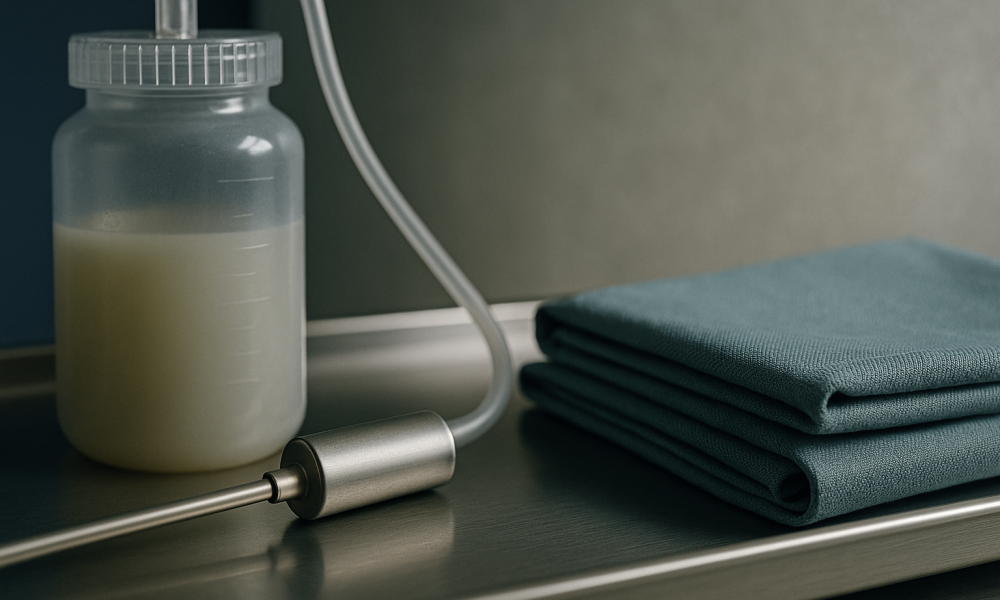
The procedure involves the use of a cannula, a thin tube, which is inserted through small incisions in the skin. The cannula is then used to loosen excess fat, which is subsequently suctioned out of the body. There are various methods of liposuction, including tumescent liposuction, ultrasonic-assisted liposuction (UAL), and laser-assisted liposuction (LAL). The choice of technique depends on the specific needs of the patient and the surgeon’s expertise.
Liposuction in Turkey is particularly appealing to international patients due to the country’s reputation for high-quality medical care, experienced surgeons, and cost-effective pricing. The procedure can typically cost between £1,500 and £3,000 in Turkey, which is significantly lower than in many Western countries. However, it is essential for patients to understand that the final cost can vary based on the extent of the procedure, the chosen clinic, and the surgeon’s fees.
It is crucial for potential candidates to have realistic expectations about the outcomes of liposuction. While the procedure can enhance body contour and improve self-esteem, it does not prevent future weight gain or completely eliminate cellulite or stretch marks. Post-operative care, including wearing compression garments and following a healthy lifestyle, plays a vital role in maintaining the results.
Are you a good candidate?
Determining whether you are a good candidate for liposuction involves a careful assessment of your health, expectations, and specific goals. The ideal candidates for liposuction are individuals who are in good general health, have a stable body weight, and possess firm, elastic skin. It is important to note that liposuction is not a treatment for obesity or a substitute for proper diet and exercise.
Here is a checklist to help assess your suitability for liposuction:
- You are within 30% of your ideal weight.
- You have firm, elastic skin and good muscle tone.
- You do not have a serious illness or medical conditions that can impair healing.
- You are a non-smoker or are willing to quit smoking for a period before and after the surgery.
- You have realistic expectations and a positive outlook on body contouring.
- Your primary concern is not weight loss, but the reduction of localized fat deposits.
- You understand the risks and potential complications associated with the procedure.
Before proceeding with liposuction, it is essential to consult with a qualified plastic surgeon who can evaluate your individual case and discuss the best approach for achieving your desired results. The surgeon will conduct a thorough examination and may request medical tests to ensure you are fit for surgery. Additionally, you will have the opportunity to discuss your goals and any concerns you may have regarding the procedure.
It is also important to consider the recovery process and the commitment required to achieve optimal results. Following the surgeon’s post-operative instructions, such as wearing compression garments and avoiding strenuous activities, is crucial for a smooth recovery and satisfactory outcome.
The procedure, step by step
Liposuction is a surgical procedure aimed at removing excess fat deposits from specific areas of the body. In Turkey, the process is meticulously planned and executed to ensure optimal results and patient safety. Here is a step-by-step guide to what you can expect during your liposuction procedure:
- Initial Consultation: Before the surgery, you will have a detailed consultation with your surgeon. This involves discussing your medical history, expectations, and any concerns you might have. The surgeon will assess the areas you wish to have treated and may take photographs for medical records.
- Pre-operative Assessments: You may need to undergo blood tests and other assessments to ensure you are fit for surgery. This is also the time to discuss any medications you are taking, as some may need to be adjusted or paused.
- Anaesthesia: On the day of the surgery, you will be administered anaesthesia. This could be local anaesthesia with sedation or general anaesthesia, depending on the extent of the procedure and your surgeon’s recommendation. The goal is to ensure you are comfortable and pain-free.
- Marking the Target Areas: Once anaesthetised, the surgeon will mark the areas to be treated. These markings guide the procedure to ensure precision and symmetry.
- Incision and Tumescent Solution: Small incisions are made near the target areas. A tumescent solution, which contains a mixture of saline, anaesthetic, and epinephrine, is injected to help numb the area, reduce bleeding, and make fat removal easier.
- Fat Removal: The surgeon inserts a thin tube called a cannula through the incisions. This cannula is attached to a vacuum that suctions out the fat. The surgeon moves the cannula back and forth in a controlled manner to break up and remove the fat deposits.
- Closing the Incisions: After the desired amount of fat has been removed, the incisions are either closed with stitches or left open to drain excess fluid. In some cases, small tubes may be temporarily placed to facilitate drainage.
- Compression Garments: You will be fitted with compression garments over the treated areas. These garments help reduce swelling, provide support, and shape the body as it heals.
- Post-operative Care: After the procedure, you will be moved to a recovery area where you will be monitored as you wake up. You may be allowed to go home the same day or stay overnight, depending on the extent of the surgery and your recovery progress.
It is important to follow all pre-operative and post-operative instructions provided by your healthcare team to ensure the best possible outcome.
Recovery timeline
The recovery process following liposuction in Turkey is an essential aspect of achieving the desired results. Understanding the timeline and what to expect can help you prepare for the post-operative phase. Here is a detailed recovery timeline:
| Period | What to expect | Care notes |
|---|---|---|
| Day 1 | Immediately after surgery, you may experience swelling, bruising, and discomfort in the treated areas. You will likely feel groggy from the anaesthesia. | Rest is crucial. Take prescribed pain medications as directed. Keep compression garments on as instructed. |
| Days 2-3 | Swelling and bruising may increase. Some fluid drainage from the incision sites is normal. | Continue wearing compression garments. Avoid strenuous activities. Short, gentle walks can aid circulation. |
| Week 1 | Bruising should begin to fade, but swelling may persist. You might begin to see initial results. | Attend follow-up appointments. Maintain a balanced diet to aid healing. Stay hydrated. |
| Weeks 2-3 | Swelling gradually decreases. Most patients can return to work and resume light activities. | Keep wearing compression garments. Avoid heavy lifting and vigorous exercise. |
| Month 1 | Significant reduction in swelling. Bruising should be mostly gone. Results become more apparent. | Consult your surgeon before reintroducing more intense physical activities. Continue with follow-up visits. |
| Months 2-3 | Continued improvement in contour and texture of treated areas. Final results start to emerge. | Maintain a healthy lifestyle to preserve results. Follow any additional care advice from your surgeon. |
| Full recovery | Typically by month 6, full recovery is achieved, and final results are visible. | Continue regular check-ups as advised. Any lingering concerns should be discussed with your healthcare provider. |
Remember, individual recovery times can vary based on factors like the extent of the procedure and your body’s natural healing process. Following your surgeon’s advice is paramount for a smooth recovery.
5. What it costs: Turkey vs Australia
When considering liposuction, cost is a significant factor for many patients. The typical cost of liposuction in Turkey is often cited as one of the primary reasons for its popularity among international patients. However, it’s essential to understand that these costs can vary widely based on several factors, including the extent of the procedure, the specific areas being treated, and the experience of the surgeon.
Below is a comparison of indicative price ranges for liposuction in Turkey and Australia:
| Country | Indicative Price Range (AUD) | Typical Package Inclusions |
|---|---|---|
| Turkey | $3,000 – $6,000 | Consultation, surgery, anaesthesia, post-operative care, accommodation, airport transfers |
| Australia | $6,000 – $12,000 | Consultation, surgery, anaesthesia, basic post-operative care |
It’s important to note that these figures are indicative and can vary based on the specifics of the procedure and the reputation of the clinic. In Turkey, packages often include not only the surgical procedure itself but also post-operative care, accommodation, and even airport transfers, which can offer significant convenience and value to international patients. In contrast, Australian clinics might not offer such comprehensive packages, potentially leading to additional costs for accommodation and transport.
While the lower costs in Turkey are attractive, it is crucial to ensure that the chosen clinic maintains high standards of care. Accreditation by international healthcare organisations, such as the Joint Commission International (JCI), can be a good indicator of quality and safety standards.
6. Risks and how accredited providers manage them
Liposuction, like any surgical procedure, carries certain risks. These can include infection, bleeding, adverse reactions to anaesthesia, and asymmetry or irregular contours. Understanding these risks is essential for making an informed decision.
Accredited providers in Turkey, particularly those recognised by international bodies like the Joint Commission International (JCI), take rigorous steps to mitigate these risks. Here are some of the measures they typically employ:
- Pre-operative Assessment: A thorough pre-operative assessment is conducted to ensure that patients are suitable candidates for liposuction. This includes a detailed medical history review and necessary blood tests to identify any potential risk factors.
- Experienced Surgeons: Accredited clinics employ highly experienced and qualified surgeons. Many have trained internationally and adhere to the highest standards of surgical practice.
- State-of-the-art Facilities: These clinics are equipped with modern technology and facilities that meet international healthcare standards, ensuring that all procedures are performed in a safe environment.
- Infection Control: Strict infection control measures are implemented, including sterilisation protocols and the use of disposable instruments where appropriate, to minimise the risk of infection.
- Post-operative Care: Comprehensive post-operative care is a hallmark of accredited providers. This includes regular follow-up appointments to monitor recovery and address any complications promptly.
- Patient Education: Accredited clinics focus on educating patients about the procedure and recovery process, ensuring they understand the importance of following post-operative instructions to reduce risks.
While no surgical procedure is without risk, choosing an accredited provider can significantly enhance the safety and success of liposuction. By prioritising clinics with robust accreditation and a track record of successful procedures, patients can feel more confident in their decision to undergo treatment in Turkey.
Ultimately, the key to a successful outcome lies in open communication with your healthcare provider, understanding the potential risks, and adhering to all pre- and post-operative instructions. By doing so, patients can minimise risks and achieve the desired aesthetic results.
7. How to choose the right provider
Choosing the right provider for liposuction in Turkey is a critical decision that requires careful consideration of several factors. Accreditation is a strong indicator of quality and safety standards. Look for clinics that have international accreditations from bodies such as the Joint Commission International (JCI) or the International Organization for Standardization (ISO). These accreditations ensure that the clinic adheres to rigorous healthcare quality standards.
Another crucial factor is the experience and qualifications of the surgeon. Research the surgeon’s background thoroughly: their education, years of practice, and specific experience in performing liposuction. Ideally, the surgeon should be a member of recognised international or local surgical societies, which often require adherence to certain professional and ethical standards. Do not hesitate to request before-and-after photos of previous patients or to ask for patient testimonials.
Aftercare is an essential component of the liposuction process. Ensure that the clinic offers comprehensive post-operative care, including regular follow-up appointments and access to medical support during your recovery period. Some clinics provide detailed aftercare packages that may include lymphatic drainage massages, compression garments, and dietary guidance, which are beneficial for optimal recovery.
Be vigilant about red flags that may indicate a less reputable provider. Avoid clinics that guarantee unrealistic results or offer significantly lower prices than the typical range, which in Turkey is generally between £1,200 to £3,500, depending on the extent of the procedure. Additionally, if a clinic pressures you into making a quick decision or asks for full payment upfront without a detailed treatment plan, consider this a warning sign.
Finally, communication is key. Choose a provider that offers clear and open communication, ideally in your preferred language. This ensures you can discuss your expectations, ask questions, and receive understandable answers. A transparent provider will willingly discuss all aspects of the procedure, including potential risks and complications, without downplaying them.
8. Planning your trip
Planning your trip for liposuction in Turkey involves several logistical considerations to ensure a smooth experience. Begin by establishing a timeline for your travel, typically at least 6-8 weeks in advance. This allows ample time for consultations, securing travel documents, and arranging accommodations.
Ensure your passport is valid for at least six months beyond your planned return date. Australian citizens can generally enter Turkey with an e-Visa, which can be applied for online. It is advisable to have all documents, including medical records and any correspondence with the clinic, printed and easily accessible during your travel.
The length of stay in Turkey for liposuction varies based on the complexity of the procedure and your recovery needs. On average, plan to stay for 7-10 days. This duration typically includes pre-operative consultations, the procedure itself, and initial post-operative recovery. During your stay, it is beneficial to have a companion for support, especially during the initial recovery days.
Accommodations should be chosen with recovery in mind. Look for hotels or rental properties that offer comfort and accessibility. Some clinics provide package deals that include accommodation, which can simplify logistics. However, ensure that any package deal is transparent about what is included and does not compromise the quality of care.
Upon returning home, follow-up care is crucial. Discuss with your provider in Turkey about the possibility of remote consultations via video calls for follow-up assessments. Additionally, arrange for a local healthcare provider in Australia to assist with any immediate post-operative concerns and to provide ongoing care as needed. This dual approach ensures continuity of care and addresses any complications promptly.
Frequently Asked Questions
What is the typical cost of liposuction in Turkey?
The cost of liposuction in Turkey can vary widely depending on the extent of the procedure and the clinic's location and reputation. Typically, prices range from £1,200 to £3,500. This range is indicative and may not include additional costs such as aftercare, medications, and travel expenses. Always verify what is included in the quoted price to avoid unexpected costs.
How do I verify a clinic's accreditation?
To verify a clinic's accreditation, check their website for details of any international accreditations, such as those from the Joint Commission International (JCI) or the International Organization for Standardization (ISO). You can also contact the accrediting bodies directly to confirm the clinic's status. Additionally, patient reviews and testimonials can provide insights into the clinic's adherence to quality standards.
What qualifications should my surgeon have?
Your surgeon should have extensive experience in performing liposuction and be board-certified in plastic or cosmetic surgery. Membership in professional associations, such as the International Society of Aesthetic Plastic Surgery (ISAPS) or a national equivalent, is also a good indicator of their qualifications. These memberships often require adherence to rigorous standards and ongoing professional development.
Is liposuction safe?
Liposuction is generally considered safe when performed by a qualified and experienced surgeon in an accredited facility. However, as with any surgery, it carries risks such as infection, bleeding, and adverse reactions to anaesthesia. Discuss all potential risks with your surgeon during the consultation to understand how they apply to your individual case and what measures are in place to mitigate them.
How long do I need to stay in Turkey after the procedure?
The recommended stay in Turkey for liposuction is usually 7-10 days. This period includes time for pre-operative consultations, the procedure itself, and initial recovery. Staying for this duration allows for follow-up appointments and ensures you are stable and comfortable for travel back home. Your surgeon will advise you on the optimal length of stay based on your specific case.
What should I look for in aftercare services?
Effective aftercare services should include regular follow-up appointments, access to medical advice, and support during recovery. Some clinics offer comprehensive aftercare packages that include massages, compression garments, and dietary advice, which can aid in recovery. Ensure the aftercare plan is clearly outlined before committing to the procedure to facilitate a smooth recovery process.
What documents do I need for my trip?
For your trip to Turkey, ensure your passport is valid for at least six months beyond your planned return date. Australian citizens typically require an e-Visa, which can be obtained online. Additionally, bring copies of your medical records, treatment plan, and any correspondence with your chosen clinic. Having these documents readily available can simplify your consultations and ensure a smooth process.
Can I have a consultation before travelling?
Yes, many clinics offer initial consultations via video call or phone. This allows you to discuss your goals, ask questions, and understand the procedure details before committing to travel. These consultations can help you gauge the clinic's communication and professionalism, ensuring you make an informed decision before booking your trip.
How do I handle follow-up care at home?
Arrange for follow-up care with a local healthcare provider in Australia before your trip. This ensures you have immediate support upon returning home. Many Turkish clinics also offer remote follow-up consultations via video call to monitor your recovery. This dual approach provides continuity of care and addresses any concerns that may arise during your recovery.
Is it possible to combine my surgery with a holiday?
While combining surgery with a holiday may seem appealing, it is important to prioritise your health and recovery. Post-surgery, your activities will be limited, and you may need to avoid certain recreational activities. If you wish to enjoy a holiday, consider planning it before your surgery or allow ample recovery time after the procedure before engaging in holiday activities.
What are the payment options for the procedure?
Payment options for liposuction in Turkey typically include credit cards, bank transfers, and sometimes cash. It is advisable to confirm the accepted payment methods with your clinic in advance. Some clinics may require a deposit to secure your booking, with the balance payable before or on the day of surgery. Ensure you receive a detailed breakdown of costs and payment terms.
What should I avoid when choosing a clinic?
Avoid clinics that offer significantly lower prices than the typical range, pressure you to make quick decisions, or require full payment upfront without a clear treatment plan. Also, be cautious if a clinic guarantees specific results, as outcomes can vary between individuals. Prioritise clinics that offer transparency, clear communication, and a detailed understanding of the procedure and aftercare.