
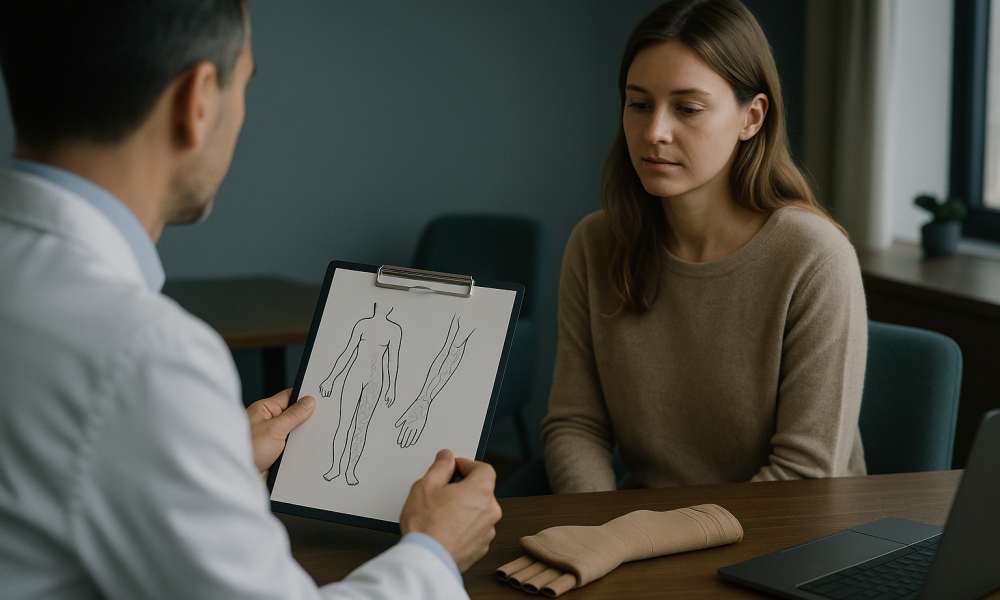
What Lymphedema Treatment Abroad is and who it is for
Lymphedema is a chronic condition characterised by the accumulation of lymphatic fluid, typically in the limbs, due to a compromised lymphatic system. This condition can lead to swelling, discomfort, and an increased risk of infections. Treatment options for lymphedema have evolved significantly, and Turkey has become a notable destination for patients seeking advanced care. The country boasts a combination of state-of-the-art medical facilities, experienced healthcare professionals, and competitive pricing, making it an attractive option for international patients.
In Turkey, lymphedema treatment typically involves a multidisciplinary approach, combining surgical and non-surgical methods to manage and potentially improve the condition. Surgical options may include lymphaticovenular anastomosis (LVA), vascularised lymph node transfer (VLNT), and liposuction. These procedures aim to either promote lymphatic drainage, transfer healthy lymph nodes, or reduce excess tissue, thereby alleviating symptoms.
Non-surgical treatments in Turkey may include manual lymphatic drainage (MLD), compression garments, and pneumatic compression devices. These therapies focus on managing symptoms and preventing the progression of the condition. Patients often receive a personalised treatment plan tailored to their specific needs and the severity of their condition.
Turkey’s healthcare system is well-regulated, with many hospitals accredited by international organisations such as the Joint Commission International (JCI). This ensures that medical facilities adhere to high standards of care and safety. Additionally, Turkey’s strategic location, bridging Europe and Asia, makes it easily accessible for patients traveling from Australia.
It’s important to note that while Turkey offers promising treatment options, outcomes cannot be guaranteed. Patients should conduct thorough research, consult with healthcare providers, and consider potential risks and benefits before making a decision. Communication with Turkish specialists can often be facilitated in English, ensuring clarity and understanding throughout the treatment process.
Are you a good candidate?
Determining if you are a suitable candidate for lymphedema treatment in Turkey involves several considerations. First and foremost, a thorough assessment by a qualified healthcare professional is essential to confirm the diagnosis and evaluate the severity of the condition. Not all patients with lymphedema will require surgical intervention, and the choice of treatment depends on individual circumstances.
- Diagnosis Confirmation: Ensure a confirmed diagnosis of lymphedema, typically through a combination of medical history, physical examination, and imaging studies.
- Non-Surgical Treatment History: Have you previously attempted non-surgical treatments such as compression therapy or manual lymphatic drainage without significant improvement?
- General Health Status: Are you in overall good health and able to undergo surgery if necessary? This includes having no contraindications such as severe cardiovascular issues or uncontrolled diabetes.
- Realistic Expectations: Do you have realistic expectations about the outcomes and understand that results can vary and may not be immediate?
- Commitment to Post-Treatment Care: Are you committed to following post-treatment instructions, including wearing compression garments and attending follow-up appointments?
- Availability of Support: Do you have a support system in place for the recovery period, especially if you are traveling alone?
Patients considering treatment in Turkey should also evaluate logistical factors such as travel arrangements, accommodation, and potential language barriers. It’s advisable to work with a medical tourism facilitator or directly with the hospital’s international patient department to streamline the process. This can help ensure that all aspects of the journey, from consultation to recovery, are well-coordinated and as stress-free as possible.
The procedure, step by step
Undergoing lymphedema treatment in Turkey involves a series of carefully orchestrated steps, designed to provide optimal outcomes while maintaining patient safety and comfort. The specific procedure depends on the severity and location of the lymphedema, as well as the chosen treatment method, which could include surgical options like lymphaticovenular anastomosis (LVA) or liposuction, and non-surgical therapies such as complete decongestive therapy (CDT).
- Initial Consultation: The process begins with a comprehensive evaluation by a specialist. During this consultation, your medical history will be reviewed, and a physical examination will be conducted to assess the extent of the lymphedema. Diagnostic imaging, such as a lymphoscintigraphy, may be used to map the lymphatic system.
- Pre-operative Preparation: If surgery is deemed appropriate, pre-operative tests, including blood tests and imaging studies, will be performed. You will receive detailed instructions regarding pre-surgery protocols, including dietary restrictions and medication adjustments.
- Admission and Anaesthesia: On the day of the procedure, you will be admitted to the hospital. Anaesthesia options will be discussed, typically involving either general or local anaesthesia, depending on the procedure’s complexity. The anaesthesia will be administered by a qualified anaesthetist to ensure comfort throughout the surgery.
- The Surgery: For LVA, small incisions are made to connect lymphatic vessels to nearby veins, allowing lymph fluid to bypass blocked areas. This microsurgical technique requires precision and is often performed under a microscope. In contrast, liposuction involves the removal of excess fatty tissue to reduce swelling, performed through small incisions using a cannula.
- Post-operative Care: After the surgery, you will be moved to a recovery area where medical staff will monitor your vital signs. Pain management will be provided, and you will be given instructions on how to care for the surgical site. Compression garments may be applied to support the healing process and reduce swelling.
- Discharge Planning: Typically, patients are discharged within 1-3 days post-surgery, depending on the procedure and individual recovery. You will receive a detailed care plan outlining follow-up appointments, activity restrictions, and signs of potential complications to watch for.
Throughout the entire process, the medical team in Turkey will provide continuous support, ensuring that all your questions are answered and that you feel comfortable and informed at every stage.
Recovery timeline
Recovering from lymphedema treatment is a gradual process, and the timeline can vary depending on the specific procedure and individual factors. Below is a general guideline of what patients can expect during the recovery period after undergoing treatment in Turkey.
| Period | What to expect | Care notes |
|---|---|---|
| Day 1-3 | Initial recovery in the hospital. Patients may experience discomfort and swelling at the surgical site. Vital signs and incision sites are closely monitored. | Pain management with prescribed medications. Begin wearing compression garments as directed. Follow hospital discharge instructions carefully. |
| Week 1 | Gradual reduction in swelling and discomfort. Mobility may be limited, and fatigue is common as the body heals. | Continue wearing compression garments. Engage in light activities as tolerated. Attend follow-up appointment to assess healing progress. |
| Week 2-4 | Noticeable improvement in symptoms. Swelling continues to decrease. Patients can gradually increase activity levels. | Maintain consistent use of compression garments. Begin gentle lymphatic exercises if approved by your physician. Monitor for any signs of infection or complications. |
| Month 1-3 | Significant reduction in swelling and improved limb function. Most patients resume normal daily activities, with some restrictions on strenuous activities. | Regular follow-up visits are essential. Continue with prescribed physical therapy and exercises. Adjust compression garments as needed. |
| Month 4-6 | Full recovery is typically achieved. Patients experience improved quality of life and reduction in symptoms. | Long-term management may include ongoing use of compression garments and lifestyle modifications to prevent recurrence. Regular check-ups to monitor lymphedema status. |
This recovery timeline serves as a general framework. Individual recovery experiences may vary, and it’s crucial to follow your healthcare provider’s specific recommendations to ensure the best possible outcome.
5. What it costs: Turkey vs Australia
When considering lymphedema treatment abroad, understanding the cost differences between Turkey and Australia is crucial for making an informed decision. While the cost of medical procedures can vary widely based on specific circumstances, indicative price ranges provide a general sense of what to expect.
| Treatment Component | Indicative Cost in Turkey (USD) | Indicative Cost in Australia (AUD) |
|---|---|---|
| Initial Consultation | $50 – $100 | $150 – $300 |
| Complete Decongestive Therapy (CDT) – per session | $30 – $70 | $100 – $200 |
| Surgical Intervention (e.g., Lymphovenous Bypass) | $3,000 – $5,000 | $10,000 – $15,000 |
| Compression Garments | $50 – $150 | $200 – $400 |
| Post-operative Care | $500 – $1,000 | $1,500 – $3,000 |
It is important to note that these figures are indicative and can vary based on individual treatment plans, hospital choice, and other factors. In Turkey, packages often include additional services that can enhance the patient experience. These may encompass airport transfers, accommodation arrangements, and dedicated patient coordinators who speak your language, providing a seamless and supportive experience throughout your stay.
Many healthcare providers in Turkey offer comprehensive care packages that include pre-operative assessments, treatment, and post-operative care, all bundled into one cost-effective package. This holistic approach ensures that international patients receive continuous care without the need to navigate separate charges for each aspect of their treatment.
In contrast, costs in Australia can be significantly higher due to factors such as higher operational expenses, regulatory requirements, and the cost of living. Additionally, Australian patients might incur extra costs if their insurance does not fully cover lymphedema treatment, leading to out-of-pocket expenses that can add up quickly.
Ultimately, while cost is a significant factor, it should be weighed alongside other considerations such as the quality of care, the expertise of the medical professionals, and the level of support provided throughout the treatment journey. Thorough research and consultations with multiple providers will aid in making a well-rounded decision.
6. Risks and how accredited providers manage them
While lymphedema treatment abroad can be a viable option, it is essential to understand the potential risks involved and how accredited providers in Turkey manage these risks to ensure patient safety and successful outcomes.
Common risks associated with lymphedema treatments include infection, delayed healing, and complications related to surgical interventions such as lymphovenous anastomosis or liposuction. Accredited providers in Turkey are aware of these risks and implement stringent protocols to mitigate them effectively.
Accredited facilities adhere to international healthcare standards and are often certified by globally recognized bodies such as the Joint Commission International (JCI). This accreditation ensures that the facilities maintain high levels of cleanliness, use sterilized instruments, and employ qualified healthcare professionals with expertise in lymphedema management.
Infection control is a top priority. Accredited clinics employ rigorous sterilization procedures and maintain a sterile environment in operating theatres. Patients are also given comprehensive pre- and post-operative instructions to minimize the risk of infection and other complications.
Another risk is related to the potential for inadequate post-operative care, which is crucial for recovery. Accredited providers in Turkey offer extensive follow-up programs that include regular check-ups and access to physiotherapy and rehabilitation services. This ensures that patients receive continuous care and monitoring, which is vital for optimal recovery.
Communication barriers can also pose a risk, but many Turkish clinics employ multilingual staff and provide translation services to ensure that patients fully understand their treatment plans and any instructions given. This helps in reducing misunderstandings that could lead to complications.
Furthermore, accredited providers conduct thorough pre-treatment assessments to evaluate each patient’s suitability for surgery or therapy. These assessments help identify any underlying conditions that could increase the risk of complications, allowing for tailored treatment plans that address individual needs and minimize risks.
In summary, while there are inherent risks in any medical treatment, choosing an accredited provider in Turkey can significantly reduce these risks. Through strict adherence to international standards, comprehensive patient care, and effective communication strategies, Turkish healthcare providers strive to offer safe and effective lymphedema treatment options for international patients.
How to choose the right provider
When considering lymphedema treatment in Turkey, selecting the right healthcare provider is crucial. Begin by verifying the clinic’s accreditation. Look for certifications from internationally recognised organisations such as the Joint Commission International (JCI) or the International Organization for Standardization (ISO). These accreditations ensure that the clinic adheres to global healthcare standards.
Surgeon experience is another critical factor. Research the qualifications and track record of the surgeons. Ideally, they should have specialised training in lymphedema treatment and a substantial number of successful procedures. Look for surgeons who have published research or are members of professional societies related to vascular or lymphatic health.
Aftercare is an essential component of successful lymphedema treatment. Inquire about the clinic’s post-operative care plans. Comprehensive aftercare should include regular follow-up appointments, access to physiotherapy, and support for managing lifestyle changes. Some clinics may offer virtual consultations for follow-up once you return to Australia, which can be a significant advantage.
Be vigilant for red flags. Beware of clinics that make unrealistic claims about guaranteed outcomes or those that offer significantly lower prices than the typical range. While cost is a consideration, excessively low prices may indicate compromised quality. Additionally, avoid providers who pressure you into making immediate decisions or those who lack transparency regarding their procedures and costs.
Finally, seek reviews and testimonials from previous patients. While personal experiences can vary, consistent positive feedback about a clinic’s professionalism, patient care, and outcomes can provide reassurance. Participation in online forums or support groups for lymphedema patients can also offer valuable insights into choosing a reputable provider.
Planning your trip
Thorough planning is vital for a successful medical trip to Turkey for lymphedema treatment. Start by developing a timeline that includes all necessary preparations. It’s advisable to begin your research and consultations at least three to six months before your intended travel date. This allows ample time for gathering information, securing appointments, and making travel arrangements.
Ensure you have all the required documents. These typically include your passport, medical records, and any correspondence with the healthcare provider. Some clinics may request specific tests or medical history details, so confirm these requirements well in advance. Additionally, check if you need a visa for Turkey and apply in good time to avoid last-minute complications.
The length of stay in Turkey will depend on the type of treatment and the required recovery period. Typically, patients undergoing surgical treatment for lymphedema may need to remain in the country for one to two weeks. This period allows for pre-operative consultations, the procedure itself, and initial post-operative care. Discuss with your healthcare provider the expected recovery timeline and any potential need for an extended stay.
Consider follow-up care once you return to Australia. Arrange for a local healthcare provider to be involved in your ongoing treatment. This might include regular check-ups, physiotherapy sessions, or monitoring of your condition. Communication between your Turkish provider and your local doctor is essential for seamless continuity of care.
Finally, think about practical travel arrangements such as accommodation, transportation, and travel insurance. Choose accommodation close to the clinic if possible, to reduce travel stress. Ensure your travel insurance covers medical tourism and any potential complications. This comprehensive planning will help ensure a smoother experience and peace of mind during your medical journey.
Frequently Asked Questions
What is the typical cost of lymphedema treatment in Turkey?
The cost of lymphedema treatment in Turkey can vary widely depending on the type of procedure and the clinic. Indicative ranges for surgical treatments might be between £3,000 and £6,000. It is important to obtain detailed quotes from multiple providers to understand what is included in the price.
How experienced are Turkish surgeons in treating lymphedema?
Turkish surgeons often have extensive experience in treating lymphedema, with many having trained both locally and internationally. It is crucial to verify their credentials, including their years of practice, number of procedures performed, and any specialisation in lymphedema treatment.
What accreditations should I look for in a Turkish clinic?
Look for clinics accredited by international organisations such as the Joint Commission International (JCI) or the International Organization for Standardization (ISO). These accreditations indicate adherence to high healthcare standards and can provide reassurance of quality and safety.
How long should I plan to stay in Turkey for treatment?
The length of stay for lymphedema treatment in Turkey generally ranges from one to two weeks. This allows time for pre-operative consultations, the procedure, and initial recovery. Discuss the expected timeline with your healthcare provider to tailor your travel plans accordingly.
What documents do I need to bring for my treatment?
You will need to bring your passport, medical records, and any correspondence with the healthcare provider. Some clinics may require specific tests or medical history details, so confirm these requirements ahead of your trip to ensure you have everything needed.
Is it safe to travel to Turkey for medical treatment?
Yes, many international patients travel to Turkey for medical treatment due to its high-quality healthcare services. However, it's important to choose a reputable clinic with proper accreditation and experienced staff to ensure safety and quality care.
What should I look for in aftercare services?
Effective aftercare services should include regular follow-up appointments, access to physiotherapy, and lifestyle management support. Some clinics offer virtual consultations for follow-up care, which can be beneficial once you return to your home country.
Are there any red flags to watch for when choosing a clinic?
Be cautious of clinics that make unrealistic claims about treatment outcomes or offer significantly lower prices than typical ranges. Avoid providers who pressure you into making immediate decisions or lack transparency regarding procedures and costs.
Will I need a visa to travel to Turkey?
Australian citizens typically require a visa to enter Turkey for medical treatment. It's advisable to check the latest visa requirements and apply well in advance of your travel date to avoid any last-minute issues.
How can I ensure continuity of care after returning home?
Arrange for a local healthcare provider to be involved in your ongoing treatment upon returning to Australia. Ensure communication between your Turkish provider and local doctor for seamless care, including regular check-ups and monitoring.
What is the typical recovery time after lymphedema surgery?
Recovery time varies depending on the individual and the specific procedure. Most patients can expect an initial recovery period of one to two weeks, with ongoing improvements over several months. Discuss recovery expectations with your surgeon for a detailed timeline.
What travel insurance should I consider for medical tourism?
Choose travel insurance that covers medical tourism, including any potential complications from your procedure. Ensure that the policy includes coverage for medical evacuation, trip cancellations, and other travel-related issues for comprehensive protection.