
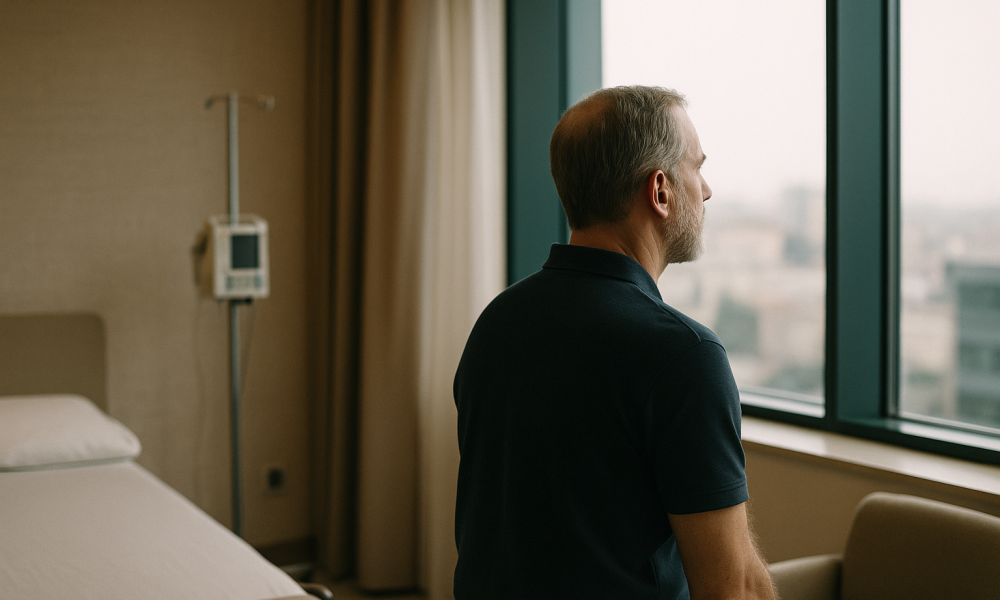
What Lymphoma Second Opinion Abroad is and who it is for
Seeking a second opinion for lymphoma abroad involves consulting with a specialist in another country, such as Turkey, to review your diagnosis and treatment plan. This process is particularly valuable for individuals who wish to confirm their current treatment approach, explore alternative therapies, or access advanced medical technologies not widely available in their home country. Turkey has become a popular destination for medical tourism, offering high-quality healthcare services at competitive prices compared to Western countries.
Lymphoma, a type of blood cancer affecting the lymphatic system, can be complex to diagnose and treat. Treatment plans often involve a combination of chemotherapy, radiation therapy, and, in some cases, stem cell transplants. The decision to seek a second opinion abroad can be driven by several factors, including the desire for a more thorough evaluation, the availability of cutting-edge treatments, or dissatisfaction with the initial diagnosis or treatment plan. Patients from Canada might find this option appealing due to the shorter waiting times and the opportunity to consult with specialists who have extensive experience in treating lymphoma.
In Turkey, medical facilities are equipped with state-of-the-art technology and staffed by internationally trained specialists who can provide comprehensive evaluations. The process typically involves an in-depth review of your medical history, current diagnosis, and treatment plan. Specialists may also recommend additional tests or imaging to ensure an accurate assessment. The goal is to provide you with a well-rounded perspective on your condition and the potential treatment options available to you.
Moreover, the cost of obtaining a second opinion in Turkey is often significantly lower than in Canada. While the exact cost can vary depending on the complexity of the case and the tests required, patients can typically expect to pay between £300 and £600. This cost-effective approach allows patients to make informed decisions about their healthcare without the financial burden often associated with medical consultations in Western countries.
Are you a good candidate?
Determining whether you are a good candidate for seeking a second opinion for lymphoma treatment abroad involves evaluating several factors. A second opinion can be invaluable, but it’s essential to assess your specific situation to ensure that it aligns with your healthcare needs and personal circumstances.
- Uncertainty about Diagnosis: If you have any doubts or concerns regarding your initial lymphoma diagnosis, a second opinion can provide clarity and reassurance. Misdiagnosis can occur, and getting a second opinion helps ensure that the diagnosis is accurate.
- Complexity of Case: Patients with complex or rare forms of lymphoma may benefit from consulting with specialists who have experience in treating such cases. Turkish hospitals often have experts who are well-versed in handling intricate lymphoma cases.
- Desire for Alternative Treatments: If you are interested in exploring alternative treatment options not available in Canada, a second opinion in Turkey may reveal new possibilities. This can include access to clinical trials or advanced therapies.
- Current Treatment Ineffectiveness: If your current treatment plan is not yielding the expected results, or if you are experiencing adverse side effects, seeking a second opinion can help identify other potential treatment strategies.
- Financial Considerations: If the cost of treatment is a significant concern, Turkey offers more affordable healthcare services, allowing you to obtain a second opinion without excessive financial strain.
- Interest in Cutting-edge Technology: Patients eager to access the latest medical technologies may find Turkish medical centres appealing due to their investment in state-of-the-art equipment and techniques.
By evaluating these factors, you can determine if a second opinion in Turkey aligns with your healthcare goals. It’s important to weigh the benefits against any potential challenges, such as travel logistics, language barriers, and the need for follow-up care in your home country. Ultimately, the decision should be guided by a desire to enhance your treatment plan and achieve the best possible health outcome.
The procedure, step by step
Seeking a second opinion for lymphoma treatment in Turkey involves a series of well-structured steps to ensure you receive comprehensive care. Here’s an overview of the typical process:
- Initial Consultation: Once you’ve decided to seek a second opinion in Turkey, the first step is to arrange an initial consultation. This typically involves sending your medical records, including pathology reports, imaging studies, and previous treatment history, to the chosen healthcare facility. This can often be done electronically, ensuring ease and speed. A preliminary review is conducted by a team of specialists to determine the best course of action.
- Travel Arrangements: Upon confirmation of your consultation, the next step is to make travel arrangements. Many facilities provide assistance with logistics, including visa support, accommodation recommendations, and transportation services. It’s advisable to plan for at least a week’s stay, although this may vary depending on the complexity of your case.
- Comprehensive Evaluation: Upon arrival, you will undergo a thorough evaluation. This typically includes a physical examination and may involve additional diagnostic tests such as blood tests, biopsies, or advanced imaging techniques like PET scans. The purpose is to gather detailed information to support a precise diagnosis and treatment plan.
- Multidisciplinary Review: Your case will be reviewed by a multidisciplinary team of oncologists, radiologists, pathologists, and other relevant specialists. This collaborative approach ensures a well-rounded perspective on your condition, drawing on the expertise of each specialist to formulate a comprehensive treatment plan.
- Discussion of Options: Following the review, you will have an in-depth discussion with your primary oncologist. During this meeting, you’ll be presented with the findings and recommended treatment options. This is an opportunity to ask questions and discuss potential outcomes, side effects, and the expected course of treatment.
- Second Opinion Report: After the consultation, you will receive a detailed report summarising the findings and recommendations. This report is crucial for making informed decisions about your treatment, whether you choose to proceed with care in Turkey or return to Canada for treatment.
- Decision-Making and Next Steps: With the second opinion in hand, you can decide whether to continue treatment in Turkey or use the information to guide your care in Canada. If you opt for treatment in Turkey, the facility will assist in coordinating the next steps, such as scheduling therapy sessions or surgical procedures if required.
Recovery timeline
The recovery timeline following lymphoma treatment can vary significantly depending on the type of treatment received, whether chemotherapy, radiation, or a combination thereof. Here’s a general guide to what you might expect:
| Period | What to expect | Care notes |
|---|---|---|
| Day 1-3 | Immediately after treatment, patients may experience fatigue, nausea, and general discomfort. It’s crucial to rest and allow your body to begin the recovery process. | Ensure adequate hydration and nutrition. Follow any prescribed anti-nausea medication and rest as needed. |
| Week 1 | Symptoms such as nausea and fatigue may persist. It’s common to feel weak and require more rest than usual. | Continue with a balanced diet and stay hydrated. Attend follow-up appointments to monitor recovery progress. |
| Weeks 2-4 | Gradual improvement in energy levels and reduction in acute symptoms. Some patients may begin to feel more like themselves. | Engage in light activities as tolerated. Maintain regular check-ins with your healthcare provider. |
| Month 2-3 | Most patients will experience a significant reduction in treatment-related side effects. Energy levels are typically improved. | Consider beginning a tailored exercise program to aid recovery, with the approval of your healthcare provider. |
| Month 4-6 | By this stage, many patients have returned to their routine activities with manageable side effects. | Continue to attend regular follow-up appointments and maintain a healthy lifestyle to support long-term recovery. |
| Full recovery | Full recovery timelines can vary, but many patients reach a stable condition within 6-12 months post-treatment. | Continued monitoring and regular health assessments are essential to ensure no recurrence or new issues arise. |
What it costs: Turkey vs Canada
When considering obtaining a second opinion for lymphoma treatment abroad, understanding the potential costs involved is crucial. In Turkey, the costs associated with medical consultations and diagnostic services can be significantly lower than in Canada. However, it is important to note that these figures are indicative and can vary based on the specific healthcare provider, the complexity of the required services, and any additional procedures that may be necessary.
Below is a comparative table that outlines indicative price ranges for obtaining a second opinion on lymphoma treatment in Turkey versus Canada. These costs typically include initial consultation, diagnostic tests such as blood tests and imaging (CT, MRI, or PET scans), and the review of previous medical records. Packages can vary, so it is vital to confirm what is included when discussing with healthcare providers.
| Service | Turkey (USD) | Canada (CAD) |
|---|---|---|
| Initial Consultation | $100 – $250 | $200 – $500 |
| Blood Tests | $50 – $150 | $100 – $300 |
| Imaging (CT/MRI/PET) | $300 – $900 | $600 – $1,500 |
| Comprehensive Package | $500 – $1,500 | $1,000 – $3,000 |
In Turkey, a comprehensive package may include additional services such as transportation to and from the airport, accommodation arrangements, and a dedicated patient coordinator to assist with logistics. In contrast, Canadian providers may not typically offer such bundled services, which could lead to additional costs if such services are required.
Furthermore, the cost of living in Turkey is generally lower than in Canada, which can contribute to overall savings for international patients during their stay. Nevertheless, it is crucial to thoroughly research and discuss with potential providers to ensure clarity on what is included in the quoted prices and to avoid unexpected expenses.
Risks and how accredited providers manage them
Seeking a second opinion for lymphoma treatment abroad, particularly in a country like Turkey, involves certain risks. These include the potential for communication barriers, differences in medical standards, and the challenges of coordinating care across borders. However, accredited healthcare providers in Turkey have established protocols to effectively manage these risks, ensuring patient safety and care quality.
Accredited clinics and hospitals in Turkey often hold international certifications such as Joint Commission International (JCI) accreditation. This ensures they meet rigorous standards for patient safety, quality of care, and infection control. Such accreditation is a testament to their commitment to maintaining high medical standards comparable to those in Canada.
To manage communication barriers, many Turkish healthcare providers employ multilingual staff and offer translation services. This facilitates clear communication between patients and medical professionals, ensuring that patients fully understand their diagnoses, treatment options, and any associated risks.
Another potential risk is the difference in medical practices and standards. Accredited providers in Turkey adhere to internationally recognized guidelines and protocols for lymphoma treatment. They regularly participate in international medical conferences and training to stay updated with the latest advancements in oncology care.
Coordinating care across borders can be challenging, but many Turkish healthcare facilities have dedicated international patient departments. These departments assist with the logistical aspects of care, including scheduling appointments, managing medical records, and coordinating follow-up care. They act as a liaison between the patient and the medical team, streamlining the process and reducing the potential for miscommunication.
Infection control is another critical area where risks are managed meticulously. Accredited hospitals in Turkey implement strict infection prevention protocols, regularly auditing their procedures to ensure compliance with international standards. This includes maintaining sterile environments, using state-of-the-art equipment, and training staff in the latest infection control practices.
While no medical procedure is without risk, choosing an accredited provider significantly mitigates these risks. Patients can further protect themselves by thoroughly researching providers, seeking recommendations, and reading reviews from other international patients who have undergone similar treatments. By doing so, they can make informed decisions about their healthcare journey in Turkey.
How to choose the right provider
Choosing the right healthcare provider for a lymphoma second opinion in Turkey involves several critical considerations. Accreditation is a key starting point. Look for hospitals accredited by international bodies such as the Joint Commission International (JCI), which ensures that the facility meets high global standards for healthcare quality and safety.
The experience of the medical team is another crucial factor. Prioritise oncologists and haematologists who have a robust track record in diagnosing and treating lymphoma. It’s beneficial to inquire about the surgeon’s specific experience with lymphoma cases and their involvement in ongoing research or clinical trials. Many reputable Turkish hospitals provide detailed profiles of their medical staff, which can be a valuable resource.
Aftercare is an integral part of the treatment journey. A comprehensive aftercare plan should include clear communication about follow-up appointments, potential side effects, and emergency contact information. Ensure that the provider offers a dedicated patient liaison officer who can assist with language barriers and coordinate care seamlessly post-treatment.
Be vigilant about red flags that might indicate a less credible provider. Promises of guaranteed outcomes should be treated with scepticism, as should any reluctance to discuss potential risks or complications. Transparency about costs is also essential; reputable providers will offer a clear breakdown of indicative costs for consultations, tests, and any recommended procedures.
- Accreditation: Look for JCI accreditation.
- Surgeon Experience: Verify experience in lymphoma treatment.
- Aftercare: Ensure comprehensive plans are in place.
- Red Flags: Avoid providers with unrealistic promises or opaque pricing.
Planning your trip
Effective planning is vital for a smooth medical journey to Turkey for a lymphoma second opinion. Begin by establishing a timeline. Ideally, start preparations 6-8 weeks before your intended departure. This allows ample time to secure appointments, gather necessary medical records, and apply for any required visas.
Ensure that you have a comprehensive collection of your medical documents. This should include recent scans, biopsy results, and a detailed medical history. It’s advisable to have these documents translated into English if they are not already, as this will facilitate communication with your Turkish healthcare provider.
The typical length of stay for an initial consultation and diagnostic tests is between 5 to 10 days. This period may extend if further tests or procedures are required. Discuss with your provider the expected timeline to plan accommodations and travel logistics accordingly.
Post-consultation follow-up is another aspect to consider. Establish a clear plan for how results and recommendations will be communicated once you return home. Many hospitals offer telemedicine services, which can be a convenient way to maintain communication with your Turkish healthcare team without necessitating further travel.
- Timeline Before Travel: Plan 6-8 weeks in advance.
- Documents: Ensure medical records are translated into English.
- Length of Stay: Typically 5-10 days, but confirm with your provider.
- Follow-up at Home: Use telemedicine for ongoing communication.
Finally, consider travel insurance that covers medical treatment abroad. This can provide peace of mind in case of unexpected changes to your travel plans or medical needs.
Frequently Asked Questions
What are the typical costs for a second opinion in Turkey?
The cost for a second opinion in Turkey can vary widely depending on the complexity of your case and the specific tests required. Typically, you can expect to pay between USD 300 and USD 700 for an initial consultation. Diagnostic tests, such as imaging and blood tests, may incur additional costs ranging from USD 200 to USD 1,000. Always request a detailed breakdown of costs from your chosen provider to avoid any surprises.
Is it safe to travel to Turkey for medical treatment?
Yes, Turkey is a popular destination for medical tourism and is known for its high-quality healthcare services. Many hospitals are accredited by international bodies like the Joint Commission International (JCI), ensuring they meet global standards. It's important to choose a reputable hospital and stay informed about local travel advisories. Ensuring your travel insurance covers medical tourism is also a prudent step.
How do I verify the credentials of a Turkish doctor?
To verify the credentials of a Turkish doctor, check if they are registered with the Turkish Medical Association, which maintains a list of licensed practitioners. Additionally, many hospitals provide detailed profiles of their doctors, including their qualifications, areas of expertise, and professional memberships. Accreditation by international bodies like JCI can also be a sign of credibility.
What if I don't speak Turkish?
Language barriers are a common concern, but many hospitals in Turkey catering to international patients offer services in English. They often have interpreters available or dedicated international patient departments to assist with communication. It's advisable to confirm these services in advance to ensure smooth communication during your visit.
How long should I plan to stay in Turkey for my consultation?
For an initial consultation and any necessary diagnostic tests, plan to stay in Turkey for about 5 to 10 days. This allows adequate time for consultations, tests, and any discussions about your treatment plan. If additional procedures are needed, this stay might be extended. Discuss the expected timeline with your healthcare provider to arrange accommodations accordingly.
Do I need a visa to travel to Turkey for medical treatment?
Canadian citizens need a visa to enter Turkey, which can be easily obtained online through the Turkish e-Visa system. It's recommended to apply well in advance of your travel date to ensure there are no delays. The e-Visa is usually valid for multiple entries over a period of 180 days, allowing for flexibility in your travel plans.
What should I bring with me for the consultation?
Bring all relevant medical records, including recent scans, biopsy results, and a comprehensive medical history. If these documents are not in English, consider having them translated. Also, have a list of current medications and any allergies. It's helpful to prepare a list of questions or concerns you wish to discuss with your healthcare provider during the consultation.
Can I use my health insurance for treatment in Turkey?
Whether your health insurance covers treatment in Turkey depends on your specific policy. Some international health insurance plans do cover medical treatments abroad. Contact your insurer to understand your coverage details and any documentation required. It's also beneficial to discuss payment options with the hospital beforehand.
How are follow-up appointments handled after returning home?
Many Turkish hospitals offer telemedicine services for follow-up appointments, allowing you to communicate with your healthcare provider remotely. Ensure you have a clear understanding of how results will be shared and any recommendations conveyed. Establish a communication plan before leaving Turkey to facilitate ongoing care.
What is the success rate for lymphoma treatments in Turkey?
While no medical treatment can guarantee success, Turkey is known for its high standards of care in oncology. Success rates depend on various factors, including the type and stage of lymphoma and the patient's overall health. Discuss your specific case with your healthcare provider to understand the potential outcomes and any associated risks.
How can I ensure the quality of aftercare in Turkey?
To ensure quality aftercare, choose a hospital with a dedicated international patient department that offers comprehensive aftercare plans. This should include clear communication about follow-up appointments, potential side effects, and emergency contact information. Verifying the hospital's accreditation and the experience of its medical staff can also provide assurance of quality care.
Are there any hidden costs I should be aware of?
Reputable hospitals in Turkey will provide a detailed breakdown of all potential costs involved in your treatment. However, it's always wise to ask about any additional fees for services such as follow-up consultations, extended hospital stays, or unexpected tests. Clarify payment terms and ensure you understand what is included in the quoted price to avoid surprises.