
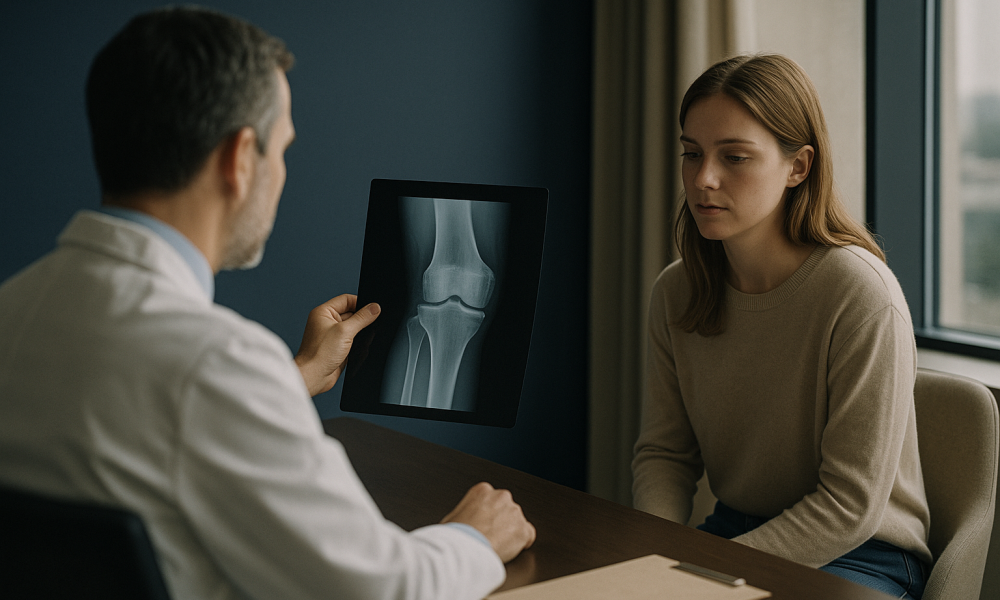
What Meniscus Repair is and who it is for
The meniscus is a crescent-shaped cartilage in the knee that acts as a cushion between the femur (thigh bone) and tibia (shin bone). Meniscus repair is a surgical procedure aimed at repairing torn cartilage to restore normal knee function. This type of injury is common among athletes, particularly those involved in sports requiring sudden stops and turns, such as football, basketball, and tennis. However, it can also occur in older individuals due to degenerative changes in the knee.
Meniscus repair in Turkey is performed by highly trained orthopaedic surgeons using minimally invasive arthroscopic techniques. The procedure typically lasts between one to two hours. Surgeons make small incisions around the knee to insert a camera and surgical instruments, allowing them to stitch the torn meniscus back together. The use of arthroscopy reduces the risk of complications and enhances recovery time.
General or regional anaesthesia is administered to ensure patient comfort during the procedure. Post-surgery, patients may require a hospital stay of one to two days. This allows healthcare professionals to monitor recovery and manage any immediate postoperative discomfort.
Meniscus repair is suitable for those with tears that occur in areas of good blood supply, as these are more amenable to healing. The procedure is not recommended for tears in avascular zones, as these areas lack the necessary blood supply for healing. Additionally, the patient’s age, activity level, and overall knee health are considered when determining suitability for meniscus repair.
The benefits of undergoing meniscus repair in Turkey include access to state-of-the-art facilities and experienced medical staff, often at a fraction of the cost compared to the United States. Patients can expect indicative costs ranging from £2,000 to £4,000, which is significantly lower than the typical prices in the US.
Are you a good candidate?
Determining whether you are a good candidate for meniscus repair involves several factors, including the type and location of the tear, your age, activity level, and overall knee condition. A thorough evaluation by an orthopaedic specialist is crucial to assess these factors and recommend the most appropriate treatment plan.
- Type and Location of Tear: Tears located in the outer third of the meniscus, which has a rich blood supply, are more likely to heal after repair. Tears in the inner two-thirds, where blood supply is limited, may not be suitable for repair.
- Age: Younger patients generally have better healing potential due to their higher cellular activity and better vascular supply. However, older patients with good overall knee health may still be candidates.
- Activity Level: Active individuals, especially athletes, who wish to maintain high levels of physical activity post-surgery, often benefit from meniscus repair. It helps preserve the meniscus and reduces the risk of future joint issues.
- Overall Knee Health: Patients with strong, stable knees and no significant arthritis are more likely to benefit from meniscus repair, as the procedure aims to preserve as much of the natural meniscus as possible.
- Personal Goals: Individuals who wish to maintain an active lifestyle and avoid future knee complications may opt for repair rather than removal (meniscectomy), which can lead to early-onset arthritis.
Consultation with an orthopaedic surgeon will help determine if meniscus repair is the best option for you. They will likely use imaging studies, such as MRI, to assess the extent of the tear and the condition of the knee joint. This comprehensive evaluation ensures the treatment plan aligns with your personal health goals and expectations.
The procedure, step by step
Undergoing meniscus repair in Turkey involves a carefully orchestrated procedure designed to maximise the chances of a successful outcome. Here’s a detailed step-by-step guide on what you can expect during the surgical process:
- Initial Consultation and Imaging: Before the surgery, you will have a detailed consultation with your orthopaedic surgeon. This session typically involves a thorough physical examination and a review of your medical history. Advanced imaging techniques, such as MRI or X-rays, are used to assess the extent and exact location of the meniscal tear. This helps in planning the surgical approach.
- Pre-operative Preparation: On the day of the surgery, you will undergo pre-operative assessments, including blood tests and an anaesthetic evaluation. You will be advised to fast for several hours prior to the procedure. The surgical team will discuss the anaesthesia options, which most often include general or regional anaesthesia, depending on your specific case and preferences.
- Arthroscopic Entry: The procedure begins with the surgeon making small incisions, typically two or three, around the knee. Through these incisions, an arthroscope—a thin, flexible tube with a camera—is inserted. This device allows the surgeon to view the inside of the knee on a monitor and guide the surgical instruments.
- Assessment and Repair: With the arthroscope in place, the surgeon evaluates the meniscus and surrounding tissues. Depending on the type and location of the tear, various techniques may be used for repair. Common methods include suturing the torn edges or using special devices to hold the meniscus in place. In some cases, partial meniscectomy (removal of the damaged part) may be necessary if the tear is irreparable.
- Closure and Dressing: Once the repair is complete, the surgical instruments are removed, and the incisions are closed with sutures or surgical tapes. The knee is then dressed with a sterile bandage to protect the site.
- Post-operative Care: After surgery, you will be moved to a recovery area where you will be monitored as you wake up from the anaesthesia. Pain management, often involving medications like NSAIDs or local anaesthetics, is initiated to ensure your comfort. You will be given initial instructions on how to care for your knee and what to expect in the coming days.
This meticulous approach ensures that the surgery is performed with precision, aiming to restore knee function and alleviate symptoms effectively.
Recovery timeline
The recovery process following meniscus repair is crucial for regaining full knee function. Here’s a detailed timeline of what to expect during the recovery period:
| Period | What to expect | Care notes |
|---|---|---|
| Day 1 | Post-operative monitoring in the clinic or hospital. Initial discomfort and swelling are common. Walking with crutches may be necessary. | Follow pain management guidelines. Begin gentle movements as advised by the healthcare team. |
| Week 1 | Swelling and pain should gradually decrease. Limited weight-bearing activities are recommended. | Keep the leg elevated when possible. Ice the knee several times a day to reduce swelling. Attend follow-up appointments. |
| Weeks 2-4 | Improvement in mobility. Physical therapy usually begins to restore range of motion. | Adhere to physical therapy exercises. Avoid high-impact activities. Continue using crutches if recommended. |
| Weeks 5-8 | Increased strength and flexibility. Gradual return to normal activities. | Focus on strengthening exercises. Follow physiotherapist’s guidance closely. Start low-impact exercises under supervision. |
| Weeks 9-12 | Most patients experience significant improvement. Return to light sports and activities with caution. | Continue physiotherapy. Avoid activities that could strain the knee. Monitor for any pain or swelling. |
| 3-6 months | Full recovery is typically achieved. Return to pre-injury activity levels is possible for many patients. | Regular check-ups to ensure proper healing. Maintain an exercise routine to support knee health. |
It’s important to note that recovery times can vary based on individual health conditions, the severity of the tear, and adherence to rehabilitation protocols. Always consult with your healthcare provider for personalised advice.
What it costs: Turkey vs the United States
When considering meniscus repair surgery, cost is a significant factor for many patients. The price of such procedures can vary widely depending on the country where the surgery is performed, the type of facility, and what is included in the treatment package. This section provides a comparison of indicative costs for meniscus repair surgery in Turkey versus the United States, helping prospective patients understand the financial aspects of their decision.
In the United States, the cost of meniscus repair surgery can be quite high, often due to the inclusion of hospital fees, surgeon fees, anaesthesia, and post-operative care. Conversely, Turkey offers more competitive pricing, which is one reason it attracts many international patients seeking high-quality medical care at a lower cost. Below is a comparison table of typical indicative price ranges and what is typically included in the packages:
| Country | Indicative Price Range (USD) | Typical Inclusions |
|---|---|---|
| United States | $10,000 – $20,000 |
|
| Turkey | $3,000 – $6,000 |
|
It is important to note that these figures are indicative and can vary depending on the specific requirements of the surgery, the healthcare provider, and the location of the clinic. In Turkey, many medical facilities offer packages that are designed to be all-inclusive, often covering more than just the surgery itself. These packages may include airport transfers, accommodation arrangements for the patient and a companion, and a personal patient coordinator who assists with logistics and communication throughout the treatment journey.
Patients should ensure they understand exactly what is included in their treatment package to avoid any unexpected expenses. It’s advisable to discuss all aspects of the cost with the healthcare provider before making any decisions. This transparency helps in making an informed choice about where to undergo meniscus repair surgery.
Risks and how accredited providers manage them
Like any surgical procedure, meniscus repair carries certain risks. Understanding these risks and how they are managed by accredited providers in Turkey can help ease patient concerns and aid in making an informed decision.
The primary risks associated with meniscus repair surgery include infection, blood clots, knee stiffness, and the potential for incomplete healing of the meniscus. While these risks exist, they are generally low, especially when the procedure is performed by experienced surgeons in well-equipped facilities. Accredited healthcare providers in Turkey implement several strategies to mitigate these risks effectively.
- Infection Prevention: To prevent infections, Turkish healthcare facilities adhere to stringent sterilisation protocols. This includes the use of modern, sterile surgical environments and equipment. Patients are given prophylactic antibiotics before and after surgery to further reduce the risk of infection.
- Blood Clot Prevention: The risk of developing blood clots is managed through the use of compression stockings and anticoagulant medications, when necessary. Patients are encouraged to mobilise soon after surgery to promote circulation, which is a crucial factor in preventing clots.
- Managing Knee Stiffness: Physical therapy is a key component of post-operative care. Accredited providers often have in-house physiotherapists who work with patients to design personalised rehabilitation plans. Early movement and specific exercises help in maintaining joint flexibility and strength.
- Ensuring Complete Healing: The success of the repair is closely monitored through follow-up appointments and imaging studies, such as MRI or ultrasound. These ensure that the meniscus is healing properly and allow for timely intervention if issues arise.
Accredited providers in Turkey are known for their high standards of care, which include comprehensive pre-operative assessments to evaluate the patient’s overall health and suitability for surgery. This helps in identifying any potential complications that could arise during or after the procedure.
Furthermore, many facilities in Turkey have international accreditation, such as from the Joint Commission International (JCI), which ensures that they meet international healthcare standards. This accreditation is a testament to the quality and safety of the medical services provided, offering additional reassurance to international patients.
In conclusion, while risks are inherent to any surgical procedure, accredited healthcare providers in Turkey are well-equipped to manage these effectively, ensuring a safe and supportive environment for meniscus repair surgery.
How to choose the right provider
Choosing the right provider for meniscus repair in Turkey is crucial to ensuring a successful outcome. Begin by verifying the accreditation of the hospital or clinic. Look for international accreditations such as JCI (Joint Commission International) or ISO (International Organization for Standardization) certifications, which indicate adherence to global healthcare standards. These accreditations ensure that the facility meets high safety and quality care benchmarks.
Next, consider the experience of the surgeon. Research the surgeon’s background, including their education, years of practice, and specific experience in orthopaedic and meniscus repair procedures. A surgeon who has performed a high volume of successful meniscus repairs is likely to have honed their skills significantly. You can often find this information on the clinic’s website or by contacting them directly for a surgeon’s profile.
Aftercare is another critical factor. Quality aftercare involves not only the immediate postoperative period but also physical rehabilitation plans. Check if the facility offers comprehensive rehabilitation services or if they have partnerships with physical therapy providers. Effective rehabilitation is essential for recovery and long-term success.
Be aware of potential red flags. Avoid providers who make unrealistic guarantees about outcomes, as no medical procedure can promise absolute results. Be cautious if the clinic is unable or unwilling to provide detailed information about their accreditation, the surgeon’s credentials, or the specifics of aftercare. Also, if a provider pressures you to make quick decisions or offers suspiciously low prices, consider it a warning sign. Diligent research and careful consideration are key to selecting a reliable provider for your meniscus repair in Turkey.
Planning your trip
Effective planning is essential for a smooth medical journey to Turkey for meniscus repair. Start by creating a comprehensive timeline, ideally beginning three to four months before your intended travel date. This allows ample time for research, consultation, and preparation.
Ensure you have all necessary documents, including a valid passport, medical records, and any pre-operative assessments requested by your chosen clinic. You may also need a medical visa, depending on the duration of your stay and your nationality. Check with the Turkish consulate for specific visa requirements.
The length of stay in Turkey will depend on the specifics of your procedure and recovery plan. Typically, patients should plan for a stay of about 7 to 14 days. This timeframe usually includes pre-operative consultations, the surgery itself, and initial recovery and follow-up appointments. Discuss the expected length of stay with your provider to make appropriate travel and accommodation arrangements.
Consider your follow-up care plan once you return home. Coordinate with your local healthcare provider to ensure a seamless transition from the care received in Turkey to ongoing follow-up and rehabilitation at home. This might include scheduling physical therapy sessions or regular check-ups to monitor your recovery.
Finally, budget for your trip by considering all potential costs. Typical costs for meniscus repair in Turkey range from USD 3,000 to 6,000, but this is indicative and can vary. Factor in additional expenses such as travel, accommodation, and any unforeseen medical needs. Comprehensive travel insurance covering medical procedures is also advisable to protect against unexpected costs.
Frequently Asked Questions
What is the typical cost of meniscus repair in Turkey?
The cost of meniscus repair in Turkey typically ranges from USD 3,000 to 6,000. This range is indicative and can vary depending on the specific clinic, the experience of the surgeon, and the complexity of the procedure. It is advisable to obtain detailed quotes from multiple providers.
Are the hospitals in Turkey accredited by international bodies?
Yes, many hospitals in Turkey are accredited by international bodies such as the Joint Commission International (JCI) and the International Organization for Standardization (ISO). These accreditations ensure that the facilities meet global standards for healthcare quality and safety.
How can I verify a surgeon's experience in meniscus repair?
You can verify a surgeon's experience by reviewing their credentials, which may include their education, years of practice, and specific experience in orthopaedic surgery. Many clinics provide this information on their websites, or you can request it directly from the clinic.
What should I expect in terms of aftercare following my surgery in Turkey?
Aftercare typically involves initial recovery and a rehabilitation plan. Quality facilities provide comprehensive aftercare, including physical therapy. Discuss the aftercare plan with your provider to ensure it meets your needs and facilitates a smooth recovery.
Is it safe to undergo meniscus repair surgery in Turkey?
Undergoing meniscus repair in Turkey can be safe, provided you choose a reputable provider with proper accreditation and experienced surgeons. Research thoroughly and ensure the clinic adheres to international healthcare standards to minimise risks.
What documents do I need to travel to Turkey for surgery?
You will need a valid passport, medical records, and possibly a medical visa. Check with the Turkish consulate for specific visa requirements based on your nationality. Your chosen clinic may also request pre-operative assessments.
How long should I plan to stay in Turkey for the surgery?
The typical stay for meniscus repair in Turkey is between 7 to 14 days. This includes pre-operative consultations, the surgery itself, and initial recovery. Confirm the expected duration with your provider to make necessary travel arrangements.
What are the red flags to watch out for when choosing a clinic?
Red flags include clinics that make unrealistic guarantees, have unclear accreditation, or provide insufficient information about their surgeons. Be wary of providers offering very low prices or pressuring you to make quick decisions.
Will my health insurance cover the surgery in Turkey?
Coverage for international medical procedures varies by insurance provider. Check with your insurer to understand what is covered under your policy. Some patients opt for additional travel insurance that includes medical coverage.
How do I arrange follow-up care once I return home?
Coordinate with your local healthcare provider before traveling to ensure a seamless transition. This may involve scheduling physical therapy sessions or regular check-ups to monitor your recovery after returning home.
What should I include in my budget for the trip to Turkey?
Your budget should include the surgery cost (USD 3,000 to 6,000), travel expenses, accommodation, and any unforeseen medical needs. Consider comprehensive travel insurance covering medical procedures to protect against unexpected costs.
How soon can I travel after meniscus repair surgery?
The ability to travel post-surgery varies based on individual recovery. Generally, patients are advised to rest for at least a week before flying. Discuss your specific case with your surgeon to determine the safest timeline for travel.