
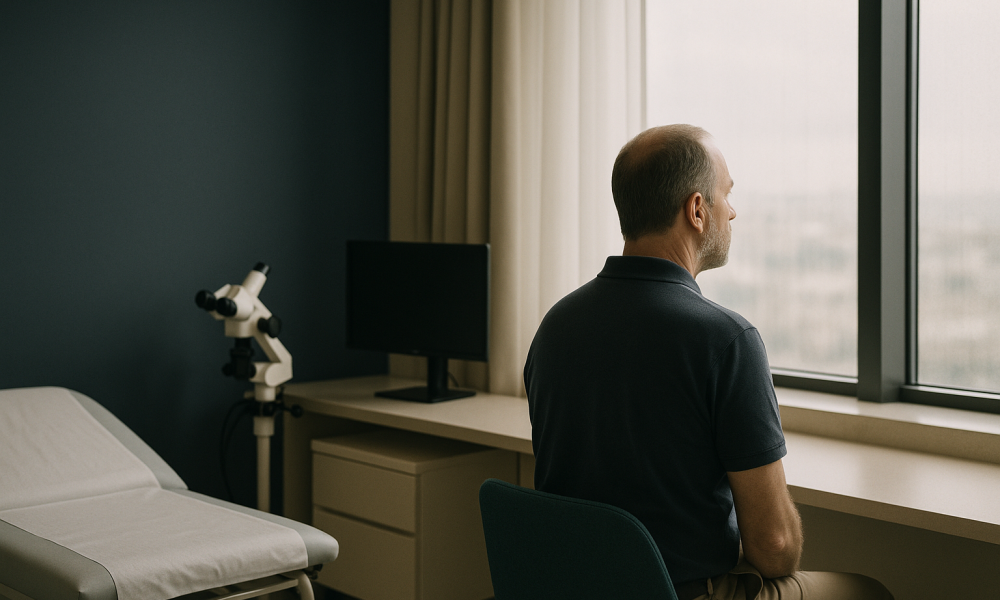
What Micro-TESE is and who it is for
Microdissection Testicular Sperm Extraction (Micro-TESE) is a specialised surgical procedure designed to retrieve sperm directly from the testicular tissue. This technique is particularly utilised in cases of non-obstructive azoospermia (NOA), a condition where sperm production is hindered or absent, resulting in the absence of sperm in the ejaculate. Micro-TESE involves the use of an operating microscope to identify and extract seminiferous tubules that are likely to contain sperm, thereby offering a higher chance of sperm retrieval compared to conventional methods.
The procedure is primarily indicated for men with NOA, where hormonal or medical therapies have not resulted in sperm production. It is also an option for those who have undergone cancer treatments or have genetic conditions affecting sperm production, such as Klinefelter syndrome. The operation is performed under general anaesthesia to ensure patient comfort and minimise movement during the delicate extraction process.
Micro-TESE is often recommended when other less invasive methods, such as testicular sperm aspiration (TESA) or percutaneous sperm aspiration (PESA), have failed to yield viable sperm. The advantage of Micro-TESE lies in its precision; the use of a microscope allows the surgeon to selectively target areas of the testis that are more likely to contain sperm, thereby maximising the chances of successful sperm retrieval while minimising damage to the testicular tissue.
In Turkey, Micro-TESE is offered by numerous clinics equipped with state-of-the-art facilities and experienced fertility specialists. The typical procedure time ranges from 2 to 3 hours, and patients can expect a hospital stay of 1 to 2 days post-surgery. The cost of Micro-TESE in Turkey is generally more affordable compared to the UK, with typical prices ranging from £3,000 to £5,000, making it an attractive option for international patients seeking high-quality medical care at competitive prices.
Are you a good candidate?
Determining whether you are a suitable candidate for Micro-TESE involves a thorough evaluation by a fertility specialist. This includes a detailed medical history, physical examination, and a series of tests to assess the underlying cause of azoospermia. The procedure is generally recommended for men who have been diagnosed with non-obstructive azoospermia, where there is no blockage in the reproductive tract, but sperm production is impaired.
- Diagnosis of non-obstructive azoospermia confirmed by a specialist.
- Previous unsuccessful attempts at sperm retrieval through less invasive methods.
- Normal levels of follicle-stimulating hormone (FSH) or slightly elevated levels, indicating some level of spermatogenic activity.
- Absence of obstructive causes such as vasectomy or congenital absence of the vas deferens.
- Willingness to undergo genetic testing if a chromosomal abnormality is suspected.
- Stable general health to undergo surgery with general anaesthesia.
- Supportive partner or family member to aid in recovery and decision-making.
Additionally, candidates should be informed about the potential outcomes and limitations of the procedure. While Micro-TESE offers a higher success rate in retrieving sperm compared to other methods, it does not guarantee fertilisation or pregnancy. Patients should also be prepared for the possibility of requiring assisted reproductive technologies (ART) such as in vitro fertilisation (IVF) with intracytoplasmic sperm injection (ICSI) to achieve conception.
Consultation with a fertility specialist in Turkey can provide a more personalised assessment, taking into account your unique medical history and fertility goals. Clinics in Turkey often offer comprehensive packages that include pre-procedure consultations, the Micro-TESE surgery, and follow-up care, ensuring a seamless and supportive experience for international patients.
The procedure, step by step
Micro-TESE, or Microsurgical Testicular Sperm Extraction, is a delicate procedure aimed at retrieving sperm directly from the testicular tissue in cases of non-obstructive azoospermia. This condition is characterised by the absence of sperm in the ejaculate due to failure of sperm production. Understanding each step of the procedure can help alleviate concerns and set realistic expectations.
- Pre-operative Consultation: Prior to the procedure, a comprehensive consultation is conducted. This involves a detailed discussion of the patient’s medical history, previous fertility treatments, and a thorough examination. Blood tests and hormonal assessments are typically performed to evaluate overall health and reproductive potential.
- Anaesthesia: The procedure is usually performed under general anaesthesia to ensure patient comfort. Anaesthesia options and risks are discussed during the pre-operative consultation, and an anaesthetist will be present to monitor the patient throughout the surgery.
- Surgical Preparation: The patient is positioned comfortably, and the surgical area is sterilised to minimise infection risks. A small incision, typically around 2-3 cm, is made in the scrotum to access the testicular tissue.
- Microsurgical Exploration: Using an operating microscope, the surgeon carefully examines the seminiferous tubules within the testicle. This high-magnification view allows the surgeon to identify and extract the most promising tissue for sperm retrieval, minimising damage to the testicle.
- Tissue Extraction: Once identified, small samples of testicular tissue are extracted. The samples are immediately examined under a laboratory microscope to check for the presence of viable sperm. Multiple samples may be taken to optimise the chances of finding sperm.
- Closure: After successful extraction, the incision is carefully sutured with dissolvable stitches, reducing the need for stitch removal. The area is then dressed to protect against infection and to support healing.
- Post-operative Care: The patient is monitored in a recovery room until the effects of anaesthesia have worn off. Detailed post-operative care instructions are provided, including pain management, activity restrictions, and signs of potential complications to watch for.
Micro-TESE is a sophisticated procedure that requires a skilled surgical team and state-of-the-art facilities. Patients are encouraged to ask questions and express any concerns during the pre-operative consultation to ensure they are fully informed and comfortable with the process.
Recovery timeline
The recovery phase following a Micro-TESE procedure is crucial for ensuring optimal healing and minimising complications. The timeline can vary depending on individual circumstances, but the following table provides a general overview of what can be expected during the recovery period:
| Period | What to expect | Care notes |
|---|---|---|
| Day 1 | Patients typically experience mild to moderate discomfort and swelling in the scrotal region. | Rest is essential. Apply ice packs intermittently to reduce swelling and take prescribed pain medication as directed. |
| Days 2-3 | Swelling and discomfort may persist, but should gradually decrease. Some bruising may appear. | Continue to rest and avoid strenuous activities. Wearing supportive underwear can help alleviate discomfort. |
| Week 1 | Most patients notice a significant reduction in pain and swelling. Bruising may still be visible. | Follow up with your healthcare provider for a post-operative check-up. Keep the incision area clean and dry. |
| Weeks 2-4 | Residual tenderness might be present. Stitches, if not dissolvable, are usually removed during this period. | Gradually resume normal activities, avoiding heavy lifting and vigorous exercise until cleared by your doctor. |
| Full Recovery (4-6 weeks) | Complete healing of the incision site. Patients can typically return to all normal activities. | Attend any scheduled follow-up appointments. Report any unusual symptoms, such as persistent pain or swelling, to your healthcare provider. |
It is important to adhere to the post-operative care instructions provided by your healthcare team to ensure a smooth recovery. Following these guidelines can help minimise the risk of complications and promote efficient healing.
What it costs: Turkey vs the United Kingdom
When considering microdissection testicular sperm extraction (Micro-TESE), understanding the cost implications is crucial. The costs of medical procedures can vary significantly between countries, and Turkey has become a popular destination for medical tourism due to its competitive pricing and high standards of care. In this section, we will compare the indicative costs of Micro-TESE in Turkey and the United Kingdom, and detail what these costs typically include.
| Country | Indicative Price Range (GBP) | Typical Inclusions |
|---|---|---|
| Turkey | £2,000 – £4,000 |
|
| United Kingdom | £5,000 – £8,000 |
|
It is important to note that the figures provided above are indicative and can vary based on multiple factors including the specific healthcare provider, the complexity of the case, and any additional services required. In Turkey, many clinics offer comprehensive packages that include not only the medical procedure and necessary hospital stay but also accommodation and local transport, which can significantly ease the logistics for international patients.
In contrast, the costs in the United Kingdom are generally higher, and while they often cover the medical aspects of the procedure, additional logistical expenses such as accommodation and transport are typically not included. This difference in pricing is one of the reasons Turkey has emerged as a preferred destination for those seeking Micro-TESE, offering a balance of cost-effectiveness and quality of care.
Prospective patients should ensure they receive a detailed breakdown of what is included in their chosen package and confirm all costs upfront to avoid unexpected expenses. It is also advisable to inquire about the credentials of the medical team and the accreditation of the facility to ensure high standards of care are met.
Risks and how accredited providers manage them
Like any surgical procedure, Micro-TESE carries potential risks which need to be carefully considered. Understanding these risks and how accredited providers in Turkey manage them can help patients make informed decisions. The primary risks associated with Micro-TESE include infection, bleeding, and potential damage to the testicular tissue. There is also the possibility of not retrieving viable sperm, which can be emotionally challenging for patients.
Accredited providers in Turkey employ a range of strategies to mitigate these risks. First and foremost, clinics adhere to strict hygiene and sterilisation protocols to minimise the risk of infection. This includes using sterile equipment and maintaining a clean surgical environment. Pre-operative assessments are also conducted to ensure the patient is in optimal health before undergoing the procedure, reducing the likelihood of complications.
In terms of managing bleeding, surgeons in accredited facilities are highly trained and experienced in the micro-surgical techniques required for Micro-TESE. This expertise helps in precisely targeting the areas of the testicle where sperm production is most likely, thereby minimising unnecessary tissue damage and associated bleeding.
To address the risk of not retrieving viable sperm, many clinics offer thorough pre-procedure counselling to set realistic expectations. Patients are informed about the chances of success based on their specific medical history and condition. This transparency helps in managing expectations and preparing patients for all potential outcomes.
Furthermore, accredited providers often have protocols in place for post-operative care to monitor patients for any signs of complications. This includes regular follow-ups and access to medical professionals who can address concerns as they arise. Some clinics also offer psychological support services to help patients and their families cope with the emotional aspects of infertility treatment.
Choosing an accredited provider is crucial for ensuring a high standard of care. Accreditation from recognised bodies such as the Joint Commission International (JCI) or the Turkish Ministry of Health signifies that the clinic meets international standards for healthcare quality and patient safety. Prospective patients should verify these accreditations and consider them as part of their decision-making process.
How to choose the right provider
When considering micro-TESE in Turkey, selecting the right provider is paramount. Accreditation is a key indicator of quality and safety. Look for clinics accredited by international bodies such as the Joint Commission International (JCI) or the International Organization for Standardization (ISO). These accreditations ensure that the facility adheres to global healthcare standards.
Surgeon experience is another critical factor. Research the surgeon’s background, focusing on their training, years of experience, and the number of micro-TESE procedures they have performed. A surgeon with extensive experience in micro-TESE will likely have a deeper understanding of the complexities involved and may offer better surgical outcomes.
Aftercare services are crucial for a smooth recovery. Ensure the provider offers comprehensive post-operative care, including follow-up consultations and support services. This might involve coordination with your local healthcare providers upon returning home.
Be aware of red flags that might indicate subpar services. Be cautious of clinics that guarantee success or offer prices significantly lower than the typical range of £2,500 to £4,500. Transparency in communication, especially regarding potential risks and realistic outcomes, is essential. Avoid providers who are unwilling to discuss these openly.
Additionally, consider patient testimonials and reviews, though these should be taken with a degree of caution. Look for consistent patterns in feedback that highlight both strengths and weaknesses of the provider.
Planning your trip
Planning your trip to Turkey for a micro-TESE procedure involves several key steps. Start by establishing a timeline. Ideally, begin planning 3 to 6 months in advance to accommodate consultations, travel arrangements, and any necessary medical preparations. This timeframe allows for thorough research and ensures all aspects of your trip are well-organised.
Gather necessary documents, including your medical records, passport, and any required visas. It’s advisable to carry copies of your medical history, including previous fertility evaluations, as these will assist your Turkish healthcare provider in crafting a personalised treatment plan.
The typical length of stay in Turkey for a micro-TESE procedure ranges from 7 to 10 days. This duration covers pre-surgical consultations, the procedure itself, and initial recovery. However, individual circumstances may vary, so discuss this with your provider to tailor your itinerary accordingly.
Consider your follow-up care upon returning to the UK. Arrange for a local healthcare provider to manage any ongoing recovery needs. It’s beneficial to have a clear plan for follow-up appointments, either virtually with your Turkish provider or with a local specialist, to monitor your progress and address any concerns.
In terms of travel logistics, book accommodation close to the clinic to minimise stress and travel time. Ensure your accommodation is comfortable and equipped to support your recovery, such as having elevators if needed.
Lastly, check the current travel advisories for Turkey and ensure you have comprehensive travel insurance that covers medical treatments abroad. This will provide peace of mind and financial protection in the event of unexpected circumstances.
Frequently Asked Questions
What is the typical cost of micro-TESE in Turkey?
The cost of micro-TESE in Turkey typically ranges from £2,500 to £4,500. This is an indicative range that varies based on the clinic, the surgeon's expertise, and the specific requirements of the procedure. It's important to discuss all potential costs upfront with your chosen provider to avoid any unexpected expenses.
Is micro-TESE safe?
Micro-TESE is generally considered safe when performed by experienced surgeons in accredited facilities. Like any surgical procedure, it carries some risks, including infection or bleeding. Choosing a reputable provider with a strong track record in micro-TESE and ensuring thorough post-operative care can significantly mitigate these risks.
How long should I plan to stay in Turkey for the procedure?
Patients typically stay in Turkey for 7 to 10 days for a micro-TESE procedure. This period covers pre-surgical consultations, the surgery itself, and initial recovery. The exact duration may vary based on individual recovery times and any additional treatments or consultations required.
What documents do I need to bring for treatment?
You should bring your passport, any necessary visas, and comprehensive medical records. These records should include previous fertility evaluations and any relevant health information to assist the Turkish healthcare provider in developing a tailored treatment plan.
How do I verify the accreditation of a clinic?
To verify a clinic's accreditation, check for certifications from international bodies such as the Joint Commission International (JCI) or the International Organization for Standardization (ISO). These accreditations ensure the clinic meets global healthcare standards and practices.
What should I consider when choosing a surgeon?
When choosing a surgeon, consider their training, years of experience, and the number of micro-TESE procedures they have performed. A surgeon with a substantial track record in micro-TESE is likely to have a better understanding of the procedure, potentially leading to improved outcomes.
Will there be language barriers during my treatment?
Most reputable clinics in Turkey catering to international patients offer services in English and often have multilingual staff. It's advisable to confirm this with your provider. Additionally, translation services can be arranged if needed to ensure clear communication throughout your treatment.
What aftercare services are typically provided?
Aftercare services typically include follow-up consultations, both in-person or virtual, and coordination with local healthcare providers upon returning home. Comprehensive aftercare is essential for monitoring recovery and addressing any complications that may arise post-surgery.
Are there any red flags to watch out for when selecting a clinic?
Be cautious of clinics that guarantee success or offer prices significantly lower than the typical range. Lack of transparency in discussing potential risks and outcomes is a red flag. Additionally, ensure the clinic is accredited by recognised international bodies for assurance of quality and safety.
Can I have follow-up care in the UK after my treatment?
Yes, follow-up care in the UK is essential after your procedure. Arrange for a local healthcare provider to oversee your recovery and address any ongoing needs. Coordination between your Turkish provider and UK-based doctor can facilitate a smoother transition and ensure comprehensive care.
What travel arrangements should I consider for my trip?
Plan your travel well in advance, including flights, accommodation near the clinic, and transportation. Ensure your accommodation supports your recovery needs, such as being accessible if mobility is an issue. Also, check travel advisories and have comprehensive travel insurance covering medical treatments abroad.
How can I manage the costs of treatment abroad?
To manage costs, request a detailed breakdown of expenses from your provider. Consider additional costs such as travel, accommodation, and aftercare. Some patients explore financing options or medical tourism packages that may offer bundled services at a reduced rate. Always ensure transparency in pricing to avoid unexpected expenses.