
What Mini Facelift is and who it is for
A mini facelift, also known as a short-scar facelift or ‘weekend facelift’, is a cosmetic surgical procedure aimed at rejuvenating the mid to lower face and neck. It is less invasive than a traditional facelift and focuses on lifting and tightening sagging skin, particularly around the jawline and neck. This procedure is popular among individuals seeking a more youthful appearance with minimal downtime.
The mini facelift typically involves making small incisions around the ears, which allows the surgeon to lift and reposition the underlying tissues and muscles. Excess skin is removed, and the remaining skin is tightened to create a smoother, more youthful contour. The procedure is usually performed under local anaesthesia with sedation, allowing for a quicker recovery compared to more extensive facelift surgeries.
This procedure is particularly well-suited for individuals in their 40s to 50s who are beginning to notice signs of ageing but do not yet require a full facelift. It addresses issues such as mild to moderate sagging skin, jowls, and neck laxity. By focusing on the lower third of the face, the mini facelift offers a subtle yet effective improvement in facial appearance without the extensive scarring and recovery time associated with traditional facelifts.
Turkey has become a popular destination for mini facelift procedures due to its combination of skilled surgeons, modern facilities, and cost-effective pricing. Patients can expect to pay between £1,500 and £3,000 for a mini facelift in Turkey, a fraction of the cost compared to the United States, where similar procedures can range from £5,000 to £8,000. This makes Turkey an attractive option for those seeking high-quality care at a more affordable price.
Overall, the mini facelift is ideal for those looking to refresh their appearance with a natural-looking result. It is a highly personalised procedure, with surgeons tailoring the approach to each individual’s unique facial structure and aesthetic goals. The outcome is a rejuvenated look that enhances one’s natural beauty without appearing “overdone” or artificial.
Are you a good candidate?
Determining whether you are a suitable candidate for a mini facelift involves several considerations. The procedure is not appropriate for everyone, and a thorough assessment by a qualified surgeon is essential to ensure the best outcomes. Generally, the ideal candidate is someone who seeks improvement in facial appearance but wishes to avoid the extensive recovery time and higher risks associated with more invasive surgeries.
Consider the following criteria to determine if you might be a good candidate for a mini facelift:
- Age: Typically, candidates are in their 40s to 50s, although older individuals with good skin elasticity may also benefit.
- Skin Condition: Mild to moderate skin laxity in the lower face and neck, such as jowls or sagging skin.
- Health Status: Generally healthy individuals without significant medical conditions that could impair healing.
- Non-smoker: Smoking can impede healing and affect surgical outcomes, so non-smokers or those willing to quit before and after surgery are preferred.
- Realistic Expectations: Understanding that while the mini facelift can significantly enhance appearance, it does not halt the ageing process or produce results identical to a full facelift.
- Commitment to Aftercare: Willingness to follow post-operative care instructions to ensure optimal healing and results.
- Emotional Well-being: A stable psychological state and clear motivations for seeking the procedure.
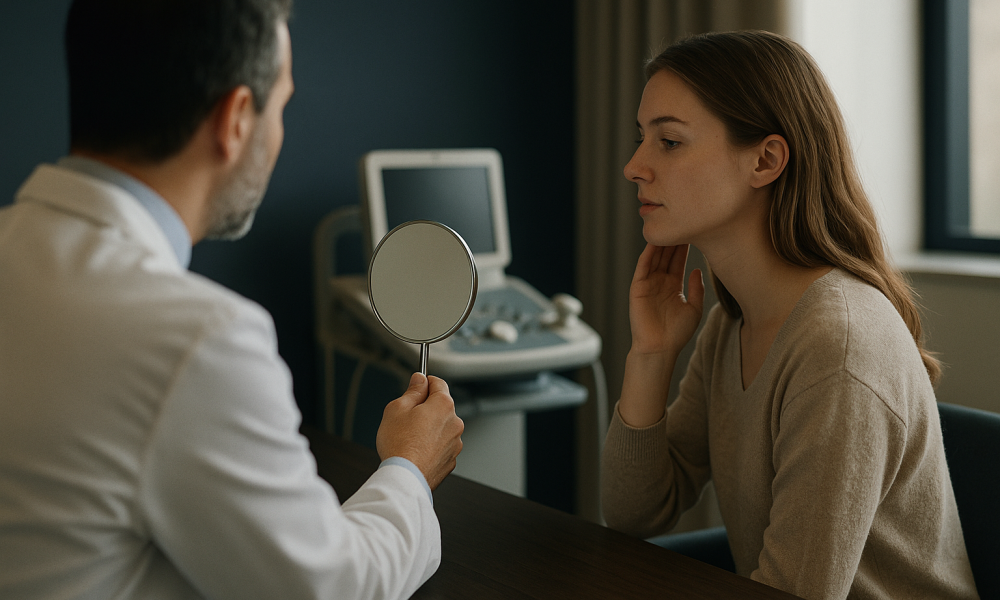
Assessing these factors with your surgeon is crucial, as they can help determine the most appropriate treatment plan tailored to your needs. The consultation process will usually involve a detailed discussion of your aesthetic goals, a physical examination, and a review of your medical history. This ensures that the mini facelift is not only a safe option for you but also aligns with your expectations and desired outcomes.
Ultimately, the decision to undergo a mini facelift should be made after careful consideration and consultation with a qualified professional who can provide guidance and support throughout the process.
The procedure, step by step
A mini facelift, often referred to as a short-scar facelift or limited incision facelift, is a surgical procedure aimed at rejuvenating the lower face and neck. This procedure is typically performed under local anaesthesia with sedation or general anaesthesia, depending on the patient’s preference and the surgeon’s recommendation. Below is a detailed step-by-step guide to what the procedure entails:
- Consultation and Planning: Prior to the surgery, patients will have a detailed consultation with their surgeon. During this session, the surgeon will assess the patient’s facial structure, skin elasticity, and discuss medical history. A customised plan will be developed to address the patient’s specific needs and expected outcomes.
- Pre-operative Preparation: On the day of the surgery, patients are advised to avoid eating or drinking for at least 6-8 hours before the procedure if general anaesthesia is used. The surgical area is cleansed, and markings are made on the face to guide the incisions.
- Incision: The procedure begins with small incisions made around the ears. The incision typically starts at the hairline near the temples, continues around the ear, and ends in the lower scalp. The incisions are strategically placed to minimise visible scarring.
- Muscle and Tissue Adjustment: Once the incisions are made, the surgeon lifts and repositions the underlying facial muscles and tissues. This adjustment helps to create a more youthful contour by tightening the sagging areas.
- Excess Skin Removal: After the underlying tissues are adjusted, excess skin is trimmed away. This step is crucial for eliminating wrinkles and sagging skin, particularly around the jawline and neck.
- Closure: The incisions are carefully closed with sutures or skin adhesives. The surgeon ensures that the closure is precise to minimise scarring and promote optimal healing.
- Post-operative Care: After the procedure, the patient is moved to a recovery area. A compression bandage may be applied to reduce swelling and support the healing process. Patients are usually discharged the same day, though some may stay overnight for observation.
It is important for patients to follow all post-operative instructions provided by their surgeon to ensure a smooth recovery and achieve the best possible results.
Recovery timeline
Recovering from a mini facelift involves a series of stages. Patients should understand what to expect at each stage and adhere to care guidelines to ensure optimal healing. Below is a comprehensive recovery timeline:
| Period | What to expect | Care notes |
|---|---|---|
| Day 1-3 | Swelling and bruising are common. Some discomfort and tightness may be felt around the incision sites. | Rest with head elevated. Use cold compresses to reduce swelling. Take prescribed pain medication as needed. |
| Day 4-7 | Swelling begins to decrease. Bruising may still be visible. Patients may start to feel more comfortable. | Avoid strenuous activities. Continue to use cold compresses. Follow up with the surgeon for a check-up. |
| Week 2 | Bruising significantly reduces. Most patients can return to work and normal activities. | Apply sunscreen to protect healing skin. Resume light activity but avoid heavy lifting or vigorous exercise. |
| Week 3-4 | Swelling continues to diminish. Incision lines begin to fade and soften. | Regularly massage incision areas as advised by the surgeon. Moisturise the skin to maintain elasticity. |
| Week 5-6 | Most residual swelling and stiffness resolve. Final results start to appear. | Engage in regular facial exercises if recommended. Attend a follow-up appointment for progress assessment. |
| Full recovery (2-3 months) | Complete healing of incisions. Patients can fully enjoy the rejuvenated appearance. | Maintain a healthy lifestyle to prolong results. Regularly consult with the surgeon for any concerns. |
The recovery process can vary based on individual health conditions and adherence to post-operative care. It is crucial to follow the surgeon’s advice throughout the recovery period to achieve the best outcome.
What it costs: Turkey vs the United States
When considering a mini facelift, cost is often a significant factor influencing the decision to undergo the procedure abroad. Turkey has emerged as a popular destination for cosmetic surgery, not least because of its competitive pricing compared to the United States. However, it’s crucial to understand that these figures are indicative and can vary based on several factors, including the specific clinic, the surgeon’s expertise, and what is included in the package.
The following table provides a comparative overview of typical price ranges for a mini facelift in Turkey versus the United States:
| Country | Indicative Price Range (USD) | Typical Package Inclusions |
|---|---|---|
| Turkey | $2,500 – $4,000 |
|
| United States | $6,000 – $10,000 |
|
As illustrated, the cost of a mini facelift in Turkey can be significantly lower than in the United States, often by as much as 50% to 70%. This affordability is due to lower operational costs in Turkey and a favourable exchange rate, allowing international patients to receive high-quality care at a fraction of the price.
Moreover, many Turkish clinics offer comprehensive packages that include not only the surgery itself but also additional services such as accommodation, airport transfers, and even local sightseeing tours, making it more convenient for international patients. It is essential to clarify what exactly is included in your package to avoid unexpected expenses.
When evaluating costs, prospective patients should also consider the value of post-operative care. Turkish clinics typically provide thorough follow-up care, which is crucial for monitoring recovery and ensuring the best possible outcomes. The inclusion of post-operative follow-up in the initial package can add significant value, as these visits are often charged separately in the United States.
Though cost is a critical consideration, it should not be the only factor guiding your decision. Quality of care, surgeon expertise, and facility accreditation are equally important in ensuring a safe and satisfactory surgical experience. Always conduct thorough research and consult with multiple providers before making a decision.
Risks and how accredited providers manage them
Like any surgical procedure, a mini facelift carries certain risks, and it is essential for prospective patients to be well-informed about these potential complications. Common risks associated with mini facelifts include infection, bleeding, scarring, anaesthesia complications, and dissatisfaction with aesthetic results. Accredited providers in Turkey are committed to minimising these risks through rigorous protocols and standards.
Firstly, infection is a risk inherent to any surgical intervention. Accredited clinics in Turkey adhere to strict hygiene and sterilisation protocols to prevent post-operative infections. This includes the use of sterile equipment, clean surgical environments, and pre-operative antibiotic prophylaxis when necessary. Patients are also provided with detailed post-operative care instructions to maintain hygiene and monitor for any signs of infection.
Bleeding is another possible risk, which is generally managed by conducting thorough pre-operative assessments to ensure patients are in good health. Surgeons in accredited Turkish clinics are trained to handle bleeding complications promptly should they occur during or after the procedure. Compression dressings and careful monitoring are standard practices to minimise this risk.
Scarring, while a natural outcome of any incision, is typically minimal with a mini facelift due to the smaller incisions used. Accredited surgeons employ advanced techniques to place incisions in discreet locations and use fine sutures to promote optimal healing and minimise visible scarring. Patients are advised on proper wound care to support this process.
Complications related to anaesthesia, though rare, are taken seriously. Accredited facilities in Turkey employ certified anaesthesiologists who conduct detailed pre-operative assessments to tailor anaesthesia plans to each patient’s health profile. Continuous monitoring during surgery ensures any issues are addressed immediately.
Dissatisfaction with aesthetic results can occur when expectations are not aligned with realistic outcomes. Accredited Turkish providers manage this risk through comprehensive pre-operative consultations that include detailed discussions about the patient’s goals, limitations of the procedure, and expected results. Surgeons often use digital imaging tools to help patients visualise potential outcomes.
Accredited clinics in Turkey are subject to regular inspections and must comply with national and international healthcare standards. This accreditation process ensures that facilities maintain high safety and quality standards, providing reassurance to international patients. Choosing an accredited provider is a crucial step in ensuring a safe and satisfactory mini facelift experience.
Ultimately, while risks cannot be entirely eliminated, they can be effectively managed by choosing a reputable clinic with experienced surgeons. Prospective patients should feel empowered to ask questions and seek detailed information about the procedures and protocols in place to ensure their safety and satisfaction.
How to choose the right provider
When considering a mini facelift in Turkey, selecting the right provider is paramount to ensure both safety and satisfaction with the results. Start by verifying the accreditation of the clinic or hospital. Facilities accredited by international bodies such as the Joint Commission International (JCI) or ISO demonstrate adherence to global quality standards. Accreditation ensures that the facility maintains high standards of medical care, hygiene, and patient safety.
Surgeon experience is another critical factor. Look for surgeons who specialise in facial plastic surgery and have extensive experience performing mini facelifts. You may request to see before-and-after photos of previous patients and inquire about the surgeon’s training background, certifications, and years of practice. A surgeon with a strong portfolio and positive patient testimonials is more likely to deliver satisfactory results.
Aftercare is an essential aspect of your treatment journey. Ensure the provider offers comprehensive aftercare services that include follow-up appointments and support during the recovery period. Ask if they provide detailed post-operative instructions and have a dedicated team available to address any concerns or complications that may arise.
Be vigilant for red flags during your research. Avoid clinics that offer unusually low prices, as this may indicate compromised quality or hidden costs. Be wary of providers who offer guarantees of specific outcomes, as no surgical procedure can promise exact results. Also, ensure that the clinic communicates transparently, providing clear information about the procedure, costs, and potential risks.
Finally, consider seeking recommendations from international patients who have undergone similar procedures. Online forums, reviews, and patient testimonials can offer valuable insights into the experiences of others and help guide your decision-making process.
Planning your trip
Planning your trip for a mini facelift in Turkey involves careful consideration of several factors to ensure a smooth and stress-free experience. Begin by establishing a realistic timeline before travel. It’s advisable to start researching and contacting potential providers at least three to four months prior to your intended travel date. This allows ample time to gather information, schedule consultations, and make informed decisions.
Ensure that you possess all necessary documents. A valid passport is essential, with at least six months remaining before expiration. Depending on your nationality, you may also require a visa to enter Turkey, which can often be obtained online through the Turkish e-Visa system.
Consider your length of stay in Turkey. While the mini facelift procedure itself is typically performed on an outpatient basis, it is recommended to plan for a stay of at least 7-10 days. This allows adequate time for pre-operative consultations, the procedure, and initial recovery, including any follow-up appointments to ensure you are healing properly before returning home.
Arrange for accommodation that is comfortable and conveniently located near your chosen medical facility. Many clinics offer assistance in booking hotels or serviced apartments for international patients, which can be beneficial in terms of both convenience and cost.
Consider your follow-up care at home. Discuss with your provider about the post-surgery care plan and any necessary follow-up appointments. Ensure you have access to a local healthcare provider in your home country who can assist with your recovery and address any concerns that may arise post-travel.
Finally, consider purchasing travel insurance that covers medical procedures abroad. This provides an additional layer of protection against unforeseen circumstances, offering peace of mind during your medical journey.
Frequently Asked Questions
What is the typical cost of a mini facelift in Turkey?
The cost of a mini facelift in Turkey can vary depending on the clinic, surgeon's expertise, and the complexity of the procedure. Typically, you can expect to pay between £2,000 and £4,000. This price range is indicative and may include additional costs such as pre-operative consultations, anaesthesia, and post-operative care. It's important to clarify with your chosen provider what is included in the quoted price to avoid any hidden fees.
How safe is it to undergo plastic surgery in Turkey?
Undergoing plastic surgery in Turkey is generally safe, especially when you choose accredited facilities and experienced surgeons. Turkey has a well-established medical tourism sector with many clinics that adhere to international standards. However, as with any surgical procedure, there are inherent risks. It's crucial to thoroughly research and select a reputable provider, verify their credentials, and ensure they offer comprehensive aftercare services to mitigate risks and ensure a safe experience.
How long is the recovery period after a mini facelift?
The recovery period for a mini facelift varies among individuals but typically ranges from one to two weeks. Most patients can expect swelling and bruising to subside significantly within the first week, allowing them to return to normal activities. However, it's advisable to avoid strenuous activities and exposure to direct sunlight for at least four weeks post-surgery. Always follow your surgeon's specific recovery guidelines to ensure optimal healing and results.
What should I pack for my medical trip to Turkey?
When packing for your medical trip to Turkey, consider bringing comfortable clothing, personal toiletries, and any prescribed medications. Include a folder with all necessary medical documents, including your passport, visa (if required), and any medical records. A travel pillow and compression socks may be helpful for the flight. It's also wise to pack a few items for entertainment during recovery, such as books or a tablet.
Are there any non-surgical alternatives to a mini facelift?
Yes, there are non-surgical alternatives to a mini facelift, such as dermal fillers, Botox injections, and thread lifts. These treatments can offer temporary improvements in facial appearance by reducing wrinkles and enhancing skin elasticity. However, they do not provide the same long-lasting results as a surgical facelift. Discuss with a qualified aesthetic practitioner to determine the most suitable option based on your individual needs and expectations.
How do I verify a surgeon's credentials in Turkey?
To verify a surgeon's credentials in Turkey, check if they are registered with the Turkish Society of Plastic Reconstructive and Aesthetic Surgeons (TPRECD). You can also inquire about their board certifications and ask for evidence of their training and experience in facial plastic surgery. Many reputable clinics provide information about their surgeons on their websites, including qualifications and patient reviews.
What is included in the typical mini facelift package in Turkey?
A typical mini facelift package in Turkey may include the surgical procedure, anaesthesia, pre-operative consultations, and post-operative care. Some packages also offer additional services like airport transfers, accommodation arrangements, and a personal assistant or translator. It's important to communicate with the clinic to confirm what is included in the package and to ensure there are no hidden costs.
How do I manage post-surgery care when I return home?
Managing post-surgery care after returning home involves following the surgeon's recovery guidelines, which typically include keeping incisions clean, avoiding strenuous activities, and attending follow-up appointments. It's advisable to have a local healthcare provider available for any necessary check-ups or concerns. Ensure you have all necessary documentation from your Turkish provider to share with your local doctor.
What are the risks associated with a mini facelift?
As with any surgical procedure, a mini facelift carries risks such as infection, bleeding, scarring, and anaesthesia complications. There is also the possibility of temporary or permanent changes in skin sensation and dissatisfaction with aesthetic outcomes. Choosing an experienced surgeon and accredited facility can minimise these risks. Discuss all potential risks and complications with your surgeon prior to the procedure.
How long should I stay in Turkey for a mini facelift?
For a mini facelift, it's recommended to stay in Turkey for at least 7-10 days. This duration allows time for pre-operative consultations, the procedure itself, and initial recovery, including follow-up appointments to ensure proper healing. Planning for this length of stay helps ensure you receive adequate care and are ready to travel safely back home.
Will I need a visa to travel to Turkey for surgery?
Whether you need a visa to travel to Turkey depends on your nationality. Many nationalities can obtain an e-Visa online quickly and conveniently through the Turkish e-Visa system. It's important to check the specific visa requirements based on your passport and ensure you have all necessary documents ready before your trip.
How do I handle communication with Turkish clinics if I don't speak Turkish?
Most Turkish clinics catering to international patients have English-speaking staff or offer translation services to assist with communication. It's advisable to confirm the availability of such services during your initial inquiries. Some clinics may also provide a personal assistant or translator as part of their medical tourism packages to ensure clear and effective communication throughout your treatment journey.