
What Pacemaker Implantation Abroad is and who it is for
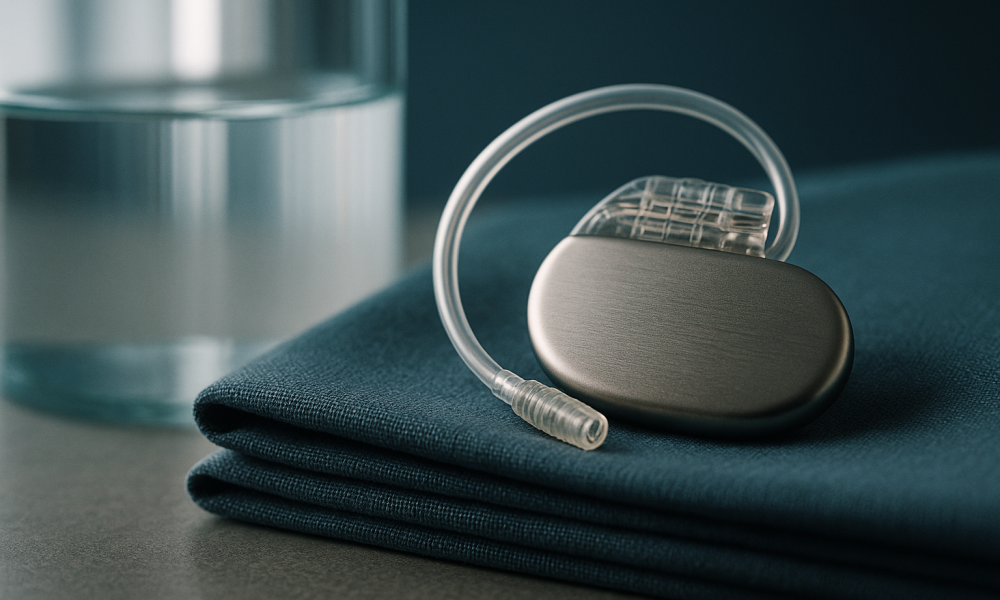
Pacemaker implantation is a medical procedure designed to manage arrhythmias, which are irregular heartbeats. This device helps to regulate the heartbeat by sending electrical impulses to the heart muscles, ensuring that the heart beats at a normal rate. For many patients, this procedure can significantly enhance quality of life, reducing symptoms such as fatigue, dizziness, and fainting spells. In Turkey, pacemaker implantation is performed by experienced cardiologists in state-of-the-art medical facilities. The country has become a notable destination for this procedure due to its combination of high-quality healthcare services and competitive pricing.
The process of getting a pacemaker involves placing the device under the skin near the heart, typically in the chest area. The procedure is minimally invasive and generally requires local anaesthesia. Patients can expect the surgery to last between one to two hours. After the procedure, a short hospital stay of one to two days is common to ensure proper recovery and to monitor the initial functioning of the device.
Turkey’s medical tourism sector is well-regulated, with many hospitals holding international accreditations such as JCI (Joint Commission International). These accreditations ensure that healthcare facilities meet rigorous global standards, providing reassurance to international patients. Additionally, many Turkish cardiologists have extensive training and experience, often having studied or worked abroad, which contributes to the high standards of care.
Patients from the United States may find Turkey an attractive option for pacemaker implantation due to the cost advantages. While the price of the procedure can vary depending on the specific requirements and the facility chosen, indicative costs in Turkey typically range from £4,000 to £8,000. This is significantly lower than the costs in the United States, where similar procedures can exceed £20,000.
Are you a good candidate?
Determining whether you are a suitable candidate for pacemaker implantation abroad involves multiple considerations. This procedure is generally recommended for individuals experiencing chronic arrhythmias that cannot be effectively managed with medication alone. Candidates often include those with conditions such as bradycardia (a slower than normal heartbeat), heart block (where the heart’s electrical signals are delayed or blocked), or other forms of arrhythmias that result in significant symptoms.
Before considering pacemaker implantation in Turkey, patients should undergo a comprehensive evaluation by a qualified cardiologist. This evaluation typically includes a detailed medical history, a physical exam, and diagnostic tests such as an electrocardiogram (ECG), Holter monitor, echocardiogram, or stress tests. Based on these assessments, your cardiologist can determine if a pacemaker is the appropriate treatment for your condition.
- Have you been diagnosed with a type of arrhythmia that affects your quality of life?
- Have medications proven ineffective or caused undesirable side effects?
- Is your cardiologist recommending pacemaker implantation as the next step?
- Are you physically able to undergo a minor surgical procedure?
- Do you understand the benefits and limitations of pacemaker implantation?
- Are you prepared for the follow-up care required post-implantation?
For those considering treatment abroad, it’s also essential to have a support system in place. This includes arranging for travel and accommodation, understanding the logistics of the healthcare facility, and ensuring that follow-up care can be coordinated with your healthcare providers back home. Additionally, patients should ensure they have access to emergency care if needed, both in Turkey and upon returning to the United States.
The procedure, step by step
Pacemaker implantation is a well-established procedure, typically performed under local anaesthesia. Here is a detailed step-by-step guide to help you understand what to expect during the procedure:
- Pre-procedure Preparation: Prior to the procedure, you will undergo a series of assessments, including blood tests, chest X-ray, and an electrocardiogram (ECG). These tests help ensure you are fit for the procedure. You will also meet with the cardiologist to discuss the procedure, potential risks, and to obtain your informed consent.
- Administration of Anaesthesia: On the day of the procedure, you will be taken to the operating room. Local anaesthesia is administered to numb the area where the pacemaker will be implanted, typically just below the collarbone. Sedation may also be given to help you relax, but you will remain awake during the procedure.
- Incision and Lead Insertion: A small incision, about 5-7 cm, is made to access a vein. Through this vein, the leads (thin insulated wires) are guided to the heart with the help of fluoroscopy, a type of real-time X-ray. The leads are positioned in the heart’s right atrium and/or right ventricle, depending on the type of pacemaker required.
- Connection and Testing: Once the leads are in place, they are connected to the pacemaker generator, a small device that is implanted under the skin. The cardiologist tests the system to ensure the pacemaker is functioning correctly and that the leads are properly positioned. This involves monitoring the heart’s response to electrical impulses.
- Closing the Incision: After successful testing, the pacemaker is secured in a pocket created under the skin, and the incision is closed with sutures. A dressing is applied to protect the area from infection.
- Post-procedure Monitoring: You will be moved to a recovery area where your heart rhythm and vital signs will be closely monitored for several hours. If you feel any discomfort, inform the healthcare team immediately. Most patients stay in the hospital for one day, but this can vary based on individual recovery and specific medical advice.
This step-by-step guide provides a comprehensive overview of the pacemaker implantation procedure, helping to demystify the process and prepare you for what lies ahead.
Recovery timeline
The recovery period following pacemaker implantation is crucial for ensuring the device functions correctly and that you regain your health and strength. Below is a detailed recovery timeline:
| Period | What to expect | Care notes |
|---|---|---|
| Day 1 | Initial recovery in the hospital. You may feel some discomfort or soreness at the incision site. Heart rhythm and vital signs are closely monitored. | Rest and avoid moving the arm on the side of the implantation. Pain relief medication may be prescribed. |
| Days 2-7 | Discharge from the hospital is common within the first few days. Mild pain or tenderness around the incision site may persist. | Avoid heavy lifting or vigorous activity. Keep the incision site clean and dry. Attend follow-up appointments as scheduled. |
| Weeks 2-4 | Gradual return to normal activities. The incision site should be healing well, with reduced tenderness. | Begin gentle exercises as advised by your doctor. Avoid raising the arm on the side of the pacemaker above shoulder level. |
| Weeks 5-8 | Most patients resume normal activities, including work, unless advised otherwise. The incision should be fully healed. | Continue to follow any specific restrictions provided by your healthcare provider. Report any unusual symptoms such as dizziness or palpitations. |
| After 2 months | Full recovery is typically achieved. The pacemaker is functioning as expected, and regular follow-up appointments are scheduled. | Regular check-ups are crucial to monitor pacemaker function. Maintain a healthy lifestyle and adhere to medical advice for long-term care. |
This timeline provides a general guide, but individual recovery can vary. Always follow the specific advice given by your healthcare provider to ensure a safe and effective recovery.
What it costs: Turkey vs the United States
When considering pacemaker implantation abroad, one of the key factors is cost. Turkey has become a popular destination for medical tourism, particularly for procedures like pacemaker implantation, due to its competitive pricing and high-quality healthcare services. It is crucial to understand the potential costs involved, which can vary based on several factors, including the type of pacemaker, the complexity of the procedure, and the specifics of the care package offered.
In the United States, the cost of pacemaker implantation can be significantly higher than in Turkey. This is often due to differences in healthcare systems, insurance structures, and operational costs. Below is a comparison of indicative price ranges for pacemaker implantation in Turkey and the United States:
| Country | Indicative Cost Range (USD) | Typical Package Inclusions |
|---|---|---|
| Turkey | $6,000 – $12,000 | Pre-operative assessments, surgery, hospital stay, post-operative care, follow-up consultations |
| United States | $25,000 – $50,000 | Pre-operative assessments, surgery, hospital stay, follow-up consultations (usually less comprehensive) |
These figures are indicative and can vary based on the specific hospital or clinic, the brand and type of pacemaker used, and the individual patient’s medical needs. In Turkey, many healthcare providers offer comprehensive packages that include not only the procedure itself but also additional services such as airport transfers, accommodation arrangements, and in some cases, translation services to assist international patients throughout their stay.
It’s important for patients to thoroughly research and compare different providers, understanding exactly what is included in the quoted price. While the lower costs in Turkey are attractive, prospective patients should ensure that they are not compromising on quality or safety. Reviewing patient testimonials, checking the credentials of the healthcare providers, and confirming their accreditation are all essential steps in making an informed decision.
Risks and how accredited providers manage them
Like any surgical procedure, pacemaker implantation carries certain risks. These can include infection at the site of the incision, bleeding, bruising, or swelling, and in rare cases, complications related to the pacemaker itself, such as lead dislodgement or device malfunction. It is essential for patients to be aware of these risks and understand how they are managed by healthcare providers in Turkey.
Accredited healthcare providers in Turkey adhere to international standards of patient safety and care. They employ a range of strategies to minimise risks and ensure a successful outcome. Pre-operative assessments are thorough, involving detailed evaluations of the patient’s medical history and current health status. This allows the medical team to anticipate any potential complications and plan accordingly.
During the procedure, strict aseptic techniques are employed to prevent infection. Surgeons performing pacemaker implantations in Turkey are often well-trained and experienced, having completed extensive training both domestically and internationally. The use of modern, well-maintained medical equipment further supports the safe execution of the procedure.
Post-operative care is a critical component of risk management. Accredited providers typically offer comprehensive post-operative monitoring to swiftly identify and address any complications. This includes regular follow-up visits and the use of telemetry to monitor the pacemaker’s function. Patients are also educated on recognising signs of potential complications and instructed on how to care for their incision site to prevent infection.
Accreditation by international bodies such as the Joint Commission International (JCI) is a hallmark of quality and safety in healthcare. Many leading hospitals and clinics in Turkey hold such accreditations, which require adherence to stringent standards in clinical care, patient safety, and operational management. These standards ensure that patients receive care that is not only cost-effective but also of high quality and safety.
Ultimately, while the risks associated with pacemaker implantation cannot be entirely eliminated, choosing a reputable, accredited provider in Turkey can significantly mitigate them. Patients are encouraged to engage in open discussions with their healthcare providers about the potential risks and the specific measures in place to manage them. This transparency helps build trust and ensures that patients are fully informed and comfortable with their decision to undergo treatment abroad.
How to choose the right provider
Choosing the right provider for pacemaker implantation in Turkey involves careful consideration of several critical factors. Accreditation is a fundamental aspect to examine. Look for facilities that are accredited by internationally recognized organizations such as the Joint Commission International (JCI) or the International Organization for Standardization (ISO). These accreditations indicate that the hospital adheres to global standards of care and safety.
Surgeon experience is another crucial element. Investigate the surgeon’s qualifications, including their education, training, and years of experience specifically in pacemaker implantation. It is beneficial to choose a surgeon who has performed a significant number of these procedures, ideally over 100, as experience often correlates with better outcomes. Additionally, check if the surgeon is a member of relevant professional bodies, such as the European Society of Cardiology, which can provide further assurance of their expertise.
Aftercare is a significant component of the treatment process. Ensure that the provider offers a comprehensive aftercare programme, including regular follow-ups and emergency contact availability. The aftercare plan should also cover any necessary adjustments to the pacemaker settings and wound care instructions. A good provider will offer a clear, detailed plan for postoperative care and be available for consultations after you return home.
Be aware of red flags that might indicate a less reliable provider. These include a lack of transparent communication, poor patient reviews, or a facility that is unwilling to provide detailed information about their accreditation, staff qualifications, or aftercare procedures. It is also advisable to verify any claims about success rates or patient outcomes with independent sources.
In summary, selecting the right provider involves a thorough review of accreditation status, surgeon experience, comprehensive aftercare, and vigilance for any potential red flags. This careful selection process can help ensure a safe and successful pacemaker implantation experience in Turkey.
Planning your trip
Planning your trip for a pacemaker implantation in Turkey involves several logistical and medical considerations. Begin by consulting with your cardiologist in the United States to confirm that travelling for treatment is safe for your condition. Once you have medical clearance, you can start planning your timeline.
A typical timeline before travel should include scheduling a consultation with the chosen provider in Turkey, which can often be done via telemedicine. Aim to book your procedure at least 4-6 weeks in advance to allow for adequate preparation and coordination of care. Ensure all necessary medical records and imaging results are sent to the provider ahead of your arrival.
Documentation is another critical aspect. You will need a valid passport, and depending on your nationality, a visa may be required. Check with the Turkish consulate for specific requirements. Additionally, carry copies of your medical records, including recent tests and a letter from your U.S. doctor outlining your medical history and any specific concerns.
The typical length of stay for a pacemaker implantation is about 7-10 days. This period includes pre-operative assessments, the procedure itself, and initial recovery and monitoring. It’s advisable to arrive a few days before the surgery to acclimate and undergo any pre-surgery evaluations.
After the procedure, follow-up care is crucial. Discuss with your Turkish provider about the follow-up schedule, which may include a check-up before you return home and a plan for remote monitoring. Upon returning to the United States, arrange for follow-up appointments with your local cardiologist to ensure continuity of care.
In summary, planning your trip involves detailed preparation, from securing medical approval and documentation to scheduling the procedure and arranging aftercare. Proper planning can contribute significantly to a smooth and successful treatment experience abroad.
Frequently Asked Questions
What is the typical cost of pacemaker implantation in Turkey?
The cost of pacemaker implantation in Turkey can vary widely depending on the hospital and surgeon. Typically, you might expect to pay between £4,000 and £8,000. This indicative range often includes the surgery, hospital stay, and some aspects of aftercare. It is important to verify what is included in the quoted price to avoid unexpected expenses.
How does the cost in Turkey compare to the United States?
Pacemaker implantation in Turkey is generally more affordable than in the United States. In the U.S., the procedure can cost upwards of £25,000 to £50,000, depending on the complexity and the healthcare facility. This significant cost difference is one reason why many international patients consider medical tourism for their treatment.
Is it safe to have a pacemaker implanted in Turkey?
Yes, it can be safe to have a pacemaker implanted in Turkey, provided you choose a reputable, accredited facility with experienced surgeons. Many Turkish hospitals are internationally accredited and adhere to high standards of medical care. It is crucial to conduct thorough research and select a provider with a proven track record in cardiac procedures.
What should I expect during the recovery period?
The recovery period after pacemaker implantation generally involves a hospital stay of 1-2 days, followed by several weeks of taking it easy at home. You will need to avoid heavy lifting and strenuous activities for about 4-6 weeks. Follow-up visits are necessary to ensure the pacemaker is functioning correctly and to make any needed adjustments.
Will there be language barriers during my treatment in Turkey?
Many medical professionals in Turkey are proficient in English, especially in facilities that cater to international patients. However, it is always a good idea to confirm language support services, such as translators, are available at your chosen facility to ensure clear communication throughout your treatment.
What kind of aftercare will I need after the procedure?
Aftercare following pacemaker implantation includes regular follow-up appointments to check the device's function and your heart's response. You will also receive instructions on wound care and activity restrictions. Your Turkish provider should offer a detailed aftercare plan and be available for remote consultations after you return home.
How long will I need to stay in Turkey after the procedure?
You will typically need to stay in Turkey for about 7-10 days after the pacemaker implantation. This allows time for pre-operative assessments, the surgery, and initial recovery and monitoring. Ensuring you are stable and the pacemaker is functioning properly before returning home is crucial.
Will my insurance cover the cost of treatment in Turkey?
Coverage for medical treatment abroad varies by insurance policy. Some international health insurance plans may cover part of the costs, but it’s essential to contact your insurer to understand the specifics of your coverage, including any requirements for pre-approval and documentation.
How can I verify the credentials of a Turkish hospital?
You can verify a Turkish hospital's credentials by checking if it is accredited by international organizations such as the Joint Commission International (JCI) or the International Organization for Standardization (ISO). Additionally, reading patient reviews and consulting with independent medical tourism agencies can provide further insights into the hospital's reputation.
What are the risks associated with pacemaker implantation?
Risks associated with pacemaker implantation include infection, bleeding, or bruising at the implant site, and in rare cases, lead dislodgement or device malfunction. However, these risks are generally low and can be further minimized by choosing an experienced surgeon and an accredited facility.
What travel documents do I need for medical treatment in Turkey?
You will need a valid passport and possibly a visa, depending on your nationality. It's advisable to check the specific entry requirements well in advance. Additionally, bring copies of your medical records, including recent tests and a letter from your U.S. doctor outlining your medical history and any specific concerns.
What should I pack for my medical trip to Turkey?
Pack comfortable clothing, personal hygiene items, and any medications you are currently taking. It's also important to bring your medical records, a list of emergency contacts, and any electronic devices needed for communication. Consider packing a few days' worth of clothing suitable for the local climate and any travel necessities like adapters for electronics.