
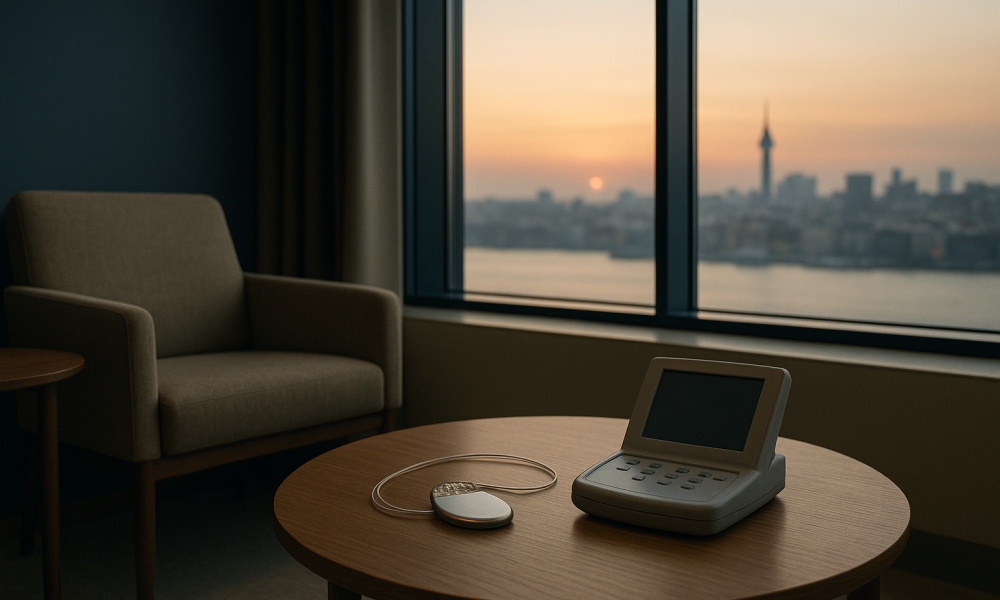
What Pacemaker Implantation Abroad is and who it is for
Pacemaker implantation is a medical procedure designed to manage certain heart rhythm disorders, primarily bradycardia, which is characterised by an abnormally slow heart rate. This procedure involves the surgical placement of a small electronic device called a pacemaker, which helps regulate the heartbeat by sending electrical impulses to the heart muscle. The decision to undergo pacemaker implantation is typically made when a patient experiences symptoms such as fatigue, dizziness, fainting spells, or shortness of breath, all of which can be attributed to the heart’s inability to maintain an adequate rate and rhythm.
Undergoing pacemaker implantation abroad, specifically in Turkey, has become an increasingly popular option for international patients due to the combination of high-quality medical care and cost-effectiveness. Turkey is known for its advanced healthcare infrastructure, with many hospitals accredited by international organisations, ensuring that patients receive care that meets global standards. The medical professionals in Turkey are often trained in leading Western medical schools, and they bring a wealth of experience and expertise to the treatment of heart conditions.
The typical pacemaker implantation procedure in Turkey involves a brief hospital stay, usually ranging from one to two days, with the procedure itself taking approximately one to two hours. Patients generally receive local anaesthesia during the surgery, which minimises risks associated with general anaesthesia and allows for a quicker recovery. Post-procedure, most patients can expect to return to work within one to two weeks, while full recovery and adjustment to the pacemaker may take about four to six weeks.
Financially, opting for pacemaker implantation in Turkey can be significantly more affordable compared to the UK, Europe, or North America, with indicative costs typically ranging from £3,000 to £6,000. This cost advantage, coupled with the high standards of medical care, makes Turkey a compelling destination for those considering treatment abroad.
Are you a good candidate?
Determining if you are a suitable candidate for pacemaker implantation involves a comprehensive assessment of your medical history, current health status, and specific heart conditions. This procedure is generally recommended for individuals diagnosed with conditions that result in bradycardia or other heart rhythm disorders that could be effectively managed with a pacemaker.
Here is a checklist to help you understand if you might be a good candidate for pacemaker implantation:
- Diagnosed with Bradycardia: You have been diagnosed with bradycardia or other heart rhythm disorders by a healthcare professional.
- Symptomatic: You experience symptoms such as fatigue, dizziness, syncope (fainting), or shortness of breath that are attributable to a slow heart rate.
- Medical Evaluation: You have undergone a thorough evaluation by a cardiologist, including tests like ECG, Holter monitoring, or stress tests, confirming the need for a pacemaker.
- No Contraindications: You do not have any medical conditions or contraindications that would make pacemaker implantation unsafe, such as severe infection or certain blood disorders.
- Willingness to Travel: You are comfortable with travelling abroad for medical treatment and have considered logistical aspects such as travel and accommodation.
- Post-Operative Care Plan: You have a plan for follow-up care, including regular check-ups with a local cardiologist after returning home.
It’s crucial to consult with healthcare professionals both in your home country and in Turkey to ensure that pacemaker implantation is appropriate for your specific health needs. This collaborative approach helps ensure that you receive the best possible care tailored to your condition.
The procedure, step by step
Pacemaker implantation is a well-established medical procedure designed to regulate heart rhythm. If you are considering having this procedure in Turkey, understanding each step can help alleviate concerns and set realistic expectations. Here’s a detailed overview of the procedure, step by step:
- Pre-operative Assessment: Before the procedure, a comprehensive pre-operative assessment is conducted. This includes diagnostic tests such as ECGs, echocardiograms, and blood tests to ensure the patient is fit for surgery. Patients will also meet with the cardiologist to discuss medical history and any medications they are currently taking.
- Preparation for Surgery: On the day of the procedure, patients are advised to fast for at least six hours before surgery. Upon arrival at the hospital, they will be changed into surgical gowns, and an intravenous (IV) line will be placed to administer fluids and medications.
- Local Anaesthesia and Sedation: The procedure is typically performed under local anaesthesia, which numbs the area where the pacemaker will be implanted. Sedation may also be given to help the patient relax and remain comfortable throughout the procedure.
- Incision and Lead Insertion: A small incision, usually about 5 cm long, is made near the collarbone. Through this incision, leads (thin, insulated wires) are inserted into a vein and guided to the heart using fluoroscopy, a type of X-ray imaging that allows real-time viewing of the heart’s structure.
- Pacemaker Placement: Once the leads are correctly positioned, they are connected to the pacemaker device. The pacemaker itself is then placed in a pocket created under the skin, typically just below the collarbone.
- Testing and Closure: The functionality of the pacemaker and the correct placement of the leads are tested by the cardiologist. This ensures that the device is working properly to regulate the heart’s rhythm. After successful testing, the incision is closed with sutures or surgical glue.
- Monitoring: Post-procedure, patients are taken to a recovery area where they are monitored for several hours. Heart rate, blood pressure, and the pacemaker’s function are continuously checked to ensure there are no immediate complications.
Overall, the implantation process typically lasts between 1 to 2 hours. Patients can expect to stay in the hospital overnight for observation, although some cases may require a longer stay depending on individual recovery and any underlying health conditions.
Recovery timeline
Understanding the recovery timeline after pacemaker implantation is crucial for planning your return to daily activities and ensuring optimal recovery. Below is a detailed table outlining what to expect during each phase of recovery, along with care notes to help manage the process effectively.
| Period | What to expect | Care notes |
|---|---|---|
| Day 1 | Initial recovery in the hospital. Mild discomfort and swelling at the incision site. Monitoring of pacemaker function and overall health. | Rest is essential. Follow the medical team’s advice on pain management. Avoid moving the arm on the side of the implant above shoulder level. |
| Week 1 | Gradual improvement in mobility. Some bruising and tenderness may persist. Patients may begin light activities at home. | Keep the incision site dry and clean. Avoid strenuous activities. Follow-up appointment for pacemaker check may be scheduled. |
| Weeks 2-4 | Significant reduction in pain and swelling. Most patients can resume normal activities, excluding heavy lifting or intense exercise. | Continue to protect the incision site. Gradually increase activity levels as tolerated. Attend all scheduled follow-up appointments. |
| Months 1-3 | Full recovery is typically achieved. The incision site heals completely, and the patient can return to all pre-surgery activities. | Engage in regular exercise as advised by your doctor. Regular monitoring of the pacemaker function is recommended. |
While the above timeline provides a general guide, recovery can vary based on individual health conditions and responses to surgery. It’s important to maintain open communication with your healthcare provider and report any unusual symptoms immediately. With proper care and adherence to medical advice, most patients can expect a successful recovery and a return to normal activities within a few months.
What it costs: Turkey vs the UK, Europe and North America
When considering pacemaker implantation abroad, cost is a significant factor. Turkey has become a popular destination due to its competitive pricing, which can offer substantial savings compared to the UK, Europe, and North America. However, it’s important to understand that these figures are indicative and can vary based on the specific clinic, the complexity of the procedure, and the type of pacemaker used.
| Region | Indicative Price Range (GBP) | Typical Package Inclusions |
|---|---|---|
| Turkey | £4,000 – £7,000 | Pre-operative assessments, procedure, hospital stay (2-3 days), follow-up appointment |
| UK | £12,000 – £20,000 | Procedure, hospital stay, follow-up care |
| Europe | £10,000 – £18,000 | Pre-operative assessments, procedure, hospital stay (2-3 days), follow-up appointment |
| North America | £20,000 – £40,000 | Pre-operative assessments, procedure, hospital stay (2-3 days), follow-up appointment |
In Turkey, the cost of pacemaker implantation typically ranges from £4,000 to £7,000. This usually includes pre-operative assessments to ensure the patient is fit for surgery, the procedure itself, a hospital stay of 2 to 3 days, and a follow-up appointment. In contrast, the UK offers the same procedure for approximately £12,000 to £20,000, with similar inclusions. In Europe, the costs are slightly lower than the UK, ranging from £10,000 to £18,000, while North America presents the highest cost range, from £20,000 to £40,000.
These price differences are influenced by various factors, such as the cost of living, healthcare infrastructure, and government subsidies in each region. Additionally, Turkish healthcare providers often offer comprehensive packages that can include airport transfers, accommodation arrangements, and even translation services, although these are generally optional and may incur additional costs.
It’s crucial for prospective patients to obtain detailed quotes from multiple providers and ensure they understand what is included in the package. Additionally, patients should verify whether post-operative care and any potential complications are covered in the initial cost or if they would incur further expenses.
Risks and how accredited providers manage them
Like any medical procedure, pacemaker implantation carries certain risks. These may include infection, bleeding, or complications related to anaesthesia. However, accredited healthcare providers in Turkey are well-equipped to manage these risks, adhering to international standards of care and employing highly trained medical professionals.
Infection is a primary concern with any surgical procedure. Accredited clinics in Turkey implement stringent infection control protocols, including the use of sterile equipment and environments, to minimise this risk. Patients are typically given prophylactic antibiotics before and after the procedure to further reduce the likelihood of infection.
Bleeding, although rare, can occur during or after the procedure. To manage this risk, healthcare providers conduct thorough pre-operative assessments to identify patients who may be at higher risk due to blood clotting disorders or medication use. During the procedure, surgeons take care to minimise tissue trauma and use advanced techniques to control bleeding.
Complications related to anaesthesia are managed by employing experienced anaesthetists who conduct comprehensive pre-operative evaluations to tailor the anaesthetic plan to the individual patient. Monitoring during the procedure ensures that any adverse reactions are promptly addressed.
Accredited providers also focus on post-operative care, which is crucial for identifying and managing any complications early. Patients are monitored closely during their hospital stay, and follow-up appointments are scheduled to ensure the pacemaker is functioning correctly and that the patient is recovering well.
Additionally, these providers often have multidisciplinary teams that include cardiologists, surgeons, and nurses who work together to provide comprehensive care. This team-based approach ensures that any potential issues are addressed promptly and that patients receive holistic care throughout their treatment journey.
Patients are encouraged to communicate openly with their healthcare team about any concerns or symptoms they may experience, both during their hospital stay and after discharge. Accredited providers typically offer 24/7 contact options for patients to reach out in case of emergencies or urgent queries.
Ultimately, while no medical procedure is without risk, the combination of advanced medical facilities, stringent safety protocols, and highly skilled professionals in Turkey contributes to a reassuringly safe environment for pacemaker implantation.
How to choose the right provider
Choosing the right provider for pacemaker implantation in Turkey involves several critical factors to ensure the best possible care. First, consider accreditation. Facilities with accreditation from international bodies such as the Joint Commission International (JCI) or the International Organization for Standardization (ISO) are generally considered to meet high standards of healthcare delivery. Accreditation provides an assurance of quality and safety in medical practices.
Next, evaluate the experience of the surgical team. Surgeons specialising in cardiology with extensive experience in pacemaker implantation are preferable. Look for professionals who have performed a significant number of these procedures, ideally more than 100 annually, as higher volumes can correlate with better outcomes. It’s also worthwhile to check whether the surgeon is a member of relevant professional bodies, such as the European Society of Cardiology.
Aftercare is another crucial consideration. Comprehensive aftercare includes post-operative monitoring, medication management, and follow-up appointments. Ensure the facility offers detailed aftercare plans that cover these aspects. Inquire about the availability of English-speaking staff to facilitate clear communication during your recovery period.
Be vigilant for red flags. Avoid facilities that lack transparency regarding their accreditation status or those unwilling to provide information on their surgeons’ qualifications and experience. Be wary of clinics that promise unusually low prices without detailing what is included in the cost, as these may cut corners in critical areas such as post-operative care or use of quality medical devices.
Planning your trip
Planning your medical trip to Turkey for a pacemaker implantation involves several steps. Begin by establishing a timeline for your travel. Ideally, you should contact the chosen facility at least 3-4 months in advance to allow for consultations, potential pre-operative assessments, and visa arrangements if necessary. Depending on your nationality, a visa may be required, which can often be obtained online through the Turkish government’s e-Visa system.
Ensure you have all necessary documents prepared. This includes your medical records, a detailed list of current medications, and any prior cardiology assessments. Additionally, carry a copy of your travel and health insurance policies. Some insurance plans might need to be informed about the procedure to ensure coverage.
Plan for a length of stay that accommodates both the procedure and recovery. Typically, you should expect to stay in Turkey for about 7-10 days. This duration allows for the implantation procedure, initial recovery, and follow-up consultations to ensure the pacemaker is functioning correctly before you return home.
Arrange for follow-up care once you return home. Discuss with your healthcare provider in your home country about ongoing monitoring and management of your pacemaker. It is advisable to have a cardiologist ready to conduct regular check-ups, which are crucial to monitor the device’s performance and your heart’s condition. Make sure your UK or North American cardiologist is informed about the procedure details and any specific instructions from the Turkish surgical team.
Frequently Asked Questions
What is the typical cost of pacemaker implantation in Turkey?
The cost of pacemaker implantation in Turkey typically ranges from £3,500 to £6,000. This range can vary based on the type of pacemaker used, the complexity of the procedure, and the facility's location and reputation. It's important to verify what is included in the quoted price, such as pre-operative assessments, the device itself, the surgical procedure, and post-operative care.
Are there any risks associated with travelling for pacemaker implantation?
Travelling for medical procedures, including pacemaker implantation, carries certain risks. These include complications related to air travel post-surgery, differences in healthcare standards, and potential issues with follow-up care. However, selecting a reputable, accredited facility with experienced surgeons and ensuring clear communication with your home healthcare provider can mitigate these risks.
How do I verify the credentials of a Turkish medical facility?
To verify the credentials of a Turkish medical facility, check if it is accredited by international organisations such as the Joint Commission International (JCI) or the International Organization for Standardization (ISO). These accreditations indicate adherence to international healthcare standards. Additionally, researching patient reviews and seeking recommendations from healthcare professionals can provide insights into the facility's reputation.
What should I expect during the recovery period after a pacemaker implantation?
The recovery period after pacemaker implantation typically involves a hospital stay of 1-2 days, followed by a week of rest. Patients are advised to avoid strenuous activities and heavy lifting for about 4-6 weeks. Regular follow-up appointments are necessary to monitor the device's function and adjust settings if needed. Most patients can resume normal activities gradually, as advised by their healthcare provider.
How important is the surgeon's experience in pacemaker implantation?
The surgeon's experience is crucial in pacemaker implantation as it can significantly impact the procedure's success and the patient's recovery. Experienced surgeons are likely to have performed numerous similar procedures, which can lead to better outcomes and fewer complications. It's advisable to choose a surgeon who specialises in cardiology and has a proven track record in pacemaker implantation.
What documents do I need to bring for my pacemaker implantation in Turkey?
You should bring comprehensive medical records, including recent cardiology assessments and a list of current medications. Additionally, carry your travel and health insurance documents, your passport, and any visa paperwork if applicable. Having these documents ready can facilitate a smoother admission process and ensure that the medical team has all the necessary information for your care.
Can I get travel insurance to cover my medical procedure in Turkey?
Yes, it is possible to obtain travel insurance that includes coverage for medical procedures abroad. However, you should carefully review the policy details to ensure that it covers both the pacemaker implantation and any related complications. Some insurers may require pre-approval or notification prior to the procedure, so it’s advisable to discuss this with your insurance provider well in advance.
How long will I need to stay in Turkey after my pacemaker implantation?
Patients typically need to stay in Turkey for about 7-10 days post-procedure. This timeframe allows for the surgery, initial recovery, and follow-up consultations to ensure the pacemaker is functioning correctly. The length of stay may vary based on individual recovery rates and any additional medical evaluations required by the healthcare provider.
Are there any specific aftercare requirements following pacemaker implantation?
Aftercare following pacemaker implantation includes regular monitoring of the device, managing medications, and attending follow-up appointments. Patients should avoid heavy lifting and strenuous activities for several weeks. It's crucial to follow the healthcare provider's instructions regarding wound care and lifestyle modifications to ensure optimal recovery and device function.
Is it safe to travel by air after having a pacemaker implanted?
Travelling by air is generally safe after pacemaker implantation, but timing is important. Most doctors recommend waiting at least one to two weeks post-surgery before flying to ensure initial recovery and to reduce the risk of complications such as swelling or discomfort. Always consult with your healthcare provider for personalised advice based on your specific condition.
What should I do if I experience complications after returning home?
If you experience complications after returning home, contact your local healthcare provider immediately. It is essential to have arranged follow-up care with a cardiologist who is informed about your procedure. Keep all medical records and contact information of the Turkish facility handy to provide your local doctor with the necessary details for effective management of any post-operative issues.
How can I ensure continuity of care after returning to my home country?
To ensure continuity of care, arrange for follow-up appointments with a cardiologist in your home country before travelling. Share all details of the procedure, including the type of pacemaker implanted, with your local healthcare provider. Maintaining open communication between the Turkish surgical team and your home-based doctor is crucial for ongoing monitoring and managing any adjustments needed for your pacemaker.