
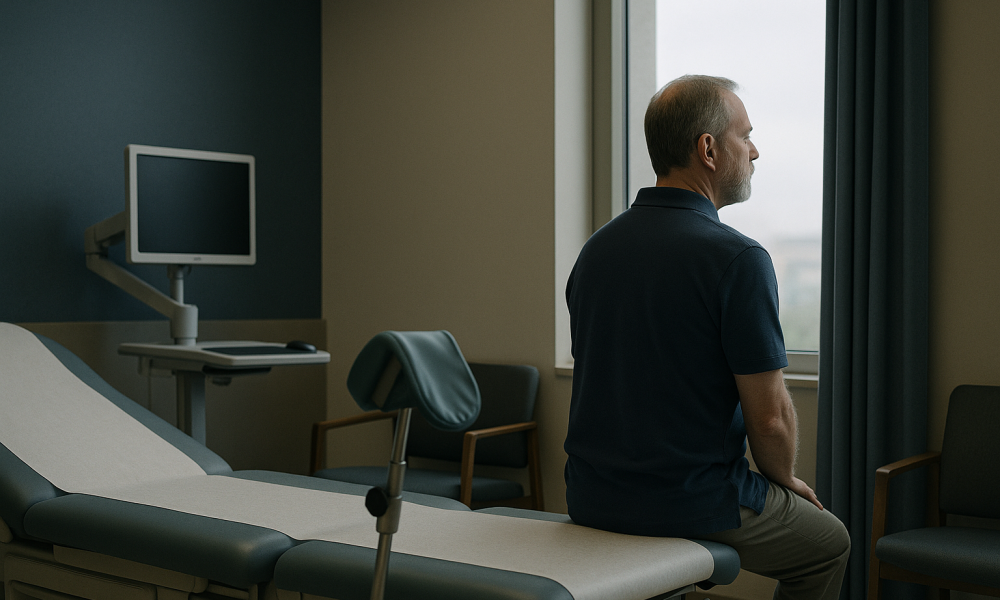
What Partial Knee Replacement is and who it is for
Partial knee replacement, also known as unicompartmental knee arthroplasty, is a surgical procedure aimed at alleviating pain and restoring function in a knee affected by osteoarthritis. Unlike total knee replacement, which replaces the entire knee joint, partial knee replacement targets only the damaged compartment of the knee. This approach preserves the healthy bone, cartilage, and ligaments, allowing for a more natural knee movement post-surgery.
The procedure is typically recommended for patients who have osteoarthritis confined to a single compartment of the knee. This usually involves either the medial (inner) or lateral (outer) compartment. By focusing on the affected area, the surgery offers the potential for a quicker recovery, less postoperative pain, and a more natural knee function compared to total knee replacement.
Partial knee replacement is generally suitable for patients over the age of 55, although younger patients may also be considered if their condition and overall health allow. It is important to note that candidates for this procedure should have a stable knee with intact ligaments, particularly the anterior cruciate ligament (ACL), as the surgery does not address ligamentous instability.
In Turkey, the procedure is performed by skilled orthopaedic surgeons who are well-versed in the latest surgical techniques. The country’s healthcare facilities offer modern equipment and adhere to international standards, ensuring a high level of care. Patients from Australia will find that the cost of partial knee replacement in Turkey is significantly lower than in Australia, with indicative ranges between £5,000 and £8,000. This includes hospital fees, surgeon fees, and postoperative care, although travel and accommodation expenses are additional considerations.
Overall, partial knee replacement can be an effective solution for those with localized knee arthritis, offering pain relief and improved mobility. However, as with any surgical procedure, it is essential to consult with a qualified healthcare professional to discuss the potential risks and benefits, ensuring that it is the right choice for your specific condition.
Are you a good candidate?
Determining whether you are a good candidate for partial knee replacement involves several factors that need careful consideration. This decision is typically made through a comprehensive evaluation by an orthopaedic specialist, who will assess your medical history, current health status, and the extent of your knee damage.
Here is a checklist of criteria that could indicate you might be a suitable candidate for partial knee replacement:
- Localized Osteoarthritis: Your knee arthritis is confined to a single compartment of the knee, either the medial or lateral side, without significant damage to the other compartments.
- Stable Knee: Your knee ligaments, especially the ACL, are intact and functioning properly, ensuring that the knee is stable and not prone to giving way.
- Normal Range of Motion: You have a good range of motion in your knee, typically greater than 90 degrees of flexion, which can aid in better surgical outcomes.
- Body Mass Index (BMI): A BMI of less than 35 is generally preferred, as higher BMI can increase the risk of complications and affect recovery.
- Activity Level: You are relatively active and seek to maintain an active lifestyle, as partial knee replacement can allow for more natural movement compared to total knee replacement.
- Age Considerations: While there is no strict age limit, candidates are often over the age of 55. However, younger patients may be considered based on individual health factors.
- Non-Inflammatory Arthritis: You do not have inflammatory arthritis conditions like rheumatoid arthritis, which can affect more than one compartment.
- No Significant Deformity: There should be no significant knee deformity, such as severe bowing or knock-knees, which might require a total knee replacement instead.
If you meet these criteria, partial knee replacement could be a viable option for you. However, it is crucial to have a detailed discussion with your healthcare provider. Diagnostic imaging such as X-rays or MRI scans may be utilized to confirm the extent of arthritis and the appropriateness of the procedure. Remember, the decision to undergo surgery should always be made in consultation with a qualified orthopaedic surgeon, who can provide personalised advice based on your unique situation.
The procedure, step by step
Partial knee replacement, also known as unicompartmental knee arthroplasty, is a surgical procedure aimed at relieving arthritis in one of the knee’s compartments. This procedure is less invasive than a total knee replacement and is typically recommended when the damage is confined to a specific area of the knee. Here is a detailed step-by-step overview of what the procedure entails:
- Pre-operative Assessment: Prior to surgery, patients undergo a comprehensive evaluation, including physical examinations, imaging tests such as X-rays or MRI, and discussions about medical history and current medications. This assessment helps in confirming eligibility for the procedure.
- Anaesthesia: On the day of surgery, anaesthesia is administered. This can be either general anaesthesia, where the patient is asleep, or regional anaesthesia, such as a spinal block, where the patient is awake but numb from the waist down. The choice of anaesthesia is discussed with an anaesthesiologist beforehand.
- Incision and Exposure: The surgeon makes a small incision, typically about 7 to 10 centimetres, over the affected area of the knee. Specialised instruments are used to move aside muscles and tissues to access the damaged compartment of the knee.
- Preparation of Bone Surfaces: The damaged cartilage and a small amount of underlying bone are carefully removed from the affected compartment. Precision is crucial here to ensure that only the damaged areas are addressed, preserving as much of the knee’s natural structure as possible.
- Implant Placement: Metal and plastic components are then fitted onto the prepared bone surfaces. These components mimic the function of the natural knee joint, allowing for smooth movement. The surgeon ensures that the components are well-aligned and securely fixed, often using bone cement.
- Closure: Once the implant is in place, the incision is closed using sutures or staples. A sterile dressing is applied to the wound to prevent infection.
- Post-operative Monitoring: After the procedure, the patient is moved to a recovery room for close monitoring as the effects of anaesthesia wear off. Vital signs are regularly checked, and pain management is initiated to ensure comfort.
Patients typically stay in the hospital for 1 to 3 days, depending on their recovery rate and overall health. The surgery aims to restore function and reduce pain, but as with any medical procedure, outcomes can vary based on individual circumstances.
Recovery timeline
Recovering from a partial knee replacement involves several stages, each with specific expectations and care requirements. Below is a detailed recovery timeline to guide patients through the process:
| Period | What to expect | Care notes |
|---|---|---|
| Day 1 | Patients typically experience post-operative pain and swelling. Initial attempts at standing and walking with assistance are common. | Pain management is crucial. Medications are administered as per the doctor’s advice. Physical therapy may begin on this day to encourage mobility. |
| Days 2-3 | Gradual improvement in mobility. Patients often start walking short distances with the help of a walker or crutches. | Continue with prescribed pain relief and start gentle exercises as advised by a physiotherapist to improve range of motion. |
| Week 1 | Most patients experience reduced pain and swelling. Walking aids are still used, but mobility increases. | Regular physiotherapy sessions are crucial. Adhere to exercise routines and attend follow-up appointments to monitor healing progress. |
| Weeks 2-4 | Patients typically transition to using a cane or no aid at all. Swelling continues to decrease, and strength begins to return. | Maintain a routine of strengthening exercises. Avoid high-impact activities and continue attending physiotherapy sessions. |
| Months 1-3 | Significant improvements in knee function are usually evident. Most patients resume normal activities, albeit with caution. | Continue exercises to strengthen the knee. Follow physician’s advice regarding activity levels to prevent strain. |
| Months 3-6 | Full recovery is often achieved. Patients might return to low-impact sports and activities, depending on their comfort and physician’s advice. | Regular check-ups are important to ensure the implant’s stability. Maintain an active lifestyle while avoiding excessive strain on the knee. |
Recovery times can vary significantly between individuals. Adhering to the prescribed rehabilitation programme and maintaining open communication with healthcare providers can positively influence outcomes. It is essential to follow medical advice tailored to one’s specific condition and progress.
5. What it costs: Turkey vs Australia
When considering a partial knee replacement, cost is a significant factor for many patients. The financial implications can vary widely depending on the country and specific healthcare provider. In Turkey, the cost for a partial knee replacement generally ranges from £4,000 to £8,000. This price often includes the surgery itself, pre-operative assessments, hospital stay, and sometimes post-operative physiotherapy. In contrast, the cost in Australia typically ranges from £12,000 to £20,000, which might also cover similar services but often at a higher price point due to local healthcare costs.
Below is a comparative table that outlines the typical cost components involved in a partial knee replacement in both Turkey and Australia. These figures are indicative and can vary based on the specific hospital or clinic, the surgeon’s expertise, and the package offered.
| Component | Turkey (Indicative Range in £) | Australia (Indicative Range in £) |
|---|---|---|
| Surgery | £3,000 – £6,000 | £9,000 – £15,000 |
| Pre-operative Assessments | Included | £500 – £1,000 |
| Hospital Stay | Included (3-5 days) | £2,000 – £3,000 |
| Post-operative Physiotherapy | £300 – £500 | £500 – £1,000 |
| Travel and Accommodation | £500 – £1,000 | Not Applicable |
It is important to note that while the costs in Turkey are generally lower, patients should also consider travel expenses, including flights and accommodation, which are additional. Many Turkish healthcare providers offer comprehensive packages that include assistance with travel arrangements, airport transfers, and accommodation, making the process more streamlined for international patients.
Patients should thoroughly discuss all potential costs with their chosen healthcare provider in Turkey to ensure clarity and avoid unexpected expenses. It is also advisable to confirm what is included in the treatment package and if there are any optional services that might incur additional charges.
6. Risks and how accredited providers manage them
As with any surgical procedure, partial knee replacement carries certain risks. Understanding these risks and how they are managed is crucial for prospective patients. Common risks associated with this surgery include infection, blood clots, implant issues such as loosening or wear, and nerve or blood vessel damage. While these complications are relatively rare, they can occur and may require additional treatment.
In Turkey, accredited healthcare providers implement a variety of strategies to mitigate these risks. Firstly, stringent infection control measures are in place. These include operating theatres equipped with advanced sterilisation systems and protocols that adhere to international standards. Surgeons and medical staff follow rigorous hand hygiene practices and wear protective clothing to minimise the risk of infection.
For preventing blood clots, patients are typically given blood-thinning medications post-surgery. Additionally, physiotherapy begins shortly after the procedure to encourage mobility, which is crucial in reducing the risk of clot formation. Patients are also advised to wear compression stockings and perform specific exercises to promote blood circulation.
To address the potential for implant-related complications, Turkish clinics often use high-quality prosthetics sourced from internationally recognised manufacturers. Pre-operative planning includes personalised assessments to select the most suitable implant for each patient, based on their anatomy and lifestyle. This careful selection process helps reduce the likelihood of implant failure or discomfort.
Furthermore, Turkish healthcare providers emphasise post-operative care and monitoring. Regular follow-up appointments are scheduled to check the progress of recovery and to address any issues that may arise promptly. Patients are encouraged to report any unusual symptoms immediately, ensuring quick intervention if necessary.
Accreditation plays a vital role in maintaining high standards of care. Many hospitals in Turkey are accredited by organisations such as the Joint Commission International (JCI), which ensures that healthcare facilities meet rigorous quality and safety standards. Such accreditation provides an additional layer of reassurance for international patients considering surgery abroad.
In summary, while there are inherent risks in partial knee replacement surgery, accredited providers in Turkey employ comprehensive risk management strategies to minimise these. Patients can feel confident that their care is in line with international best practices, supported by a strong emphasis on safety, quality, and patient satisfaction.
How to choose the right provider
Choosing the right provider for your partial knee replacement in Turkey is a crucial decision that requires careful consideration of several factors. Prioritising accreditation, the surgeon’s experience, comprehensive aftercare, and identifying potential red flags can ensure a successful treatment journey.
Accreditation: Ensure that the hospital or clinic is accredited by recognised international bodies such as the Joint Commission International (JCI) or the International Organization for Standardization (ISO). These accreditations indicate that the facility adheres to high standards of medical care and patient safety.
Surgeon Experience: Look for surgeons who specialise in orthopaedics with a particular focus on knee surgeries. It is advisable to choose a surgeon who has performed a significant number of partial knee replacements, ideally over 500 procedures. Reviewing their educational background, ongoing training, and patient testimonials can provide additional insights into their expertise.
Aftercare: Comprehensive aftercare is essential for a smooth recovery post-surgery. Confirm that the provider offers a detailed aftercare plan, which includes physiotherapy, regular follow-up appointments, and support for managing pain and mobility during recovery. It’s beneficial if the clinic provides a dedicated patient coordinator to assist with these aspects.
Red Flags: Be cautious of providers that offer significantly lower costs than the typical range of £6,000 to £10,000 without transparent details of what is included. Avoid clinics that lack clear communication, provide limited information about the surgical team, or have poor reviews online. It’s also important to be wary of pressure tactics or guarantees of specific outcomes, as these are often unrealistic.
Ultimately, taking the time to research and choose a reputable provider can significantly impact the success of your partial knee replacement surgery in Turkey.
Planning your trip
Proper planning is essential to ensure a smooth and stress-free experience when travelling to Turkey for a partial knee replacement. This section outlines the key steps involved in preparing for your medical journey.
Timeline Before Travel: Begin planning your trip at least 3-4 months in advance. This timeframe allows you to research and select a provider, arrange consultations, and organise travel logistics. It’s advisable to schedule your surgery for a time that allows for adequate recovery and follow-up.
Documents: Ensure you have a valid passport with at least six months’ validity from your planned return date. Check visa requirements for Turkey, as Australian citizens typically need an e-visa, which can be obtained online. Additionally, gather all necessary medical documents, including previous medical records, imaging results, and any correspondence with your chosen clinic.
Length of Stay: Plan for a stay of approximately 10-14 days in Turkey. This duration typically covers pre-surgery consultations, the surgery itself, and initial recovery. Discuss with your provider to understand the recommended length of stay based on your specific case.
Follow-up at Home: After returning to Australia, follow-up care is essential. Arrange for a local orthopaedic specialist to oversee your recovery and manage any complications that may arise. Ensure that you have a clear plan for physiotherapy and regular check-ups to monitor your progress.
By adhering to these guidelines, you can ensure a well-organised and successful medical trip to Turkey for your partial knee replacement.
Frequently Asked Questions
What is the typical cost of a partial knee replacement in Turkey?
The typical cost of a partial knee replacement in Turkey ranges from £6,000 to £10,000. This price usually includes the surgery, hospital stay, and initial aftercare. However, costs can vary based on the provider, the surgeon's expertise, and the specific services included in the package. It's important to get a detailed breakdown of costs from your chosen clinic before proceeding.
How do I verify the accreditation of a Turkish hospital?
You can verify the accreditation of a Turkish hospital by checking if it is accredited by recognised bodies such as the Joint Commission International (JCI) or the International Organization for Standardization (ISO). These organisations maintain online directories of accredited facilities. Additionally, you can contact the hospital directly and request to see their accreditation certificates.
How experienced should the surgeon be for my procedure?
It's advisable to choose a surgeon who specialises in orthopaedics and has substantial experience in performing partial knee replacements. Ideally, the surgeon should have completed over 500 such procedures. Reviewing their educational background, ongoing training, and patient testimonials can provide further assurance of their expertise.
What documents do I need to travel to Turkey for surgery?
To travel to Turkey for surgery, you will need a valid passport with at least six months' validity from your return date, and an e-visa which can be obtained online for Australian citizens. Additionally, bring all relevant medical documents, such as past medical records, imaging results, and any correspondence with your chosen clinic to ensure a smooth process.
How long should I plan to stay in Turkey for the surgery?
You should plan to stay in Turkey for approximately 10-14 days. This duration generally covers pre-surgery consultations, the surgery itself, and initial recovery. It's important to discuss with your healthcare provider to determine the recommended length of stay based on your specific situation and recovery needs.
What are the risks of having surgery abroad?
Having surgery abroad involves risks such as communication barriers, differences in healthcare standards, and potential challenges in follow-up care once you return home. It's crucial to choose a reputable provider with international accreditation and ensure comprehensive aftercare plans are in place. Understanding these risks and preparing accordingly can help mitigate them.
How can I ensure good aftercare in Turkey?
To ensure good aftercare in Turkey, select a provider that offers a comprehensive aftercare plan, including physiotherapy, regular follow-up appointments, and support for managing pain and mobility. It's beneficial if the clinic provides a dedicated patient coordinator to assist with these aspects. Confirm these services before committing to a provider.
What should I do if I experience complications after returning home?
If you experience complications after returning home, contact your local orthopaedic specialist immediately for assessment and management. It's important to have arranged follow-up care with a local healthcare provider prior to your trip. Maintain communication with your Turkish provider for additional guidance if needed.
Will my health insurance cover surgery costs in Turkey?
Coverage for surgery costs in Turkey depends on your specific health insurance policy. Many Australian health insurers may not cover elective procedures abroad. It's essential to consult your insurance provider to understand what, if any, costs will be covered and consider additional travel insurance to cover unexpected medical expenses.
How can I manage language barriers during my treatment?
Many Turkish healthcare providers catering to international patients have English-speaking staff and offer interpreter services. When selecting a provider, confirm the availability of English-speaking coordinators and medical staff. You can also use translation apps or hire a professional interpreter if needed for more complex communications.
What is the typical recovery time after a partial knee replacement?
The typical recovery time after a partial knee replacement varies but generally ranges from 6 to 12 weeks for most patients to resume normal activities. Full recovery, including the return to more strenuous activities, may take up to 6 months. Following your surgeon's advice and participating in prescribed physiotherapy can aid in a smoother recovery.
Is it safe to travel shortly after knee surgery?
Traveling shortly after knee surgery can pose risks such as deep vein thrombosis (DVT). It's crucial to discuss travel plans with your surgeon, who may recommend waiting at least 2 to 4 weeks post-surgery before flying. During travel, ensure you stay hydrated, move frequently, and wear compression stockings to reduce the risk of DVT.