
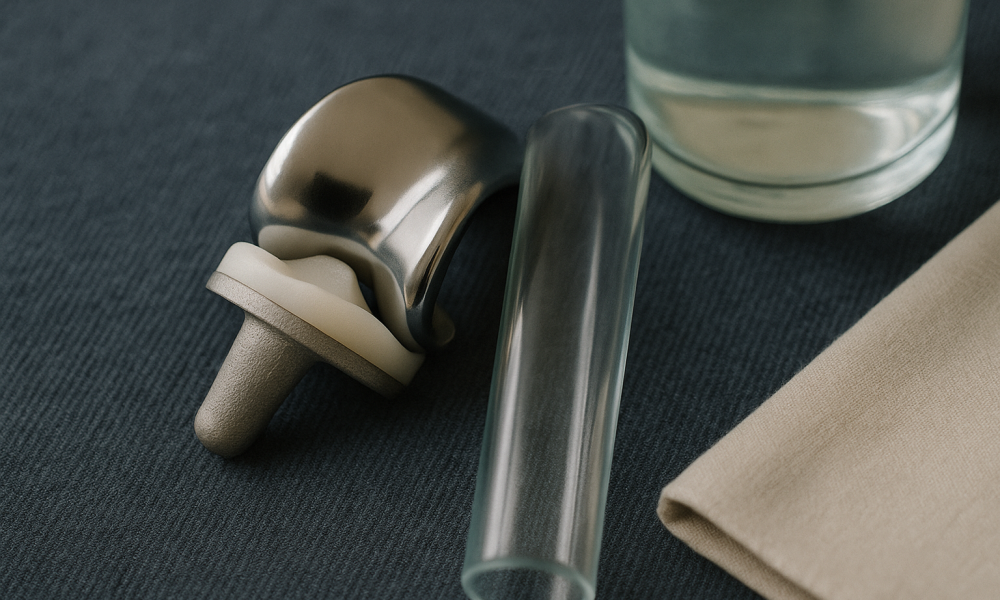
What Partial Knee Replacement is and who it is for
Partial knee replacement, also known as unicompartmental knee arthroplasty, is a surgical procedure designed to replace only the damaged compartment of the knee joint. Unlike a total knee replacement, where the entire joint is replaced, a partial knee replacement targets specific areas, maintaining as much of the natural bone and tissue as possible. This procedure is particularly beneficial for patients with osteoarthritis confined to a single compartment of the knee, usually the medial or lateral. The primary goal is to alleviate pain and restore function, allowing for a more natural knee movement post-surgery.
In Turkey, partial knee replacement has gained popularity due to its minimally invasive nature and the country’s reputation for high-quality, cost-effective medical services. The procedure typically involves a smaller incision, leading to less trauma to the surrounding tissues, reduced recovery time, and fewer post-operative complications compared to total knee replacement. Surgeons in Turkey often use advanced techniques and technologies, such as computer-assisted surgery, to enhance precision and outcomes.
The procedure is generally recommended for patients who have tried non-surgical treatments, such as physical therapy or medication, without sufficient relief. Ideal candidates are those with limited arthritis damage, good ligament stability, and a sufficient range of motion in the knee. It is important to note that while partial knee replacement can be highly effective, it may not be suitable for everyone. The decision to undergo surgery should be made after a thorough consultation with a qualified orthopaedic surgeon, who will assess the extent of the joint damage and overall health status.
Patients considering this procedure in Turkey can expect a comprehensive approach to care, including pre-operative evaluations, surgical expertise, and post-operative rehabilitation. The typical hospital stay ranges from 2 to 3 days, and patients can usually begin physical therapy shortly after surgery to aid recovery and improve mobility. With a focus on patient-centred care, Turkish healthcare providers strive to ensure a smooth and successful treatment journey for international patients.
Are you a good candidate?
Determining whether you are a suitable candidate for partial knee replacement involves assessing several factors related to your overall health and the specific condition of your knee. This procedure is not universally applicable, and careful selection is crucial to ensure optimal outcomes.
To assist in evaluating your candidacy, consider the following checklist:
- Age and Activity Level: Typically, candidates are active individuals aged 50 and above, although younger patients may also be considered if their condition warrants it.
- Extent of Arthritis: The arthritis should be limited to one compartment of the knee. If arthritis is widespread or affects multiple compartments, total knee replacement might be more appropriate.
- Knee Stability: The knee should be stable, with intact ligaments. Severe ligament damage or instability may necessitate a different approach.
- Range of Motion: Adequate knee mobility is crucial. A significant loss of motion might reduce the effectiveness of a partial replacement.
- Non-Surgical Treatments: Candidates should have attempted conservative treatments, such as anti-inflammatory medications, corticosteroid injections, or physical therapy, without achieving significant relief.
- Overall Health: Good general health is essential to withstand surgery and facilitate recovery. Conditions such as uncontrolled diabetes or severe cardiovascular issues may increase risks.
- Weight Considerations: While not an absolute contraindication, being significantly overweight can impact the success and longevity of the implant.
It’s also important to have realistic expectations about the outcomes of the surgery. While many patients experience significant pain relief and improved function, the extent can vary. Discussing your personal goals and concerns with your surgeon can help align expectations with achievable results.
Ultimately, a thorough evaluation by an experienced orthopaedic surgeon in Turkey will be crucial. This includes a detailed medical history review, physical examination, and imaging studies such as X-rays or MRI scans to confirm the suitability of a partial knee replacement. This comprehensive assessment ensures that the procedure is tailored to your specific needs, maximising the potential for a successful outcome.
The procedure, step by step
Undergoing a partial knee replacement in Turkey involves a meticulously planned and executed series of steps designed to ensure the best possible outcome for the patient. Here is a comprehensive breakdown of the procedure:
- Pre-operative Assessment: Prior to the surgery, a thorough pre-operative assessment is conducted. This involves detailed imaging studies such as X-rays or MRI scans to confirm the extent of the damage and to plan the surgery precisely. Patients will also undergo a comprehensive health check to ensure they are fit for surgery.
- Anaesthesia: On the day of the surgery, the patient will meet with the anaesthetist to discuss anaesthesia options. Typically, a regional anaesthesia, such as a spinal or epidural block, is preferred to numb the lower body. General anaesthesia may also be used based on the patient’s health and preferences.
- Incision and Exposure: The surgeon begins by making a small incision, usually about 7 to 10 cm, over the affected area of the knee. This minimally invasive approach helps in reducing recovery time and scarring. The surgeon carefully moves aside the muscles and tissues to expose the knee joint.
- Resection of Damaged Tissue: The next step involves removing the damaged cartilage and bone from the affected compartment of the knee. This is done with precision to ensure that only the diseased parts are removed, preserving as much of the healthy bone and cartilage as possible.
- Implant Placement: The surgeon then fits the metal and plastic components of the prosthesis. These components are designed to mimic the natural movement of the knee and are fixed in place using bone cement or a cementless technique, depending on the patient’s bone quality and surgeon’s preference.
- Closure and Dressing: After the implant is securely in place, the surgeon closes the incision with sutures or staples. A sterile dressing is applied to protect the wound and manage any post-operative bleeding.
- Post-operative Care: Following the surgery, the patient is moved to a recovery room where their vital signs are closely monitored. Pain management is initiated with medications to ensure patient comfort. Physiotherapy may begin as soon as the first day after surgery to encourage mobility and enhance recovery.
This step-by-step approach to partial knee replacement is designed to ensure precision and minimise complications, allowing for a smoother recovery process.
Recovery timeline
Recovering from a partial knee replacement is a gradual process that varies by individual. Here is a typical recovery timeline outlining what to expect and care notes at each stage:
| Period | What to expect | Care notes |
|---|---|---|
| Day 1 | Patients typically experience some pain and swelling. The leg may feel stiff and movement is limited. | Pain management with prescribed medications. Begin gentle exercises with a physiotherapist to enhance circulation. |
| Week 1 | Swelling and bruising gradually decrease. Patients are encouraged to walk with assistance. | Continue with physiotherapy sessions. Use assistive devices like crutches or a walker as needed. Elevate the leg to reduce swelling. |
| Weeks 2-4 | Increased mobility and reduction in pain. Most patients can walk short distances without significant discomfort. | Focus on strengthening exercises. Adhere to rehabilitation exercises prescribed by the physiotherapist. |
| Months 1-3 | Improved joint function and strength. Many patients return to light daily activities and work. | Gradually increase activity levels. Avoid high-impact activities that could stress the new joint. |
| Month 3 onwards | Most patients experience a significant improvement in knee function and pain relief. | Regular follow-up appointments to monitor progress. Engage in low-impact exercises like swimming or cycling to maintain joint health. |
While this timeline provides a general guideline, individual recovery rates can vary. It is important to follow the surgeon’s and physiotherapist’s instructions closely to optimise recovery.
What it costs: Turkey vs the United States
When considering partial knee replacement surgery, cost is a significant factor for many patients. In Turkey, the procedure is generally more affordable compared to the United States, while still maintaining high standards of care. It is important to note that the figures provided here are indicative and can vary based on several factors, including the specific clinic, surgeon’s expertise, and the complexity of the procedure.
| Country | Indicative Price Range (USD) | What Packages Typically Include |
|---|---|---|
| Turkey | $8,000 – $12,000 |
|
| United States | $30,000 – $50,000 |
|
In Turkey, the cost of partial knee replacement typically ranges from $8,000 to $12,000. This range often includes comprehensive packages that cover not only the surgical procedure itself but also a variety of associated services. These packages generally include pre-operative evaluations, the surgical fee, a hospital stay of three to five days, post-operative care, and an initial set of physiotherapy sessions. Additionally, many medical tourism packages in Turkey offer added conveniences such as airport transfers and accommodation for a companion, providing a more seamless experience for international patients.
On the other hand, the cost of the same procedure in the United States is significantly higher, with prices ranging from $30,000 to $50,000. While these prices typically cover similar medical services such as consultations, surgery, hospital stay, and rehabilitation, they do not often include travel-related services, which can further add to the overall expense for international patients.
It is crucial for patients to verify what is included in the package they choose and to consider additional costs such as airfare, extra accommodation, and personal expenses. Patients should also ensure that the clinic they choose is accredited and has a track record of successful outcomes, which can provide further peace of mind when opting for treatment abroad.
Risks and how accredited providers manage them
Partial knee replacement, like any surgical procedure, carries certain risks. These can include infection, blood clots, nerve or blood vessel damage, and issues related to anaesthesia. Furthermore, there is the potential for complications such as implant loosening or wear over time, which may necessitate further surgery. However, accredited healthcare providers in Turkey are well-equipped to manage these risks effectively, using a combination of advanced medical technology, stringent protocols, and highly trained medical professionals.
Accredited clinics in Turkey adhere to international standards of healthcare, often obtaining certifications from globally recognized bodies such as the Joint Commission International (JCI) or the International Organization for Standardization (ISO). These accreditations ensure that the facilities maintain high levels of safety and quality in patient care. The staff, including surgeons, anaesthetists, and nursing teams, are typically highly experienced and undergo regular training to keep abreast of the latest advancements in medical science and techniques.
To mitigate the risk of infection, accredited facilities in Turkey implement rigorous sterilization and hygiene protocols. Operating theatres are equipped with advanced filtration systems to maintain a sterile environment, and all surgical instruments undergo thorough sterilization processes. Patients are often prescribed prophylactic antibiotics to further reduce the risk of post-operative infections.
Blood clot prevention is another critical area of focus. Patients are carefully evaluated for their risk of developing blood clots, and preventive measures such as anticoagulant medications, compression stockings, and early mobilisation post-surgery are standard practices. Accredited providers also have emergency protocols in place to address any complications swiftly, should they arise.
Patient education forms a cornerstone of risk management strategies. Prior to surgery, patients receive detailed information about the procedure, potential risks, and the steps they can take to minimise these risks. This includes advice on stopping certain medications, dietary recommendations, and guidance on post-operative care and rehabilitation.
In summary, while partial knee replacement surgery carries inherent risks, accredited healthcare providers in Turkey utilise comprehensive strategies to manage and mitigate these risks effectively. By choosing an accredited facility, patients can feel reassured that they are receiving care that meets international standards, with a focus on safety and quality throughout their treatment journey.
How to choose the right provider
Choosing the right provider for your partial knee replacement in Turkey is a critical decision that can significantly impact your treatment outcome. Start by ensuring the hospital or clinic is accredited by internationally recognised bodies such as the Joint Commission International (JCI) or the International Organization for Standardization (ISO). Accreditation indicates adherence to high standards of healthcare quality and patient safety.
Another key factor is the experience and qualifications of the surgeon. Look for surgeons who are board-certified, with a specialisation in orthopaedics and a proven track record in partial knee replacements. It is beneficial to enquire about the number of surgeries they perform annually, as a higher volume often correlates with better outcomes. Additionally, ask about their specific experience with your type of knee condition.
Consider the aftercare services offered by the provider. Postoperative care is crucial for recovery, so ensure the facility provides comprehensive rehabilitation services. This may include physiotherapy, pain management, and regular follow-up consultations. Some facilities offer remote follow-up services, which can be advantageous for international patients once they return home.
Be vigilant for red flags when choosing a provider. Avoid facilities that lack transparency regarding costs, the surgeon’s qualifications, or treatment details. Be wary of clinics that promise guaranteed results or advertise significantly lower prices than the average range of $8,000 to $15,000, as this could indicate compromised quality or hidden costs. Always seek testimonials or reviews from previous patients, and if possible, connect with them to discuss their experiences.
Planning your trip
When planning your trip for a partial knee replacement in Turkey, a well-structured timeline is essential. Ideally, you should start preparing three to six months before travel. This allows ample time for research, consultations, and securing necessary documents. Begin by consulting with your local healthcare provider to discuss your plans and obtain any medical records or imaging scans required by the Turkish provider.
Ensure your travel documents are in order. A valid passport is necessary, and depending on your nationality, you may need a visa to enter Turkey. Visa applications can often be completed online, but it’s wise to check the latest requirements and apply well in advance.
The typical length of stay for a partial knee replacement is around two to three weeks. This duration covers preoperative consultations, the surgical procedure, and initial postoperative recovery and rehabilitation. Discuss with your chosen facility to confirm the recommended duration based on your specific case.
Plan for follow-up care once you return home. Coordinate with your local healthcare provider to ensure a seamless transition in care. This may include physiotherapy sessions, routine check-ups, and monitoring of your recovery progress. Some Turkish hospitals offer telemedicine services for continued follow-up, which can be particularly useful for international patients.
Lastly, consider the financial aspects. While the cost of partial knee replacement in Turkey typically ranges from $8,000 to $15,000, this is indicative and may vary based on the provider, the complexity of your condition, and additional services required. Ensure you have a clear understanding of what is included in the package and budget for travel, accommodation, and any unforeseen expenses.
Frequently Asked Questions
What is the cost of partial knee replacement in Turkey?
The cost of a partial knee replacement in Turkey typically ranges from $8,000 to $15,000. This indicative range includes the surgery, hospital stay, and initial rehabilitation. However, costs can vary depending on the clinic, the surgeon's experience, and any additional services. It's important to obtain a detailed breakdown from your chosen provider to understand what is included and budget for additional expenses such as travel and accommodation.
How safe is it to undergo surgery in Turkey?
Undergoing surgery in Turkey can be safe, provided you choose a reputable, accredited facility. Many hospitals are accredited by international bodies like the Joint Commission International (JCI), ensuring they meet high standards of safety and care. Research the surgeon's qualifications and the facility's reputation. Avoid clinics with unclear information or those that offer unusually low prices, as these can be red flags for compromised safety and quality.
How do I verify the qualifications of a Turkish surgeon?
To verify a Turkish surgeon's qualifications, check if they are board-certified in orthopaedics and inquire about their specific experience with partial knee replacements. Reputable clinics will provide this information willingly. You can also look for memberships in professional organisations, patient testimonials, and peer-reviewed publications as indicators of expertise and credibility.
What documents do I need to travel to Turkey for surgery?
To travel to Turkey for surgery, you will need a valid passport and possibly a visa, depending on your nationality. It's advisable to check the latest visa requirements and apply in advance. Additionally, bring all relevant medical documents, including imaging scans and medical history, which your Turkish provider will require for preoperative assessment.
How long will I need to stay in Turkey for the surgery?
The typical length of stay in Turkey for a partial knee replacement is around two to three weeks. This period includes preoperative consultations, the surgical procedure, and initial postoperative recovery. The exact duration may vary based on your individual case and the provider's recommendations, so discuss this with your chosen facility to plan accordingly.
What aftercare services are available post-surgery?
Post-surgery, most reputable Turkish clinics offer comprehensive aftercare services, including physiotherapy, pain management, and regular follow-up consultations. Some facilities provide remote follow-up services via telemedicine, which can be beneficial for international patients. It's crucial to understand the aftercare plan and ensure it aligns with your recovery needs before proceeding with treatment.
Will my insurance cover the surgery costs in Turkey?
Coverage for surgery in Turkey depends on your insurance policy. Some international health insurance plans may cover treatment abroad, but you'll need to confirm this with your insurer. If coverage is available, ensure you understand the process for claims and reimbursement. If not covered, many clinics offer financing options or payment plans to assist international patients.
How can I prepare for the surgery before travelling?
Preparation for surgery should begin three to six months prior to travel. Consult with your local healthcare provider to discuss your plans and obtain necessary medical records. Follow any preoperative instructions from your Turkish provider, such as diet or exercise regimens, to ensure optimal health before surgery. Arrange travel documents and budget for your stay and additional expenses.
What should I do if complications arise after returning home?
If complications arise after returning home, contact your local healthcare provider immediately for assessment and treatment. Inform your Turkish surgeon or clinic as they may offer guidance or remote consultation services. Having a plan for follow-up care with a local provider prior to surgery is essential for managing any post-surgical issues effectively.
Are there language barriers in Turkish hospitals?
Many Turkish hospitals catering to international patients have English-speaking staff and provide translation services to bridge any language gaps. It's advisable to confirm this with your chosen facility beforehand. Clear communication is crucial for understanding treatment plans and postoperative care instructions, so ensure you have access to these services.
What are the risks associated with partial knee replacement?
As with any surgery, partial knee replacement carries risks such as infection, blood clots, or complications from anaesthesia. Specific to knee replacement, there may be risks of implant loosening or knee stiffness. Discuss these risks with your surgeon, who can provide detailed information based on your health profile and the measures taken to mitigate them.
Can I travel alone for the surgery?
While it is possible to travel alone for surgery, it is recommended to have a companion. A travel companion can provide support, assist with logistics, and help during the early recovery phase. If travelling alone, ensure the clinic offers sufficient support and consider arranging for assistance with transportation and daily activities during your stay.