
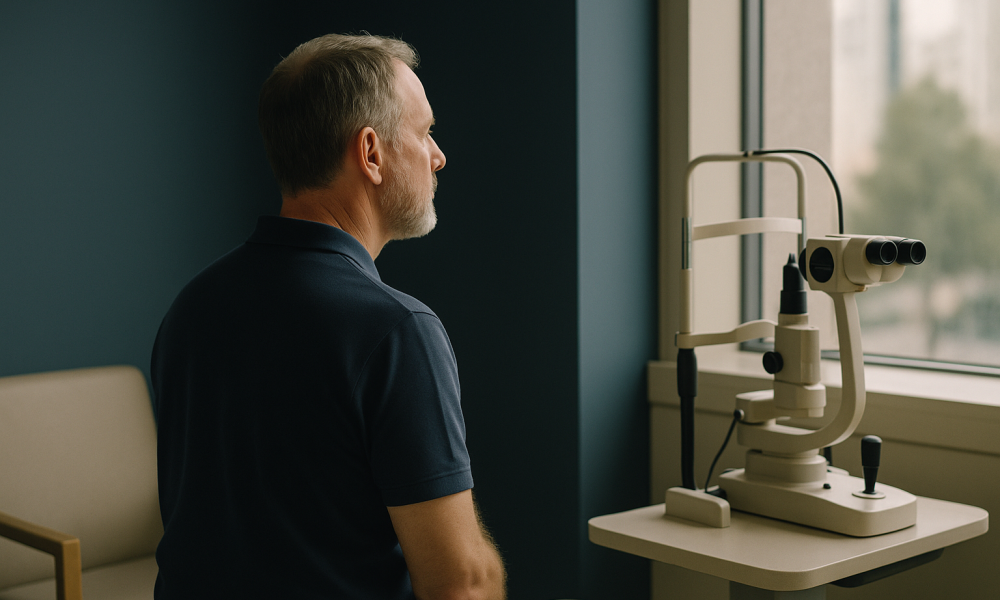
What Presbyopia Correction is and who it is for
Presbyopia correction refers to a range of surgical procedures designed to address presbyopia, a common age-related condition that affects near vision. As individuals reach their 40s and beyond, the lens of the eye naturally loses flexibility, making it difficult to focus on close objects. This condition often results in the need for reading glasses or bifocals. The goal of presbyopia correction is to reduce or eliminate the dependency on these visual aids.
There are several techniques available for presbyopia correction, each with its own advantages and considerations. Some of the common methods include laser-based procedures such as LASIK monovision, where one eye is corrected for distance and the other for near vision. Another laser option is the PresbyLASIK, which involves reshaping the cornea to create multifocal zones that enhance both near and distance vision. For those seeking a lens-based solution, refractive lens exchange (RLE) is an option. This involves replacing the eye’s natural lens with an artificial intraocular lens (IOL) that corrects presbyopia. The choice of procedure depends on various factors, including the patient’s age, the degree of presbyopia, and other ocular health considerations.
Turkey has become a popular destination for presbyopia correction due to its combination of skilled ophthalmologists, state-of-the-art facilities, and cost-effective treatment options. Patients from the United Kingdom might find the financial aspect particularly appealing, with typical prices ranging from £1,200 to £3,000, depending on the procedure and clinic. It’s important to note that these figures are indicative and can vary based on specific patient needs and the complexity of the case.
Presbyopia correction is suitable for individuals who are experiencing difficulty with near vision and are seeking a long-term solution. It’s essential for prospective patients to have realistic expectations and understand that while these procedures can significantly reduce the need for glasses, they may not entirely eliminate it. Additionally, candidates should be in good general health and have no underlying eye conditions that could interfere with the procedure or healing process.
Are you a good candidate?
Determining whether you are a good candidate for presbyopia correction involves a comprehensive evaluation of your eye health and lifestyle. The ideal candidate is typically someone over the age of 40 who is experiencing difficulty focusing on close objects, a common sign of presbyopia. However, there are several other factors to consider when assessing candidacy for these procedures.
Here is a checklist of criteria that can help determine if you might be suitable for presbyopia correction:
- Age: Generally, candidates are over 40, as presbyopia commonly develops in this age range.
- Stable Vision: Your vision prescription should be stable for at least one year prior to undergoing surgery.
- Overall Eye Health: You should not have any active eye infections, diseases, or severe dry eye issues that could affect healing.
- General Health: Candidates should be in good health, with no conditions such as uncontrolled diabetes or autoimmune diseases that could complicate surgery or recovery.
- Realistic Expectations: It’s crucial to understand that while the procedure can significantly improve near vision, it might not fully eliminate the need for reading glasses.
- Previous Eye Surgeries: If you’ve had previous eye surgeries, your candidacy will depend on the type of surgery and its results.
- Lifestyle Needs: Consider how much time you spend on activities that require close vision and how important it is for you to reduce dependency on glasses.
Your ophthalmologist will conduct a thorough eye examination to assess the health of your eyes and discuss your vision goals. This will include measuring your refractive error, evaluating your corneal thickness, and checking for any signs of eye disease. Based on these findings, they can recommend the most suitable presbyopia correction procedure tailored to your needs. It’s also an opportunity to discuss any concerns you may have about the procedures, potential risks, and expected outcomes.
Ultimately, the decision to undergo presbyopia correction should be made in consultation with a qualified eye care professional who can provide personalised advice based on your specific circumstances.
The procedure, step by step
Presbyopia correction is a sophisticated procedure that can significantly enhance the quality of life for those experiencing age-related vision changes. Here is a step-by-step guide to what typically occurs during the procedure in Türkiye:
- Initial Consultation: This is the first step, where an ophthalmologist will conduct a thorough eye examination. This typically includes visual acuity tests, refraction assessment, and corneal topography. The aim is to determine the most suitable correction method. This consultation usually costs between £50 and £100.
- Pre-operative Preparation: Once a suitable procedure is chosen, patients will receive detailed instructions on how to prepare. This often includes avoiding contact lenses for a few days prior and refraining from using eye makeup or creams on the day of the surgery. Patients are also advised to arrange transportation, as they will not be able to drive post-procedure.
- Administration of Anaesthetic: On the day of the procedure, anaesthetic eye drops are applied to numb the eye. This ensures that the patient is comfortable and free from pain during the treatment.
- Procedure Execution: Depending on the method chosen, such as LASIK, PRK, or lens replacement, the procedure will vary slightly. For LASIK, the surgeon creates a thin flap in the cornea using a microkeratome or femtosecond laser. The laser is then used to reshape the cornea, correcting the vision. The flap is repositioned without stitches.
- Post-operative Checks: Immediately after the procedure, the surgeon will check the eyes to ensure the flap is correctly positioned and that there are no immediate complications. Patients will be given protective eyewear and instructions for post-operative care.
- Follow-up Appointments: Follow-up visits are crucial to monitor the healing process. These typically occur the day after surgery, one week later, and then as needed over the next few months. Each visit may cost around £30 to £70.
Recovery timeline
Understanding the recovery timeline for presbyopia correction is essential for setting realistic expectations and ensuring a smooth recovery process. The following table outlines the typical recovery milestones and care notes from the day of the procedure to full recovery:
| Period | What to expect | Care notes |
|---|---|---|
| Day 1 | Patients often experience blurred vision and mild discomfort as the anaesthetic wears off. Sensitivity to light and watery eyes are common. | Rest with eyes closed as much as possible. Use prescribed eye drops to reduce inflammation and prevent infection. Avoid rubbing the eyes. |
| Week 1 | Vision begins to stabilise, though fluctuations are normal. Most discomfort subsides, and patients can typically resume light activities. | Avoid strenuous activities and protect eyes from dust and bright light. Continue using eye drops as prescribed. Attend follow-up appointment. |
| Week 2 to 4 | Significant improvement in vision is usually noted. Most patients can return to work and resume normal activities, barring heavy lifting or intense exercise. | Wear sunglasses outdoors to protect from UV rays. Follow surgeon’s advice on when to resume specific activities. Attend any scheduled check-ups. |
| Month 3 | Vision typically reaches its optimal state. Any residual side effects are generally minimal and continue to improve. | Attend final follow-up visit to ensure complete healing. Report any persistent issues to your ophthalmologist immediately. |
| Full Recovery | By 6 months, patients should have stable, clear vision with minimal to no side effects. | Continue regular eye exams to maintain eye health. Follow lifestyle and care recommendations provided by your eye specialist. |
5. What it costs: Turkey vs the United Kingdom
When considering presbyopia correction, cost is a significant factor for many patients. Understanding the financial implications can help make an informed decision. Turkey has become a popular destination for medical tourism, largely due to its competitive pricing. Below, we compare the typical cost ranges for presbyopia correction procedures in Turkey versus the United Kingdom, alongside what these packages generally include.
| Cost Component | Turkey (GBP) | United Kingdom (GBP) |
|---|---|---|
| Initial Consultation | Included in package or £50-£100 | £100-£200 |
| Presbyopia Correction Surgery | £1,200-£2,500 | £3,000-£5,000 |
| Post-operative Care | Included in package | £500-£1,000 |
| Accommodation and Transfers | Included in package | Not typically included |
It is important to note that the figures provided are indicative and can vary based on the complexity of the case, the technology used, and the specific clinic. In Turkey, many clinics offer comprehensive packages that include accommodation, airport transfers, and sometimes even meals, which are often not included in UK-based treatments. This holistic approach can provide significant savings, especially for patients who require multiple services.
Furthermore, the lower operational costs in Turkey, including labour and facility expenses, contribute to the reduced pricing. However, it is essential to ensure that the chosen provider meets internationally recognised standards of care and has a robust track record of successful surgeries.
While cost is a crucial consideration, it should not be the sole factor in your decision-making process. Quality and safety remain paramount, and it is advisable to consult with multiple providers, both in Turkey and the UK, to understand the full scope of what is offered.
6. Risks and how accredited providers manage them
Presbyopia correction, like any medical procedure, comes with inherent risks. It is crucial for prospective patients to be aware of these risks and understand how they are managed by accredited providers in Turkey, ensuring a safe and effective treatment experience.
Common risks associated with presbyopia correction include dry eyes, glare, halos, and in some cases, under-correction or over-correction. These risks are not unique to procedures in Turkey and are present in treatments worldwide. However, the way these risks are mitigated can vary based on the provider’s expertise and the technology used.
Accredited providers in Turkey adhere to international standards, often holding certifications from organisations such as the Joint Commission International (JCI) or the European Foundation for Quality Management (EFQM). These certifications ensure that clinics maintain high standards of safety, quality, and patient care.
To manage risks effectively, accredited clinics in Turkey employ several strategies:
- Thorough Pre-operative Assessments: Before surgery, patients undergo comprehensive evaluations to determine their suitability for the procedure. This includes detailed eye examinations and discussions about medical history to identify any potential contraindications.
- Advanced Technology: Many clinics use state-of-the-art technology, such as femtosecond lasers, which enhance precision and reduce the likelihood of human error during surgery.
- Experienced Surgeons: Accredited providers ensure that surgeries are performed by highly experienced ophthalmologists who have undergone extensive training and have a track record of successful operations.
- Post-operative Care: Comprehensive follow-up care is a standard part of the treatment package. This includes regular check-ups to monitor recovery and address any complications early.
- Patient Education: Patients receive detailed information on post-surgery care and lifestyle adjustments to support optimal recovery and minimise risks of complications.
While the risks associated with presbyopia correction cannot be entirely eliminated, choosing an accredited provider in Turkey can significantly enhance the safety and success of the procedure. Patients are encouraged to ask questions and fully understand all aspects of the treatment and post-operative care before proceeding with surgery.
How to choose the right provider
Choosing the right provider for presbyopia correction in Turkey requires careful consideration of several factors to ensure a safe and successful experience. Accreditation is a primary aspect to evaluate. Look for clinics that are accredited by reputable international bodies, such as the Joint Commission International (JCI) or the International Organization for Standardization (ISO). These accreditations indicate adherence to high standards of care and safety.
Surgeon experience is another crucial factor. Research the surgeon’s qualifications, including their education, training, and years of experience in performing presbyopia correction procedures. A surgeon with a robust track record in this field can significantly impact the success of the treatment. Patients can often find this information on the clinic’s website or by contacting the clinic directly.
Aftercare is an essential component of the treatment process that should not be overlooked. Inquire about the aftercare services provided by the clinic. Comprehensive aftercare should include follow-up appointments, access to medical staff for any concerns, and clear instructions for recovery. This support is vital for monitoring your progress and managing any post-operative complications.
Red flags to watch out for when selecting a provider include lack of accreditation, vague or incomplete information about the surgeon’s credentials, and absence of clear aftercare plans. Additionally, be cautious of clinics that make guarantees about outcomes or offer prices significantly lower than the typical range, as this could indicate a compromise in quality.
Finally, consider patient reviews and testimonials. While these should not be the sole deciding factor, they can provide insights into other patients’ experiences and satisfaction levels. Look for consistent positive feedback about the clinic’s professionalism, the surgeon’s expertise, and the overall treatment experience.
Planning your trip
Planning your trip to Turkey for presbyopia correction involves several important steps and considerations to ensure a smooth and stress-free experience. Start by establishing a timeline before travel. It’s advisable to begin planning at least two to three months in advance. This allows sufficient time for consultations, booking appointments, and arranging travel logistics.
Ensure all necessary documents are in order. A valid passport is required, with at least six months of validity remaining from your planned return date. Check visa requirements for UK citizens travelling to Turkey, as these can change; currently, UK citizens can travel to Turkey for tourism without a visa for stays up to 90 days.
Consider the length of stay needed for the procedure. Typically, patients should plan for a stay of 7 to 10 days. This duration allows for the initial consultation, the procedure itself, and follow-up appointments to ensure recovery is on track. Discuss the expected length of stay with your chosen clinic to tailor your travel plans accordingly.
Arrange accommodations that are convenient and comfortable. Staying close to the clinic can reduce travel stress and ensure timely arrival for appointments. Many clinics offer assistance with travel and accommodation arrangements, so inquire if this service is available.
Plan for follow-up care once you return home. Arrange for an eye specialist in the UK to continue monitoring your recovery. This continuity of care is crucial for addressing any concerns and ensuring long-term success of the treatment.
Finally, consider travel insurance that covers medical tourism. This can provide peace of mind by covering unexpected medical expenses or travel disruptions. Verify the policy details to ensure it covers the specific procedures you plan to undergo in Turkey.
Frequently Asked Questions
What is the typical cost range for presbyopia correction in Turkey?
The cost of presbyopia correction in Turkey typically ranges from £1,200 to £3,500, depending on the procedure type and the clinic’s location and reputation. This range is indicative and patients should obtain detailed quotes from clinics to understand the full scope of costs involved.
How do I know if a clinic is accredited?
To verify a clinic's accreditation, check for certifications from international organisations such as the Joint Commission International (JCI) or the International Organization for Standardization (ISO). These accreditations can usually be found on the clinic's website or by contacting them directly for confirmation.
What should I look for in a surgeon?
When choosing a surgeon, consider their qualifications, years of experience, and specific expertise in presbyopia correction. Look for surgeons who have completed specialised training in ophthalmology and have a proven track record with the procedure. Patient testimonials and professional affiliations can also provide valuable insights.
Is presbyopia correction safe?
Presbyopia correction is generally considered safe when performed by qualified and experienced surgeons. However, as with any medical procedure, there are risks involved. Thoroughly research potential providers, ensure they are accredited, and discuss any concerns with your surgeon to understand the risks and benefits.
What is included in the cost of treatment?
The cost of treatment typically includes the initial consultation, the procedure itself, and standard aftercare. However, additional costs may arise, such as medication, extended aftercare, or accommodation. It's important to clarify what is included in the quoted price with your chosen clinic.
How long should I plan to stay in Turkey for the procedure?
Patients should generally plan to stay in Turkey for about 7 to 10 days. This allows time for the initial consultation, the procedure, and necessary follow-up appointments to ensure recovery is progressing well before returning home.
What documents do I need to travel to Turkey for medical treatment?
UK citizens need a valid passport with at least six months of validity from their planned return date. Currently, no visa is required for stays up to 90 days for tourism purposes, but always check for any updates on entry requirements before travelling.
How can I ensure proper aftercare once I return to the UK?
Arrange follow-up care with an eye specialist in the UK before you travel. This ensures continuity of care and addresses any post-operative concerns. Discuss with your Turkish provider about the necessary follow-up steps and share this information with your UK specialist.
What are some red flags to watch out for when choosing a clinic?
Be wary of clinics that lack accreditation, provide vague information about their surgeons, or offer unrealistically low prices. Guarantees of specific outcomes can also be a red flag, as reputable providers will always present a balanced view of potential risks and benefits.
Can I get help with travel arrangements from the clinic?
Many clinics offer assistance with travel and accommodation arrangements. It's beneficial to inquire about this service during your initial contact with the clinic, as it can simplify your travel planning and ensure convenient lodging close to the treatment facility.
Is travel insurance necessary for medical tourism?
Travel insurance is highly recommended for medical tourism, as it can cover unexpected medical expenses and travel disruptions. Ensure the policy specifically includes coverage for the procedures you plan to undergo in Turkey and verify the details before purchasing.
What are the risks associated with presbyopia correction?
Potential risks of presbyopia correction include infection, dry eyes, and under or over-correction. While complications are rare, discussing these risks with your surgeon can help you make an informed decision and prepare for the procedure.