
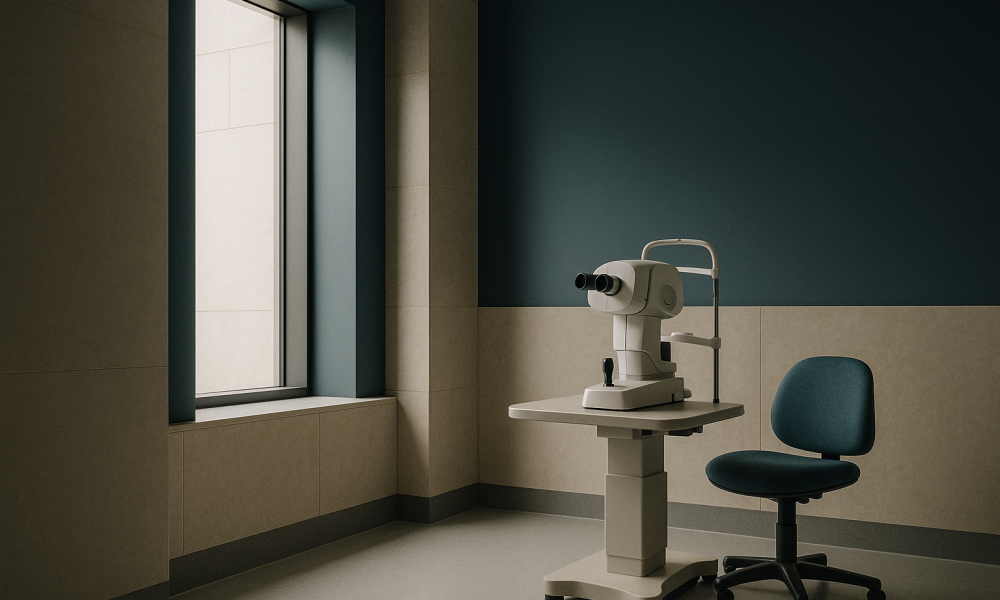
What PRK Laser Eye Surgery is and who it is for
Photorefractive Keratectomy (PRK) is a type of laser eye surgery designed to correct vision by reshaping the cornea. This procedure is particularly beneficial for individuals with myopia (short-sightedness), hyperopia (long-sightedness), and astigmatism. Unlike the more commonly known LASIK procedure, PRK does not involve creating a corneal flap. Instead, the outer layer of the cornea, known as the epithelium, is removed entirely before the laser is applied to reshape the underlying corneal tissue. This approach can be advantageous for individuals with thinner corneas or those at risk for corneal flap complications.
The PRK procedure itself is relatively quick, typically taking about 10 to 15 minutes per eye. Local anaesthesia in the form of eye drops is used to numb the eye, ensuring the patient experiences minimal discomfort during the procedure. After the surgery, a protective contact lens is placed over the eye to aid in healing and minimise discomfort. Recovery from PRK is generally longer compared to LASIK, as the epithelial layer needs time to regenerate. Patients typically experience a gradual improvement in vision over several weeks, with full visual recovery expected within one month.
PRK is well-suited for patients who engage in contact sports or have professions where a corneal flap could be problematic, such as military personnel. It’s also a viable option for individuals with dry eyes, as it may result in less postoperative dryness compared to LASIK. However, potential candidates should be aware that the recovery process involves more discomfort and a longer healing time. The initial post-operative period may include symptoms like mild pain, blurred vision, and light sensitivity, all of which typically improve as the epithelium heals.
In Turkey, PRK is a popular choice due to its cost-effectiveness and the high level of expertise available. The procedure is often more affordable than in Australia, with indicative costs ranging from £800 to £1,200 per eye. This makes Turkey an attractive destination for medical tourists seeking quality eye care at a competitive price.
Are you a good candidate?
Determining whether you are a good candidate for PRK laser eye surgery involves a comprehensive evaluation of your eye health and vision needs. While many individuals with refractive errors can benefit from PRK, certain criteria must be met to ensure the safety and efficacy of the procedure. Here is a checklist of factors to consider:
- Age: Candidates should be at least 18 years old with a stable vision prescription for at least one year.
- Refractive Error: Suitable for correcting mild to moderate myopia, hyperopia, and astigmatism.
- Corneal Thickness: Ideal for those with thin corneas, as PRK does not require the creation of a flap.
- Overall Eye Health: Eyes must be free from infections, injuries, and diseases such as cataracts or glaucoma.
- General Health: Good overall health is essential. Conditions like uncontrolled diabetes or autoimmune diseases may affect candidacy.
- Realistic Expectations: Candidates should have realistic expectations about the outcomes and understand that results can vary.
- Pregnancy and Nursing: Women who are pregnant or nursing should wait, as hormonal changes can affect vision stability.
Each potential candidate should undergo a thorough pre-operative evaluation by an ophthalmologist to assess these factors. This evaluation will include a detailed eye examination, corneal mapping, and a discussion of your vision goals. It is important to communicate openly with your eye care provider about your medical history and any concerns you may have.
Ultimately, while PRK is a safe and effective procedure for many, it is not suitable for everyone. Those with severe refractive errors or certain medical conditions may need to explore alternative treatments. Your ophthalmologist will help guide you in making an informed decision based on your specific needs and circumstances.
The procedure, step by step
Photorefractive Keratectomy (PRK) is a type of laser eye surgery designed to correct vision issues such as myopia, hyperopia, and astigmatism. Understanding each step of the procedure can help alleviate anxiety and set realistic expectations. Here’s a detailed look at what you can expect during the PRK procedure in Turkey:
- Pre-operative Consultation: Before the surgery, you will have a comprehensive eye examination. This appointment typically includes measuring corneal thickness, mapping the cornea, and assessing the eye’s overall health. The ophthalmologist will discuss your specific visual needs and confirm your suitability for PRK.
- Preparation on the Day of Surgery: On the day of the procedure, you will be asked to avoid wearing any eye makeup or creams. Upon arrival at the clinic, you will be given a mild sedative to help you relax. Numbing eye drops will be applied to ensure you do not feel discomfort during the surgery.
- Removal of the Corneal Epithelium: The surgeon will gently remove the thin outer layer of your cornea, known as the epithelium. This step can be performed using a special brush, blade, or laser. The removal of the epithelium allows the laser to reshape the underlying corneal tissue effectively.
- Laser Reshaping: An excimer laser, which is computer-controlled, is used to reshape the corneal stroma. The laser precisely ablates microscopic amounts of tissue based on the pre-determined measurements to correct the refractive error. This process usually takes less than a minute per eye.
- Application of a Bandage Contact Lens: After the laser treatment, a soft bandage contact lens is placed on the eye to protect the cornea as it heals and to reduce discomfort. This lens is typically worn for about 5 to 7 days.
- Post-operative Instructions: The surgeon will provide detailed aftercare instructions, including the use of prescribed eye drops to prevent infection and manage inflammation. You will be advised to avoid activities that could strain your eyes, such as reading or screen time, during the initial recovery period.
The entire PRK procedure is usually completed within 30 minutes for both eyes. The actual laser application is brief, but the preparation and post-procedure checks contribute to the overall time. Patients often report that the process is painless due to the numbing drops, though some pressure may be felt.
Recovery timeline
Recovering from PRK surgery is a gradual process. While visual improvement can be noticed within days, full stabilisation may take several weeks. Here’s a detailed recovery timeline to guide you through the process:
| Period | What to expect | Care notes |
|---|---|---|
| Day 1 | Immediate post-surgery, expect blurred vision and mild discomfort. Light sensitivity is common. | Rest with eyes closed. Use prescribed eye drops to prevent infection and reduce inflammation. Wear sunglasses to protect against bright light. |
| Days 2-3 | Vision may fluctuate, with some periods of clarity. Discomfort should begin to subside. | Continue using eye drops as directed. Avoid rubbing your eyes. Keep hydrated and maintain a balanced diet to support healing. |
| Days 4-7 | Vision gradually improves, but may still be hazy. The bandage contact lens is usually removed during this period. | Attend follow-up appointment for lens removal. Follow any additional instructions provided by your doctor. |
| Week 2-4 | Noticeable improvement in vision. Some patients may return to driving and work if comfortable. | Limit screen time and take regular breaks to rest your eyes. Continue with any prescribed medication. |
| Month 1-3 | Visual acuity continues to stabilise. Most patients achieve optimal vision during this period. | Attend all scheduled follow-up visits. Avoid activities that could cause eye strain or injury. |
| Full Recovery | Typically within 3 to 6 months, vision stabilises, and any residual haze usually resolves. | Maintain regular eye check-ups to monitor eye health and visual acuity. Discuss any concerns with your ophthalmologist. |
It is crucial to follow your surgeon’s post-operative care instructions closely to ensure a smooth recovery. While most patients experience significant improvement in vision, it is important to remember that the healing process can vary among individuals.
What it costs: Turkey vs Australia
When considering PRK laser eye surgery, cost is a significant factor for many patients. Understanding the financial aspects of undergoing this procedure in Turkey compared to Australia can help in making an informed decision. It is crucial to note that the figures provided here are indicative and can vary based on the specific provider, the complexity of the case, and additional services included in the package.
| Country | Indicative Price Range (per eye) | Typical Package Inclusions |
|---|---|---|
| Turkey | £800 – £1,200 |
|
| Australia | £1,500 – £2,500 |
|
The cost difference is primarily due to lower operational costs in Turkey, which allows clinics to offer competitive pricing without compromising on quality. It’s worth noting that some Turkish clinics provide comprehensive packages that include not only the medical aspects but also accommodations and airport transfers, making it a more convenient option for international patients.
Patients should verify what is included in the quoted price, as this can vary widely between providers. It’s advisable to have a clear understanding of all costs involved, including any potential additional expenses, such as travel insurance, meals, and personal expenses during the stay.
Risks and how accredited providers manage them
Undergoing PRK laser eye surgery, like any medical procedure, comes with certain risks. Understanding these risks and how accredited providers in Turkey manage them is essential for patient confidence and safety.
Some of the common risks associated with PRK include dry eyes, glare, halos, and fluctuating vision. More serious, although rare, complications can include infection, significant over- or under-correction, and corneal haze. Accredited clinics in Turkey take various measures to minimise these risks and ensure patient safety.
- Pre-operative Assessment: A thorough pre-operative assessment is crucial. Accredited providers conduct comprehensive eye examinations to determine the suitability of PRK for each patient. This includes corneal thickness measurements, mapping, and a detailed evaluation of the eye’s refractive status.
- Experienced Surgeons: Clinics employ experienced and certified ophthalmologists who are well-versed in the latest PRK techniques. Surgeons with extensive experience are less likely to encounter complications and are better equipped to manage them if they arise.
- State-of-the-art Technology: Reputable clinics use advanced laser technology that enhances precision and reduces the risk of errors during the procedure. Modern equipment also helps in the accurate mapping of the cornea, which is vital for successful outcomes.
- Hygiene and Sterilisation: Maintaining high standards of hygiene and sterilisation is a priority. Accredited clinics follow strict protocols to minimise the risk of infection, including the use of sterile equipment and facilities.
- Post-operative Care: Proper post-operative care is essential in mitigating risks. Clinics provide detailed instructions on eye care post-surgery and schedule follow-up visits to monitor the healing process. Patients are advised on the use of prescribed medications to prevent infection and manage discomfort.
In addition to these measures, accredited clinics in Turkey often offer robust communication channels between patients and healthcare providers. This ensures that patients can easily reach out with concerns or queries during their recovery period. By choosing an accredited provider, patients can be assured of a commitment to safety and quality care, although it is important to remember that no procedure is entirely without risk.
Ultimately, patients are encouraged to discuss any concerns with their chosen clinic and ensure they have a clear understanding of potential risks and the measures in place to manage them. This transparency is vital in making informed decisions about undergoing PRK laser eye surgery abroad.
How to choose the right provider
Choosing the right provider for your PRK laser eye surgery in Turkey is a crucial decision that requires careful evaluation of several factors. One of the first things to consider is the accreditation of the clinic. Ensure the facility is accredited by reputable international bodies such as the Joint Commission International (JCI) or the International Organization for Standardization (ISO). Accreditation ensures that the clinic adheres to high standards of medical care and patient safety.
Another important factor is the experience and qualifications of the surgeon. Look for a surgeon who is board-certified in ophthalmology and has extensive experience in performing PRK procedures. A surgeon with a track record of successful surgeries and positive patient outcomes is preferable. It’s advisable to ask about the number of PRK surgeries they have performed and their success rate.
Aftercare services are also a vital consideration. A comprehensive aftercare programme should include follow-up appointments to monitor your recovery and address any complications. It’s important to understand what aftercare services are included in the package and whether there are any additional costs.
Be wary of red flags such as clinics that offer prices significantly lower than the average range of USD 800 to USD 1,500 per eye, as this may indicate compromised quality. Additionally, avoid providers that make unrealistic promises or guarantees about outcomes, as individual results can vary.
Lastly, read reviews and testimonials from previous patients to gain insights into their experiences. Online forums and independent review sites can be useful resources to assess patient satisfaction and the clinic’s reputation. By thoroughly researching and considering these factors, you can make an informed decision and increase the likelihood of a positive outcome for your PRK surgery.
Planning your trip
Planning your trip to Turkey for PRK laser eye surgery involves several steps to ensure a smooth and stress-free experience. Begin by scheduling your surgery approximately two to three months in advance. This timeline allows ample time for consultations, securing your medical visa if required, and booking travel arrangements.
Ensure you have all necessary documents ready, including a valid passport, medical records, and any correspondence with the clinic. If you need a visa, consult the Turkish consulate in Australia or visit their official website for the most current requirements and application procedures.
Typically, you should plan to stay in Turkey for around 7 to 10 days. This duration allows for pre-surgery consultations, the procedure itself, and initial recovery and follow-up appointments. It is advisable to arrive a couple of days before your surgery to acclimate and attend any preliminary consultations.
Arrange accommodation near the clinic to facilitate easy travel for follow-ups. Many patients opt for hotels or serviced apartments that offer comfort and convenience.
After your procedure, it’s important to plan for follow-up care once you return to Australia. Discuss with your surgeon the specifics of post-operative care and obtain any necessary documentation to share with your local ophthalmologist. This ensures continuity of care and addresses any complications promptly.
Consider travel insurance that covers medical tourism, including coverage for any unforeseen medical issues related to your surgery. This can provide peace of mind during your trip.
Finally, ensure you have a realistic budget that includes not only the cost of the surgery, which typically ranges from USD 800 to USD 1,500 per eye, but also travel, accommodation, and any additional expenses. With thorough planning, your medical trip to Turkey can be both successful and enjoyable.
Frequently Asked Questions
What is the typical cost of PRK surgery in Turkey?
The cost of PRK laser eye surgery in Turkey typically ranges from USD 800 to USD 1,500 per eye. This range can vary depending on the clinic's location, the surgeon's experience, and the specific services included in the package. It's important to confirm what is included in the quoted price, such as pre-operative consultations, the surgery itself, and post-operative care.
Are there any hidden costs I should be aware of?
While most clinics in Turkey offer transparent pricing, it's crucial to verify what is included in the package. Ask about additional charges for pre-operative consultations, medication, aftercare services, and any potential follow-up visits. Understanding these details upfront will help you budget accurately and avoid unexpected expenses.
Is PRK surgery safe?
PRK surgery is considered safe and effective when performed by experienced ophthalmologists in accredited facilities. As with any surgical procedure, there are risks involved, but these are minimized through stringent safety protocols and thorough pre-operative assessments. Discussing your medical history and any concerns with your surgeon can further enhance safety.
How long should I stay in Turkey after the surgery?
It is generally recommended to stay in Turkey for 7 to 10 days following PRK surgery. This timeframe allows for pre-surgery consultations, the procedure, initial recovery, and necessary follow-up appointments to ensure proper healing and address any immediate concerns.
What documents do I need for the surgery?
You will need a valid passport, medical records related to your eye health, and any communication with the clinic regarding your treatment plan. If required, a medical visa should be obtained prior to your travel. Confirm these requirements with the clinic and the Turkish consulate in Australia.
How can I verify a clinic's accreditation?
You can verify a clinic's accreditation by checking for certifications from reputable international bodies like the Joint Commission International (JCI) or the International Organization for Standardization (ISO). These accreditations are indicators of high standards in medical care and patient safety.
What qualifications should the surgeon have?
The surgeon should be board-certified in ophthalmology and have extensive experience in performing PRK procedures. It's beneficial to inquire about their training, the number of surgeries they have performed, and their success rates to ensure you are in capable hands.
What should I pack for my trip?
Pack comfortable clothing, sunglasses to protect your eyes post-surgery, and any prescribed medication. Ensure you have all necessary documentation, including your passport, medical records, and travel insurance details. Consider bringing entertainment for your recovery period, such as books or music.
Can I travel alone for the surgery?
While it is possible to travel alone, it is advisable to have a companion accompany you. They can provide support and assistance, especially immediately after the surgery when your vision may be temporarily impaired. Having someone to help with transportation and communication can be beneficial.
Will I need follow-up care once I return to Australia?
Yes, follow-up care is essential to monitor your recovery and address any complications. Arrange for an ophthalmologist in Australia to continue your post-operative care. Ensure you have detailed records and instructions from your Turkish surgeon to share with your local healthcare provider.
How soon can I return to work after PRK surgery?
Most patients can return to work within a week of PRK surgery, although this can vary based on individual recovery rates and the nature of your job. It is important to avoid strenuous activities and screen exposure during the initial recovery phase to facilitate healing.
What if I experience complications after returning home?
In the event of complications, contact the clinic in Turkey for advice and consult with your local ophthalmologist. Having a clear post-operative care plan and understanding potential risks can help manage any issues effectively. Travel insurance that covers medical complications can also provide additional support.