
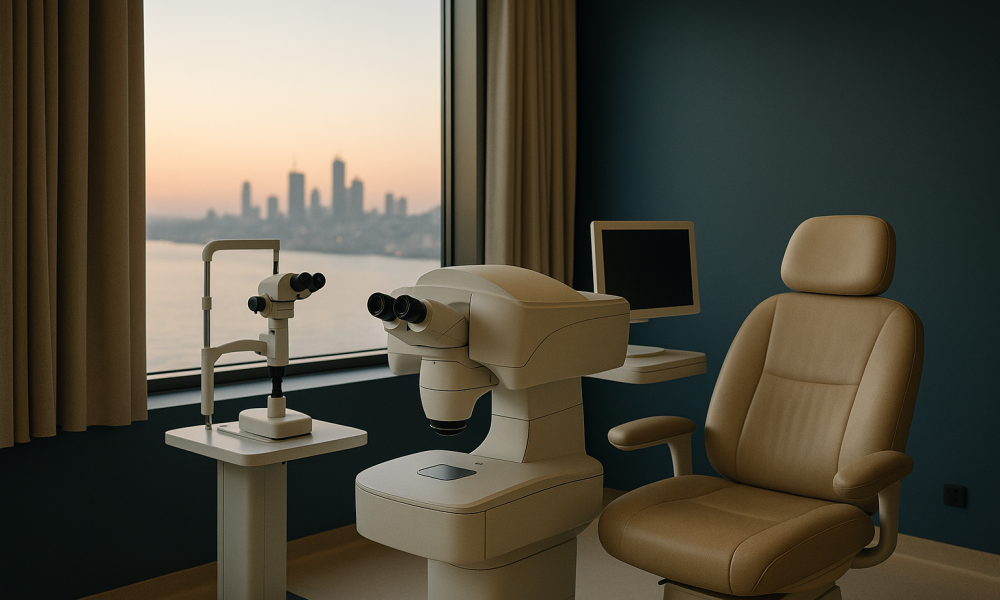
What PRK Laser Eye Surgery is and who it is for
Photorefractive Keratectomy (PRK) is a type of refractive surgery used to correct vision problems such as myopia (nearsightedness), hyperopia (farsightedness), and astigmatism. Unlike LASIK, another popular form of laser eye surgery, PRK does not involve creating a flap in the cornea. Instead, the outer layer of the cornea is gently removed, allowing the excimer laser to reshape the underlying corneal tissue. This process results in the correction of refractive errors and improved vision quality.
PRK is particularly suitable for individuals with thinner corneas, where creating a corneal flap might not be advisable. The procedure is relatively quick, typically taking between 10 to 15 minutes per eye. It is performed under local anaesthesia, ensuring minimal discomfort during the surgery. Patients can expect to return home on the same day, as no hospital stay is required.
The recovery process for PRK is generally longer compared to LASIK. Initial vision improvements can be noticed within 1 to 2 weeks post-surgery, but full recovery and stabilisation of vision may take up to 3 months. During the first few days following the procedure, patients may experience discomfort, including a gritty sensation in the eyes and sensitivity to light. These symptoms usually subside as the corneal surface heals.
PRK is often recommended for patients who engage in contact sports or have professions that increase the risk of eye trauma, as there is no flap that could potentially be dislodged. The surgery boasts a high success rate, with many patients achieving 20/20 vision or better. However, as with any medical procedure, individual outcomes can vary based on factors such as the degree of refractive error and the patient’s healing response.
Are you a good candidate?
Determining whether you are a suitable candidate for PRK laser eye surgery involves a comprehensive assessment by an ophthalmologist. Several factors are considered to ensure the procedure is appropriate and likely to be successful. Here is a checklist of criteria that may help you evaluate your candidacy:
- Age: Candidates should typically be over 18 years old, as vision should be stable.
- Stable Prescription: Your eyeglass or contact lens prescription should have remained stable for at least one year.
- Corneal Thickness: PRK is suitable for individuals with thinner corneas, as it does not require the creation of a flap.
- Refractive Errors: Suitable for correcting myopia, hyperopia, and astigmatism within certain limits, usually up to -8.00 diopters for myopia, +4.00 diopters for hyperopia, and 4.00 diopters of astigmatism.
- Overall Eye Health: Your eyes should be free from diseases such as keratoconus or severe dry eyes.
- General Health: Candidates should not have uncontrolled diabetes or autoimmune diseases that could affect healing.
- Realistic Expectations: Understanding that while PRK can significantly reduce dependency on glasses or contacts, perfect vision is not guaranteed.
It is essential to have a detailed discussion with your eye surgeon to understand the potential risks and benefits specific to your situation. Pre-operative evaluations include a thorough eye examination and corneal mapping to determine the exact nature of your refractive error. This information helps tailor the procedure to your specific needs, maximising the likelihood of a successful outcome.
In summary, PRK is a viable option for many individuals seeking to correct their vision, particularly those with thinner corneas or involved in activities that pose a risk to corneal flaps. A comprehensive assessment will ensure that you are a good candidate, paving the way for improved vision and quality of life.
The procedure, step by step
PRK (Photorefractive Keratectomy) is a type of laser eye surgery designed to correct vision by reshaping the cornea. The procedure is typically performed under local anaesthetic and takes about 10 to 15 minutes per eye. Here is a detailed step-by-step guide to what you can expect during the PRK procedure:
- Initial Consultation: Before the surgery, you will have a comprehensive eye examination to determine your suitability for PRK. This includes measuring corneal thickness, mapping the surface of your eyes, and assessing your overall eye health.
- Preparation: On the day of the surgery, you will be asked to wear comfortable clothing and avoid wearing any makeup or perfume. Once at the clinic, a technician will clean the area around your eyes and administer anaesthetic eye drops to numb the eyes.
- Removing the Epithelium: The surgeon will begin by removing the outer layer of the cornea, known as the epithelium. This can be done using a mechanical brush, alcohol solution, or a laser. This step is crucial as it allows the laser to access the corneal tissue beneath.
- Laser Reshaping: Using a computer-controlled excimer laser, the surgeon reshapes the cornea to correct refractive errors. The laser is programmed based on precise measurements taken during your initial consultation. Each eye typically requires less than a minute of laser exposure.
- Applying a Protective Contact Lens: Once the cornea is reshaped, a soft contact lens is placed over the eye to act as a bandage. This helps protect the cornea as it heals and provides comfort.
- Post-operative Instructions: After the procedure, you will receive instructions on how to care for your eyes. This includes using prescribed eye drops to prevent infection and reduce inflammation, as well as wearing sunglasses to protect against UV light.
- Follow-up Appointments: You will need to attend follow-up visits to monitor the healing process. These typically occur one day, one week, and one month after surgery, with additional visits as needed.
Throughout the procedure, the surgical team will ensure you are comfortable and informed. While it is normal to feel some pressure, the anaesthetic drops will prevent any pain during the surgery itself.
Recovery timeline
The recovery timeline for PRK laser eye surgery is generally longer than other laser procedures like LASIK, primarily due to the removal of the corneal epithelium. Here is a detailed table outlining what you can expect during the recovery period and the care required at each stage:
| Period | What to Expect | Care Notes |
|---|---|---|
| Day 1 | Vision will be blurry, and you may experience discomfort, tearing, and light sensitivity. | Use prescribed eye drops as directed. Rest your eyes and avoid bright lights. Wear sunglasses when outdoors. |
| Days 2-3 | Discomfort decreases, but vision remains blurry. The protective contact lens is still in place. | Continue using eye drops. Avoid rubbing eyes. Follow up with your surgeon for a check-up. |
| Day 4-7 | Protective contact lens is usually removed. Vision starts to improve gradually. | Attend your follow-up visit for lens removal. Continue eye drops as prescribed. |
| Week 2 | Vision continues to clear, but fluctuations are normal. Most discomfort has subsided. | Avoid strenuous activities and swimming. Keep eyes lubricated with drops. |
| Weeks 3-4 | Significant improvement in vision. Night glare may still occur. | Gradually resume normal activities. Consult your surgeon if glare persists. |
| Month 3 | Vision stabilizes for most patients. Night vision issues typically resolve. | Attend a follow-up appointment to assess vision stability. |
| Month 6 | Full recovery is usually achieved. Final vision outcomes are assessed. | Continue routine eye check-ups. Discuss any concerns with your ophthalmologist. |
It is important to adhere to all post-operative care instructions provided by your surgeon to ensure a smooth recovery. While most patients experience substantial vision improvement, individual recovery times can vary based on personal healing rates and adherence to care protocols.
What it costs: Turkey vs the United States
When considering PRK laser eye surgery, cost is a significant factor for many prospective patients. The financial aspect can vary significantly depending on the country where the procedure is performed. Below is a comparative analysis of the typical costs associated with PRK laser eye surgery in Turkey versus the United States.
| Country | Indicative Price Range (per eye) | Typical Inclusions |
|---|---|---|
| Turkey | $1,000 – $1,500 |
|
| United States | $2,000 – $3,500 |
|
It’s important to note that these figures are indicative and can vary based on the specific clinic, surgeon experience, and the complexity of the procedure. In Turkey, the lower cost does not necessarily equate to lower quality. Many clinics offer comprehensive packages that include not only the surgery itself but also extended post-operative care, which can be a significant advantage for international patients who may need to stay in the country for a short period after surgery.
In contrast, the higher costs in the United States are often attributed to higher overheads and the inclusion of advanced technologies. However, the inclusivity of post-operative care can vary, with some clinics offering only minimal follow-up appointments unless additional fees are paid.
Patients considering surgery abroad should also factor in travel and accommodation costs. Turkey is known for its affordability in these areas, which can further reduce overall expenses. Additionally, the competitive pricing in Turkey is often accompanied by high standards of medical care, with many clinics adhering to international accreditation standards.
Ultimately, the decision should be based on a balance of cost, quality, and personal comfort with the chosen healthcare provider. Prospective patients are encouraged to conduct thorough research and consult with multiple clinics to understand what each package includes and to ensure all their needs will be met.
Risks and how accredited providers manage them
Like any surgical procedure, PRK laser eye surgery carries certain risks and potential complications. It is crucial for prospective patients to understand these risks and know how accredited providers in Turkey manage them to ensure patient safety and successful outcomes.
Common risks associated with PRK include temporary discomfort, dry eyes, glare, halos, and in rare cases, infection or vision regression. Accredited providers in Turkey are well-equipped to minimise these risks through a combination of advanced technology and stringent protocols.
Firstly, pre-operative assessments are critical. Accredited clinics conduct thorough examinations to determine patient suitability for PRK. This typically includes corneal mapping, pupil measurement, and a comprehensive review of the patient’s eye health history. Patients with certain conditions such as thin corneas or severe dry eyes may be advised against the procedure to mitigate risks.
During the surgery, state-of-the-art laser technology is utilised to ensure precision and accuracy. Many clinics in Turkey use the latest generation of excimer lasers, which are known for their ability to deliver highly precise ablations, reducing the likelihood of post-operative complications.
Post-operatively, accredited providers focus heavily on aftercare. Patients are usually given a detailed post-operative care plan, which includes the use of prescribed medications to prevent infection and manage discomfort. Regular follow-up appointments are scheduled to monitor the healing process and address any concerns promptly.
Furthermore, many clinics in Turkey are internationally accredited, adhering to global standards for patient safety and care. This includes maintaining sterile surgical environments, ongoing staff training, and rigorous quality assurance processes. Accreditation bodies such as the Joint Commission International (JCI) often oversee these standards, providing an additional layer of reassurance for international patients.
It is also essential for patients to follow the aftercare instructions meticulously to ensure optimal recovery. This includes avoiding strenuous activities, wearing protective eyewear as recommended, and attending all scheduled follow-up appointments.
In summary, while PRK laser eye surgery does carry inherent risks, accredited clinics in Turkey employ comprehensive strategies to manage these effectively. Patients are encouraged to discuss all potential risks and their management with their chosen provider to make informed decisions about their care.
How to choose the right provider
When considering PRK laser eye surgery in Turkey, selecting the right provider is crucial to ensure a safe and successful experience. Start by examining the accreditation status of the clinic. Look for those accredited by internationally recognised bodies such as the Joint Commission International (JCI) or the European Foundation for Quality Management (EFQM). Accreditation ensures that the clinic adheres to stringent quality standards in both patient care and clinical practices.
Another important factor is the experience of the surgeon. Ideally, the surgeon should have several years of experience specifically in performing PRK procedures. Inquire about the number of surgeries they have conducted and their success rates, understanding that individual outcomes can vary. Reading reviews and testimonials from previous patients can offer additional insights into the surgeon’s expertise.
Aftercare is a critical component of the treatment process. A reputable provider will offer comprehensive post-operative care, including follow-up appointments to monitor healing and address any complications. Ensure that the clinic provides a clear aftercare plan and is available for communication after you return home. Some clinics may offer partnerships with local optometrists in your home country for continued care.
Be vigilant about potential red flags. Avoid clinics that make unrealistic promises or guarantee specific outcomes. A professional clinic will provide a realistic assessment of the potential risks and benefits of the procedure. Be wary of providers that pressure you into making quick decisions or those that lack transparency about costs and procedures.
Finally, consider the overall reputation of the clinic. Established clinics with a long history of providing eye care services are generally more reliable. Verify their credentials and seek recommendations from trusted sources or medical tourism agencies. With careful research and consideration, you can choose a provider that meets your needs and ensures a positive PRK experience.
Planning your trip
Planning your trip to Turkey for PRK laser eye surgery involves several important steps to ensure a smooth and stress-free experience. Begin by establishing a timeline. Most clinics recommend scheduling your procedure at least 4-6 weeks in advance to allow adequate time for preparation and consultation. This period also enables you to gather necessary medical records and obtain any required pre-operative tests.
Ensure that all your travel documents are in order. U.S. citizens require a valid passport and may need a visa, which can often be obtained online in advance. Check the latest travel advisories and health requirements, such as vaccinations or COVID-19 protocols, to avoid any last-minute surprises.
Plan for a stay of approximately 7-10 days to accommodate pre-surgery consultations, the procedure itself, and initial recovery. While the surgery is typically completed in a single day, you will need to remain in Turkey for follow-up appointments to monitor your healing. Discuss with your clinic whether they offer post-operative care packages that include accommodation and transportation, as this can simplify logistics.
Consider the location of the clinic and nearby amenities. Staying in a comfortable and convenient area can enhance your recovery experience. Many patients choose to stay in Istanbul, where numerous clinics are located, along with a wealth of cultural sites to explore during your downtime.
Before you depart, arrange for follow-up care with an eye specialist in the U.S. This ensures continuity of care and allows any complications to be addressed promptly. Clinics often provide detailed reports of your procedure that can be shared with your local provider.
Finally, factor in time for rest and relaxation. While PRK recovery is typically swift, allowing yourself time to recuperate will contribute to a successful outcome. With careful planning and coordination, your medical journey to Turkey can be a rewarding and transformative experience.
Frequently Asked Questions
How much does PRK surgery typically cost in Turkey?
The cost of PRK surgery in Turkey can vary depending on the clinic and the specifics of the procedure. Typically, prices range from £800 to £1,500 per eye. These figures are indicative and may include pre-operative assessments and post-operative care, but it's essential to confirm what is covered in the quoted price.
Is PRK surgery in Turkey safe?
PRK surgery in Turkey is generally considered safe when performed by experienced and accredited surgeons. Clinics with international accreditation adhere to high quality and safety standards. However, as with any surgical procedure, there are inherent risks, so it's crucial to discuss these with your chosen provider and ensure they have a solid track record of successful outcomes.
What should I look for in a PRK surgeon?
Look for a surgeon with extensive experience in performing PRK surgeries. They should have a robust track record, ideally with thousands of successful procedures. Checking their credentials, reading patient reviews, and verifying their accreditation can help ensure you choose a qualified professional.
How long should I plan to stay in Turkey for PRK surgery?
Plan to stay in Turkey for about 7-10 days. This allows time for pre-operative consultations, the surgery, and initial recovery, including follow-up appointments to ensure proper healing before you return home.
What documents are needed for travel to Turkey for surgery?
You'll need a valid passport and may require a visa to enter Turkey, which can often be obtained online. It's also advisable to have copies of your medical records, any pre-operative test results, and documentation from your chosen clinic confirming your surgery and appointments.
What does the aftercare process involve following PRK surgery?
Aftercare typically includes follow-up appointments to monitor healing, use of prescribed eye drops to prevent infection and manage discomfort, and guidelines on activities to avoid during recovery. Your clinic should provide a detailed aftercare plan, and you should arrange for follow-up care with an eye specialist once you return home.
Are there any risks associated with PRK surgery?
While PRK surgery is generally safe, potential risks include infection, dry eyes, glare, halos, and under- or over-correction. Discuss these risks with your surgeon and ensure they provide a comprehensive overview of potential complications and how they are managed.
How soon can I return to work after PRK surgery?
Most patients can return to work within a week after PRK surgery, although this can vary based on individual recovery and the nature of your work. Jobs that require extensive screen time or physical activity might necessitate a longer recovery period.
Can I travel immediately after PRK surgery?
It's advisable to avoid long-distance travel for at least a few days after PRK surgery to allow for initial recovery and follow-up appointments. Your surgeon will provide specific recommendations based on your progress.
What is the success rate of PRK surgery?
While specific success rates can vary, PRK surgery generally has a high success rate, with the majority of patients achieving 20/20 vision or better. However, individual results depend on various factors, including pre-existing conditions and adherence to post-operative care instructions.
Is PRK surgery covered by insurance?
In most cases, PRK surgery is considered elective and is not covered by insurance. However, it's worth checking with your insurance provider for any potential coverage or discounts. Some patients may also be eligible for financing options through their clinic.
What is the difference between PRK and LASIK surgery?
The main difference between PRK and LASIK is how the cornea is accessed. PRK involves removing the outer layer of the cornea, which regenerates after surgery, while LASIK creates a flap in the cornea. PRK is often recommended for patients with thinner corneas or those involved in contact sports.