
What PRP for Hair Loss is and who it is for
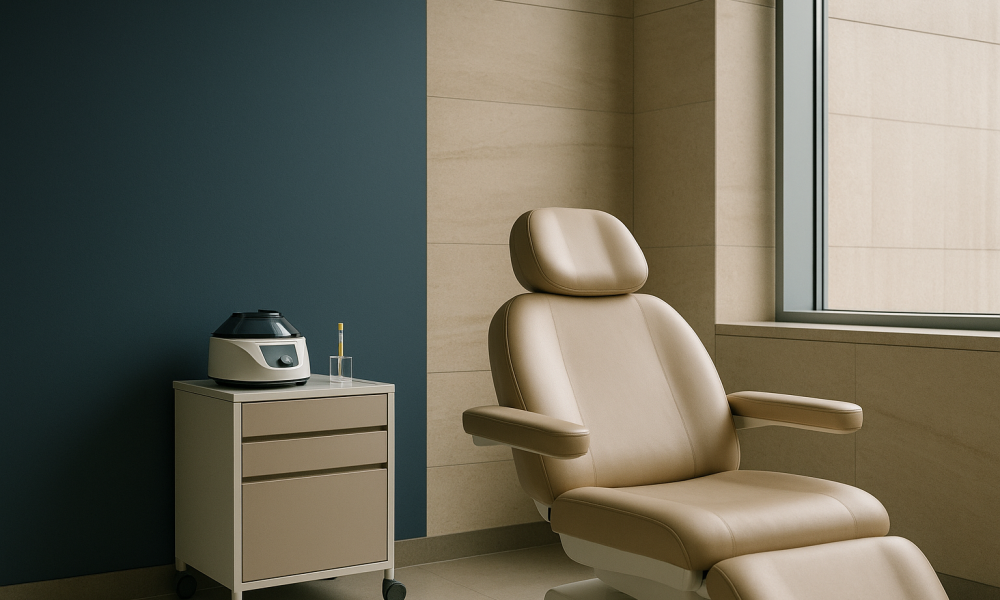
Platelet-Rich Plasma (PRP) therapy is a cutting-edge treatment designed to combat hair loss by using a patient’s own blood components. The process begins with drawing a small amount of blood, typically 20-30 millilitres, from the patient. This blood is then placed into a centrifuge, a machine that spins at high speeds to separate the blood components. The result is a concentration of platelets, which are rich in growth factors, isolated from the rest of the blood components.
These growth factors play a crucial role in tissue repair and regeneration, making PRP a promising option for hair restoration. When injected into the scalp, PRP can stimulate hair follicles, potentially increasing hair thickness and promoting new hair growth. It is a non-surgical procedure, appealing to those looking for a less invasive option compared to traditional hair transplant surgeries.
PRP therapy is particularly suitable for individuals experiencing androgenetic alopecia, commonly known as male or female pattern baldness. This hereditary condition is one of the most prevalent causes of hair loss, affecting millions worldwide. However, PRP may also benefit those with other types of hair thinning, such as traction alopecia or hair loss due to stress.
The treatment is typically delivered in a series of sessions, with most patients undergoing three to six sessions spaced about four to six weeks apart. Each session lasts approximately 60 to 90 minutes, allowing patients to return to their daily activities with minimal downtime. The procedure does not require anaesthesia, although a topical numbing cream may be applied to enhance comfort.
Results from PRP therapy are not immediate. Patients can generally expect to see improvements in hair density and thickness within three to six months post-treatment. It’s important to note that individual results can vary based on factors such as the extent of hair loss and the patient’s overall health.
Are you a good candidate?
Determining whether you are a suitable candidate for PRP therapy involves several considerations. While PRP is a versatile treatment, it is not universally effective for all types of hair loss. Here are some factors to help you assess your candidacy:
- Type of Hair Loss: PRP is most effective for individuals with androgenetic alopecia. If your hair loss is due to other causes, such as scarring alopecia or systemic diseases, PRP may not be the best option.
- Extent of Hair Loss: Those in the early stages of hair thinning typically respond better to PRP therapy. Individuals with extensive baldness may require alternative treatments.
- Health Status: Candidates should be in good overall health. Conditions such as platelet dysfunction syndromes, chronic liver disease, or active infections may contraindicate the use of PRP.
- Non-smoker: Smoking can impair the body’s healing processes, potentially reducing the efficacy of PRP.
- Realistic Expectations: Understanding that PRP is not a miracle cure is crucial. While it can improve hair density and thickness, it may not completely restore a full head of hair.
- Commitment to Follow-up: PRP requires multiple sessions and ongoing maintenance treatments. Candidates should be prepared for this commitment to achieve optimal results.
If you meet the above criteria, PRP could be a viable option for addressing hair loss. However, a thorough consultation with a qualified healthcare provider in Türkiye is essential to assess your specific situation and develop a personalised treatment plan.
The procedure, step by step
Platelet-Rich Plasma (PRP) therapy for hair loss is a minimally invasive procedure that involves a series of carefully managed steps. Understanding each stage can help alleviate any anxiety and set realistic expectations for prospective patients.
- Initial Consultation: The process begins with a thorough consultation with a qualified specialist. During this meeting, the doctor will review your medical history, discuss your hair loss concerns, and determine if PRP is a suitable treatment for you. It’s important to disclose any medications you are taking and any underlying health conditions.
- Preparation: On the day of the procedure, you will be advised to avoid washing your hair and to eat a healthy meal to maintain stable blood sugar levels. The practitioner will clean the scalp area to ensure a sterile environment for the treatment.
- Blood Collection: A small amount of blood, typically between 15 to 50 ml, is drawn from your arm. This is similar to a routine blood test and is generally quick and straightforward.
- PRP Extraction: The collected blood is placed in a centrifuge, a machine that spins at high speeds to separate the blood components. This process takes approximately 10 to 15 minutes and results in the separation of the platelet-rich plasma from the rest of the blood.
- Scalp Preparation: While the blood is being processed, the practitioner will apply a topical anaesthetic to your scalp to minimise any discomfort during the injection phase. This step takes around 20 minutes as the numbing cream takes effect.
- PRP Injection: The extracted PRP is injected into the areas of the scalp that are experiencing hair thinning or loss. The injections are made with a fine needle, and the number of injections will depend on the extent of hair loss. This part of the procedure typically lasts 30 to 45 minutes.
- Post-Procedure Care: After the injections, your scalp may be slightly red or tender, which is normal. The practitioner will provide you with aftercare instructions, which might include recommendations to avoid washing your hair for 24 to 48 hours and to avoid exposure to direct sunlight.
Overall, the entire PRP procedure generally takes about 1.5 to 2 hours from start to finish. It’s a relatively simple process, but its success relies heavily on the skill of the practitioner and the quality of the PRP preparation.
Recovery timeline
The recovery process following PRP therapy for hair loss is typically straightforward, but understanding what to expect at each stage can help you manage your recovery effectively. Below is a detailed timeline of the recovery process:
| Period | What to expect | Care notes |
|---|---|---|
| Day 1 | You may experience mild discomfort and redness in the treated areas. Some patients report a sensation of tightness or tingling in the scalp. | Avoid washing your hair on the first day. Rest and stay hydrated. Over-the-counter pain relief can be used if necessary. |
| Days 2-3 | The redness and discomfort usually begin to subside. Slight swelling might still be present. | Continue to avoid washing your hair. If advised by your doctor, you may use a gentle, sulphate-free shampoo thereafter. Avoid strenuous activities. |
| Week 1 | Any residual swelling should diminish. You may start noticing minor hair shedding, which is a normal part of the process. | Resume normal hair care routines, but avoid harsh chemicals or treatments. Protect the scalp from excessive sun exposure. |
| Weeks 2-4 | Your scalp should feel normal, and any initial shedding will have settled. Hair may begin to feel slightly thicker. | Maintain a healthy diet and consider using recommended supplements to support hair growth. |
| Months 1-3 | Hair growth may become apparent, with increased density and volume noticeable. Full results can take longer to fully manifest. | Follow up with your practitioner as advised. Multiple sessions might be recommended for optimal results. |
| Month 6 and beyond | Full effects of the treatment are typically visible. Hair should appear fuller and healthier. | Continue regular follow-up appointments. Discuss any additional treatments or maintenance sessions with your practitioner. |
It’s crucial to adhere to the aftercare guidelines provided by your healthcare provider to ensure the best possible outcome from your PRP treatment. While some improvements can be seen within a few months, patience is key, as hair growth is a gradual process.
What it costs: Turkey vs Canada
When considering Platelet-Rich Plasma (PRP) therapy for hair loss, the cost can be a significant factor. Turkey has emerged as a popular destination for this treatment, not only because of its high-quality medical facilities but also due to its cost-effectiveness compared to countries like Canada. It is important to note that the figures provided here are indicative and can vary based on the clinic, the complexity of the procedure, and additional services included.
| Country | Indicative Price Range (per session) | Typical Package Inclusions |
|---|---|---|
| Turkey | $250 – $500 USD |
|
| Canada | $500 – $1,500 USD |
|
As illustrated in the table above, the cost of PRP therapy for hair loss in Turkey is typically lower than in Canada. The lower cost in Turkey does not imply a compromise in quality. In fact, many clinics in Turkey are accredited by international health organisations, ensuring that they adhere to global standards of medical care. Packages in Turkey often include additional services like local transportation and optional follow-up consultations, which can further enhance the value for international patients.
While considering the cost, patients should also factor in travel and accommodation expenses. However, even with these additional costs, many find that the total expenditure in Turkey remains more economical than undergoing the same treatment in Canada. It is advisable to contact multiple clinics to obtain detailed quotes and understand what each package includes, ensuring that there are no hidden costs.
Risks and how accredited providers manage them
Like any medical procedure, PRP therapy for hair loss carries certain risks, albeit minimal. Patients should be aware of these potential risks to make an informed decision about undergoing treatment. Common risks include infection at the injection site, injury to blood vessels or nerves, calcification at the injection points, and an allergic reaction to the anaesthetic. Accredited providers in Turkey take these risks seriously and implement a range of measures to mitigate them.
Firstly, clinics accredited by international bodies such as the Joint Commission International (JCI) or the International Organization for Standardization (ISO) follow strict protocols for infection control. This includes the use of sterilised equipment, maintaining a hygienic environment, and employing well-trained medical staff. The use of personal protective equipment (PPE) by healthcare providers further reduces the risk of infection.
Accredited clinics also ensure that the medical staff performing PRP therapy are highly qualified and experienced. This is crucial for minimising the risk of injury to blood vessels or nerves during the procedure. Providers often conduct a thorough pre-treatment assessment, including reviewing the patient’s medical history and any potential allergies, to tailor the treatment appropriately and avoid adverse reactions.
To address the risk of calcification or other complications at the injection site, many clinics offer comprehensive aftercare services. These services typically include detailed post-treatment instructions, follow-up consultations to monitor the patient’s progress, and easy access to medical professionals should any concerns arise. Patients are encouraged to follow these aftercare instructions closely to ensure optimal healing and outcomes.
Additionally, many clinics in Turkey offer the option of having the PRP therapy performed under the supervision of a dermatologist or a specialist in hair restoration. This added layer of expertise can further enhance the safety and effectiveness of the procedure. Patients are advised to verify the credentials and accreditation status of the clinics they are considering, ensuring that they choose a provider that prioritises patient safety and adheres to the highest standards of care.
How to choose the right provider
When considering Platelet-Rich Plasma (PRP) treatment for hair loss in Turkey, selecting the right provider is crucial to ensure a safe and effective experience. Accreditation should be your first checkpoint. Look for clinics that are accredited by international health organisations like the Joint Commission International (JCI) or the International Organization for Standardization (ISO). These accreditations ensure that the clinic adheres to global healthcare standards, which is a significant reassurance for international patients.
Next, evaluate the experience of the medical professionals involved. It is advisable to choose a clinic where the practitioners have specialised in dermatology or trichology and have extensive experience with PRP treatments. A surgeon or clinician with a minimum of five years of experience in PRP procedures is generally recommended. Ask for before-and-after photos of previous patients and, if possible, testimonials. This can provide insight into the results you might expect and the expertise of the provider.
Aftercare is another critical aspect to consider. The best clinics will offer comprehensive aftercare packages, which may include follow-up consultations, dietary recommendations, and hair care products specifically designed to enhance the results of your PRP treatment. Be sure to inquire about the details of their aftercare programmes and any additional costs that might be involved.
Be alert for red flags when choosing a provider. Avoid clinics that promise guaranteed results or those that pressure you into making quick decisions. A reputable provider will give you ample time to consider your options and will not make unrealistic promises. Additionally, be cautious of clinics that do not offer a transparent pricing structure or those that are unwilling to discuss the qualifications of their staff.
Finally, consider the clinic’s communication and support services. A reliable provider will have a dedicated team to assist international patients with any queries or concerns, both before and after the procedure. Make sure that the clinic offers clear communication in English and is prompt in responding to your questions.
Planning your trip
Planning your trip for PRP treatment in Turkey involves several key steps to ensure a smooth and successful experience. Start by creating a timeline. Typically, you should begin planning at least three months before your intended travel date to allow sufficient time for research and arrangements.
Documents are essential. Ensure your passport is valid for at least six months beyond your planned return date. Check whether a visa is required for Canadian citizens travelling to Turkey; often, an e-visa can be obtained online. Additionally, gather all medical records related to your hair loss treatment, including any previous consultations or treatments, as these will be useful for your Turkish practitioner.
Consider the length of stay. While the PRP procedure itself may only take a few hours, it is advisable to plan for a stay of at least 4 to 7 days. This duration allows for a pre-treatment consultation, the procedure, and an initial post-treatment follow-up. It also provides some buffer time in case of any unexpected delays or complications.
Think about follow-up care once you return home. Discuss with your Turkish provider about any recommended follow-up treatments or maintenance sessions. Some clinics may offer virtual consultations to monitor your progress, which can be a convenient option once you are back in Canada.
Finally, consider practical aspects such as accommodation and transport. Choose accommodation close to the clinic to minimise travel stress. Many clinics offer packages that include airport transfers and accommodation, which can simplify logistics. Ensure you have travel insurance that covers medical tourism, as this can provide peace of mind during your stay.
Frequently Asked Questions
How much does PRP treatment for hair loss typically cost in Turkey?
The cost of PRP treatment for hair loss in Turkey can vary depending on the clinic and the number of sessions required. Typically, prices range from £200 to £500 per session. Some clinics offer package deals for multiple sessions, which can provide better value. It's important to confirm what is included in the cost, such as initial consultations and follow-up care, before making a decision.
Is PRP treatment for hair loss safe?
PRP treatment is generally considered safe, as it uses your own blood, minimising the risk of allergic reactions. However, as with any medical procedure, there are potential risks, including infection, injury to blood vessels, and nerve damage. Choosing a reputable clinic with experienced practitioners can help mitigate these risks. Always discuss any concerns with your healthcare provider before proceeding.
How long do the results of PRP treatment last?
The longevity of PRP treatment results can vary. Many patients notice improvements in hair thickness and growth within three to six months after treatment. However, maintenance sessions every six to twelve months may be necessary to sustain the results. Individual outcomes can differ based on factors like age, genetics, and the extent of hair loss.
How should I prepare for my PRP treatment trip to Turkey?
Begin by researching and selecting a reputable clinic. Ensure your passport is valid and check visa requirements for Turkey. Gather all relevant medical records and plan your itinerary, including accommodation and transportation. Consider purchasing travel insurance that covers medical tourism. Allow a stay of at least 4 to 7 days for consultation, treatment, and follow-up.
Can I combine my PRP treatment with a holiday in Turkey?
Yes, many patients choose to combine their treatment with a holiday. Turkey offers a rich cultural experience with historical sites, beautiful landscapes, and vibrant cities. However, ensure you allow enough time for recovery and follow any post-treatment instructions provided by your healthcare provider to maximise the benefits of your PRP treatment.
What questions should I ask my PRP treatment provider?
Ask about the practitioner's experience and qualifications, the clinic's accreditation, the expected number of sessions, and the cost breakdown. Inquire about the aftercare services offered and the potential risks and benefits of the treatment. It's also important to understand the clinic's policy on follow-up care and how they handle any complications.
Will I experience pain during the PRP procedure?
PRP treatment for hair loss is generally associated with minimal discomfort. The procedure involves drawing a small amount of blood, processing it to concentrate the platelets, and then injecting it into the scalp. Local anaesthesia or numbing cream is often used to minimise discomfort during the injections. Discuss any pain management options with your provider before the procedure.
How soon can I expect to see results from PRP treatment?
Results from PRP treatment can vary, but many patients begin to notice improvements in hair texture and density within three to six months. The treatment stimulates hair follicles, promoting growth over time. Consistent follow-up sessions, as advised by your practitioner, can enhance and maintain these results.
Are there any side effects of PRP treatment for hair loss?
Common side effects are generally mild and may include temporary redness, swelling, or bruising at the injection site. These typically resolve within a few days. Serious side effects are rare but can include infection or injury to blood vessels. Discuss potential side effects with your provider to ensure you're fully informed before proceeding with treatment.
What aftercare is involved following PRP treatment?
After PRP treatment, you may be advised to avoid washing your hair for 24-48 hours. It's also recommended to avoid strenuous exercise, direct sun exposure, and hair treatments like colouring for a few days. Follow-up appointments may be scheduled to monitor progress. Your provider will give specific aftercare instructions tailored to your needs.
Can I finance my PRP treatment in Turkey?
Some clinics in Turkey may offer financing options or payment plans for PRP treatment. It’s advisable to inquire directly with the clinic about available options. Additionally, some patients explore financing through third-party medical tourism agencies or personal financing solutions. Ensure you understand all terms and conditions before committing to a payment plan.
What should I do if I experience complications after PRP treatment?
If you experience complications after PRP treatment, contact your provider immediately for advice. They should offer guidance on managing any issues. Keep records of any symptoms and treatments received. If you're back in Canada, consult a local healthcare provider for further evaluation. Follow all post-treatment instructions to minimise the risk of complications.