
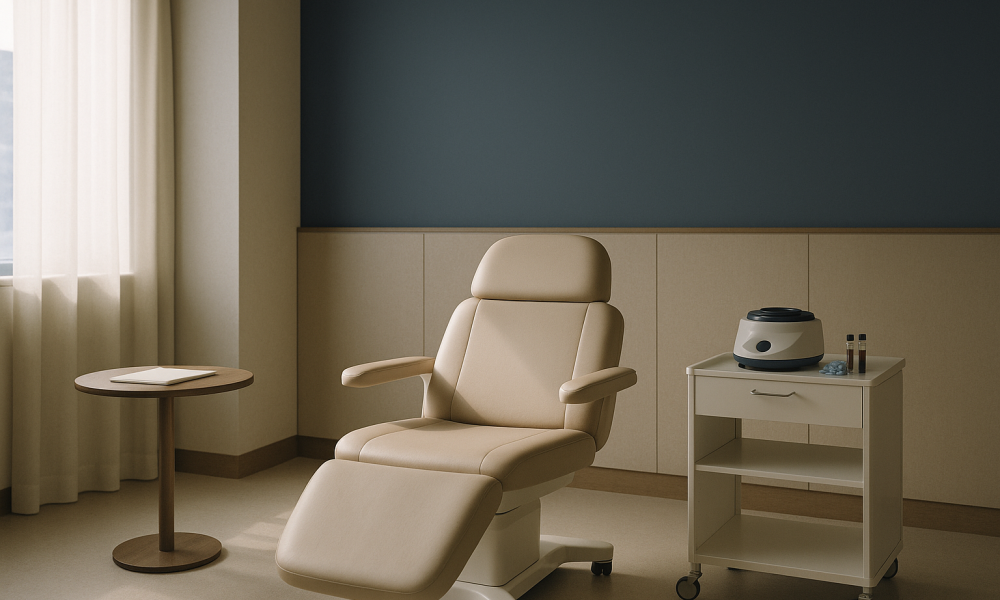
What PRP for Hair Loss is and who it is for
Platelet-rich plasma (PRP) therapy is an innovative treatment that utilises a patient’s own blood to promote hair growth. The procedure involves extracting a small amount of blood, processing it to concentrate the platelet content, and then injecting this platelet-rich plasma into the scalp. This method leverages the natural growth factors contained within platelets to stimulate hair follicles, potentially leading to increased hair density and thickness.
PRP therapy for hair loss is particularly appealing due to its minimally invasive nature and the fact that it uses the patient’s own biological material, reducing the risk of allergic reactions or infections. The entire process typically requires about 1 to 2 hours and does not involve anaesthesia, making it a convenient option for many individuals.
In Turkey, PRP therapy has gained popularity among international patients due to its affordability and the high standard of medical expertise available. The cost of PRP sessions in Turkey ranges from €200 to €500 per session, which is significantly lower than in many European countries. This cost-effectiveness, combined with the quality of care, makes Turkey an attractive destination for those considering this treatment.
PRP is suitable for individuals experiencing mild to moderate hair thinning or those in the early stages of hair loss. It is often recommended for patients who are looking to improve hair density and overall scalp health without undergoing surgical procedures. However, it’s important to note that results can vary, and multiple sessions may be required to achieve the desired outcome. Typically, results start to become visible after 3 to 6 months, with full effects seen after a series of treatments.
Are you a good candidate?
Determining whether you are a good candidate for PRP therapy involves a careful evaluation of your hair loss condition, overall health, and expectations. While PRP is generally considered safe for a wide range of individuals, there are certain criteria that can help determine its suitability for you.
- Pattern of Hair Loss: Ideal candidates are those experiencing early stages of hair thinning or androgenetic alopecia. PRP is less effective for individuals with extensive baldness.
- Overall Health: Candidates should be in good general health, without significant medical conditions that could impair healing or platelet function. Conditions such as platelet dysfunction syndromes, chronic liver disease, or severe systemic disorders may disqualify you from treatment.
- Non-Smokers: Smoking can adversely affect the healing process and the efficacy of PRP therapy. Non-smokers or those willing to quit are considered better candidates.
- Realistic Expectations: Understanding that PRP is not a cure for baldness but a treatment to improve hair density is crucial. Candidates should have realistic goals and be aware that multiple sessions may be necessary.
- Commitment to Follow-Up Care: Successful PRP therapy often requires a series of treatments and regular follow-up sessions. Commitment to this process is essential for achieving optimal results.
Before proceeding with PRP therapy, a thorough consultation with a healthcare professional is necessary. This consultation will typically involve a detailed medical history, scalp examination, and discussion of your goals and expectations. During this session, your doctor will also outline the potential benefits and limitations of PRP therapy, helping you make an informed decision.
The procedure, step by step
Platelet-Rich Plasma (PRP) therapy is an innovative treatment for hair loss that involves using a patient’s own blood to stimulate hair growth. The procedure is typically performed in a clinical setting and is minimally invasive, often completed within 60 to 90 minutes. Below is a detailed step-by-step guide to what you can expect during a PRP treatment session in Turkey.
- Consultation and Assessment: Before the procedure, a thorough consultation is conducted. This involves discussing your medical history, evaluating the extent of hair loss, and setting realistic expectations. A scalp analysis may be performed to assess the health of your hair follicles.
- Blood Collection: A small amount of blood, usually between 10 to 20 millilitres, is drawn from your arm. This process is similar to a standard blood test and takes just a few minutes.
- PRP Preparation: The drawn blood is placed in a centrifuge, a machine that spins rapidly to separate the blood components. This process takes approximately 10 to 15 minutes, isolating the platelet-rich plasma from the rest of the blood elements.
- Scalp Preparation: While the centrifuge is running, the treatment area on your scalp is cleansed and numbed with a local anaesthetic to ensure comfort. This step is crucial as it minimises discomfort during the injection process.
- PRP Injection: Once the PRP is prepared, it is carefully injected into the targeted areas of the scalp using a fine needle. The injections are strategically placed to cover the areas of thinning hair. The entire injection process usually takes 20 to 30 minutes.
- Post-Procedure Care: After the injections, the scalp may be gently massaged to ensure even distribution of the plasma. You will receive post-treatment instructions, which typically include avoiding washing your hair for 24 hours and refraining from using harsh hair products.
The procedure is generally well-tolerated, and most patients experience little to no downtime. However, mild tenderness or swelling at the injection sites can occur, which usually resolves within a few days. The non-surgical nature of PRP makes it a popular choice for individuals seeking a less invasive solution to hair loss.
Recovery timeline
The recovery timeline for PRP hair loss treatment is typically straightforward, with most patients resuming normal activities shortly after the procedure. However, understanding the recovery stages helps set appropriate expectations and ensures optimal results. Below is a detailed recovery timeline following PRP treatment for hair loss in Turkey.
| Period | What to expect | Care notes |
|---|---|---|
| Day 1 | Mild redness and tenderness at injection sites. Scalp may feel slightly swollen. | Avoid washing hair. Rest and avoid strenuous activities. |
| Days 2-3 | Swelling and tenderness begin to subside. Slight itchiness may occur. | Continue to avoid heavy exercise. Use a gentle shampoo if washing hair. |
| Days 4-7 | Redness and swelling should be minimal. Any discomfort significantly reduces. | Resume normal hair washing routine. Avoid harsh hair products. |
| Weeks 2-4 | Initial hair shedding may occur as a natural part of the cycle. | Do not be alarmed by shedding; this is a normal response. |
| Months 2-3 | Noticeable improvement in hair texture and growth begins. | Maintain a healthy diet to support hair health. |
| Full recovery (6-12 months) | Significant hair growth and improved hair density. | Consider follow-up consultations to assess progress. |
It is important to note that individual recovery experiences may vary, and some patients may observe changes sooner or later than the periods indicated. Consistent follow-up with your healthcare provider is advisable to monitor progress and make any necessary adjustments to your treatment plan.
What it costs: Turkey vs Europe
When considering Platelet-Rich Plasma (PRP) therapy for hair loss, cost is a significant factor for many patients. Turkey is well-known for offering medical treatments at competitive prices compared to many European countries. It’s important to understand that while Turkey offers lower costs, the quality of care and the expertise of medical professionals are often on par with European standards. This makes it a popular destination for those seeking cost-effective hair restoration options.
Below is a comparison of indicative price ranges for PRP hair treatment in Turkey versus several European countries. Please note that these figures are indicative and can vary based on factors such as clinic location, practitioner expertise, and additional services included in the package.
| Country | Indicative Price Range (per session) | Typical Package Inclusions |
|---|---|---|
| Turkey | €150 – €300 | Consultation, PRP preparation, treatment session, follow-up care |
| United Kingdom | €400 – €750 | Consultation, PRP preparation, treatment session |
| Germany | €500 – €900 | Consultation, PRP preparation, treatment session, some follow-up care |
| France | €450 – €800 | Consultation, PRP preparation, treatment session |
| Spain | €350 – €700 | Consultation, PRP preparation, treatment session, optional follow-up |
In Turkey, PRP packages often include additional services such as airport transfers, accommodation arrangements, and translation services, making it a convenient option for international patients. These packages are designed to provide a stress-free experience, ensuring that patients can focus on their treatment and recovery without logistical concerns.
It is crucial for prospective patients to conduct thorough research and engage with clinics to understand exactly what is included in the quoted prices. Transparency is key, and reputable clinics will provide detailed breakdowns of costs and services to avoid any unexpected expenses.
Risks and how accredited providers manage them
PRP therapy is generally considered a safe and minimally invasive procedure, but like any medical treatment, it carries certain risks. These risks are typically minor and can include pain at the injection site, redness, swelling, and, in rare cases, infection. Accredited providers in Turkey are well-versed in managing these risks to ensure patient safety and satisfaction.
Firstly, practitioners in accredited clinics undergo rigorous training to ensure they are skilled in the latest techniques and safety protocols. This training includes understanding the anatomy of the scalp, the preparation of PRP, and the precise application of the injections to maximise effectiveness while minimising discomfort and risk.
- Infection Control: Clinics adhere to stringent hygiene and sterilisation standards to prevent infections. This includes the use of sterile equipment and single-use needles.
- Patient Assessment: Prior to treatment, patients undergo a thorough assessment to determine their suitability for PRP therapy. This includes reviewing medical history and any potential contraindications.
- Monitoring and Follow-Up: After the procedure, clinics often provide follow-up appointments to monitor the patient’s progress and address any concerns. This allows for the early detection and management of any adverse reactions.
- Informed Consent: Patients are fully informed about the procedure, including potential risks and benefits, allowing them to make educated decisions about their treatment.
Furthermore, accredited providers in Turkey are often part of larger healthcare networks, ensuring they adhere to both national and international regulatory standards. This includes compliance with guidelines set by organisations such as the International Society of Hair Restoration Surgery (ISHRS) and local health authorities.
Patients considering PRP therapy should seek clinics that are transparent about their accreditation and the qualifications of their staff. It’s advisable to read reviews and testimonials from previous patients to gauge the clinic’s reputation and commitment to patient safety. Accredited providers will not only focus on delivering effective results but also on establishing a trusting relationship with their patients, which is crucial for a positive treatment experience.
In conclusion, while PRP therapy does carry some risks, these are generally minimal and well-managed by accredited providers in Turkey. By choosing a reputable clinic, patients can feel reassured that they are in capable hands, receiving care that meets high safety and quality standards.
How to choose the right provider
When considering PRP treatment for hair loss in Turkey, selecting the right provider is crucial. Accreditation is a fundamental factor; ensure that the clinic is accredited by recognised international bodies such as the Joint Commission International (JCI) or the International Organization for Standardization (ISO). These accreditations indicate that the clinic adheres to high standards of care and safety.
Surgeon experience is another critical consideration. Look for specialists who have extensive experience specifically in PRP treatments for hair restoration. You can verify this by asking for the surgeon’s credentials, the number of procedures they have performed, and requesting before-and-after photos of previous patients. An experienced surgeon will also be up-to-date with the latest techniques and technologies in PRP therapy.
Aftercare is an essential component of the treatment process. A reputable clinic will offer comprehensive aftercare services, including follow-up appointments to monitor progress and manage any complications. Inquire about the aftercare package and ensure it includes guidance on post-treatment care, such as scalp hygiene and activity restrictions.
Be wary of red flags that may indicate a less reputable provider. These include a lack of clear pricing information, overly aggressive marketing tactics, and guarantees of specific results. Clinics that offer significantly lower prices than the typical range (generally €300-€700 per session) may be cutting corners, potentially compromising on the quality of care. Always ensure that the clinic provides a detailed consultation before committing to any treatment, as this indicates a patient-centred approach.
Additionally, seek out patient reviews and testimonials on independent platforms to gain insight into the experiences of others. Consistent negative feedback regarding outcomes or customer service should be a warning sign. By carefully evaluating these factors, you can choose a provider that prioritises safety, efficacy, and patient satisfaction.
Planning your trip
Planning your trip to Turkey for PRP hair loss treatment involves several important steps. First, establish a timeline for your travel. Typically, it is advisable to schedule your treatment at least 4-6 weeks in advance to allow for necessary preparations. During this period, you should liaise with the clinic to finalise the treatment plan and confirm your booking.
Ensure you have all required documents ready for travel. This includes a valid passport, which should have at least six months of validity remaining, and any necessary visas. Check with the Turkish consulate or your travel agent to confirm visa requirements based on your nationality.
The length of stay in Turkey for PRP treatment is generally short. You can expect to stay for approximately 2-3 days, as the procedure itself is typically completed within a few hours, and any initial post-treatment observation can be done within this timeframe. However, some patients choose to stay longer to combine their treatment with a holiday, allowing additional time for rest and recovery.
Upon returning home, follow-up care is crucial. Arrange for follow-up appointments with your local healthcare provider to monitor your progress. The initial results of PRP treatment may take several months to become apparent, so regular check-ups will help track the improvements and address any concerns. Your Turkish clinic should also provide remote support, offering advice via email or phone as part of their aftercare service.
When packing, consider bringing comfortable clothing and essential toiletries, as well as any prescribed medications you may need during your stay. Additionally, it is wise to have a comprehensive travel insurance policy that covers medical procedures abroad, ensuring peace of mind during your trip.
By proactively planning these aspects of your trip, you can ensure a smooth and stress-free experience as you undergo PRP treatment in Turkey.
Frequently Asked Questions
What is the typical cost of PRP treatment in Turkey?
The cost of PRP treatment for hair loss in Turkey typically ranges from €300 to €700 per session. This variation depends on the clinic, the experience of the medical team, and the specific techniques used. Always confirm what is included in the price, such as consultation, aftercare, and follow-up appointments, to avoid unexpected expenses.
How safe is PRP treatment for hair loss?
PRP treatment is generally considered safe as it uses your own blood, reducing the risk of allergic reactions or infections. However, safety depends on the clinic’s adherence to hygiene standards and the practitioner’s expertise. Accredited clinics with experienced specialists are more likely to provide safe and effective treatments. Always discuss potential risks with your provider beforehand.
What should I look for in a PRP clinic?
When choosing a PRP clinic, look for accreditation by recognised bodies, experienced practitioners, and comprehensive aftercare services. It’s also important to read patient reviews and ensure transparent communication regarding costs and expected outcomes. Avoid clinics with aggressive marketing tactics or those offering guarantees of specific results.
How long does a PRP session take?
A typical PRP session for hair loss treatment usually takes about 60 to 90 minutes. This includes the time required for drawing blood, processing it to obtain the platelet-rich plasma, and injecting it into the scalp. The actual injection process is relatively quick, often completed in about 30 minutes.
How soon can I see results from PRP treatment?
Results from PRP treatment for hair loss are gradual and may not be immediately visible. Patients often begin to notice improvements in hair thickness and reduction in hair loss within 3 to 6 months. Multiple sessions are usually recommended to achieve optimal results, and your provider will advise on the best schedule based on your individual needs.
What are the potential side effects of PRP treatment?
Common side effects of PRP treatment include mild pain, swelling, or redness at the injection site, which usually subside within a few days. More serious side effects are rare but can include infection or injury to blood vessels. Discuss any concerns with your provider and ensure they follow strict hygiene protocols to minimise risks.
Is PRP treatment suitable for everyone?
While PRP treatment is suitable for many individuals experiencing hair loss, it may not be ideal for those with certain medical conditions, such as blood disorders, or those undergoing anticoagulant therapy. A thorough medical consultation is necessary to determine if PRP is appropriate for your specific situation.
How many PRP sessions will I need?
The number of PRP sessions required varies depending on the extent of hair loss and individual response to treatment. Typically, patients undergo three sessions spaced about 4 to 6 weeks apart initially, followed by maintenance sessions every 4 to 6 months. Your provider will tailor a treatment plan based on your specific needs.
What should I expect during recovery after PRP treatment?
Recovery from PRP treatment is generally quick, with most patients resuming normal activities immediately after the procedure. Some temporary swelling or redness at the injection sites is normal. It’s advisable to avoid strenuous activity and hair care products for a few days to allow the scalp to heal properly.
Do I need to prepare anything before my PRP treatment?
Before PRP treatment, you should avoid anti-inflammatory medications, alcohol, and smoking for at least a week, as these can affect the efficacy of the treatment. Staying hydrated and eating a healthy meal before your appointment can also help improve the quality of the blood drawn for the procedure.
Can I combine PRP with other hair loss treatments?
Yes, PRP treatment can be combined with other hair loss treatments, such as topical minoxidil or oral finasteride, to enhance results. However, it’s important to consult with your healthcare provider to ensure that combined treatments are safe and suitable for your specific condition.
Will I need a visa to travel to Turkey for PRP treatment?
Whether you need a visa to travel to Turkey depends on your nationality. Many European citizens can enter Turkey visa-free for short stays, while others may need to apply for an e-visa or a sticker visa. It’s important to check the latest visa requirements with the Turkish consulate or your travel agent before planning your trip.