
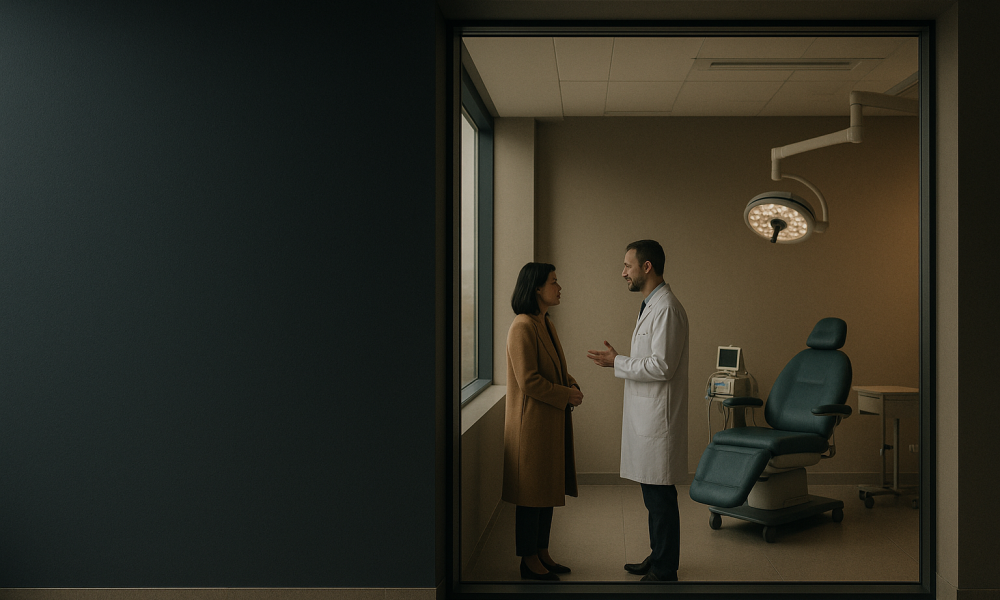
What PRP for Hair Loss is and who it is for
Platelet-Rich Plasma (PRP) therapy is an innovative treatment increasingly utilised for hair loss management. This procedure involves extracting a small amount of the patient’s blood, processing it to concentrate the platelets, and then injecting this concentrated plasma into the scalp. The premise is that platelets, which are rich in growth factors, can help stimulate hair follicles, promoting hair regrowth and reducing hair thinning.
PRP therapy is particularly popular for individuals experiencing androgenetic alopecia, commonly known as male or female pattern baldness. This condition is characterised by hair thinning at the crown and hairline in men, and overall thinning across the scalp in women. The treatment is also applicable for those who have hair loss due to stress, hormonal changes, or certain medical conditions. However, it is not a cure for these conditions and is more effective as part of a comprehensive hair restoration plan.
The procedure is minimally invasive and typically requires no downtime, making it an attractive option for those seeking non-surgical interventions. Each session takes around one to two hours, and while some patients may notice improvements after the first treatment, a series of sessions is usually recommended for optimal results. Most treatment plans consist of three to six sessions spaced about four to six weeks apart, with maintenance treatments every few months thereafter.
PRP for hair loss is suitable for both men and women, particularly those in the early stages of hair thinning. It’s important to note that results can vary significantly based on individual conditions, and factors such as age, genetics, and the extent of hair loss can influence outcomes. While PRP is not a miracle cure, it offers a promising option for those looking to enhance their hair density and quality.
Are you a good candidate?
Determining whether PRP therapy is suitable for you involves several considerations. Generally, the ideal candidates for PRP hair loss treatment are individuals who have noticed thinning hair, but still have active hair follicles. The following checklist can help you assess your candidacy:
- Stage of Hair Loss: You are in the early stages of hair thinning rather than complete baldness, as PRP is more effective in stimulating existing follicles.
- Overall Health: You are in good health, without serious underlying conditions such as chronic liver or skin diseases that might affect the treatment.
- Non-Smokers: You are a non-smoker or are willing to quit, as smoking can impair the healing process and reduce the effectiveness of the treatment.
- Realistic Expectations: You have realistic expectations about the outcomes, understanding that results can vary and multiple sessions are often required.
- Not Pregnant or Nursing: You are not pregnant or breastfeeding, as the safety of PRP during these conditions has not been established.
- Commitment to Follow-Up: You are committed to attending multiple sessions and follow-up treatments, as consistency is key to achieving the best results.
If you meet these criteria, PRP could be a viable option for enhancing your hair health. However, a thorough consultation with a qualified healthcare provider is essential to tailor the treatment to your specific needs and ensure it aligns with your overall health goals. During this consultation, practitioners will evaluate your medical history, discuss your aesthetic goals, and possibly conduct a scalp analysis to determine the potential effectiveness of PRP therapy for your situation.
The procedure, step by step
Platelet-Rich Plasma (PRP) therapy for hair loss is a non-surgical procedure that involves several carefully orchestrated steps to maximise effectiveness while ensuring patient comfort. Below is a detailed step-by-step guide to what you can expect during the PRP treatment process:
- Initial Consultation: The process begins with an initial consultation with a qualified medical professional. During this session, the practitioner will evaluate your hair loss condition, discuss your medical history, and determine if you are a suitable candidate for PRP therapy.
- Blood Draw: Once you are deemed suitable, a small amount of blood, typically between 10 to 20 millilitres, is drawn from your arm. This is a similar process to a routine blood test and usually takes just a few minutes.
- Centrifugation: The drawn blood is placed in a centrifuge, a machine that spins the blood at high speeds. This process separates the blood components, isolating the platelets and plasma from the red and white blood cells. The centrifugation process takes about 10 to 15 minutes.
- Preparation of PRP: After centrifugation, the concentrated platelet-rich plasma is extracted. This PRP contains growth factors that are believed to stimulate hair follicles and promote hair growth.
- Scalp Preparation: Before the PRP is injected, the scalp is cleaned and prepared. Some practitioners may apply a local anaesthetic or a topical numbing cream to minimise discomfort during the injections.
- PRP Injection: Using a fine needle, the PRP is injected into the targeted areas of the scalp where hair thinning or loss is most prominent. The injection process is performed meticulously to ensure even distribution of PRP across the treatment area. This typically takes around 30 to 45 minutes, depending on the size of the area being treated.
- Post-Treatment Care: After the injections, you may receive specific aftercare instructions. These often include avoiding hair washing for a certain period, refraining from strenuous activities, and avoiding direct sun exposure to the scalp for a few days.
- Follow-Up Sessions: PRP therapy is usually conducted in a series of sessions. Most treatment plans recommend an initial series of three to four sessions spaced about four to six weeks apart. Maintenance sessions may be advised every three to six months thereafter, depending on individual results and goals.
Each step in the PRP procedure is designed to ensure the highest safety standards while optimising the potential for hair regrowth. Patients are encouraged to discuss any concerns or questions with their healthcare provider to fully understand the process and expected outcomes.
Recovery timeline
After undergoing PRP therapy for hair loss, understanding the recovery process is crucial to managing expectations and ensuring optimal results. The timeline below outlines the typical recovery stages and care recommendations from the day of the procedure to full recovery:
| Period | What to expect | Care notes |
|---|---|---|
| Day 1 | Mild tenderness or swelling in the treated areas is common. Some patients may experience a slight headache. | Avoid washing your hair on the day of the procedure. Refrain from touching or scratching the treated areas. |
| Days 2-3 | Sensitivity may persist, but most swelling should subside. Any redness typically fades. | Gentle hair washing can resume with a mild shampoo. Avoid harsh hair products or styling tools. |
| Week 1 | By the end of the first week, most patients experience minimal discomfort. Any residual tenderness should be significantly reduced. | Continue with gentle hair care routines. Avoid direct sun exposure without protection. |
| Weeks 2-4 | Initial shedding of hair may occur as old hairs make way for new growth. This is a normal part of the process. | Maintain a healthy diet and hydration to support the hair growth process. Follow up with your practitioner if you have any concerns. |
| 1-3 Months | New hair growth begins to appear, although results vary between individuals. Hair may look denser and healthier. | Consider scheduling follow-up sessions as recommended. Discuss any noticeable changes with your provider. |
| 3-6 Months | Noticeable improvement in hair thickness and density. Most patients report visible results by this stage. | Continue with any maintenance sessions advised by your healthcare provider to sustain results. |
| 6-12 Months | Full results can typically be assessed. Hair growth stabilises, and the overall health of the scalp improves. | Regular check-ins with your practitioner can help monitor progress and plan any future treatments if necessary. |
Recovery from PRP therapy is generally straightforward, with most patients resuming their normal activities shortly after treatment. Following the care instructions provided by your healthcare provider is essential to achieving the best possible outcomes. It’s important to manage expectations and understand that individual results may vary based on factors such as the extent of hair loss, overall health, and adherence to post-treatment care guidelines.
What it costs: Turkey vs the UK, Europe and North America
When considering Platelet-Rich Plasma (PRP) therapy for hair loss, cost is a significant factor for many individuals. It’s essential to understand the financial implications and compare costs across different regions, as prices can vary widely. Below is a comparison of indicative price ranges for PRP treatment in Turkey, the UK, Europe, and North America. These figures are meant to serve as a general guide and actual prices may vary based on the provider, location, and specific patient needs.
| Region | Indicative Price Range (per session) | Typical Package Inclusions |
|---|---|---|
| Turkey | £150 – £300 | Consultation, PRP preparation, 1 session, post-treatment follow-up |
| UK | £350 – £700 | Consultation, PRP preparation, 1 session, post-treatment follow-up |
| Europe | €400 – €800 | Consultation, PRP preparation, 1 session, post-treatment follow-up |
| North America | $500 – $1,500 | Consultation, PRP preparation, 1 session, post-treatment follow-up |
In Turkey, the cost of PRP therapy is generally lower due to various factors such as lower operational costs and favourable exchange rates. Many clinics offer comprehensive packages that include not only the PRP treatment itself but also pre-treatment consultations and follow-up appointments. This makes Turkey an attractive option for international patients seeking quality care at a more affordable price.
In the UK and Europe, prices are higher, reflecting the overall higher cost of living and medical services. Clinics in these regions often have stricter regulatory requirements, which can contribute to higher operational costs. However, the proximity and ease of travel for European patients can be a significant advantage.
North America, particularly the United States, tends to have the highest cost for PRP therapy. The higher prices are often due to the advanced infrastructure and high demand for cosmetic procedures. Despite the cost, many patients in North America opt for local treatment due to the convenience and perceived quality of care.
It’s important for prospective patients to consider not just the cost of the treatment but also the reputation and accreditation of the clinic and the experience of the medical team. Many clinics in Turkey are accredited by international bodies, ensuring a high standard of care.
Risks and how accredited providers manage them
Like any medical procedure, PRP therapy for hair loss carries potential risks, although they are generally considered minimal. Understanding these risks and how they are managed by accredited providers can help patients make informed decisions.
Common risks associated with PRP therapy include:
- Infection: As with any procedure involving injections, there is a minor risk of infection at the injection site. Accredited clinics employ strict sterilisation protocols to minimise this risk.
- Pain or Discomfort: Some patients may experience mild pain or discomfort during or after the procedure. This is typically managed with local anaesthesia and over-the-counter pain relief if necessary.
- Swelling and Bruising: Temporary swelling or bruising can occur at the injection site. Providers usually recommend ice packs or topical treatments to alleviate these symptoms.
- Allergic Reactions: Although rare, allergic reactions to the anticoagulant used in PRP preparation can occur. Accredited clinics perform thorough patient assessments to identify any potential allergies beforehand.
Accredited providers in Turkey manage these risks by adhering to international standards and guidelines. Many clinics are certified by organisations such as the Joint Commission International (JCI) or the International Organization for Standardization (ISO), which ensures that they maintain rigorous safety protocols.
Pre-treatment consultations play a crucial role in risk management. During these consultations, providers assess the patient’s medical history, discuss potential risks, and set realistic expectations. This is an opportunity for patients to ask questions and voice any concerns they may have.
Following the procedure, accredited clinics typically offer follow-up appointments to monitor the patient’s progress and address any post-treatment issues. This ongoing care helps to quickly identify and manage any complications should they arise.
Choosing an accredited provider is a critical step in ensuring a safe and effective PRP treatment experience. Patients should look for clinics with a proven track record, positive patient testimonials, and proper accreditation. By understanding the risks and how they are managed, patients can feel more confident in their decision to pursue PRP therapy for hair loss in Turkey.
How to choose the right provider
When considering Platelet-Rich Plasma (PRP) treatment for hair loss in Turkey, selecting the right provider is crucial for a successful experience. Begin by verifying the clinic’s accreditation. Clinics in Turkey should be accredited by national bodies such as the Turkish Ministry of Health and international organisations like the Joint Commission International (JCI). Accreditation ensures that the clinic adheres to high standards of care and safety.
The experience of the surgeon or specialist performing the PRP treatment is another critical factor. Look for practitioners with extensive experience in hair restoration, ideally those who have performed hundreds of PRP treatments. You may inquire about their specific training in PRP and their affiliations with professional organisations, such as the International Society of Hair Restoration Surgery (ISHRS).
Aftercare services are an often-overlooked aspect of treatment but are essential for optimal results. A reputable clinic will provide a comprehensive aftercare plan, including follow-up appointments and post-procedure support. This may include guidance on scalp care, recommended products, and lifestyle adjustments to enhance treatment outcomes.
Be vigilant for red flags when evaluating potential providers. Avoid clinics that make unrealistic promises or guarantee results, as PRP outcomes can vary among individuals. Be wary of overly aggressive sales tactics or clinics that do not provide clear information about the procedure, potential risks, and expected outcomes. Check for transparent pricing without hidden costs, and ensure that all costs are outlined before committing to treatment.
Patient reviews and testimonials can offer valuable insights into the clinic’s reputation and the quality of care provided. Look for feedback that specifically mentions the professionalism of the staff, the cleanliness of the facilities, and the overall patient experience. Finally, consider reaching out to previous patients to ask about their experiences and whether they would recommend the clinic.
Planning your trip
Planning your trip for PRP treatment in Turkey involves several key considerations to ensure a smooth and successful journey. Begin by establishing a timeline. Ideally, you should start planning at least two to three months before your intended travel date. This allows ample time to research clinics, secure appointments, and make travel arrangements.
Ensure that you have all necessary documents in order. UK and EU citizens typically require a valid passport, while some non-EU citizens may also need a visa to enter Turkey. Check the latest travel advisories and visa requirements from the Turkish consulate or embassy in your country. Additionally, gather any medical records or documents related to your hair loss condition, as these may be required during your consultation.
The length of stay in Turkey will depend on the specifics of your treatment plan. Generally, patients undergoing PRP treatment can expect to stay for a minimum of three to five days. This allows time for initial consultation, the treatment itself, and a follow-up session to assess immediate results. Some clinics may recommend staying longer if multiple sessions are planned.
Consider the logistics of follow-up care once you return home. Discuss with your chosen clinic how follow-up appointments will be managed. Some clinics offer remote consultations via video calls to monitor progress and address any concerns. Ensure you understand the aftercare instructions and have access to any recommended products or treatments locally.
When booking accommodations, choose a location that is convenient to the clinic. Many clinics are located in Istanbul, which offers a wide range of accommodation options from budget-friendly hotels to luxury resorts. Consider factors such as proximity to the clinic, transport links, and amenities when selecting your accommodation.
Finally, plan for travel insurance that covers medical tourism, including any unforeseen complications related to the treatment. Confirm with your insurance provider that your policy includes coverage for elective procedures abroad. This provides peace of mind and financial protection during your trip.
Frequently Asked Questions
How much does PRP treatment for hair loss cost in Turkey?
The cost of PRP treatment for hair loss in Turkey typically ranges from £200 to £500 per session. This is an indicative range and can vary based on factors such as the clinic's location, the expertise of the specialist, and any additional services included in the package. It's important to confirm all costs directly with the clinic before proceeding.
Is PRP treatment for hair loss safe?
PRP treatment for hair loss is generally considered safe when performed by a qualified and experienced practitioner. The procedure uses the patient's own blood, minimising the risk of allergic reactions or infections. However, as with any medical procedure, there are potential risks and side effects, which should be discussed with your provider beforehand.
How many PRP sessions are needed for hair loss?
The number of PRP sessions needed can vary depending on the individual's condition and response to treatment. Typically, patients may require an initial series of 3 to 4 sessions spaced about 4 to 6 weeks apart, followed by maintenance sessions every 3 to 6 months. Your provider will recommend a personalised treatment plan based on your specific needs.
What should I look for in a PRP treatment clinic in Turkey?
When choosing a PRP treatment clinic in Turkey, look for accreditation by reputable health organisations, experienced practitioners with specialised training in PRP, comprehensive aftercare services, and transparent pricing. Patient reviews and testimonials can also provide insights into the clinic's reputation and quality of care.
Are there any side effects of PRP treatment for hair loss?
Some patients may experience mild side effects after PRP treatment, such as temporary discomfort at the injection site, swelling, or redness. These effects are typically short-lived and resolve within a few days. It's important to follow post-treatment care instructions provided by your clinic to minimise any side effects.
How long do the results of PRP treatment last?
The longevity of PRP treatment results can vary among individuals. Some patients may notice improvements for up to 12 months or longer, while others may require regular maintenance sessions to sustain results. Factors such as the severity of hair loss and individual response to treatment can influence the duration of results.
Can I combine PRP treatment with other hair loss treatments?
Yes, PRP treatment can often be combined with other hair loss treatments such as topical minoxidil, oral medications, or hair transplant surgery. Combining treatments may enhance overall results, but it's important to discuss this with your provider to ensure a safe and effective treatment plan tailored to your needs.
What should I expect during a PRP treatment session?
During a PRP treatment session, a small amount of your blood is drawn and processed to separate the platelet-rich plasma. This plasma is then injected into the scalp in areas experiencing hair thinning. The procedure is minimally invasive and typically takes about 30 to 60 minutes. Some patients may experience mild discomfort during injections.
How soon can I wash my hair after PRP treatment?
Patients are usually advised to avoid washing their hair for at least 24 to 48 hours following PRP treatment to allow the scalp to heal and the treatment to take effect. Your provider will give specific post-treatment care instructions, which should be followed to optimise results and minimise any risk of complications.
What is the recovery time after PRP treatment for hair loss?
Recovery time after PRP treatment is minimal. Most patients can return to their normal activities immediately following the procedure. However, it's recommended to avoid strenuous activities and direct sun exposure to the scalp for a few days to prevent irritation. Any minor side effects typically resolve quickly.
Will PRP treatment work for all types of hair loss?
PRP treatment is most effective for androgenetic alopecia (pattern hair loss) and may not be suitable for all types of hair loss. It is important to have a thorough consultation with a specialist to determine if PRP is appropriate for your specific condition. They can assess your hair loss pattern and recommend the best treatment options.
Are there any pre-treatment instructions I should follow?
Before undergoing PRP treatment, patients are typically advised to avoid anti-inflammatory medications, alcohol, and smoking for at least a week to optimise the effectiveness of the treatment. Staying hydrated and maintaining a healthy diet can also support the overall success of the procedure. Your provider will give you detailed pre-treatment instructions.