
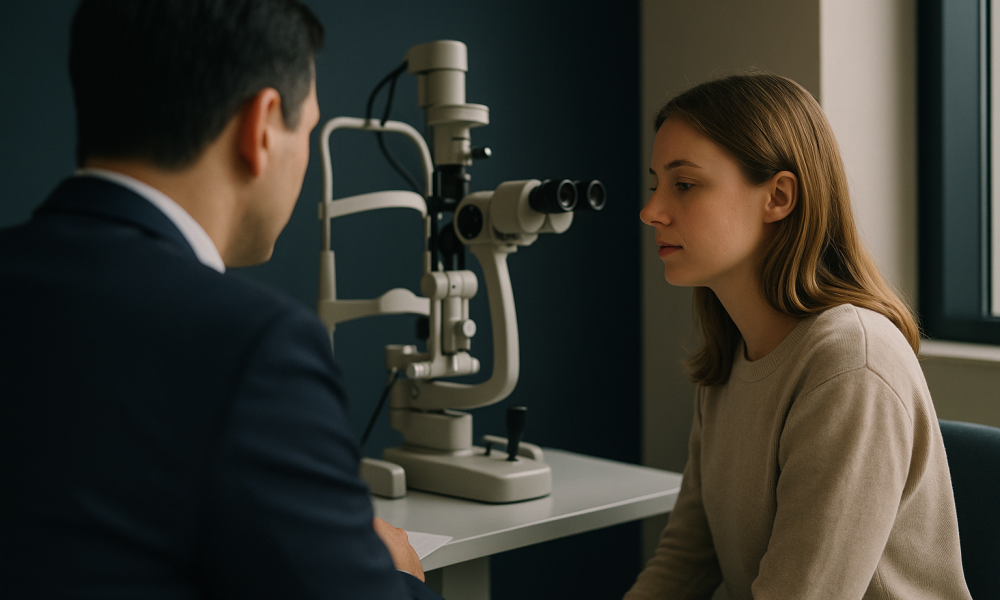
What Refractive Lens Exchange is and who it is for
Refractive Lens Exchange (RLE), also known as lens replacement surgery, is a procedure designed to correct vision problems such as myopia (nearsightedness), hyperopia (farsightedness), and presbyopia (age-related difficulty in seeing close objects). During RLE, the eye’s natural lens is removed and replaced with an artificial intraocular lens (IOL). This is similar to cataract surgery, but RLE is primarily performed to reduce or eliminate the need for glasses or contact lenses.
The procedure is typically recommended for patients over the age of 40, who are experiencing presbyopia or have high refractive errors unsuitable for laser eye surgery like LASIK. It is particularly beneficial for individuals who want to avoid the need for bifocals or progressive lenses. While RLE can correct a wide range of vision issues, it is not suitable for everyone and requires a thorough assessment by an ophthalmologist.
Turkey has emerged as a leading destination for RLE due to its highly qualified eye surgeons, state-of-the-art facilities, and competitive pricing. Patients from Canada and other countries often choose Turkey for its combination of high-quality care and affordability. The cost of RLE in Turkey typically ranges from £1,500 to £2,500 per eye, depending on the type of intraocular lens used and the specifics of the case. This is significantly lower than the prices in Canada, where similar procedures can cost upwards of £3,000 per eye.
In addition to cost savings, patients benefit from the expertise of Turkish ophthalmologists, many of whom have trained internationally and are members of renowned medical associations. The country’s healthcare system is well-regulated, ensuring that clinics adhere to international standards of care. Moreover, Turkey’s strategic location and ease of access from Canada make it a convenient choice for those seeking medical tourism options.
Are you a good candidate?
Determining whether you are a suitable candidate for Refractive Lens Exchange (RLE) involves several factors. A comprehensive eye examination and consultation with an experienced ophthalmologist are crucial to ensure that this procedure aligns with your vision needs and health profile.
Generally, RLE is recommended for individuals who:
- Are over 40 years old and experiencing presbyopia.
- Have high refractive errors not suitable for LASIK or other laser eye surgeries.
- Desire a long-term solution to reduce dependency on glasses or contact lenses.
- Do not have any active eye infections or untreated eye diseases.
- Have realistic expectations about the outcomes of the surgery.
- Are in good overall health, without conditions that could complicate surgery, such as uncontrolled diabetes or severe cardiovascular issues.
- Have not had previous corneal surgeries that might affect the procedure.
It is important to understand that while RLE can significantly improve vision, it is not a guaranteed cure-all, and some patients may still require glasses for certain activities, such as reading fine print or night driving. The decision to undergo RLE should be based on a careful evaluation of the potential risks and benefits, taking into consideration your lifestyle and vision goals.
During your consultation, the ophthalmologist will perform a series of tests to assess the health of your eyes and determine the most suitable type of intraocular lens for your needs. This may include monofocal lenses, which provide clear vision at one distance, or multifocal lenses, which can correct vision at multiple distances. The choice of lens will depend on your specific vision requirements and lifestyle preferences.
Ultimately, the goal of RLE is to enhance your quality of life by providing clearer, more reliable vision. By choosing a qualified and experienced surgeon in Turkey, you can ensure that the procedure is performed with the highest standards of safety and care.
The procedure, step by step
Refractive Lens Exchange (RLE), also known as lens replacement surgery, is a procedure designed to correct refractive errors such as myopia, hyperopia, and presbyopia. It involves replacing the eye’s natural lens with an artificial intraocular lens (IOL). Here’s a step-by-step overview of what you can expect during the procedure:
- Pre-operative Assessment: Prior to surgery, a comprehensive eye examination is conducted to assess the patient’s current vision, eye health, and suitability for the procedure. This includes measuring the curvature of the cornea, the length of the eye, and the size of the pupil. The type of IOL best suited for the patient’s needs is also determined during this assessment.
- Preparation: On the day of the surgery, the patient is usually advised to avoid eating or drinking for a few hours before the procedure. Upon arrival, the patient will receive local anaesthesia in the form of eye drops to numb the eye and prevent discomfort during the surgery. Sedation may also be offered to help the patient relax.
- Incision: The surgeon makes a small incision at the edge of the cornea using a precise microsurgical technique. This incision is typically self-sealing, which means it does not require stitches.
- Lens Removal: Through the incision, the natural lens of the eye is carefully broken up using ultrasound energy, a process known as phacoemulsification. The fragmented lens is then gently aspirated out of the eye.
- Intraocular Lens Implantation: Once the natural lens is removed, the selected IOL is inserted through the same incision. The IOL is usually folded and then unfolds into position once inside the eye. The surgeon ensures that the lens is correctly positioned for optimal vision correction.
- Completion: After the IOL is in place, the surgeon checks the eye to ensure everything is in order. The incision is self-sealing, so no stitches are required, and a protective shield may be placed over the eye to protect it during the initial recovery phase.
- Post-operative Instructions: After the procedure, patients are given specific instructions on how to care for their eyes, including the use of prescribed eye drops to prevent infection and reduce inflammation. Patients are typically advised to avoid strenuous activities and protect their eyes from dust and water for a certain period.
The entire procedure usually takes about 15 to 30 minutes per eye and is typically performed on an outpatient basis, meaning patients can return home the same day. However, it is advisable to arrange for someone to accompany the patient home due to the effects of sedation and temporary blurred vision.
Recovery timeline
Recovering from Refractive Lens Exchange surgery is generally swift, but it requires careful adherence to post-operative care instructions to ensure optimal healing and visual outcomes. Here is a detailed recovery timeline:
| Period | What to expect | Care notes |
|---|---|---|
| Day 1 | Vision may be blurry or hazy immediately after surgery. Some patients experience mild discomfort or a gritty sensation in the eye. Light sensitivity is common. | Rest and avoid rubbing the eyes. Use prescribed eye drops as instructed. Wear a protective shield when sleeping. |
| Week 1 | Vision begins to stabilise, although fluctuations are normal. Most discomfort should subside. Follow-up appointments are typically scheduled to monitor healing. | Avoid heavy lifting and strenuous activities. Continue using eye drops. Wear sunglasses outdoors to protect eyes from UV light. |
| Weeks 2-4 | Further improvement in vision clarity can be expected. Some patients may notice halos or glare, particularly at night. | Continue to avoid swimming and hot tubs. Adhere to follow-up visits and report any unusual symptoms to your doctor. |
| 1-3 months | Vision should be significantly improved and stable. Any residual refractive error can be assessed and potentially corrected. | Regular activities can typically be resumed. It’s important to attend all scheduled follow-ups to ensure optimal outcomes. |
| Full recovery | Most patients achieve full recovery within three months, with stable vision and minimal side effects. | Continue regular eye check-ups to maintain eye health. Discuss any lingering vision concerns with your ophthalmologist. |
Adhering to the post-operative care plan is crucial for a successful recovery. Patients are encouraged to reach out to their healthcare provider with any questions or concerns during the recovery process.
What it costs: Turkey vs Canada
When considering refractive lens exchange (RLE) as an option to correct vision issues, cost is a significant factor for many patients. Turkey has emerged as a popular destination for this procedure, offering competitive pricing compared to Canada. It’s important to note that the figures provided here are indicative and can vary based on the specifics of each case, the provider, and the package chosen.
| Country | Indicative Price Range (CAD) | Typical Package Inclusions |
|---|---|---|
| Turkey | $2,500 – $4,000 per eye |
|
| Canada | $3,500 – $6,000 per eye |
|
The cost difference is primarily due to the lower overheads and operational costs in Turkey, which allows clinics to offer competitive rates while maintaining high standards of care. Additionally, many clinics in Turkey offer all-inclusive packages that cover not only the medical aspects but also travel-related services, which can add further value for international patients.
While the financial aspect is crucial, patients should also consider the quality of care, the expertise of the medical team, and the overall experience. Many Turkish clinics are accredited by international bodies, ensuring they meet rigorous standards of care and safety. Prospective patients are advised to research thoroughly and consult with healthcare professionals to understand what each package includes and to ensure it aligns with their needs and expectations.
Risks and how accredited providers manage them
Refractive lens exchange, like any surgical procedure, carries inherent risks. However, understanding these risks and how they are managed can help patients make informed decisions. Accredited providers in Turkey follow stringent protocols to minimise these risks, ensuring patient safety and optimal outcomes.
Common risks associated with RLE include infection, inflammation, increased intraocular pressure, and retinal detachment. Although these complications are rare, they are taken seriously by accredited Turkish clinics. They employ state-of-the-art technology and adhere to international standards of hygiene and surgical practice to mitigate these risks.
To manage the risk of infection, clinics follow strict sterilisation processes. Operating rooms are equipped with advanced air filtration systems to maintain a sterile environment. Surgeons and staff adhere to rigorous hand hygiene and use sterile instruments for each procedure. Patients are also given pre-operative antibiotics to further reduce the risk of infection.
Inflammation is another potential complication, often managed with post-operative medications such as anti-inflammatory eye drops. Accredited providers in Turkey ensure that patients receive clear instructions on medication regimens and follow-up appointments to monitor recovery and address any concerns promptly.
Increased intraocular pressure is monitored closely in the post-operative phase. Accredited clinics have protocols in place for regular check-ups and pressure measurements, ensuring any deviations are addressed immediately. This proactive approach significantly reduces the likelihood of long-term complications.
Retinal detachment, while extremely rare, is a serious condition that requires immediate attention. Accredited providers are equipped to handle such emergencies, with ophthalmologists available to perform corrective procedures if necessary. They also educate patients on the signs of retinal detachment, ensuring they seek care promptly if symptoms arise.
Overall, accredited clinics in Turkey are committed to patient safety and quality care. They invest in continuous staff training and certification, keeping abreast of the latest advancements in ophthalmic surgery. Patients considering RLE in Turkey should feel reassured by the robust measures in place to manage risks and ensure a safe surgical experience.
How to choose the right provider
Choosing the right provider for Refractive Lens Exchange (RLE) in Turkey is crucial for ensuring a safe and successful procedure. Begin by verifying the accreditation of the clinic. Look for certifications from international bodies like the Joint Commission International (JCI) or the International Organization for Standardization (ISO). These accreditations indicate adherence to high standards of care and patient safety.
Next, consider the experience of the surgeon. A reputable surgeon should have extensive experience in performing RLE procedures. It is advisable to inquire about the number of surgeries they have conducted and their success rates. While numbers alone do not guarantee outcomes, they offer insight into the surgeon’s expertise. Ask for patient testimonials or case studies if available.
Aftercare is another vital component. A good provider will offer comprehensive aftercare services, including scheduled follow-ups and access to medical advice during your recovery period. Check whether the clinic provides a detailed aftercare plan and what support is available if complications arise after you return to Canada.
Be aware of potential red flags when selecting a provider. Avoid clinics that make guarantees of perfect vision or offer prices that seem too good to be true. Be cautious of high-pressure sales tactics or clinics that dismiss potential risks. A transparent provider will openly discuss both the benefits and risks of RLE.
Finally, consider the overall quality of communication. A reliable provider should offer clear, comprehensive information and be willing to answer all your questions. They should also provide assistance with travel arrangements, if necessary, and have staff fluent in English to facilitate smooth communication.
Planning your trip
Planning your trip to Turkey for Refractive Lens Exchange involves several steps to ensure a smooth experience. Start by establishing a timeline. It is advisable to schedule your surgery at least 4-6 weeks in advance to allow for thorough preparation and consultation.
Gather necessary documents well ahead of time. You will need a valid passport with at least six months of validity remaining. Some clinics may request medical records or a recent eye examination report. Ensure you have travel insurance that covers medical procedures, as this can be a valuable safety net.
Plan for the length of stay in Turkey. Typically, patients should plan to remain in the country for about 7-10 days. This duration allows for pre-surgery consultation, the surgical procedure, and initial recovery and post-op check-ups. Ensure your accommodation is booked in advance; many clinics offer packages that include hotel stays.
Consider the logistics of follow-up care once you return to Canada. Discuss with your chosen provider about the arrangements for post-operative monitoring. This might include virtual consultations or coordination with an eye care professional in your local area. Understanding these details in advance helps ensure seamless continuity of care.
Finally, familiarize yourself with local customs and healthcare practices in Turkey. Being informed about cultural norms can enhance your overall experience. Also, check the current travel advisories and health guidelines related to COVID-19, as these can affect your travel plans.
Frequently Asked Questions
What does Refractive Lens Exchange typically cost in Turkey?
The cost of Refractive Lens Exchange (RLE) in Turkey can vary depending on the clinic and the specifics of the procedure. Typically, prices range from £1,800 to £3,200 per eye. This is an indicative range and may not include additional costs such as pre-operative consultations, travel, and accommodation.
Is it safe to have Refractive Lens Exchange in Turkey?
Having Refractive Lens Exchange in Turkey can be safe, provided you choose a reputable clinic with experienced surgeons. Look for clinics accredited by international bodies like JCI or ISO, and ensure they follow stringent medical standards. Researching thoroughly and consulting with past patients can also help ensure a safe experience.
How do I verify the credentials of a surgeon in Turkey?
You can verify a surgeon’s credentials by checking their affiliation with professional organisations such as the Turkish Ophthalmological Association. Additionally, reputable clinics often provide information about their surgeons' qualifications and experience, including the number of RLE procedures they have performed.
What should I expect during the recovery period?
Recovery from Refractive Lens Exchange typically involves a few days of rest. Most patients can resume normal activities within a week, but complete visual recovery can take several weeks. It is important to follow the post-operative care instructions provided by your surgeon, which may include using prescribed eye drops and attending follow-up appointments.
Will I need follow-up care in Canada after the procedure?
Yes, follow-up care is crucial after RLE. Your Turkish provider should arrange for post-operative monitoring, possibly including virtual consultations. It's also advisable to have a local eye care professional in Canada for additional follow-up visits to ensure proper healing and address any concerns.
How long should I plan to stay in Turkey for the surgery?
It is typically recommended to stay in Turkey for 7-10 days. This allows time for pre-surgery consultations, the surgical procedure, and initial post-operative check-ups. Your surgeon will advise on the specific duration based on your individual case and recovery needs.
What are the potential risks associated with Refractive Lens Exchange?
Potential risks of RLE include infection, inflammation, retinal detachment, and issues with lens positioning. While these complications are rare, it is important to discuss them with your surgeon before proceeding. Thorough pre-operative assessments can help mitigate risks and ensure the procedure is suitable for you.
Are there any language barriers at Turkish clinics?
Most reputable clinics in Turkey catering to international patients have English-speaking staff and provide translation services if needed. It's important to confirm this with your clinic beforehand to ensure clear communication throughout your treatment.
What type of lenses are used in Refractive Lens Exchange?
Refractive Lens Exchange typically uses intraocular lenses (IOLs), which can be monofocal, multifocal, or accommodating lenses. The choice of lens depends on your vision needs and lifestyle. Your surgeon will discuss the options and help determine the best choice for you.
How soon can I return to work after RLE surgery?
Most patients can return to work within a week after RLE surgery, depending on their recovery and the nature of their job. If your job involves strenuous activities or prolonged screen time, you may need additional recovery time. Consult your surgeon for personalised advice.
What should I pack for my trip to Turkey for RLE?
When packing for your trip to Turkey, include comfortable clothing, sunglasses to protect your eyes post-surgery, and any medications you regularly take. Don't forget important documents such as your passport, medical records, and travel insurance details. It's also wise to have a list of emergency contacts and local addresses handy.
Can I combine my RLE surgery with a holiday in Turkey?
While it is possible to combine RLE surgery with a holiday, it's important to prioritise your recovery. Plan any sightseeing or leisure activities for after your surgery and ensure they are not too strenuous. Discuss your travel plans with your surgeon to ensure they align with your recovery schedule.