
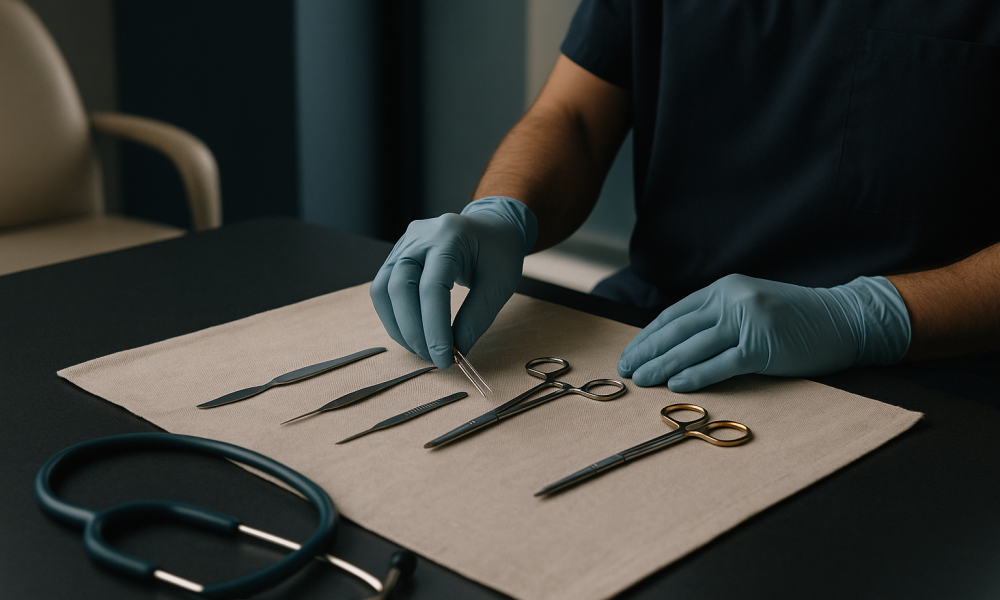
What Rhinoplasty is and who it is for
Rhinoplasty, commonly referred to as a ‘nose job’, is a surgical procedure designed to alter the shape of the nose for either aesthetic or functional reasons. This procedure can address a variety of concerns, including the size of the nose, the shape of the nasal tip, the width of the bridge, and any visible humps or depressions on the nose profile. Additionally, rhinoplasty can be performed to correct breathing difficulties caused by structural defects in the nose, such as a deviated septum.
In Turkey, rhinoplasty is a sought-after procedure due to the country’s reputation for high-quality medical care and skilled surgeons, many of whom have trained internationally. The procedure is typically performed under general anaesthesia and can take between 2 to 4 hours, depending on the complexity of the surgery. After the procedure, patients usually spend one night in the hospital for observation.
Rhinoplasty is suitable for individuals who are looking to improve the appearance of their nose or address functional issues that affect their quality of life. It is important for prospective patients to have realistic expectations about the outcomes. While rhinoplasty can enhance facial harmony and boost self-confidence, it is crucial to understand that the final results may take several months to fully materialise as swelling gradually subsides.
In terms of cost, the procedure in Turkey is often more affordable compared to countries like Australia, with indicative costs ranging from £2,500 to £4,000. This cost advantage, combined with the opportunity to recuperate in a culturally rich and scenic country, makes Turkey an attractive destination for medical tourism.
Are you a good candidate?
Determining whether you are a good candidate for rhinoplasty involves several considerations. Firstly, candidates should be in good overall health, as this reduces the risk of complications during and after surgery. Non-smokers are preferred, as smoking can impede the healing process and increase the likelihood of complications.
Age is another factor; while there is no strict upper age limit, candidates should be at least 18 years old to ensure that their facial growth is complete, which is crucial for achieving stable results. Emotional maturity is also essential, as candidates should have a clear understanding of why they want the surgery and realistic expectations about the outcomes.
Functional concerns, such as difficulty breathing through the nose, can also make someone a good candidate for rhinoplasty. Addressing these issues can significantly improve quality of life. A consultation with a qualified surgeon can help determine the best approach to meet both aesthetic and functional goals.
- Good overall health
- Non-smoker or willing to quit
- Age 18 or older
- Realistic expectations
- Desire to improve facial harmony
- Functional issues like breathing difficulties
Potential candidates should also consider their ability to commit to the recovery process. Initial recovery may take one to two weeks, during which time swelling and bruising are common. Full recovery, including the resolution of most swelling, can take from six to twelve months. The ability to take time off work and limit physical activities during the early recovery phase is important for optimal results.
The procedure, step by step
Rhinoplasty, commonly known as a nose job, is a surgical procedure designed to change the shape of the nose for either aesthetic or functional reasons. When considering rhinoplasty in Turkey, it is essential to understand each step of the procedure to make an informed decision. Here is a detailed step-by-step guide to what you can expect:
- Initial Consultation: The journey begins with a thorough consultation with a qualified surgeon. During this session, you will discuss your goals, medical history, and any concerns. The surgeon will examine your nasal structure and facial features to develop a personalised plan. They may use digital imaging to help visualise potential outcomes.
- Pre-operative Assessment: Before the surgery, you will undergo a series of pre-operative assessments. These may include blood tests, a physical examination, and imaging studies such as X-rays or CT scans. These tests ensure you are fit for surgery and help the surgeon plan the procedure.
- Anaesthesia: On the day of surgery, you will be administered anaesthesia. Rhinoplasty is typically performed under general anaesthesia, ensuring you remain unconscious and pain-free throughout the procedure. In some cases, local anaesthesia with sedation may be used, depending on the complexity of the surgery and patient preference.
- Incision: The surgeon will make incisions to access the nasal bones and cartilage. There are two main techniques: open rhinoplasty and closed rhinoplasty. In open rhinoplasty, an incision is made across the columella, the tissue separating the nostrils, allowing greater visibility and access. Closed rhinoplasty involves incisions within the nostrils, resulting in no visible scarring.
- Reshaping the Nose: Depending on the desired outcome, the surgeon will reshape the nose by removing, adding, or rearranging bone and cartilage. For example, a hump may be removed, or the tip may be refined. If additional cartilage is needed, it may be harvested from another part of your body, such as the ear or rib.
- Correcting Deviations: If the procedure includes correcting a deviated septum, the surgeon will straighten and adjust the nasal septum to improve airflow and breathing.
- Closing the Incisions: Once the reshaping is complete, the surgeon will close the incisions with sutures. For open rhinoplasty, the columella incision is stitched, while closed rhinoplasty incisions are hidden inside the nose.
- Application of Splints and Dressings: After the surgery, a splint is applied to the outside of the nose to support and protect it during the initial healing phase. Nasal packing or soft splints may also be placed inside the nostrils to stabilise the septum and promote healing.
- Recovery Room: You will be taken to a recovery room where medical staff will monitor you as you wake from anaesthesia. Most patients are discharged the same day, though some may require an overnight stay.
Recovery timeline
Understanding the recovery timeline for rhinoplasty is crucial for setting realistic expectations and planning your post-operative care. The recovery process varies for each individual, but the following table provides a general overview of what you can expect from day one to full recovery:
| Period | What to expect | Care notes |
|---|---|---|
| Day 1 | Immediately after the surgery, you may experience swelling, bruising, and discomfort around the nose and eyes. Nasal congestion is common. | Rest with your head elevated to reduce swelling. Apply cold compresses gently around the eyes, not directly on the nose. |
| Days 2-3 | Swelling and bruising may peak, causing increased facial discolouration. Breathing through the nose might still be difficult. | Continue to rest and avoid strenuous activities. Stick to prescribed pain medication and antibiotics if provided. |
| Week 1 | Swelling and bruising begin to subside. You may feel more comfortable, and congestion will start to ease. | Attend your post-operative check-up. The external splint is usually removed at this stage. |
| Weeks 2-3 | Noticeable improvement in swelling and bruising. Most daily activities can be resumed, but avoid heavy lifting or intense exercise. | Continue to protect your nose from trauma. Wear sunglasses carefully or avoid them altogether if possible. |
| Month 1 | Most of the swelling has subsided, although subtle swelling may persist. The shape of the nose becomes more defined. | Resume normal activities, but be cautious with contact sports. Follow up with your surgeon for an evaluation. |
| Months 3-6 | Significant reduction in swelling. The nose takes on its long-term shape; minor changes may still occur. | Consult your surgeon if you notice any concerns. Continue to protect your nose from sun exposure. |
| 1 Year | The nose has fully healed, and the final results of the rhinoplasty are visible. Minor refinements may be evident. | Maintain regular check-ups if advised. Enjoy your new appearance and improved function. |
What it costs: Turkey vs Australia
When considering rhinoplasty, understanding the cost implications is crucial for international patients, especially when comparing options between Turkey and Australia. It’s important to note that while cost is a significant factor, it should be weighed alongside quality and safety.
In Australia, the cost of rhinoplasty can vary widely depending on factors such as the surgeon’s experience, the complexity of the procedure, and the location of the clinic. Typically, the price range for rhinoplasty in Australia is between AUD 10,000 to AUD 20,000. This range usually covers the surgeon’s fee, anaesthesia, facility costs, and follow-up visits. However, additional expenses such as pre-operative consultations, post-operative care, and any necessary medications may not be included in the initial quote.
In contrast, Turkey has emerged as a popular destination for rhinoplasty due to its competitive pricing and high standards of care. On average, the cost of rhinoplasty in Turkey ranges from AUD 3,000 to AUD 6,000. This often includes a comprehensive package that covers not only the surgical procedure but also additional services that can enhance the overall patient experience.
| Country | Indicative Cost Range (AUD) | Typical Inclusions |
|---|---|---|
| Australia | 10,000 – 20,000 |
|
| Turkey | 3,000 – 6,000 |
|
It’s clear from the table that Turkey offers a more affordable option for rhinoplasty. Additionally, many Turkish clinics provide package deals that include accommodation and transportation, which can significantly reduce the hassle for international patients. However, it’s essential for patients to thoroughly research and ensure that the clinic they choose is accredited and meets international standards.
While cost savings are attractive, patients should also consider the expertise of the surgeon, the quality of the facility, and the level of post-operative care provided. Balancing these factors can help ensure a safe and satisfactory outcome.
Risks and how accredited providers manage them
Rhinoplasty, like any surgical procedure, carries inherent risks. Understanding these risks and how accredited providers in Turkey manage them is vital for international patients considering treatment abroad.
Common risks associated with rhinoplasty include infection, bleeding, and adverse reactions to anaesthesia. There is also the possibility of unsatisfactory cosmetic results, which may necessitate revision surgery. Other risks can include nasal obstruction, scarring, and changes in skin sensation. Accredited providers in Turkey are well-equipped to manage these risks through rigorous pre-operative assessments and state-of-the-art surgical techniques.
Accredited Turkish clinics adhere to international healthcare standards and often undergo regular audits to ensure compliance. These clinics typically employ highly qualified surgeons who specialise in rhinoplasty and are members of international surgical societies. This membership often requires continuous education and adherence to the latest surgical protocols.
To mitigate risks, clinics conduct thorough pre-operative consultations where patients are evaluated for suitability. During these consultations, the surgeon discusses the patient’s medical history, expectations, and any potential complications. This careful assessment helps in planning a personalised surgical approach that minimises risks.
Clinics in Turkey also utilise advanced surgical technologies and techniques to enhance safety. For instance, some providers use 3D imaging to simulate potential outcomes, allowing both the surgeon and patient to visualise the expected results before surgery. This technology assists in precise surgical planning and reduces the likelihood of post-operative dissatisfaction.
Post-operative care is another critical aspect of risk management. Accredited clinics offer comprehensive aftercare programs that include regular follow-up appointments to monitor healing and address any complications promptly. Patients are provided with detailed post-surgical instructions to aid recovery and prevent complications such as infection.
In addition to medical care, many clinics offer support services such as access to a dedicated patient coordinator who can assist with logistical arrangements and provide emotional support throughout the treatment journey. This holistic approach ensures that patients feel supported and informed at every stage of the process.
Ultimately, while risks cannot be completely eliminated, choosing an accredited provider in Turkey with a strong reputation for safety and quality can significantly enhance the success and safety of a rhinoplasty procedure. Patients are encouraged to ask potential providers about their accreditation status, the surgeon’s experience, and specific risk management strategies before making a decision.
How to choose the right provider
Choosing the right provider for rhinoplasty in Turkey is a crucial step towards achieving a successful outcome. First and foremost, look for clinics and surgeons with proper accreditation. Reputable clinics are often accredited by international health organisations such as the Joint Commission International (JCI) or the International Organization for Standardization (ISO). These accreditations ensure that the clinic adheres to high standards of medical care and safety.
The experience and qualifications of the surgeon are equally important. Look for surgeons who are board-certified in plastic surgery and have specific expertise in rhinoplasty. It’s beneficial to ask about the surgeon’s experience in performing rhinoplasty procedures, including the number of surgeries performed annually. Experienced surgeons often have a portfolio of before-and-after photos of previous patients, which can provide insight into their skill level and aesthetic style.
Aftercare is another critical factor to consider. Ensure the clinic offers comprehensive aftercare services, including follow-up appointments and access to medical staff for post-operative concerns. Quality aftercare can significantly impact recovery and the overall success of the surgery.
Be vigilant about red flags that may indicate substandard care. Avoid providers who offer significantly lower prices compared to the typical range of £2,500 to £4,000, as this may reflect compromised quality. Be wary of clinics that guarantee specific outcomes or use high-pressure sales tactics. It’s also advisable to steer clear of providers who lack transparency regarding their credentials or are unwilling to answer questions about their experience and aftercare policies.
Finally, consider reading reviews from previous patients, but do so with discernment. Look for consistent themes in feedback, especially regarding communication, the professionalism of staff, and satisfaction with results. Choosing the right provider involves thorough research and careful consideration of all these factors to ensure a safe and satisfactory experience.
Planning your trip
Planning your trip to Turkey for rhinoplasty involves several logistical considerations to ensure a smooth process. Start by establishing a timeline, ideally beginning the planning process three to six months before your intended surgery date. This allows ample time for research, consultations, and securing necessary documents.
Ensure your passport is valid for at least six months beyond your planned return date. Depending on your nationality, you might require a visa to enter Turkey, which can usually be obtained online through the e-Visa system. It’s advisable to have a comprehensive travel insurance policy that covers medical procedures abroad and any potential complications.
The typical stay in Turkey for rhinoplasty is around 7 to 10 days. This duration allows time for pre-operative consultations, the surgery itself, and initial recovery under medical supervision. Plan for two to three days of rest post-surgery before travelling back home. During this time, you’ll have follow-up appointments to monitor your recovery and remove any nasal splints or stitches.
When booking flights, consider flexible tickets in case of any changes in your surgery schedule. Accommodation should ideally be close to the clinic to minimise travel post-surgery. Many providers offer packages that include accommodation and airport transfers, which can simplify logistics.
Once back home, arrange for follow-up care with a local healthcare provider. Keep records of your surgery and communicate any concerns with your surgeon in Turkey, who may offer virtual consultations as part of your aftercare plan. Recovery can vary, but most patients return to normal activities within two weeks, with full results visible after several months.
By planning carefully and considering all aspects of your trip, you can ensure a seamless experience that allows you to focus on your recovery and desired outcomes.
Frequently Asked Questions
What is the typical cost of rhinoplasty in Turkey?
The cost of rhinoplasty in Turkey typically ranges from £2,500 to £4,000. This price often includes the surgery itself, anaesthesia, and initial post-operative care. However, additional costs such as travel, accommodation, and extended aftercare should also be considered when budgeting for the procedure.
How can I verify a surgeon's qualifications?
To verify a surgeon's qualifications, check if they are board-certified in plastic surgery and have specific experience in rhinoplasty. Look for memberships in professional organisations such as the Turkish Society of Plastic Reconstructive and Aesthetic Surgeons. Additionally, ask for patient testimonials and before-and-after photos of previous surgeries.
What are the potential risks of rhinoplasty?
Like any surgical procedure, rhinoplasty carries certain risks, including infection, bleeding, or an adverse reaction to anaesthesia. Other potential complications include asymmetry or dissatisfaction with the cosmetic results. To minimise these risks, it is crucial to choose an experienced, qualified surgeon and follow all pre- and post-operative instructions carefully.
How long is the recovery period after rhinoplasty?
The initial recovery period after rhinoplasty typically lasts one to two weeks, during which time swelling and bruising are most prominent. Most patients return to work and normal activities within two weeks, but it may take several months for swelling to fully subside and the final results to become apparent. It's important to follow your surgeon's post-operative care instructions for optimal recovery.
Is rhinoplasty in Turkey safe?
Rhinoplasty in Turkey can be safe when performed by a qualified and experienced surgeon in an accredited clinic. Ensuring that the clinic follows international standards of care and hygiene is crucial. Research thoroughly and choose a provider with excellent reviews and a proven track record to maximise safety.
What should I pack for my trip to Turkey for surgery?
When travelling to Turkey for surgery, pack comfortable clothing, personal hygiene items, and any prescribed medications. It's also helpful to bring a neck pillow for travel comfort, as well as a small first-aid kit. Don't forget important documents like your passport, visa, and any relevant medical records.
Will I need a visa to travel to Turkey for rhinoplasty?
Many nationalities require a visa to enter Turkey, which can often be obtained through the e-Visa system online. Check the specific requirements for your country well in advance of your trip to ensure you have the necessary documentation. It's also a good idea to have a passport valid for at least six months beyond your planned departure date.
How do I manage post-operative care once I return home?
Post-operative care at home involves following your surgeon's instructions closely, which may include avoiding strenuous activities, keeping the head elevated, and attending follow-up appointments. Arrange for a local healthcare provider to monitor your recovery and communicate any concerns to your surgeon in Turkey, who may offer virtual consultations.
What if I am unhappy with the results of my rhinoplasty?
If you are unhappy with the results, communicate your concerns with your surgeon as soon as possible. They may offer solutions or revisions if necessary. It's essential to have realistic expectations and understand that final results can take several months to become apparent. Discuss potential outcomes thoroughly during your initial consultations.
How soon can I fly after my rhinoplasty?
Most patients are advised to wait approximately one week before flying after rhinoplasty. This allows time for initial healing and for any immediate post-operative complications to be addressed. Always follow your surgeon’s specific advice regarding travel after surgery to ensure a safe recovery.
How can I prepare for my consultation with the surgeon?
To prepare for your consultation, research the procedure and compile a list of questions regarding the surgery, recovery, and expected outcomes. Provide your medical history and any current medications. Be honest about your expectations and discuss any concerns with the surgeon to ensure clear communication and understanding.
Does the cost of rhinoplasty in Turkey include aftercare?
Many clinics in Turkey include initial aftercare, such as follow-up appointments and removal of stitches or splints, within the quoted surgery price. However, extended aftercare or additional treatments may incur extra costs. It's important to clarify what is included in the package and discuss any potential additional fees before committing.