
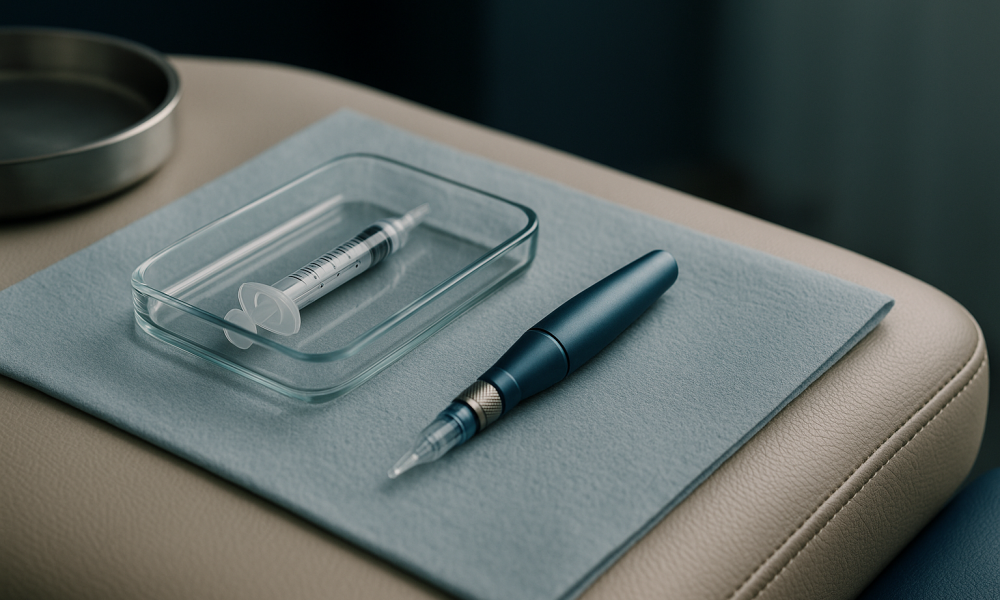
What Scalp Micropigmentation is and who it is for
Scalp micropigmentation (SMP) is a non-surgical cosmetic procedure that involves the application of specialised pigments to the scalp to mimic the appearance of natural hair follicles. This technique is designed to create the illusion of a fuller head of hair, effectively camouflaging hair loss. It’s particularly beneficial for individuals experiencing various forms of hair thinning and baldness, including those with alopecia, thinning hair, or scars from previous hair transplants. SMP can be tailored to match the patient’s natural hair colour and skin tone, providing a realistic and aesthetically pleasing result.
The procedure is performed using microneedles, which deposit pigment into the upper dermal layer of the skin. The precision of this method allows for the creation of thousands of tiny dots that replicate the appearance of hair follicles. Typically, patients will require multiple sessions, usually spaced a few weeks apart, to achieve the desired density and natural appearance. Each session may last between 2 to 4 hours, depending on the extent of the area being treated.
SMP is suitable for both men and women and is often considered by those who wish to avoid the more invasive nature of hair transplant surgeries. It is also a viable option for individuals who are not candidates for transplant surgery due to insufficient donor hair. Additionally, SMP is an advantageous choice for people looking to enhance the results of a previous hair transplant, as it can add density and cover any visible scars. The pigments used in SMP are semi-permanent, typically lasting between 4 to 6 years, after which a touch-up may be required to maintain the colour and appearance.
Patients considering SMP should be aware that while it provides an immediate visual improvement, it does not promote hair growth or alter the hair’s natural growth cycle. It’s a cosmetic solution that requires careful consideration and realistic expectations. The success of the procedure largely depends on the skill and experience of the practitioner, as well as the quality of the pigments used.
Are you a good candidate?
Determining whether you are a good candidate for scalp micropigmentation involves assessing several factors. SMP is suitable for a wide range of individuals, but there are specific criteria that can help identify those who will benefit most from the treatment. Here are some key considerations:
- Extent of Hair Loss: Ideal candidates are those experiencing mild to moderate hair loss. While SMP can effectively disguise areas of thinning and baldness, it may not be suitable for individuals with extensive hair loss covering most of the scalp without any remaining hair.
- Medical Conditions: Candidates should be free from any scalp conditions such as psoriasis or eczema, which could affect the healing process. It’s important to discuss any underlying health issues with the practitioner before proceeding.
- Realistic Expectations: Understanding that SMP does not stimulate hair growth is crucial. It is a cosmetic treatment that provides the appearance of hair density rather than physical hair restoration.
- Skin Tone and Hair Colour: SMP can be customised to match a wide range of skin tones and hair colours. However, it is essential to ensure that your chosen practitioner has experience in working with your specific complexion and hair type to achieve a natural look.
- Commitment to Aftercare: Post-procedure care is essential for optimal results. Candidates must be willing to follow aftercare instructions, which include avoiding direct sunlight and refraining from washing the scalp for a few days following treatment.
- Availability for Multiple Sessions: Most patients require 2-3 sessions to achieve the desired results. Therefore, candidates must be able to commit to the necessary appointments.
By considering these factors, prospective patients can better understand if scalp micropigmentation is the right choice for them. Consulting with a qualified SMP provider in Turkey can offer further insights and help tailor the treatment to individual needs.
The procedure, step by step
Scalp micropigmentation (SMP) is a meticulous and detailed procedure that involves the application of specialised pigments to the scalp to replicate the appearance of natural hair follicles. Here’s a step-by-step guide to help you understand what typically happens during this treatment:
- Consultation: The process begins with an initial consultation, either virtual or in-person, where the practitioner assesses your scalp condition, hair loss pattern, and discusses your desired outcome. This is also the time to review medical history and any potential contraindications.
- Design and Planning: The practitioner will work with you to design a hairline that suits your facial structure and personal preferences. They will also determine the appropriate pigment shade to match your natural hair colour.
- Preparation: On the day of the procedure, the scalp is thoroughly cleaned and shaven, if necessary, to ensure a smooth surface for the application. A numbing agent may be applied to minimise discomfort during the procedure.
- Pigmentation Application: Using a fine needle, the practitioner deposits tiny dots of pigment into the upper dermis of the scalp. This process is done in layers to create a natural-looking density. Depending on the extent of coverage required, this can take anywhere from 2 to 4 hours per session.
- Session Completion and Review: After the initial session, the results are reviewed, and any immediate adjustments are made. The practitioner will discuss the aftercare instructions and schedule any necessary follow-up sessions. Typically, 2 to 3 sessions are required, spaced about 10 to 14 days apart, to achieve the desired density and appearance.
Each step is crucial for ensuring that the results are natural and tailored to your specific needs. It’s important to follow the practitioner’s guidance at every stage to optimise outcomes.
Recovery timeline
Understanding the recovery timeline for scalp micropigmentation can help you plan your journey and manage expectations effectively. Here’s a detailed look at what to expect after the procedure, from day one to full recovery:
| Period | What to expect | Care notes |
|---|---|---|
| Day 1 | The scalp may feel tender and slightly red, similar to a mild sunburn. The pigmentation may appear darker immediately post-procedure. | Avoid touching or washing the scalp. Keep the area clean and dry. Use a gentle, fragrance-free moisturiser if advised by your practitioner. |
| Days 2-4 | Any redness should begin to subside. The scalp might feel itchy as it starts to heal, and minor scabbing may occur. | Refrain from picking at any scabs. Continue to avoid washing the scalp and limit exposure to sunlight. |
| Days 5-7 | The pigmentation will start to settle, and the initial darkness will begin to lighten to a more natural shade. | You may gently wash your scalp with lukewarm water and a mild shampoo. Avoid vigorous scrubbing. |
| Weeks 2-4 | The scalp should be largely healed, with the pigmentation appearing more natural and blended. Any remaining scabs should have fallen off. | Continue to protect your scalp from sun exposure. Apply sunblock if you are outdoors for extended periods. |
| Full recovery (4-6 weeks) | The final result should be visible, with a natural appearance and no signs of redness or irritation. | Maintain regular scalp hygiene and moisturisation. Schedule any follow-up sessions as advised by your practitioner. |
This timeline provides a general guide to recovery. Individual experiences may vary, and it is important to adhere to the specific aftercare instructions provided by your practitioner to ensure optimal results.
What it costs: Turkey vs Canada
When considering scalp micropigmentation (SMP) in Turkey, one of the most attractive factors for international patients, including those from Canada, is the cost-effectiveness. The cost of SMP can vary significantly between Turkey and Canada due to differences in the cost of living, clinic overheads, and market dynamics. It’s important to understand these differences clearly when planning your treatment journey.
Below is a comparative table illustrating indicative price ranges for scalp micropigmentation in Turkey and Canada. These figures are meant to provide a general idea and can vary based on specific clinic offerings, geographic location, and the extent of treatment needed.
| Country | Indicative Price Range (CAD) | Typical Package Inclusions |
|---|---|---|
| Turkey | 1,500 – 3,000 |
|
| Canada | 3,500 – 7,000 |
|
In Turkey, the cost of SMP typically ranges from CAD 1,500 to CAD 3,000, often including a comprehensive package that covers not only the SMP procedure itself but also additional services such as airport transfers and accommodation. This can significantly reduce the overall expenditure and logistical planning required for international patients.
Conversely, in Canada, the same procedure might range from CAD 3,500 to CAD 7,000. While this usually includes the treatment sessions and post-procedure care, additional travel or accommodation costs would be borne by the patient, potentially increasing the overall cost.
It’s crucial for patients to verify what is included in their chosen package and understand that these figures are indicative. Prospective patients should engage directly with clinics to receive detailed quotations tailored to their specific needs and expectations.
Risks and how accredited providers manage them
Scalp micropigmentation (SMP) is generally considered a safe procedure when performed by qualified and experienced practitioners. However, like any cosmetic treatment, it is not without risks. Understanding these risks and how accredited providers in Turkey manage them can help alleviate concerns and inform decision-making for international patients.
Common risks associated with SMP include allergic reactions, infections, and unsatisfactory aesthetic outcomes. Allergic reactions can occur due to the pigments used in the procedure, although they are rare with high-quality, hypoallergenic pigments. Infection is another risk, typically resulting from inadequate sterilisation practices. Finally, unsatisfactory results can arise from poorly executed procedures or unrealistic patient expectations.
Accredited clinics in Turkey employ several strategies to mitigate these risks:
- Thorough Consultations: Before any procedure, a detailed consultation is conducted to assess patient suitability, discuss medical history, and address any allergies or sensitivities. This helps tailor the procedure to individual needs and minimise risks.
- Use of High-Quality Materials: Reputable clinics use premium, hypoallergenic pigments that are less likely to cause adverse reactions. These pigments are specifically designed for scalp use and undergo rigorous safety testing.
- Strict Sterilisation Protocols: Clinics adhere to stringent sterilisation standards to prevent infections. This includes the use of disposable needles and equipment, as well as maintaining a sterile environment throughout the procedure.
- Experienced Practitioners: Accredited providers employ skilled practitioners who have undergone extensive training in SMP techniques. Their expertise ensures precise application and helps achieve natural-looking results.
- Post-Procedure Guidance: Comprehensive aftercare instructions are provided to patients to promote healing and reduce the risk of complications. This includes advice on cleaning the scalp, avoiding sun exposure, and recognising signs of infection.
By choosing an accredited provider, patients can be reassured that these clinics have met strict standards in terms of safety and quality. While no procedure is entirely without risk, the careful management of potential complications is a priority for clinics striving to deliver the best outcomes for their patients.
Patients are encouraged to discuss any concerns with their provider and ensure they understand the risks and benefits before proceeding with treatment. Engaging with a clinic that prioritises patient safety and satisfaction can significantly enhance the overall experience and outcome of SMP.
How to choose the right provider
Choosing the right provider for scalp micropigmentation (SMP) in Turkey is a critical component of ensuring a successful and satisfying experience. Start by verifying the accreditation of clinics. Look for facilities accredited by international bodies like the Joint Commission International (JCI) or the International Organization for Standardization (ISO). These accreditations indicate adherence to global healthcare standards.
Next, assess the experience and qualifications of the practitioner. A reputable SMP specialist should have extensive experience, ideally having completed hundreds of procedures. Verify their credentials, training background, and ask for before-and-after photos of previous patients. Additionally, reading reviews from past clients can provide insight into the practitioner’s expertise and patient satisfaction.
Consider the aftercare services offered by the clinic. A comprehensive aftercare plan is essential for ensuring the best results and minimizing complications. This should include detailed instructions on how to care for your scalp post-procedure, follow-up appointments for monitoring progress, and readily available support for any concerns or questions you might have.
Be aware of red flags that might indicate a less reputable provider. These include vague pricing structures, lack of transparency in answering questions, and high-pressure sales tactics. Providers that promise guaranteed results should be approached with caution, as outcomes can vary based on individual circumstances. Ensure that the facility maintains high standards of hygiene and that all equipment is sterilised and up to date.
Finally, consider logistics such as clinic location, language support, and ease of communication. Clinics with staff who speak English fluently and offer virtual consultations can make the process smoother for international patients.
Planning your trip
Planning your trip to Turkey for scalp micropigmentation involves several key steps to ensure a smooth experience. Begin by establishing a timeline for your procedure. Ideally, you should start planning several months in advance. This allows you to research providers, schedule consultations, and arrange travel accommodations.
Ensure that you have all the necessary documents for your travel. Canadian citizens require a valid passport and may need a visa, which can often be obtained online for short stays. Check the current entry requirements for Turkey, as these can change based on global health situations.
Plan for the appropriate length of stay. While the SMP procedure itself might only take a few hours, it’s advisable to stay for at least a week. This allows time for any initial redness or swelling to subside and for a follow-up appointment to ensure everything is progressing well. It also provides an opportunity to explore the local culture and attractions, making the most of your medical trip.
Consider the follow-up care you will need once you return to Canada. Discuss with your provider how aftercare will be managed. Some clinics offer remote consultations to monitor your progress, which can be helpful. Ensure you have a clear understanding of the aftercare instructions and any products you might need to purchase.
Finally, plan your budget considering all potential costs. Typical SMP procedures in Turkey can range from £500 to £1,500. This is usually more affordable than in Canada, but you should also factor in travel, accommodation, and any additional expenses. Booking flights and hotels in advance can often secure better rates.
Frequently Asked Questions
What is the typical cost of scalp micropigmentation in Turkey?
The cost of scalp micropigmentation in Turkey typically ranges from £500 to £1,500. This can vary depending on the extent of the treatment required, the clinic's reputation, and the practitioner's experience. It's advisable to obtain a detailed quote from your provider before proceeding.
How long should I plan to stay in Turkey for the procedure?
You should plan to stay in Turkey for at least a week. This duration allows time for the procedure, initial recovery, and a follow-up appointment to ensure there are no complications. It also provides the chance to explore the local area and enjoy your trip.
What qualifications should I look for in a scalp micropigmentation provider?
Look for providers with significant experience, ideally having performed hundreds of procedures. Check for certifications from recognised international bodies and review before-and-after photos. Reading patient reviews can also provide insight into the provider's expertise and results.
Is scalp micropigmentation safe?
Scalp micropigmentation is generally considered safe when performed by a qualified professional in a reputable clinic. Ensure that the facility adheres to international hygiene standards and that the practitioner uses sterilised equipment. Discuss any personal health concerns with your provider before the procedure.
Will I need a visa to travel to Turkey from Canada?
Yes, Canadian citizens typically require a visa to enter Turkey for medical tourism. These can often be obtained online for short stays. Always check the latest entry requirements before your trip, as they can change based on international health advisories.
What aftercare is needed following the procedure?
Aftercare is crucial for optimal results. You will need to keep your scalp clean and avoid sun exposure and heavy sweating for a few days. Your provider will give you detailed instructions, which may include using specific shampoos or moisturisers. Follow-up consultations are also important to monitor progress.
Can I have a virtual consultation before travelling?
Many clinics offer virtual consultations for international patients. This can be an excellent way to discuss your goals, assess your suitability for the procedure, and obtain a detailed quote. It also allows you to establish a rapport with your practitioner before committing to travel.
What are the signs of a reputable clinic?
Reputable clinics will have international accreditations, transparent pricing, and clear communication. They should provide before-and-after photos of previous work, offer thorough consultations, and have a track record of satisfied patients. Avoid clinics that use high-pressure sales tactics or make unrealistic promises.
How soon can I return to work after scalp micropigmentation?
Most individuals can return to work within a few days post-procedure, as there is minimal downtime. However, this can vary based on individual recovery and the nature of your job. Discuss your specific situation with your provider to get tailored advice.
What should I pack for my trip to Turkey?
Pack comfortable clothing suitable for the climate, your travel documents, and any personal items you might need. If advised by your provider, bring specific aftercare products. Don't forget any medications you regularly take, and consider travel insurance for added peace of mind.
How do I manage follow-up care once I'm back in Canada?
Discuss with your provider how follow-up care will be managed from afar. Many clinics offer remote consultations to monitor your progress. Ensure you have clear aftercare instructions and know who to contact if you have any concerns or questions after returning home.
Are there any hidden costs I should be aware of?
While the procedure cost might be clear, consider additional expenses such as travel, accommodation, and any required aftercare products. It's wise to discuss all potential costs with your clinic upfront and budget for contingencies to avoid surprises.