
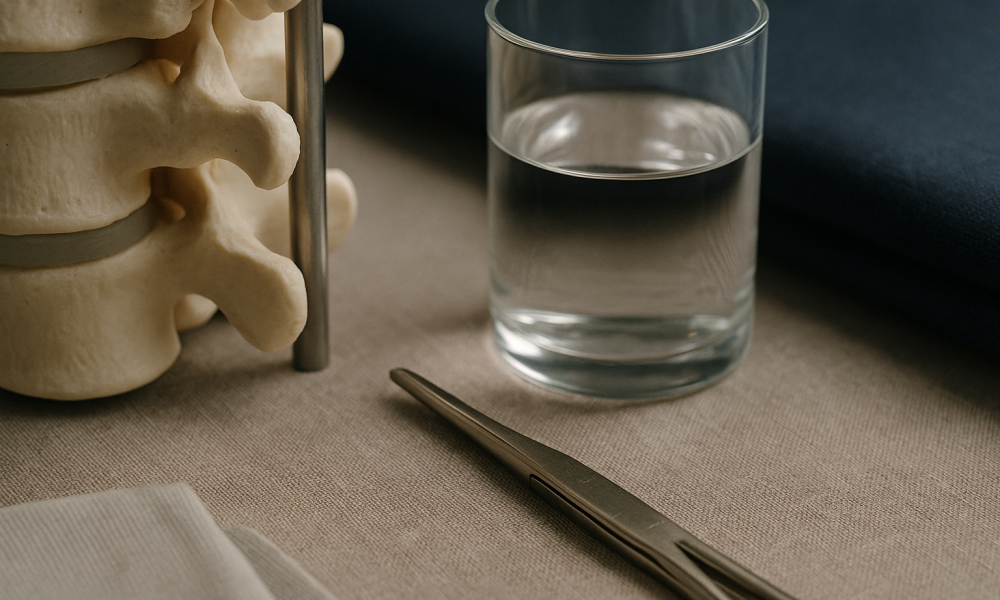
What Scoliosis Surgery is and who it is for
Scoliosis surgery is a procedure designed to correct abnormal curvature of the spine, known as scoliosis. This condition can arise in childhood or adolescence, and in some cases, it can also develop in adults. The aim of the surgery is to correct the spinal curvature, reduce pain, and improve the patient’s overall quality of life. In Turkey, scoliosis surgery is performed by highly trained orthopaedic surgeons using advanced techniques and state-of-the-art technology.
The primary surgical techniques used in scoliosis surgery include spinal fusion, where two or more vertebrae are fused together, and the insertion of rods and screws to support the spine. These procedures help to straighten the spine and prevent further curvature. The choice of technique depends on several factors, including the severity of the curvature, the age of the patient, and their overall health.
Patients who undergo scoliosis surgery in Turkey benefit from the country’s robust healthcare infrastructure, which combines quality care with affordability. The cost of scoliosis surgery in Turkey typically ranges from £8,000 to £12,000, which is significantly more affordable compared to prices in Australia. Additionally, many clinics offer comprehensive packages that include pre-operative assessments, surgery, and post-operative care, providing patients with a seamless treatment experience.
Scoliosis surgery is generally recommended for patients with significant spinal curvature that is progressing or causing symptoms such as pain or difficulty breathing. It is most commonly performed on adolescents with idiopathic scoliosis, but it can also be indicated for adults with degenerative scoliosis. For those considering scoliosis surgery in Turkey, it’s important to have a thorough consultation with a healthcare provider to assess the risks and benefits of the procedure in their specific case.
Are you a good candidate?
Determining whether you are a good candidate for scoliosis surgery involves a comprehensive evaluation by an orthopaedic specialist. This assessment considers several factors, including the degree of spinal curvature, the presence of symptoms, and the impact of scoliosis on your daily life. Below is a checklist to help you understand the typical criteria for scoliosis surgery:
- Curvature: Your spinal curve is greater than 45 degrees and continues to progress.
- Symptoms: You experience significant pain, discomfort, or respiratory issues due to the curvature.
- Age: While surgery is often recommended for adolescents, adults with progressive curves may also be candidates.
- Previous treatments: Non-surgical treatments such as bracing or physical therapy have not been effective in halting progression.
- Overall health: You are in good general health and able to undergo surgery and rehabilitation.
- Quality of life: The scoliosis significantly impacts your quality of life, including your ability to perform daily activities.
- Expectations: You have realistic expectations about the outcomes and limitations of surgery.
In addition to these criteria, a detailed imaging study, such as an X-ray or MRI, is typically performed to assess the specific characteristics of the spinal curve. This helps the surgical team to plan the most effective approach for correction. Patients considering surgery should also be prepared for the rehabilitation process, which can take several months and involves physical therapy to regain strength and flexibility.
It’s crucial to have an open and honest discussion with your healthcare provider about the potential risks and benefits of scoliosis surgery. Understanding the procedure, recovery process, and potential outcomes will help you make an informed decision about your treatment journey in Turkey.
The procedure, step by step
Scoliosis surgery in Turkey typically involves a procedure known as spinal fusion, where the goal is to correct the abnormal curvature of the spine. The process is carefully planned and executed by a team of experienced surgeons and medical staff. Here is a detailed step-by-step overview of what the procedure generally entails:
- Pre-operative Assessment: Before surgery, patients undergo a comprehensive evaluation including imaging tests like X-rays, MRIs, or CT scans to assess the curvature of the spine. Blood tests and a general health check are also performed to ensure the patient is fit for surgery.
- Anaesthesia: On the day of the surgery, the patient is brought to the operating theatre and given general anaesthesia. This ensures that the patient is asleep and pain-free throughout the procedure.
- Positioning: The patient is carefully positioned on the operating table, usually lying face down. Special supports are used to maintain comfort and proper alignment of the spine.
- Incision: The surgeon makes an incision along the back to access the spine. The length of the incision depends on the extent of the curvature and the number of vertebrae involved.
- Exposure and Preparation: Muscles and tissues are gently moved aside to expose the spine. The surgeon then prepares the vertebrae that need to be fused.
- Instrumentation: Metal rods, screws, and hooks are strategically placed along the spine. These devices are used to correct the spinal curve and hold the spine in the proper position.
- Bone Grafting: Bone grafts, either taken from the patient or a donor, are placed along the vertebrae to facilitate fusion. The grafts promote new bone growth, helping the vertebrae to fuse into a single, solid bone.
- Closure: Once the instrumentation and bone grafting are complete, the surgeon meticulously closes the incision with sutures or staples. A sterile dressing is applied to protect the wound.
- Post-operative Care: After the surgery, the patient is moved to a recovery room and closely monitored as they awaken from anaesthesia. Pain management and initial recovery protocols are initiated by the healthcare team.
This entire procedure can take anywhere from 4 to 8 hours, depending on the complexity of the case. The surgical team in Turkey is dedicated to ensuring the safety and comfort of the patient throughout this intricate process.
Recovery timeline
Recovery from scoliosis surgery is a gradual process that requires patience and adherence to medical advice. The following table outlines a typical recovery timeline, detailing what patients can expect and the care needed at each stage:
| Period | What to expect | Care notes |
|---|---|---|
| Day 1 | Post-surgery monitoring in the hospital. Pain and discomfort are common, managed with medication. | Rest is crucial. Nurses will assist with basic movements and monitor vital signs. |
| Week 1 | Gradual increase in mobility. Patients may start sitting up and walking short distances with assistance. | Follow physiotherapist guidance. Pain management continues. Focus on gentle movements. |
| Weeks 2-4 | Stitches or staples are removed. Patients can walk more independently and may be discharged from the hospital. | Continue prescribed exercises. Avoid bending, twisting, or lifting heavy objects. Attend follow-up appointments. |
| Month 1-3 | Increased strength and mobility. Patients can return to light daily activities. | Engage in recommended physiotherapy. Maintain a healthy diet to support healing. |
| Months 3-6 | Significant improvement in mobility. Many patients resume work and low-impact activities. | Continue physical therapy. Gradually increase activity levels under medical guidance. |
| Full Recovery (6-12 months) | Most patients achieve full recovery. Ability to return to all normal activities, including sports. | Regular check-ups to monitor spinal fusion progress. Follow long-term care advice to maintain spine health. |
It is important for patients to understand that recovery times can vary based on individual health conditions and the specific details of the surgery. Adhering to medical advice and engaging in prescribed rehabilitation activities are key to a successful recovery.
What it costs: Turkey vs Australia
When considering scoliosis surgery abroad, cost is often a significant factor. Turkey has become a popular destination for medical tourism, offering competitive pricing for high-standard medical procedures. However, it is crucial to understand that cost should not be the sole determinant in choosing where to undergo surgery. Below is a comparison of indicative price ranges for scoliosis surgery in Turkey versus Australia, along with typical inclusions in treatment packages.
| Country | Indicative Price Range (GBP) | Typical Package Inclusions |
|---|---|---|
| Turkey | £10,000 – £15,000 |
|
| Australia | £25,000 – £45,000 |
|
It is important to note that these figures are indicative and can vary based on several factors including the complexity of the case, the specific hospital or clinic, and the surgeon’s expertise. In Turkey, the lower cost does not imply a compromise in quality. The country hosts numerous internationally accredited hospitals that adhere to stringent medical standards. Moreover, many Turkish hospitals offer comprehensive packages that include services such as airport transfers and interpreter assistance, making the experience more convenient for international patients.
Australian patients may find that despite the higher costs in their home country, the familiarity with the healthcare system and the ease of follow-up care post-surgery can be advantageous. However, the significant cost savings in Turkey, combined with the opportunity to explore a new culture, can make it an attractive option for many.
Risks and how accredited providers manage them
While scoliosis surgery in Turkey offers many benefits, it is important to consider the potential risks associated with the procedure. As with any major surgery, there are inherent risks such as infection, blood loss, nerve damage, and complications related to anaesthesia. Understanding these risks and how accredited providers manage them is crucial for making an informed decision.
Accredited hospitals in Turkey adhere to international healthcare standards, such as those set by the Joint Commission International (JCI), to ensure patient safety and high-quality care. These facilities implement rigorous protocols to minimise risks associated with scoliosis surgery. Here are some key measures taken by accredited providers:
- Pre-operative Assessment: Comprehensive pre-operative evaluations help identify any underlying health issues that might increase surgical risks. This includes detailed imaging studies, blood tests, and consultations with anaesthesiologists.
- Advanced Surgical Techniques: Surgeons use state-of-the-art technology and minimally invasive techniques when possible to reduce recovery time and decrease the risk of complications. Techniques such as intraoperative neuromonitoring are employed to protect nerve function during surgery.
- Infection Control: Accredited hospitals maintain stringent infection control protocols, including sterilisation of surgical instruments and maintaining a sterile environment in operating theatres to minimise the risk of post-operative infections.
- Post-operative Care: Patients receive meticulous post-operative monitoring to quickly identify and address any complications. This includes pain management, physiotherapy, and regular follow-ups to ensure proper recovery.
- Multidisciplinary Teams: Accredited facilities often have multidisciplinary teams comprising surgeons, nurses, physiotherapists, and other specialists who collaborate to provide comprehensive care tailored to the patient’s needs.
While risks cannot be entirely eliminated, the combination of advanced medical technology, skilled healthcare professionals, and stringent safety protocols significantly mitigates them. Patients are encouraged to discuss potential risks and management strategies with their healthcare providers to ensure they have a clear understanding of the procedure and the safeguards in place.
Choosing an accredited provider is a critical step in ensuring a safe surgical experience. Patients should verify the credentials and accreditation of the hospitals and surgeons they consider, as this provides reassurance of the quality and safety standards adhered to during their treatment.
How to choose the right provider
Choosing the right provider for scoliosis surgery in Turkey requires a thorough evaluation of several critical factors. Firstly, accreditation is essential. Look for hospitals that are accredited by international bodies, such as the Joint Commission International (JCI). This ensures that the facility meets global healthcare standards, providing reassurance about the quality of care you will receive.
Surgeon experience is another crucial consideration. Research the surgeon’s qualifications, including their years of experience specifically in scoliosis surgery. Ideally, the surgeon should have performed a significant number of these procedures successfully. Many reputable clinics provide profiles of their surgeons, highlighting their specialisations and professional achievements.
Aftercare is a vital component of your recovery process. Ensure that the provider offers comprehensive postoperative care, including physiotherapy and regular follow-up appointments. This support can significantly impact your recovery time and overall outcome. Ask about the availability of multidisciplinary teams that include physiotherapists, nurses, and other specialists who will be part of your care.
Be aware of red flags when evaluating potential providers. Avoid clinics that guarantee specific outcomes, as this is unrealistic in medical practice. Be cautious of providers that do not offer detailed information about their procedures or avoid answering your questions. Transparency is a mark of credibility.
Finally, consider patient testimonials and reviews. While these should not be the sole basis of your decision, they can provide insights into the experiences of other patients. Look for consistent patterns in feedback regarding the quality of care, communication, and outcomes.
Planning your trip
Planning your trip to Turkey for scoliosis surgery involves several important steps to ensure a smooth process. Start by organising your timeline well in advance. It is advisable to begin researching and contacting potential providers at least six months before your desired surgery date. This allows ample time for consultations, securing a surgery date, and arranging travel logistics.
Documents are another critical aspect. Ensure that you have a valid passport with at least six months’ validity from your planned return date. You may also need a visa to enter Turkey, which can often be obtained online through the e-Visa system. Make sure to keep copies of your medical records, including any diagnostic images and reports, as these will be required by your healthcare provider in Turkey.
Consider the length of stay necessary for your treatment. Typically, you should plan to spend two to three weeks in Turkey. This includes time for pre-operative assessments, the surgery itself, and initial recovery. Discuss with your healthcare provider about the recommended duration based on your specific health needs.
After returning home, follow-up care is crucial to monitor your recovery. Before travelling, arrange for follow-up appointments with a local healthcare provider in Australia. Your Turkish provider should provide detailed discharge instructions and a care plan to ensure continuity of care. They may also offer remote consultations to address any concerns post-surgery.
Additionally, consider travel insurance that covers medical expenses and trip cancellations. This can provide peace of mind in case of unforeseen circumstances. Lastly, ensure you have reliable accommodation near your treatment centre, ideally one that can accommodate your post-surgery needs comfortably.
Frequently Asked Questions
What is the typical cost range for scoliosis surgery in Turkey?
The cost of scoliosis surgery in Turkey can vary widely depending on the hospital, the complexity of the case, and the surgeon's expertise. However, prospective patients can typically expect to pay between £12,000 and £20,000. This indicative range often includes the surgery itself, hospital stay, and initial aftercare, but always verify what is included in the quoted price.
How do I ensure the hospital in Turkey is accredited?
Check whether the hospital is accredited by international organisations such as the Joint Commission International (JCI). Accreditation ensures that the hospital meets global healthcare standards. You can usually find this information on the hospital's website or by directly contacting them to request verification of their accreditation status.
What qualifications should the surgeon have?
The surgeon should have specific experience in performing scoliosis surgeries, ideally with several years of practice. Look for qualifications such as board certification in orthopaedic surgery and additional training or fellowship in spine surgery. Many clinics provide detailed profiles of their surgeons, which include their educational background and professional achievements.
How long will I need to stay in Turkey for the surgery?
Patients typically stay in Turkey for about two to three weeks. This period includes time for pre-operative assessments, the surgical procedure, and initial recovery. The exact length of stay might vary based on individual health conditions and the specific recommendations of your healthcare provider.
What documents do I need to travel to Turkey for surgery?
You will need a valid passport with at least six months’ validity from your planned return date. Additionally, you may require a visa, which can often be obtained through Turkey's e-Visa system. Carry copies of your medical records, including diagnostic images and reports, as these will be necessary for your treatment.
What are the risks of scoliosis surgery?
As with any major surgery, scoliosis surgery carries risks such as infection, blood loss, and nerve damage. However, these risks are minimised by choosing an experienced surgical team and a reputable hospital. Discuss potential risks and complications thoroughly with your healthcare provider before proceeding with surgery.
How can I prepare for scoliosis surgery?
Preparation includes organising medical records, securing travel arrangements, and preparing for your recovery period. Engage in any recommended pre-surgery physical therapy and maintain a healthy lifestyle. Discuss specific pre-operative instructions with your surgeon to optimise your readiness for surgery.
What kind of aftercare is required following scoliosis surgery?
Aftercare typically involves physical therapy to aid recovery and improve mobility. Regular follow-up appointments are essential to monitor healing and ensure proper spinal alignment. Your healthcare provider will offer a detailed care plan, including exercises and any necessary lifestyle modifications.
How do I arrange follow-up care once I return to Australia?
Before leaving Turkey, ensure you have a comprehensive discharge summary and care plan. Arrange follow-up appointments with a local healthcare provider in Australia who can monitor your recovery. Some Turkish providers may offer remote consultations to address any concerns and support your ongoing recovery.
What should I look for in patient reviews of Turkish hospitals?
Look for consistent feedback regarding the quality of care, communication, and outcomes. Positive reviews often highlight professional staff, effective communication, and successful patient experiences. Be cautious of reviews that mention issues with transparency or aftercare, as these can be red flags.
Is it safe to travel to Turkey for scoliosis surgery?
Turkey is a popular destination for medical tourism, offering high-quality care. Safety involves choosing a reputable hospital with international accreditation and an experienced surgical team. It's also important to stay informed about travel advisories and ensure you have reliable travel insurance.
How can I verify the costs involved in scoliosis surgery in Turkey?
Request a detailed breakdown of costs from the hospital, specifying what is included in the quoted price. This typically covers the surgery, hospital stay, and initial aftercare. Always clarify any additional costs that might arise, such as extended hospitalisation or additional tests.