
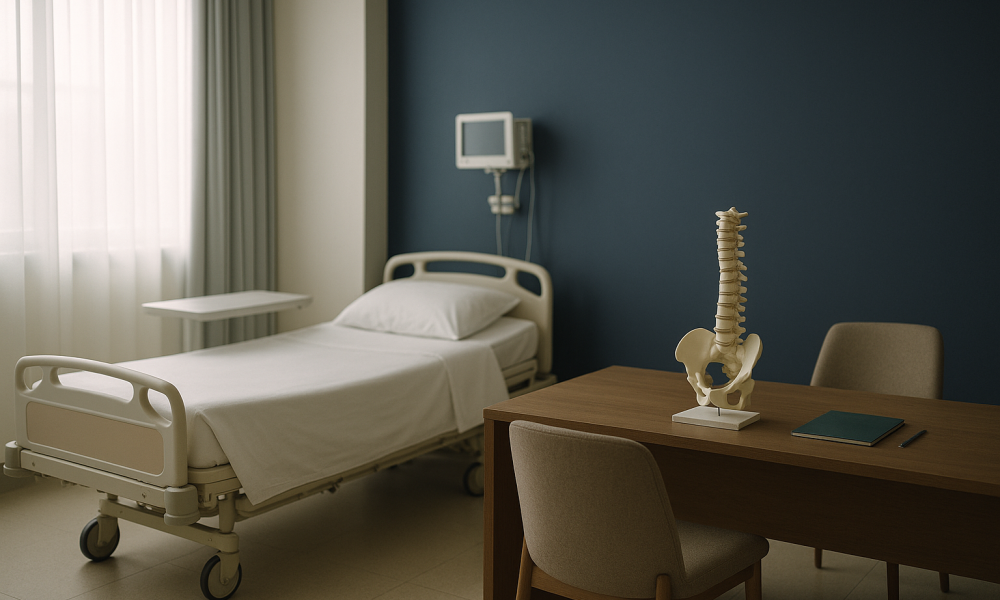
What Scoliosis Surgery is and who it is for
Scoliosis surgery is a specialised procedure aimed at correcting the abnormal curvature of the spine. This condition, known as scoliosis, can manifest in various forms, such as congenital, neuromuscular, and idiopathic, with adolescent idiopathic scoliosis being the most common. The primary goal of scoliosis surgery is to reduce the spinal curvature and prevent further progression, thereby alleviating pain and improving the patient’s overall quality of life.
The surgical procedure typically involves spinal fusion, where two or more vertebrae are permanently joined together to stabilise the spine. This is often achieved using metal rods, screws, and bone grafts. The surgery is performed under general anaesthesia and can last between 4 to 6 hours, depending on the severity and complexity of the curve.
Post-surgery, patients generally stay in the hospital for 5 to 7 days to monitor recovery and manage pain. Physiotherapy often begins during this period to encourage mobility and support healing. While most patients can return to work within 3 to 6 weeks, full recovery may take 6 to 12 months. The improvements in spinal alignment are typically visible immediately, though the body may take time to adjust to the new alignment.
Scoliosis surgery in Turkey is a viable option for international patients due to the country’s advanced healthcare infrastructure and experienced surgeons. Many hospitals in Turkey are accredited by international bodies, ensuring high standards of care. Additionally, the cost of scoliosis surgery in Turkey, generally ranging from £8,000 to £12,000, is significantly more affordable compared to prices in Western Europe, without compromising on quality.
Ultimately, scoliosis surgery is recommended for individuals with moderate to severe curves, especially those whose condition is unlikely to improve with non-surgical interventions. The decision for surgery is carefully considered, weighing the potential benefits against the risks involved.
Are you a good candidate?
Determining candidacy for scoliosis surgery involves a comprehensive evaluation of the patient’s condition, overall health, and personal circumstances. Here are some key criteria that potential candidates should meet:
- Severity of Curve: Candidates typically have a spinal curve greater than 40 to 50 degrees, as measured by the Cobb angle. Curves of this magnitude are less likely to respond to non-surgical treatments such as bracing or physical therapy.
- Progression of Condition: Surgery is often considered if the curve is progressively worsening, particularly in individuals who are still growing. Rapid progression can lead to increased deformity and potential complications affecting lung function.
- Pain and Functional Impact: Candidates should experience significant pain or functional impairment that affects daily activities. Surgery aims to alleviate these symptoms by correcting the spinal alignment.
- Growth Potential: Adolescents with remaining growth potential are often ideal candidates, as surgery can prevent further curve progression during growth spurts. However, adults with severe and symptomatic curves may also be considered.
- Overall Health: Candidates should be in good general health to withstand surgery and anaesthesia. Conditions such as heart disease or uncontrolled diabetes may pose additional risks.
- Realistic Expectations: Candidates must have realistic expectations about the surgery’s outcomes, understanding the potential risks, benefits, and the recovery process involved.
Each patient’s situation is unique, and a thorough assessment by a medical professional is essential to determine the suitability for surgery. In Turkey, consultation with experienced orthopaedic surgeons can provide valuable insights into potential treatment plans tailored to individual needs. Patients are encouraged to ask questions and discuss their concerns to make an informed decision about proceeding with scoliosis surgery.
The procedure, step by step
Undergoing scoliosis surgery is a significant decision and understanding the procedure step by step can help alleviate some of the anxiety associated with it. Below is a detailed outline of what to expect during the surgical process:
- Pre-operative Assessment: Prior to the surgery, you will undergo a comprehensive pre-operative assessment. This includes a detailed medical history review, physical examination, imaging tests such as X-rays or MRI, and discussions with your surgical team. The aim is to tailor the surgery to your specific condition.
- Anesthesia: On the day of surgery, you will meet with an anaesthetist who will administer general anaesthesia, ensuring you are asleep and pain-free throughout the procedure. This involves the insertion of an intravenous (IV) line and the use of medications to induce and maintain anaesthesia.
- Incision and Exposure: The surgeon will make an incision along the back, parallel to the spine. The length of the incision can vary depending on the extent of the curvature and the area of the spine being treated. Retractors are then used to move muscles aside, providing clear access to the vertebrae.
- Correction and Fusion: The primary goal of the surgery is to correct the spinal curvature. This is achieved by placing screws and rods along the spine. These implants help straighten the spine and hold it in the corrected position. Bone grafts are placed to facilitate spinal fusion, which involves the bones growing together to create a solid, stable spine.
- Closing the Incision: Once the correction is achieved, the incision is closed using sutures or staples. A sterile dressing is applied to protect the wound and prevent infection.
- Immediate Post-operative Care: After the surgery, you will be transferred to a recovery area where medical staff will monitor your vital signs as you wake up from anaesthesia. Pain management is initiated immediately, usually involving a combination of medications to ensure comfort.
It is vital to follow all pre-operative and post-operative instructions provided by your healthcare team to ensure the best possible outcomes.
Recovery timeline
The recovery process after scoliosis surgery varies among patients, but having a clear timeline can help set realistic expectations. Below is a detailed recovery timeline:
| Period | What to expect | Care notes |
|---|---|---|
| Day 1 | Immediately after surgery, you will likely feel groggy and experience some pain. You will remain in the recovery area for close monitoring. | Focus on rest. Pain management is crucial, and nurses will administer medications as needed. |
| Week 1 | You may be discharged from the hospital within 4-7 days, depending on your recovery progress. Mobility will be limited. | Avoid bending or twisting. Gentle walking is encouraged to promote circulation and prevent blood clots. |
| Weeks 2-4 | As you regain strength, you may notice reduced pain but will still need to avoid strenuous activities. | Continue prescribed exercises and attend follow-up appointments. Keep the incision clean and dry. |
| Months 1-3 | Gradual improvement in mobility and pain levels. You may begin physical therapy under guidance. | Adhere to physical therapy schedules to enhance recovery and regain flexibility. |
| Months 4-6 | Most patients experience significant pain reduction and improved spinal alignment. Return to work or school may be possible. | Engage in low-impact activities. Avoid heavy lifting and high-impact sports until cleared by your surgeon. |
| Full Recovery | Typically occurs by 12-18 months post-surgery, with the fusion process complete and normal activities resumed. | Maintain a healthy lifestyle and continue regular check-ups to monitor spinal health. |
Recovery is a gradual process, and adherence to medical advice is essential for optimal recovery and long-term spine health.
5. What it costs: Turkey vs Europe
When considering scoliosis surgery, understanding the cost implications is crucial. Turkey is renowned for offering high-quality medical care at competitive prices compared to many European countries. It’s important to note that the figures provided below are indicative and can vary depending on the specific circumstances of each case, including the type of surgery required, the hospital chosen, and the length of hospital stay.
| Region | Indicative Price Range (GBP) | Typical Package Inclusions |
|---|---|---|
| Turkey | £8,000 – £15,000 |
|
| UK | £25,000 – £40,000 |
|
| Germany | £30,000 – £50,000 |
|
In Turkey, packages often include additional services that are not typically part of the standard package in other European countries. For instance, local transportation and interpreter services are commonly included to aid international patients. This not only makes the process smoother but also more cost-effective when considering the overall experience.
Patients should always verify what is included in their package and ensure there are no hidden costs. Consulting with the healthcare provider can provide clarity on what the package entails and any additional services that might incur extra charges.
6. Risks and how accredited providers manage them
All surgeries carry inherent risks, and scoliosis surgery is no exception. However, understanding these risks and how they are managed can provide reassurance to prospective patients. Accredited healthcare providers in Turkey are committed to maintaining high standards of safety and care, adhering to international guidelines and protocols.
Potential Risks:
- Infection: As with any surgery, there is a risk of infection at the site of the incision. Accredited hospitals in Turkey implement stringent sterilisation and infection control measures to minimise this risk.
- Bleeding: Blood loss during surgery is a possibility. Surgeons are well-prepared to manage bleeding, and blood transfusions are available if necessary.
- Nerve Damage: There is a risk of nerve injury, which can lead to numbness or weakness. Surgeons use advanced imaging techniques and monitoring during surgery to protect nerve structures.
- Implant Problems: Hardware such as rods and screws might need adjustment or replacement. Regular follow-up appointments are part of post-operative care to monitor the condition of implants.
- Non-union or Pseudoarthrosis: In some cases, the bones may not fuse properly, requiring additional surgery. Surgeons employ bone grafting techniques to enhance successful fusion.
Risk Management by Accredited Providers:
- Pre-surgical Assessment: Comprehensive evaluations are conducted to assess the patient’s overall health and suitability for surgery, ensuring tailored surgical plans.
- Advanced Surgical Techniques: Utilising minimally invasive procedures where possible to reduce risks and promote quicker recovery.
- Post-operative Care: Intensive monitoring in the immediate post-operative period to quickly address any complications that arise.
- Accreditation and Certifications: Many Turkish hospitals are accredited by international bodies such as JCI (Joint Commission International), ensuring adherence to global healthcare standards.
- Patient Education: Providers offer detailed information and counselling about potential risks and recovery expectations, empowering patients to make informed decisions.
Choosing an accredited provider in Turkey can significantly mitigate risks associated with scoliosis surgery. It’s crucial for patients to engage in open dialogues with their healthcare teams to understand all aspects of their treatment and recovery.
How to choose the right provider
Choosing the right provider for scoliosis surgery is crucial to ensure the best possible outcome. Here are several key factors to consider:
- Accreditation: Ensure that the hospital or clinic is accredited by an internationally recognised body such as the Joint Commission International (JCI) or the European Foundation for Quality Management (EFQM). Accreditation indicates that the facility meets high standards of healthcare quality and patient safety.
- Surgeon Experience: Research the surgeon’s qualifications, experience, and track record. Ideally, your surgeon should have extensive experience in performing scoliosis surgeries. Look for surgeons who have completed specialised training in spinal surgery and have a strong history of successful outcomes.
- Aftercare: Comprehensive aftercare is vital for recovery. Check if the provider offers a structured aftercare programme that includes physical therapy, follow-up consultations, and any necessary post-operative support. This can significantly impact your rehabilitation and long-term results.
- Red Flags: Be cautious of providers who make unrealistic promises or guarantee specific results. Transparency about potential risks and complications is a hallmark of a reputable provider. Additionally, avoid clinics that pressure you into making quick decisions or require large upfront payments without clear terms.
In summary, choosing a provider involves careful consideration of accreditation, the surgeon’s experience, comprehensive aftercare, and being alert to any red flags. Taking the time to evaluate these factors can help you make a well-informed decision.
Planning your trip
Proper planning is essential when travelling abroad for scoliosis surgery. Here is a detailed guide to help you prepare:
- Timeline Before Travel: Begin planning your trip at least three to six months in advance. This allows ample time for consultations, securing visas if necessary, and arranging accommodations.
- Documents: Ensure you have all necessary documents, including a valid passport, visa (if required), medical records, and any correspondence with your healthcare provider. It’s also wise to carry copies of your insurance details and emergency contacts.
- Length of Stay: Plan for a stay of approximately two to four weeks, depending on the complexity of your surgery and the recommended recovery period. This duration allows for pre-operative assessments, the surgery itself, and initial recovery.
- Follow-up at Home: Arrange for follow-up care with a local healthcare provider once you return home. This is crucial for monitoring your recovery, managing any complications, and continuing with rehabilitation. Discuss with your Turkish surgeon about the specific follow-up schedule and what information should be shared with your home-based doctor.
Additionally, it’s advisable to have a trusted companion accompany you for support. Ensure that you have comprehensive travel insurance that covers medical treatment abroad, including any unforeseen complications. By taking these steps, you can enhance your overall experience and ensure a smoother journey towards recovery.
Frequently Asked Questions
What should I look for in a scoliosis surgeon?
Look for a surgeon with extensive experience in scoliosis surgery, ideally someone who has completed specialised training in spinal surgery. Verify their qualifications, track record, and patient reviews. It's also beneficial to choose a surgeon affiliated with an accredited hospital.
How long should I plan to stay in Turkey for surgery?
Typically, you should plan to stay in Turkey for about two to four weeks. This allows time for pre-operative assessments, the surgery itself, and initial recovery. The exact duration depends on the complexity of your surgery and the recovery process.
What documents do I need to bring for scoliosis surgery?
You will need a valid passport, visa (if required), and your medical records, including any correspondence with your healthcare provider. Additionally, carry copies of your insurance details and emergency contacts for added security.
How much does scoliosis surgery typically cost in Turkey?
The cost of scoliosis surgery in Turkey can vary widely but typically ranges from £10,000 to £20,000, depending on the complexity of the case and the provider. It's important to get a detailed quote from your chosen clinic to understand what is included.
Is it safe to have scoliosis surgery in Turkey?
Yes, many hospitals in Turkey are accredited by international bodies and offer high standards of care. However, it's crucial to choose a reputable provider with experienced surgeons. Ensuring the facility is accredited by organisations like JCI can also provide peace of mind.
What kind of aftercare is provided after scoliosis surgery?
Comprehensive aftercare typically includes physical therapy, follow-up consultations, and post-operative support. It's important to confirm that your chosen provider offers a structured aftercare programme to aid your recovery.
How do I arrange follow-up care after returning home?
Coordinate with your Turkish surgeon to arrange follow-up care with a local healthcare provider. They can advise you on the specific follow-up schedule and any information that should be shared with your home-based doctor.
Are there any red flags to watch out for when choosing a provider?
Be wary of providers who promise guaranteed outcomes, require large upfront payments without clear terms, or pressure you into quick decisions. Transparency about potential risks and complications is crucial for a reputable provider.
What is the typical recovery time after scoliosis surgery?
Recovery time varies but generally, patients can expect to return to normal activities within 4 to 6 months. Full recovery may take up to a year, with regular follow-up and physical therapy being essential components of the rehabilitation process.
Can I travel alone for the surgery?
While it's possible to travel alone, it's advisable to have a trusted companion accompany you. This person can provide support and assist with any post-operative needs during your recovery period.
What travel insurance should I consider for medical tourism?
Choose comprehensive travel insurance that covers medical treatment abroad, including any unforeseen complications. Ensure the policy includes coverage for surgery, hospitalisation, and potential cancellations or delays.
How do I verify the accreditation of a hospital in Turkey?
You can verify a hospital's accreditation by checking if they are certified by reputable organisations like the Joint Commission International (JCI) or the European Foundation for Quality Management (EFQM). Most accredited hospitals will display this information on their websites.